


Samsung Electronics has made one of the most ambitious commitments yet in the rapidly accelerating global artificial intelligence race. The South Korean technology giant plans to double the number of its mobile devices powered by Google’s Gemini AI to 800 million units in 2026, a move that underscores both its confidence in AI-driven consumer technology and its determination to reclaim leadership in the global smartphone market.
The announcement, made by Samsung Electronics co-CEO T.M. Roh in his first interview since assuming the role in November, highlights a sweeping vision: embedding AI across all products, all functions, and all services as quickly as possible. From smartphones and tablets to televisions, appliances, and emerging device categories, Samsung aims to make AI a core layer of its ecosystem rather than a standalone feature.
This strategy positions Samsung not only as a hardware powerhouse but as a central player in the consumer AI revolution one closely aligned with Google’s Gemini platform and deeply embedded in the Android ecosystem.
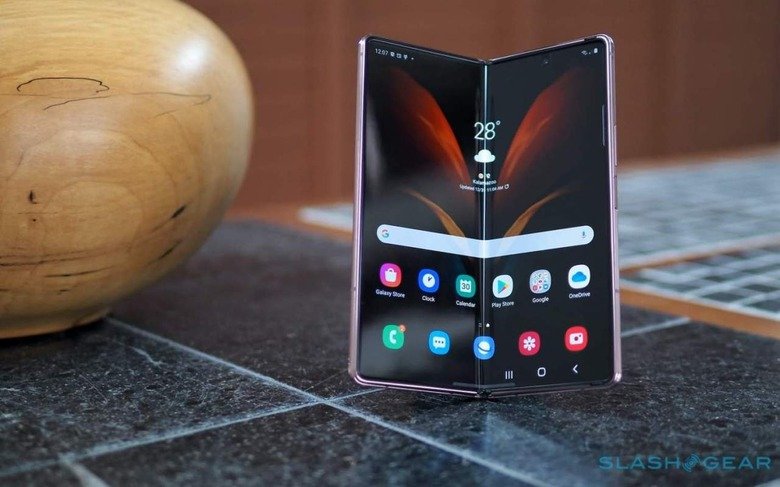
Samsung and Google Gemini: A Deepening Strategic Alliance
Why Gemini Matters to Samsung
Google’s Gemini AI model sits at the heart of Samsung’s AI strategy. Unlike cloud-only AI services, Gemini is designed to work seamlessly across devices, combining on-device intelligence with cloud-based processing. This hybrid approach allows Samsung to deliver AI features that are fast, private, and deeply integrated into everyday use.
By the end of last year, Samsung had already deployed Gemini-powered AI features on approximately 400 million mobile devices, including Galaxy smartphones and tablets. The plan to double that figure in 2026 signals a dramatic acceleration.
A Major Boost for Google
Samsung is the world’s largest manufacturer of Android-powered devices, making it Google’s most influential hardware partner. Expanding Gemini to 800 million Samsung devices gives Google a massive distribution advantage over rivals like OpenAI, Anthropic, and Meta, particularly in consumer-facing AI.
Every Galaxy device equipped with Gemini strengthens Google’s ecosystem driving user engagement, developer adoption, and data feedback that improves the model.
“AI Everywhere”: Samsung’s Vision for the Future
AI Beyond Smartphones
Samsung’s AI ambitions extend far beyond mobile phones. According to Roh, the company intends to integrate AI into:
- Smartphones and tablets
- Televisions and home entertainment systems
- Home appliances such as refrigerators, washing machines, and air conditioners
- Wearables and health devices
- Future device categories yet to be defined
The goal is to create a cohesive, AI-driven ecosystem where devices understand user behavior, communicate with one another, and anticipate needs.
From Features to Foundations
Unlike earlier waves of AI, which focused on isolated features, Samsung is positioning AI as a foundational technology—similar to electricity or connectivity embedded across its entire product lineup.
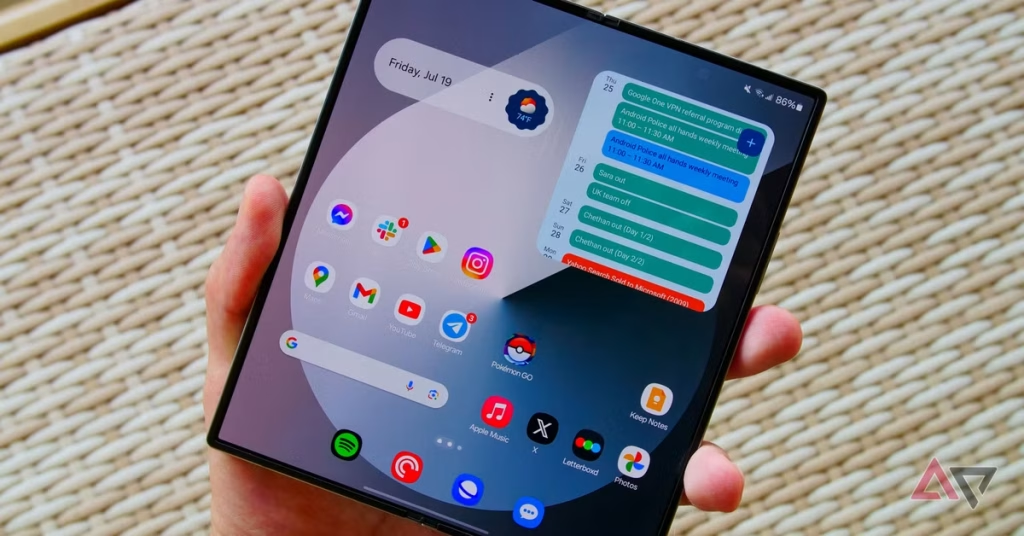
Reclaiming Market Leadership From Apple
Samsung vs. Apple: A Shifting Battlefield
Samsung’s aggressive AI push comes as it seeks to regain the smartphone crown from Apple. While Apple was expected to be the world’s top smartphone maker last year, Samsung aims to differentiate itself through early, large-scale AI deployment.
While Apple has introduced AI features gradually, Samsung is betting on speed and scale rolling out AI to hundreds of millions of devices in a compressed timeframe.
Integrated AI as a Competitive Advantage
Samsung believes its integrated AI services spanning hardware, software, and cloud will widen the gap with Apple in practical, everyday AI functionality. Features such as live translation, AI photo editing, content summarization, and contextual search are already gaining traction among Galaxy users.
Galaxy AI: Rapid Consumer Adoption
Awareness and Usage Surge
Samsung’s internal surveys show that awareness of its Galaxy AI brand surged from roughly 30% to 80% in just one year. This rapid rise suggests that AI features are no longer viewed as experimental or niche, but as essential components of modern smartphones.
Roh expects adoption to accelerate even further as users become more familiar with AI-powered tools.
What Consumers Use AI For Most
According to Samsung, the most frequently used AI features on mobile devices include:
- AI-powered search and contextual assistance
- Image editing and generative photo tools
- Productivity features such as summarization and note generation
- Live translation for calls, messages, and content
These use cases demonstrate that AI is already reshaping how people interact with their devices on a daily basis.
The Global AI Race: Samsung, Google, and Their Rivals
Gemini 3 Raises the Stakes
Alphabet’s Google launched Gemini 3 in November, touting performance leadership across several industry benchmarks. The release intensified competition with OpenAI, whose ChatGPT models dominate public awareness of generative AI.
In response to Gemini 3, OpenAI reportedly declared an internal “code red,” reallocating resources to accelerate development. Shortly afterward, OpenAI launched GPT-5.2, escalating the rivalry.
Hardware as the Next AI Battleground
While much of the AI race has focused on models and cloud services, Samsung’s strategy highlights a critical shift: AI distribution through hardware at scale. By embedding Gemini deeply into devices people already own, Samsung and Google gain a structural advantage that cloud-only competitors struggle to match.
Memory Chip Shortage: A Hidden Constraint on AI Expansion
Samsung’s Semiconductor Strength and Weakness
Samsung is one of the world’s largest memory chip manufacturers, making semiconductors a cornerstone of its business. The current global memory chip shortage has boosted demand and pricing for its semiconductor division.
However, this same shortage is squeezing margins in Samsung’s smartphone and consumer electronics businesses, where memory components are essential.
“No Company Is Immune”
Roh acknowledged that the shortage affects all sectors—from smartphones to TVs and appliances—and did not rule out price increases. While Samsung is working with partners to mitigate long-term impacts, rising component costs could influence consumer pricing in the near future.
Smartphone Market Outlook: Growth Under Pressure
Slowing Global Demand
Market researchers such as IDC and Counterpoint predict that the global smartphone market may shrink next year due to higher prices and economic uncertainty. Rising component costs threaten affordability, particularly in emerging markets.
Samsung’s strategy appears to hinge on value differentiation—convincing consumers that AI-enhanced devices justify higher prices.
AI as a Demand Catalyst
Samsung believes AI could reignite consumer interest by making smartphones feel meaningfully new again. Rather than incremental hardware upgrades, AI offers visible, daily improvements to user experience.
Foldable Phones: Slower Growth, Long-Term Confidence
A Market That Hasn’t Fully Taken Off Yet
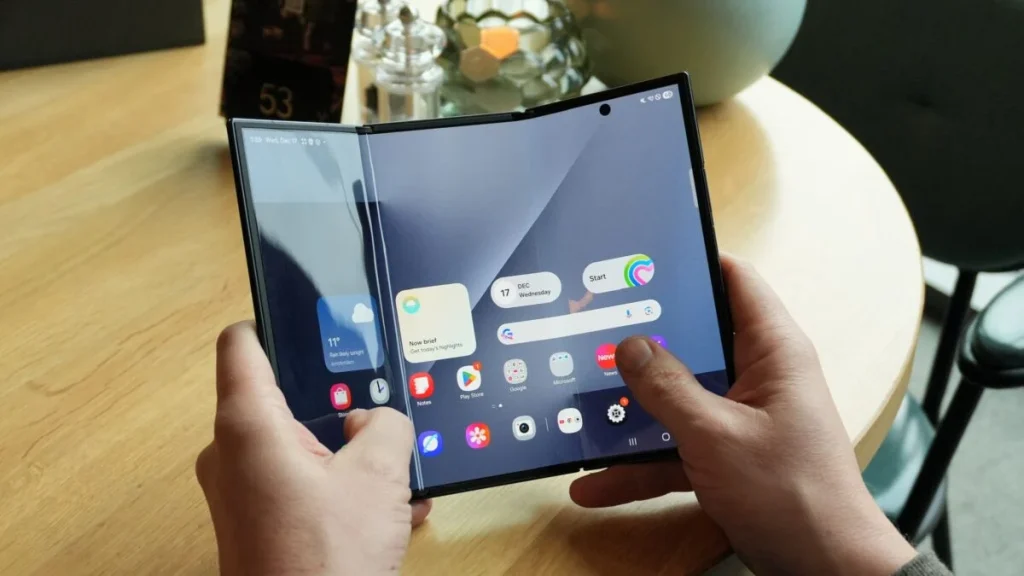
Samsung pioneered foldable smartphones in 2019, but adoption has grown more slowly than initially expected. Roh attributed this to:
- Engineering challenges
- Durability concerns
- A lack of apps optimized for foldable designs
Despite these hurdles, Samsung remains optimistic.
Strong User Loyalty
Roh revealed that a “very high” percentage of foldable phone users choose another foldable device when upgrading an encouraging sign of long-term viability.
Samsung controlled nearly two-thirds of the global foldable market in Q3 2025, but competition is intensifying.
Rising Competition From China and Apple
Chinese Manufacturers Close the Gap
Companies such as Huawei are rapidly improving their hardware and software capabilities, particularly in foldable phones and AI features. Their aggressive pricing and innovation cycles pose a serious challenge to Samsung in key markets.
Apple’s Expected Foldable Entry
Apple is widely expected to launch its first foldable iPhone this year. While details remain scarce, Apple’s entry could legitimize the category for mainstream consumers—while intensifying competition.
Samsung’s head start and AI integration may prove crucial in defending its position.
What This Means for Consumers
Smarter Devices, Seamless Experiences
For users, Samsung’s AI expansion promises devices that are:
- More intuitive
- More personalized
- Better at anticipating needs
- More helpful across work, creativity, and communication
As AI becomes standard rather than optional, consumers may begin to expect intelligent assistance as a baseline feature.
Privacy and Trust Considerations
With AI deeply embedded in personal devices, issues around data privacy, transparency, and control become increasingly important. Samsung’s hybrid on-device and cloud approach aims to address these concerns, but consumer trust will remain critical.
Read More: Oppo Reno 15 Series Reaches Global Market Pakistan Launch Likely Imminent
FAQs
Strategy and Scale
How many Samsung devices will use Gemini in 2026?
Samsung plans to reach 800 million mobile devices with Gemini-powered AI features.
What devices are included?
Smartphones and tablets initially, with expansion to other consumer electronics.
Why is Samsung doubling so quickly?
To gain a competitive edge and accelerate AI adoption at scale.
Is this good for Google?
Yes. Samsung’s scale significantly boosts Gemini’s reach and usage.
Will older devices get Gemini features?
Some features may roll out via software updates, depending on hardware capabilities.
Does this affect non-Android users?
Indirectly, as it increases pressure on competitors to match AI capabilities.
Consumer Impact and Features
What AI features do users use most?
Search, photo editing, translation, summarization, and productivity tools.
Will AI increase phone prices?
Possibly, due to component costs, but Samsung aims to balance value and affordability.
Is Galaxy AI optional?
Users can choose which AI features to enable, depending on preferences.
Are these features cloud-based?
Many use a hybrid model, combining on-device and cloud processing.
Market and Competition
How does this affect Apple?
It increases competitive pressure by setting a new benchmark for AI integration.
What about Chinese rivals?
They remain strong competitors, particularly in hardware innovation and pricing.
Will foldables benefit from AI?
Yes. AI could unlock new multitasking and productivity use cases.
Is the smartphone market shrinking?
Analysts predict potential contraction due to rising costs and slower upgrades.
Conclusion
Samsung’s plan to double its Gemini-powered mobile devices to 800 million units in 2026 represents one of the boldest bets yet on artificial intelligence as the defining force in consumer technology. By embedding AI deeply and rapidly across its ecosystem, Samsung is not just responding to industry trends it is actively shaping them.
