


Iran and the United States are set to resume high-level nuclear talks on Friday in Oman, marking a cautious return to diplomacy at a moment of extreme strain in relations between the two longtime adversaries. The negotiations come amid Iran’s violent suppression of nationwide protests, rising military encounters in the Persian Gulf, and renewed warnings from Washington that Tehran must not be allowed to develop a nuclear weapon.
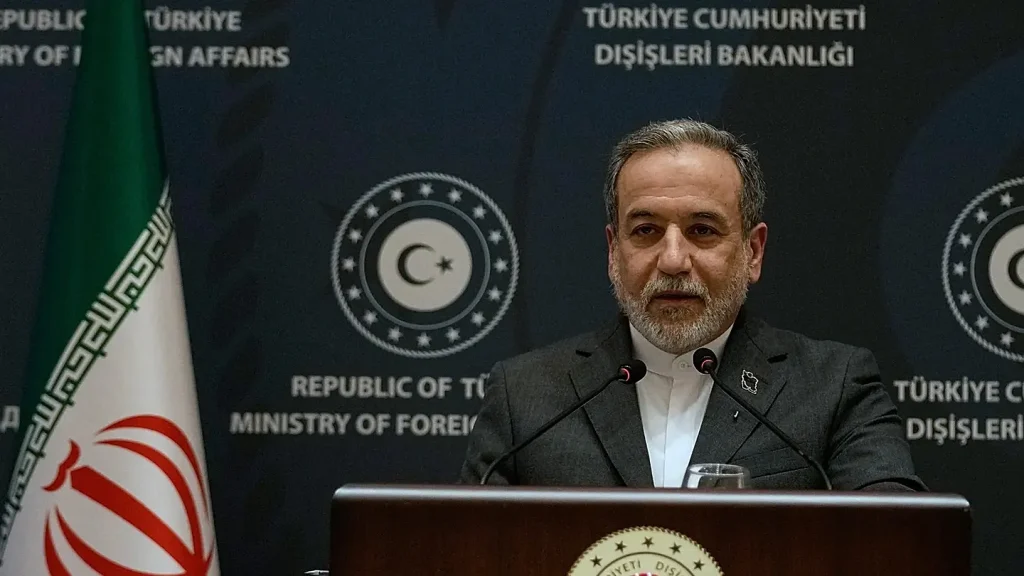
The talks, confirmed Wednesday by Iranian Foreign Minister Abbas Araghchi, were salvaged after last-minute disagreements nearly caused them to collapse. Initially expected to take place in Turkey, the negotiations were relocated to Oman following Iranian objections to the proposed format and scope of discussions.
“I’m grateful to our Omani brothers for making all necessary arrangements,” Araghchi wrote on X, publicly acknowledging Muscat’s behind-the-scenes role in keeping diplomatic channels open.
Oman has historically served as a discreet and trusted intermediary between Tehran and Washington, including during early back-channel talks that eventually led to the 2015 nuclear agreement. Its reemergence as host reflects both the fragility of the current diplomatic effort and the lack of trust between the two sides.
Talks Nearly Derailed Over Format and Scope
The announcement came after hours of confusion and conflicting signals over whether the talks would happen at all. According to a regional official familiar with the discussions, Iran objected strongly to Turkey’s proposed framework, which Tehran viewed as overly broad and politically risky.
Iran instead pushed for:
- Direct, bilateral talks between Iran and the U.S.
- A narrow agenda focused exclusively on Iran’s nuclear program
- No discussion of regional proxy groups, ballistic missiles, or internal Iranian affairs
The official spoke on condition of anonymity because they were not authorized to speak publicly.
The Trump administration confirmed it would participate in the talks in Oman, according to a White House official who also requested anonymity. That official said several Arab and Muslim leaders privately urged Washington not to abandon diplomacy, warning that failure could trigger a rapid spiral toward open conflict.
Despite agreeing to the revised plan, the White House remains deeply cautious.
“There is significant skepticism that these talks will produce meaningful results,” the official said. “But allies in the region strongly encouraged continued engagement.”
A Diplomatic Opening Amid Escalating Hostilities
The talks come at a time when U.S.–Iran relations are arguably at their most volatile point in years.
Last month, Iran launched a sweeping crackdown on protests that erupted across multiple cities, prompting international condemnation and renewed scrutiny of Tehran’s human rights record. President Donald Trump publicly suggested that the United States could consider military options in response to Iran’s actions, dramatically escalating rhetoric between the two countries.
At the same time, Trump has intensified pressure on Tehran to accept new limits on its nuclear program, framing the issue as a core national security concern not just for the U.S., but for the entire Middle East.
Military incidents have further inflamed tensions:
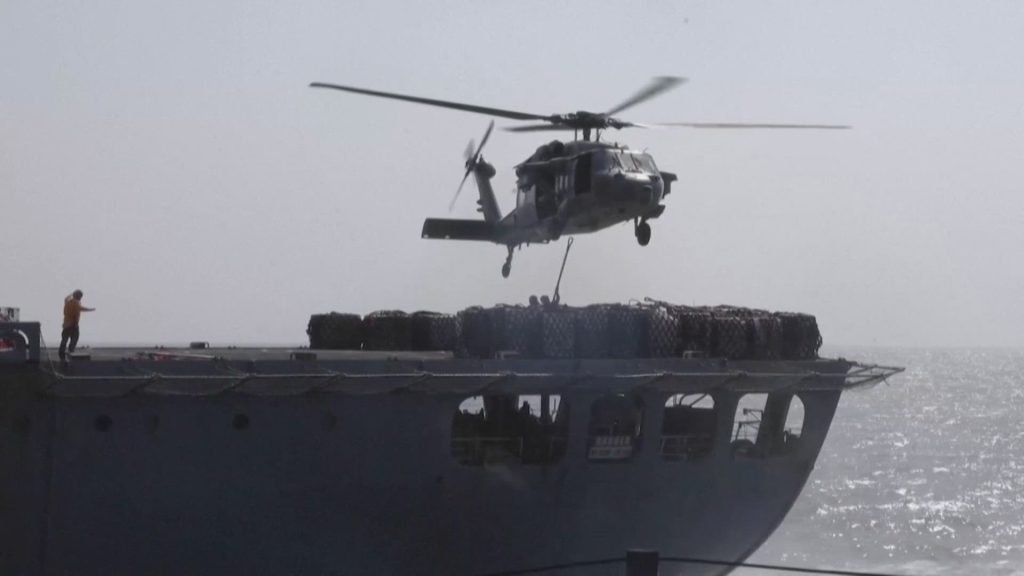
- On Tuesday, a U.S. Navy fighter jet shot down an Iranian drone that approached an American aircraft carrier.
- Iranian Revolutionary Guard fast boats attempted to stop a U.S.-flagged commercial vessel in the Strait of Hormuz, a critical global oil chokepoint.
Iran did not immediately acknowledge either incident. Still, the events underscored how quickly miscalculations could lead to direct confrontation — even as diplomats prepare to meet.
Signals From Tehran: A Shift in Tone
In a potentially significant development, Iran’s reformist President Masoud Pezeshkian said Tuesday that he had instructed the foreign minister to pursue “fair and equitable negotiations” with the United States.
The statement marked the clearest indication yet that Tehran is willing to re-engage diplomatically. Analysts widely believe such a move would not be possible without the approval of Supreme Leader Ayatollah Ali Khamenei, who retains final authority over all major state decisions and has previously dismissed negotiations with Washington as futile.
While Khamenei has not commented publicly, Pezeshkian’s remarks suggest that Iran’s leadership may see talks as a necessary pressure valve particularly as economic strain, domestic unrest, and international isolation intensify.
Washington’s Broader Agenda
Despite Iran’s push for narrowly defined nuclear talks, U.S. officials have made clear they want more comprehensive discussions.
Secretary of State Marco Rubio said Washington hopes diplomacy will eventually address:
- Iran’s ballistic missile program
- Its support for armed proxy groups across the Middle East
- The Iranian government’s treatment of its own citizens
“The leadership of Iran at the clerical level does not reflect the people of Iran,” Rubio said, arguing that the ruling elite is increasingly disconnected from public sentiment.
Vice President JD Vance, speaking on The Megyn Kelly Show, emphasized the structural difficulty of negotiating with Iran’s political system.
“It’s a very weird country to conduct diplomacy with when you can’t even talk to the person who’s actually in charge,” Vance said, referring to Khamenei. “That makes everything more complicated and, frankly, more absurd.”
Vance contrasted Iran with countries like Russia, China, or North Korea, whose leaders Trump can engage with directly.
Nuclear Red Lines and Military Warnings
Despite differences over scope and sequencing, the Trump administration has consistently reiterated its core position: Iran must not be allowed to develop a nuclear weapon.
Vance warned that if Iran were to cross that threshold, regional rivals would likely pursue their own nuclear capabilities, triggering a destabilizing arms race.
Iran has long maintained that its nuclear program is purely peaceful and intended for civilian energy and research purposes. However, Iranian officials in recent years have increasingly hinted that Tehran could pursue nuclear weapons if threatened — statements that have alarmed Western governments and regional neighbors.
Vance said Trump prefers non-military solutions but would not rule out force.
“He will try to accomplish what he can through diplomacy,” Vance said. “But if he decides the military is the only option, he’s ultimately going to choose that option.”
Military Signaling Continues in Parallel
Even as diplomats prepare for talks, Iran has continued to emphasize its military capabilities.
On Wednesday, senior Iranian military commanders toured a missile base housing the Khorramshahr missile, which has a reported range of more than 2,000 kilometers (1,250 miles). The visit appeared aimed at projecting strength following last year’s 12-day war with Israel, which significantly damaged Iran’s air defense infrastructure.
The missile base tour also served as a reminder that Iran’s negotiating posture is backed by military leverage a signal likely intended for both Washington and regional adversaries.
Turkey’s Diplomatic Push Falls Short
Turkey had been actively working for more than a week to bring Iran and the U.S. to the negotiating table and was initially expected to host the talks.
On Wednesday, Turkish President Recep Tayyip Erdogan reiterated Ankara’s opposition to foreign intervention in Iran and warned of regional fallout if diplomacy fails.
“External interventions involving our neighbor Iran would pose significant risks for the entire region,” Erdogan said during a visit to Cairo. “Resolving issues with Iran, including the nuclear file, through dialogue is the most appropriate approach.”
Despite Turkey’s efforts, Iran’s insistence on a different format ultimately shifted the talks to Oman.
Read More: Trump-led abuses amid ‘democratic recession’ put human rights in peril, HRW report says
FAQs
Why are the talks happening now?
Mounting regional tensions, domestic unrest in Iran, and fears of accidental military escalation have increased pressure on both sides to reopen diplomatic channels.
Why was Oman chosen as the venue?
Oman has a long history of mediating between Iran and the U.S. and is seen as neutral, discreet, and trusted by both sides.
What is Iran hoping to achieve?
Iran wants relief from pressure and a narrowly focused discussion on its nuclear program, without broader concessions on missiles or regional influence.
What is the U.S. hoping to achieve?
The U.S. wants verifiable limits on Iran’s nuclear activities and hopes talks can eventually expand to address missiles, proxies, and human rights.
Could these talks lead to a new nuclear deal?
Most analysts see the talks as exploratory. A comprehensive agreement would likely require months if not years of negotiations.
What happens if talks fail?
Failure could increase the likelihood of sanctions escalation, covert action, or military confrontation, particularly if nuclear activities accelerate.
Conclusion
Friday’s talks in Oman reflect both the urgency and fragility of diplomacy between Iran and the United States. Neither side appears optimistic about quick success, yet both seem to recognize that the alternative, unchecked escalation amid rising regional instability, could prove far more dangerous. With military tensions simmering, domestic pressures mounting inside Iran, and global powers watching closely, the negotiations represent a narrow opening rather than a breakthrough.
