


Choosing a Christmas tree is one of the most exciting and nostalgic traditions of the holiday season. For many families, it marks the official start of Christmas an annual ritual that brings warmth, joy, and togetherness. But every year, as Christmas approaches, people face the same question: “Do you know what Christmas tree you’re getting this year?”
At first, it seems like such a simple question. But in reality, whether you’re decorating your first apartment, preparing for a large family gathering, organizing an office party, or simply refreshing your holiday décor, the decision is more layered than ever. Today’s Christmas trees come in many forms: real or artificial, pre-lit or unlit, flocked or natural, slim or full, budget-friendly or extravagant, minimalist or luxurious. With each option offering its own unique atmosphere, features, and aesthetic, it makes sense that choosing the right tree requires more thought than people often expect.
This long-form guide will walk you through every detail you need to know to confidently select the perfect Christmas tree for your home, your style, your lifestyle, and your holiday plans. Whether you’re the kind of person who buys the same type of tree every year or someone who likes to experiment with new themes and designs, this comprehensive article will help you discover what type of Christmas tree best suits you this holiday season. By the time you finish reading, you’ll not only know what tree you want you’ll know exactly why it’s the perfect choice for you.
The Christmas Tree Tradition: More Than Just a Decoration
Before diving into the many types of trees available, it’s important to understand why choosing the right Christmas tree matters so much. Christmas trees aren’t just decorations; they are symbols of celebration, tradition, togetherness, and the joy of the season. The tree becomes a centerpiece of the holiday home, the place where families gather, where memories are made, and where stories are shared.
For some, the Christmas tree is deeply connected to childhood memories riding out to a tree farm in the cold, carrying the freshly cut tree home, and decorating it while holiday music played in the background. For others, the tree represents creativity and self-expression, a blank canvas to design, style, and curate according to evolving holiday trends.
And in recent years, Christmas trees have become more personalized. People aren’t just picking a tree they’re choosing a look, a mood, an experience. Some choose flocked, snowy trees to mimic winter landscapes; others prefer colorful or themed artificial trees that match their aesthetic vision. Some want natural fragrance and authenticity, while others favor durability, symmetry, and convenience.
Whatever your style or priority, one thing remains consistent: the Christmas tree is the heart of holiday décor. And choosing the right one shapes the entire festive atmosphere in your home.
Let’s explore what’s available today and help you answer the big question: Which Christmas tree are YOU getting this year?
Real Christmas Trees: The Classic Choice
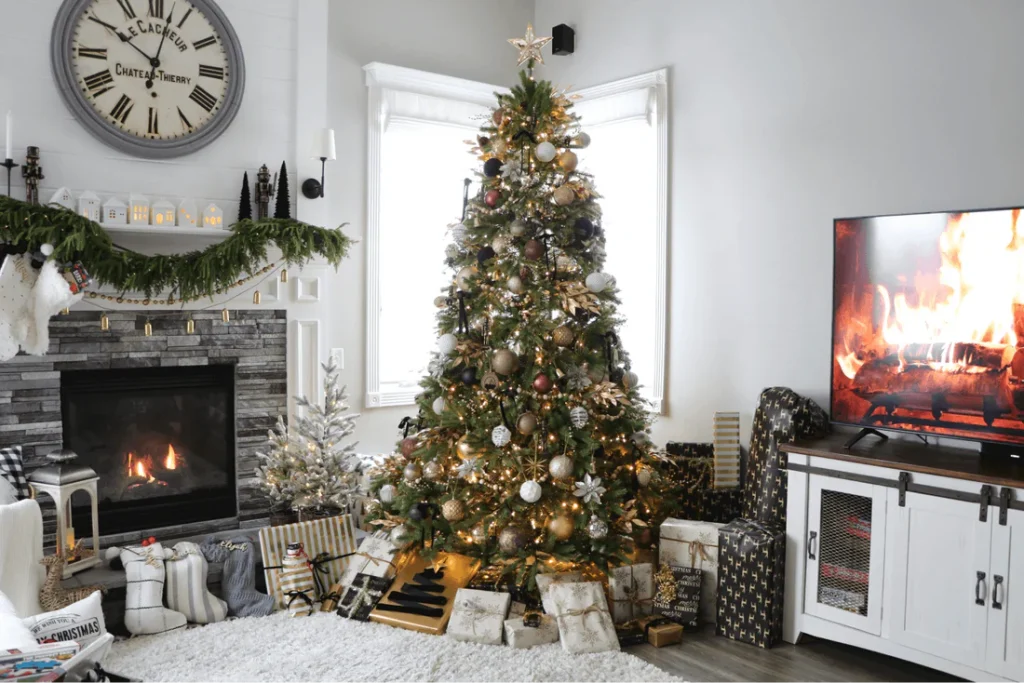
For many people, nothing compares to the experience of choosing a real Christmas tree. The fresh scent of pine, the natural texture of the branches, and the excitement of bringing a living piece of nature into the home all contribute to a magical feeling.
Why Real Trees Remain Popular
Real trees have a timeless charm. Whether they come from a local farm, a winter market, or a retail garden center, their appeal lies in their authenticity. No artificial tree no matter how realistic can perfectly replicate the smell, feel, and natural character of a real tree.
People love real Christmas trees because:
- They fill the home with a natural, comforting fragrance.
- Each tree has its own personality, shape, and imperfections.
- The outing to choose a real tree becomes a cherished annual tradition.
- Real trees can be recycled and returned to the earth naturally.
- They create a nostalgic holiday atmosphere that artificial trees often can’t match.
But real trees also require care: watering daily, avoiding heat sources, and ensuring safe handling. The needles shed, the trunk can sap, and disposal after the season is another consideration.
Still, for many families, the trade-off is worth it because the experience of having a real tree brings joy and authenticity to the season.
Types of Real Christmas Trees
Fraser Fir
Known for its strong branches, wonderful fragrance, and excellent needle retention, the Fraser fir is one of the most beloved Christmas tree species.
Douglas Fir
A soft-needled, full-bodied tree that offers a bright green color and a sweet scent. Ideal for homes that want a lush, traditional look.
Noble Fir
Sturdy, symmetrical, and elegant, the Noble fir is perfect for heavy ornaments and detailed decorating.
Scotch Pine
Very full, very traditional, and great for holding ornaments. It’s a popular choice for families.
Blue Spruce
Recognized by its striking blue-to-silver hue, the Blue spruce is beautiful, though its needles are sharper than firs.
Balsam Fir
Highly aromatic, soft-needled, and beautifully shaped, the Balsam fir remains a classic choice for a cozy Christmas aesthetic.
Each type offers a different look and feel, so part of choosing your Christmas tree involves understanding what decorative style or mood you want your holiday home to reflect.
Artificial Christmas Trees: The Modern Favorite
Artificial Christmas trees continue to grow in popularity because they offer convenience, durability, and endless design options. While real trees hold sentimental value, artificial trees excel in practicality and aesthetics.
Why Artificial Trees Are So Popular Today
- They last for many years often up to a decade or more.
- No watering or cleanup of fallen needles.
- Safe for families with allergies.
- Available in many colors, shapes, and styles.
- Pre-lit options reduce decorating time.
- Artificial trees are flame resistant.
- A variety of price ranges make them accessible to all budgets.
In today’s modern homes, artificial trees often fit better into compact living spaces, apartments, or rooms with specific décor themes. And with technology advancing every year, artificial trees have become more lifelike and feature-rich than ever before.
Types of Artificial Christmas Trees
1. Traditional Green Artificial Trees
These mimic real trees with lifelike branches and natural looking textures. Many are indistinguishable from real trees once decorated.
2. Pre-Lit Artificial Trees
The most popular type, offering built-in lighting in warm white, cool white, or multi-color LEDs. Some models include smart controls and color-changing effects.
3. Slim and Pencil Trees
Designed for small spaces, tight corners, and apartments. They provide height without taking much floor space.
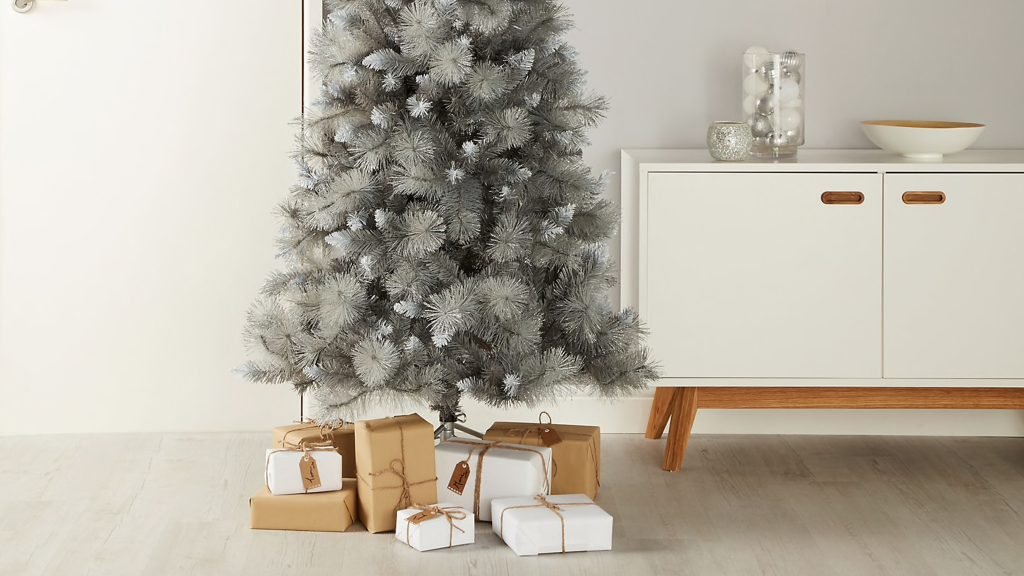
4. Frosted and Flocked Trees
Ideal for a winter wonderland theme, these trees are coated with snowy white material to create a frosty appearance.
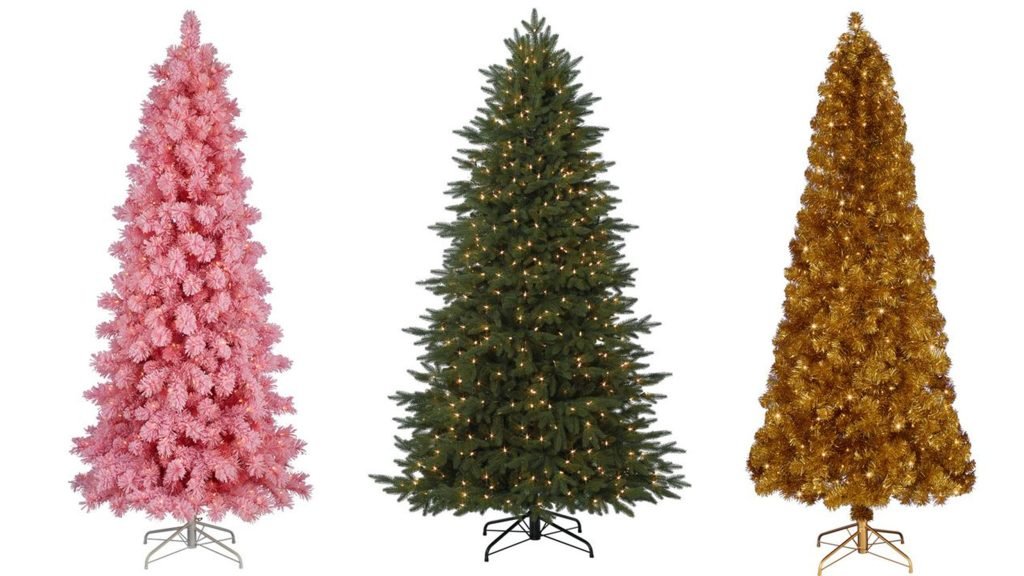
5. Colored Trees
White, pink, red, blue, and even black trees are trending for modern homes and themed décor styles.
6. Tabletop Trees
Small, lightweight, and perfect for offices, bedrooms, mantels, or entryways.
7. Upside-Down Trees
A bold design choice that saves floor space and creates a dramatic visual centerpiece.
8. Smart LED Trees
Controlled with an app or voice assistant, they offer customizable lighting patterns, animations, and thousands of color combinations.
Artificial trees bring flexibility and creativity, especially for those who enjoy experimenting with new décor each year.
Space and Lifestyle: Choosing a Tree That Fits Your Home
A Christmas tree should complement your home, not overwhelm it. Consider:
- Ceiling height
- Available floor space
- Furniture arrangement
- Children or pets in the home
- Desired style: full, slim, minimal, or dramatic
Every room has an ideal tree style. For example:
- Small apartments benefit from slim or pencil trees.
- Large living rooms suit full, wide trees.
- Minimalist homes pair well with frosted or monochrome trees.
- High ceilings look best with tall trees (9 ft or more).
By assessing your home layout beforehand, you ensure your Christmas tree enhances your décor instead of competing with it.
Choosing the Right Size: Height and Width Matter
A Christmas tree that is too big can overpower a room, while one that’s too small might feel underwhelming. The general rule:
Choose a tree that is 1 to 1.5 feet shorter than your ceiling.
If your ceiling is 8 ft, a 6.5–7 ft tree is ideal.
If your ceiling is 10 ft, consider 8–9 ft trees.
Width also matters:
- Slim trees are great for tight areas.
- Full trees make a home feel cozy and luxurious.
Measure your space before buying to avoid surprises.
Read More: McDonald’s Pulls Creepy Christmas Ad After Viewer Backlash: As Real As Their Hamburgers
Tree Decorating Styles: Expressing Your Holiday Personality
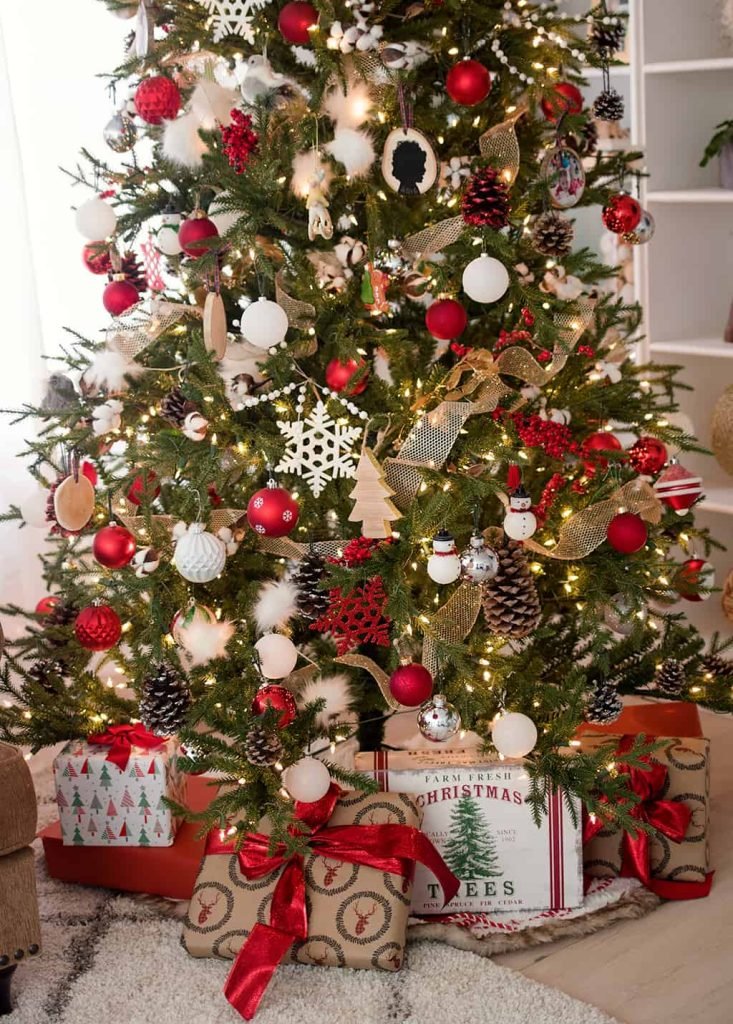
Traditional
Red, gold, and green ornaments.
Classic lights.
Sentimental family ornaments.
Modern Minimalist
Simple décor, neutral tones, warm white lights, and subtle accents.
Winter Wonderland
Flocked tree, silver and white ornaments, sparkly ribbons.
Colorful & Playful
Bright ornaments, multicolored lights, quirky decorations.
Rustic
Natural décor: pinecones, wooden ornaments, burlap ribbon.
Luxury & Glam
Metallic ornaments, elegant ribbon, oversized décor accents.
Choosing your decorating style helps determine which tree fits best.
Cost Considerations: Budgeting for Your Christmas Tree
Real Trees
$50 to $250 depending on size and type.
Artificial Trees
$40 to $1,200 depending on features, lighting, and realism.
Remember, artificial trees are an investment that lasts several years.
Maintenance: Caring for Your Tree
Real Trees
- Water daily
- Keep away from heat
- Use a sturdy stand
- Trim the trunk before placing
Artificial Trees
- Dust before decorating
- Store in a proper bag
- Handle branches carefully
- Avoid high humidity
Proper care ensures your tree looks beautiful all season long.
FAQs
How do I choose between a real and artificial Christmas tree?
If you value tradition, fragrance, and authenticity, choose real. If you want convenience, durability, and design flexibility, choose artificial.
What height tree should I get?
Select a tree 1 to 1.5 feet shorter than your ceiling height for best appearance and room for a topper.
Are pre-lit trees worth it?
Yes. They save time, offer even lighting, and reduce the hassle of tangled string lights.
When should I buy my Christmas tree?
Real trees are best purchased in early December for freshness. Artificial trees are often cheaper in October and November.
Which type of real Christmas tree lasts longest?
Fraser fir and Noble fir hold their needles longest and stay fresh throughout the season.
Conclusion
Choosing a Christmas tree isn’t just a seasonal task it’s a celebration of tradition, creativity, and personal style. Whether you prefer the nostalgic charm of a real evergreen or the modern convenience of a beautifully designed artificial tree, the perfect tree is the one that brings joy, excitement, and warmth into your home.
