


Blackheads are one of the most common skin concerns, affecting people of all ages and skin types. These small, dark bumps appear when pores become clogged with excess oil, dead skin cells, and sometimes bacteria. Unlike pimples, blackheads are open comedones, meaning the top of the pore remains open to the air. The dark color comes from the oxidation of melanin in the clogged pore rather than dirt. While they are not dangerous, blackheads can be frustrating and impact the appearance of your skin if left untreated.
Understanding why blackheads form, how to treat them effectively, and the best preventive measures is key to achieving clearer, healthier skin. This comprehensive guide explores everything from at-home remedies to professional treatments and tips for keeping blackheads at bay.
What Causes Blackheads?
Blackheads form when the skin produces excess sebum, the oily substance meant to keep your skin moisturized. When combined with dead skin cells, this oil can clog pores, leading to blackheads. Common contributing factors include:
- Excess oil production: Hormonal changes, stress, and certain medications can increase sebum output.
- Dead skin cells: The natural shedding of skin can mix with oil and block pores.
- Hormonal fluctuations: Androgens, a type of hormone, can stimulate sebaceous glands to produce more oil, particularly during puberty, menstruation, or pregnancy.
- Cosmetic and skincare products: Comedogenic ingredients in makeup or creams can clog pores.
- Environmental factors: Humidity, pollution, and sweat can exacerbate pore blockages.
Blackheads are most common on the nose, chin, forehead, and back, areas with more sebaceous glands. While they are generally mild, improper treatment can lead to enlarged pores, infection, or worsening acne.
Why You Shouldn’t Pop Blackheads
It can be tempting to squeeze or pick at blackheads, but dermatologists strongly advise against this. Popping blackheads with your fingers or tools can:
- Push oil, dirt, and bacteria deeper into the pores.
- Cause inflammation, redness, and swelling.
- Increase the risk of scarring or permanent pore enlargement.
- Trigger secondary infections that may lead to painful cysts or acne flare-ups.
Instead, proper treatments focus on unclogging pores safely and regulating oil production to prevent new blackheads from forming.
Over-the-Counter Treatments for Blackheads
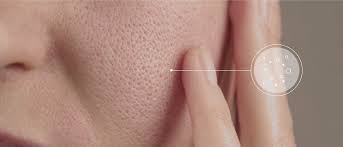
Many blackhead treatments are available without a prescription and can be effective if used consistently. These treatments usually work by exfoliating dead skin cells, reducing oil, and clearing clogged pores. It typically takes 6 to 8 weeks of regular use to see visible improvements.
Salicylic Acid Cleanser
Salicylic acid is a beta-hydroxy acid (BHA) that penetrates pores to dissolve the combination of oil and dead skin that causes blackheads. It gently exfoliates the skin surface while decreasing oil production.
Tips for Use:
- Use a salicylic acid cleanser once daily, especially if you have sensitive or dry skin.
- Rinse thoroughly to prevent irritation or excessive dryness.
- Pair with a non-comedogenic moisturizer to maintain hydration.
Salicylic acid is ideal for oily or combination skin and can also help prevent future blackheads by maintaining clear pores.
Topical Retinoids
Retinoids, derived from vitamin A, are among the most effective treatments for blackheads and acne. They work by:
- Increasing cell turnover, preventing dead skin from clogging pores.
- Promoting unclogged, smoother skin over time.
- Reducing inflammation associated with acne-prone areas.
Prescription-strength retinoids are available for severe cases, while over-the-counter options like Differin (adapalene) provide an accessible alternative.
Important Considerations:
- Retinoids can make skin more sun-sensitive, so apply sunscreen daily.
- Avoid layering with other strong exfoliants (like salicylic acid) in the same routine, which can cause irritation. Alternate morning and night applications if necessary.
- Results may take 4-12 weeks to appear, requiring patience and consistency.
Benzoyl Peroxide Cleanser
Benzoyl peroxide is a powerful antibacterial agent that can reduce excess bacteria and oil on the skin, both of which contribute to blackhead formation.
- Best for oily or acne-prone skin, particularly when blackheads are accompanied by inflammatory acne.
- Can be drying, so start with lower concentrations (2.5–5%) and pair with moisturizer.
Dermatologists often recommend combining benzoyl peroxide cleansers with retinoids to enhance results, as long as the skin tolerates both products.
Sulfur and Resorcinol Treatments
Sulfur and resorcinol are less commonly known but effective ingredients for blackhead management. They:
- Reduce excess oil production.
- Dissolve blockages in pores.
- Help slough off dead skin cells that contribute to blackhead formation.
These ingredients are often found in acne creams, masks, or cleansers and are ideal for individuals who prefer gentle, targeted treatments without heavy chemical exfoliants.
Alpha Hydroxy Acid (AHA) Treatments
AHAs, such as glycolic acid and lactic acid, are water-soluble exfoliants that remove dead skin cells from the surface of the skin. Unlike BHAs, AHAs primarily work on the outer layer rather than deep inside the pores.
- Glycolic acid penetrates deeply, making it effective for stubborn blackheads.
- Lactic acid is gentler and better suited for sensitive or dry skin.
- AHAs are often found in serums, toners, and creams.
Regular AHA use helps smooth skin texture, reduce clogged pores, and brighten the complexion over time.
Professional Treatments for Blackheads
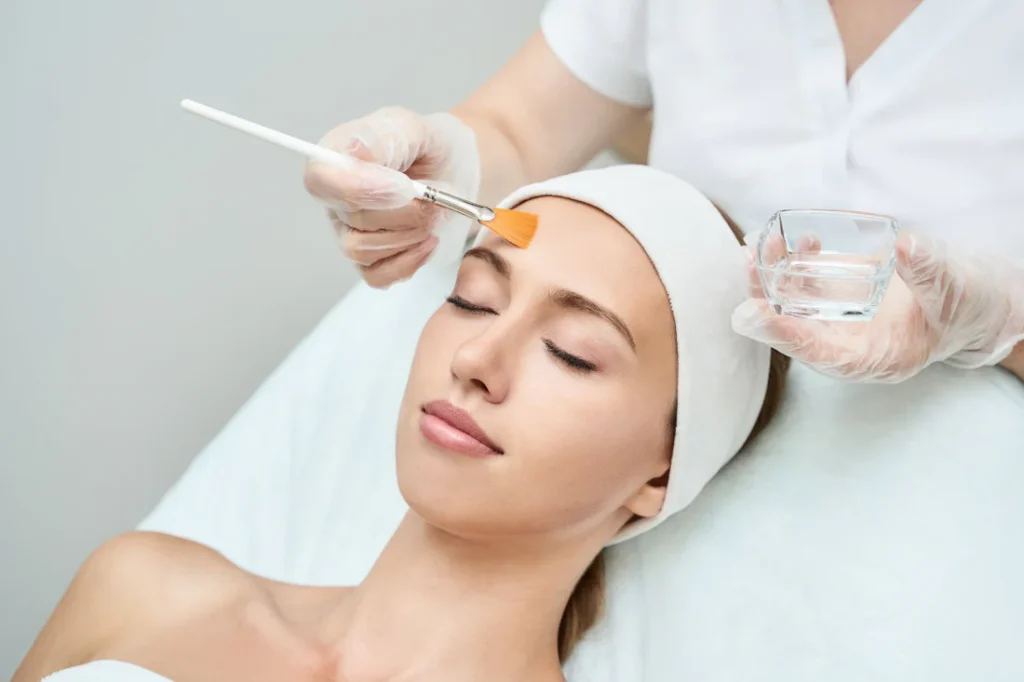
If over-the-counter treatments don’t improve blackheads after 6–8 weeks, it may be time to consult a dermatologist. Professional treatments can penetrate deeper, remove stubborn blackheads, and improve skin texture.
Comedone Extraction
- A sterile metal tool is used by a dermatologist or aesthetician to remove blackhead material.
- Safe when performed professionally, but it is time-consuming and may be costly.
- Not recommended for frequent DIY use at home.
Microdermabrasion
Microdermabrasion uses a mechanical exfoliation device to remove the top layer of skin, which can help clear blackheads more effectively than home treatments.
- Sessions typically last 30–40 minutes.
- Multiple treatments (5–16) may be required.
- Not suitable for patients currently using retinoids, as it can increase the risk of irritation or scarring.
Insurance often does not cover cosmetic microdermabrasion for blackhead removal.
Chemical Peels
Chemical peels use acid solutions to exfoliate the skin and remove clogged pores.
- Available in superficial, medium, or deep varieties.
- Can improve skin texture, reduce oil buildup, and clear blackheads.
- Recovery can range from a few days (superficial peels) to several weeks (deeper peels).
- May not be covered by insurance if performed for cosmetic purposes.
Laser Therapy
Laser treatments, including photopneumatic therapy, combine light energy and suction to clear dead skin cells and oil from pores.
- Usually requires multiple sessions.
- Mild burning or stinging may occur.
- In-office lasers are more effective than at-home light devices, which cannot penetrate deep enough to treat blackheads.
What Not to Use for Blackheads
Some popular treatments can do more harm than good:
- Physical exfoliators: Abrasive scrubs or brushes cannot reach deep inside pores and may irritate the skin.
- Pore strips: Only remove surface congestion temporarily; they don’t prevent new blackheads.
- Pore suction tools or manual popping: Can stretch pores, introduce bacteria, and cause inflammation or scarring.
Tips to Prevent Blackheads
Preventing blackheads requires consistent skincare habits:
- Avoid touching your face to reduce the transfer of dirt, oil, and bacteria.
- Use non-comedogenic skincare and makeup products that won’t clog pores.
- Cleanse twice daily with a gentle foaming cleanser, especially after sweating.
- Moisturize and use sunscreen daily to maintain healthy skin barrier function.
- Remove makeup thoroughly each night to prevent clogged pores.
- Incorporate exfoliating ingredients like salicylic acid, AHAs, or retinoids into your routine gradually to prevent irritation.
These small, consistent actions can reduce blackhead formation and maintain clearer skin over time.
The Best Shampoos For Hair Growth, According to Dermatologists
FAQ’s
What exactly causes blackheads?
Blackheads form when excess oil (sebum) combines with dead skin cells and clogs pores. Exposure to air oxidizes the material in the pore, giving it a dark color. Hormones, stress, and skincare products can increase blackhead formation.
Can I pop blackheads at home?
No. Popping blackheads can push oil and debris deeper into pores, causing inflammation, infection, and scarring. Professional extraction or targeted treatments are safer and more effective.
How long does it take for blackhead treatments to work?
Most over-the-counter treatments, like salicylic acid or retinoids, require 6–8 weeks of consistent use to show results. Patience and routine are essential for improvement.
Which ingredients are most effective for removing blackheads?
Key ingredients include:
- Salicylic acid (BHA) for deep pore exfoliation
- Retinoids to increase cell turnover
- Benzoyl peroxide to reduce bacteria and oil
- AHAs (glycolic or lactic acid) for surface exfoliation
- Sulfur and resorcinol to dissolve blockages
Can professional treatments remove blackheads faster?
Yes. Procedures like chemical peels, microdermabrasion, laser therapy, and comedone extraction can remove stubborn blackheads more effectively than home treatments, though multiple sessions may be needed.
Are physical scrubs and pore strips effective?
Not for long-term blackhead removal. Scrubs and pore strips only clean the surface temporarily and may irritate or damage skin. Chemical exfoliants are generally more effective.
How can I prevent blackheads from coming back?
Preventive strategies include:
- Washing your face twice daily and after sweating
- Using non-comedogenic skincare and makeup
- Avoiding touching your face
- Applying sunscreen and moisturizer regularly
- Incorporating gentle chemical exfoliants like salicylic acid or AHAs into your routine
Conclusion
Blackheads are a common skin concern, but they can be treated and managed effectively with the right approach. Over-the-counter treatments like salicylic acid, AHAs, benzoyl peroxide, and retinoids are excellent starting points. For more stubborn cases, professional treatments such as comedone extraction, microdermabrasion, chemical peels, or laser therapy may be necessary.
Preventive measures—including gentle cleansing, non-comedogenic skincare, and avoiding picking or squeezing—play a crucial role in keeping pores clear and healthy. With patience, consistency, and the proper combination of treatments, blackheads can be minimized, resulting in smoother, brighter, and clearer skin.
