


Bangladesh is mourning the death of one of its most influential and controversial political figures. Khaleda Zia, the country’s first female prime minister and a dominant force in Bangladeshi politics for more than three decades, passed away at the age of 80 following a prolonged illness. Her death marks the end of a defining chapter in the nation’s political history—one shaped by democratic struggle, fierce rivalry, and unwavering leadership.
Zia’s passing has sent shockwaves across Bangladesh and beyond, drawing reactions from political leaders, supporters, critics, and ordinary citizens alike. For many, she symbolized resistance and political resilience; for others, she represented a turbulent era of governance and confrontation. Regardless of perspective, her impact on Bangladesh’s political landscape is undeniable.
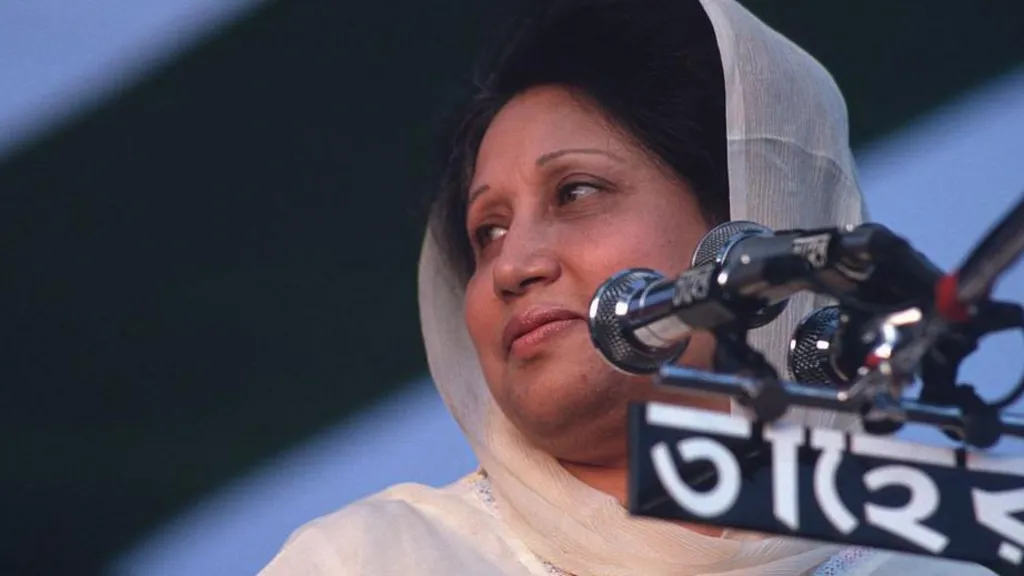
Khaleda Zia’s Final Days and Passing
Khaleda Zia breathed her last at 6:00 AM while undergoing treatment at Evercare Hospital in Dhaka, according to an official announcement by the Bangladesh Nationalist Party (BNP). Doctors had earlier described her condition as “extremely critical,” noting that her advanced age and deteriorating health severely limited treatment options.
She had been placed on life support, but physicians explained that it was not possible to administer multiple intensive treatments simultaneously due to her fragile condition. Zia had been battling several serious health issues, including:
- Chronic kidney disease
- Heart complications
- Pneumonia
- Age-related medical conditions
Despite continuous medical care, her health continued to decline in recent weeks.
Crowds Gather as Nation Reacts to the News
Soon after the news of her death broke, large crowds gathered outside Evercare Hospital, many chanting slogans and expressing grief. Police were deployed to manage the situation and prevent people from entering hospital premises.
Social media platforms were flooded with tributes, condolence messages, and reflections on her political legacy. Supporters described her as a “leader of courage and conviction,” while others recalled her role in shaping Bangladesh’s modern political history.
Bangladesh’s First Female Prime Minister
Khaleda Zia made history in 1991 when she became Bangladesh’s first female head of government, leading the BNP to victory in the country’s first democratic election in nearly 20 years after a prolonged period of military and authoritarian rule.
Her ascent to power marked a turning point for Bangladesh, not only politically but also socially, as it challenged long-standing norms about women’s leadership in a deeply patriarchal society.
She went on to serve as prime minister three times:
- 1991–1996
- Briefly in 1996
- 2001–2006
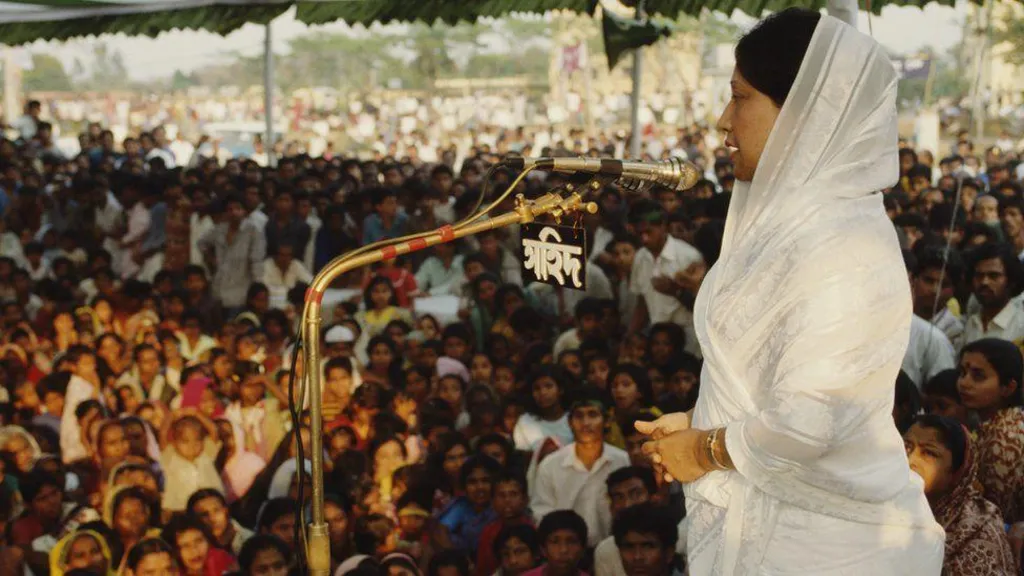
From Housewife to National Leader
Often described as a “shy housewife” in her early years, Khaleda Zia’s political journey was neither planned nor conventional. She entered public life after the assassination of her husband, President Ziaur Rahman, in a 1981 military coup.
Ziaur Rahman, a former army chief and war hero of Bangladesh’s 1971 Liberation War, had founded the Bangladesh Nationalist Party. Following his death, Khaleda Zia gradually stepped into politics, eventually rising to become the party’s chairperson.
Her transformation from a private individual into one of South Asia’s most powerful women remains one of the most remarkable political ascents in the region.
A Bitter Rivalry That Defined Bangladeshi Politics
For decades, Bangladesh’s political scene was dominated by the intense rivalry between Khaleda Zia and Sheikh Hasina, leader of the Awami League and daughter of Bangladesh’s founding father, Sheikh Mujibur Rahman.
The rivalry between the two women was deeply personal, ideological, and political. Their alternating stints in power created a cycle of:
- Political instability
- Street protests
- Boycotts of parliament
- Accusations of authoritarianism
This rivalry shaped Bangladesh’s democracy for over 30 years and became a defining feature of its governance.
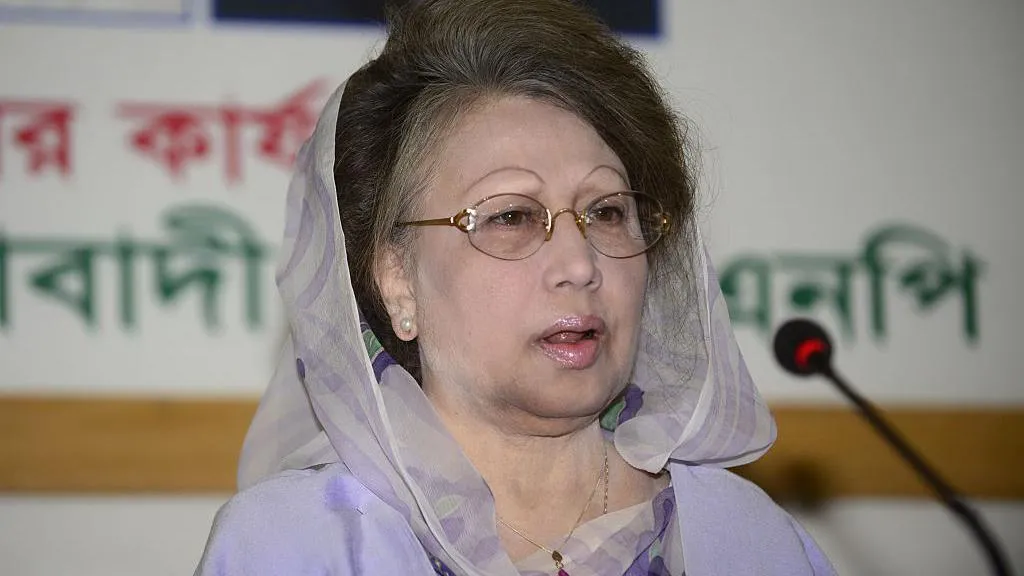
Corruption Cases and Imprisonment
Khaleda Zia’s political career was also marred by corruption allegations, which she consistently denied. In 2018, during Sheikh Hasina’s administration, she was sentenced to prison in corruption cases related to charitable trusts.
Zia maintained that the charges were politically motivated, a claim echoed by the BNP and many international observers. Her imprisonment effectively sidelined her from active politics for several years.
Release Following Political Upheaval
After spending years in custody, Khaleda Zia was released last year, following mass anti-government protests that led to the ouster of Sheikh Hasina, who subsequently went into exile.
Her release was seen as a significant political moment, signaling a potential shift in Bangladesh’s power dynamics. Despite her fragile health, the BNP announced that Zia would contest the upcoming general elections, expected in February, marking the first polls since the political upheaval.
Hopes of a Political Comeback
Even in declining health, Khaleda Zia remained central to the BNP’s political strategy. The party believed her presence would energize supporters and strengthen its chances of returning to power.
However, with her passing, attention has now shifted to her son, Tarique Rahman, who is widely expected to assume a leading role in the party.
Tarique Rahman’s Return to Bangladesh
Tarique Rahman, 60, returned to Bangladesh just last week after spending 17 years in self-imposed exile in London. His return was seen as a major development ahead of the elections.
Political analysts believe that if the BNP wins the upcoming polls, Rahman could emerge as the country’s next leader, continuing the Zia family’s political legacy.
Tributes from Across the Nation
Interim leader Muhammad Yunus called Khaleda Zia a “source of utmost inspiration for the nation” and urged citizens to pray for her during her final days.
Local and international media also paid tribute:
- Prothom Alo described her as an “uncompromising leader”
- The Daily Star called her a “defining figure of Bangladesh’s democratic struggle”
- Many analysts highlighted her political grit, survival instincts, and influence
Family by Her Side in Final Moments
According to the BNP, Khaleda Zia passed away surrounded by her loved ones, including:
- Son Tarique Rahman
- His wife
- Their daughter
The party issued a statement asking the nation to pray for the forgiveness of her soul and honor her contributions to the country.
Khaleda Zia’s Legacy: Admired and Contested
Khaleda Zia leaves behind a complex legacy. To supporters, she was:
- A champion of democracy
- A symbol of resistance
- A trailblazer for women in politics
To critics, she represented:
- Political polarization
- Governance challenges
- An era of intense confrontation
Yet, history will remember her as one of the most influential figures Bangladesh has ever produced.
Impact on Bangladesh’s Future Politics
Her death raises critical questions about:
- The future leadership of the BNP
- The tone of upcoming elections
- The direction of Bangladesh’s democracy
With Sheikh Hasina in exile and Khaleda Zia gone, Bangladesh enters a new political chapter, free from the dominance of the two women who defined it for decades.
Read More: China opposes recognition of Somaliland, affirms support for Somalia
FAQs
Who was Khaleda Zia?
Khaleda Zia was Bangladesh’s first female prime minister and the longtime leader of the Bangladesh Nationalist Party (BNP).
How old was Khaleda Zia when she died?
She was 80 years old at the time of her death.
What was the cause of her death?
She died after a prolonged illness, suffering from kidney disease, heart complications, pneumonia, and other age-related conditions.
When did Khaleda Zia serve as prime minister?
She served three terms: 1991–1996, briefly in 1996, and from 2001–2006.
What was her relationship with Sheikh Hasina?
They were long-standing political rivals whose feud defined Bangladeshi politics for decades.
Was Khaleda Zia imprisoned?
Yes, she was jailed in 2018 on corruption charges, which she claimed were politically motivated.
Who is expected to lead the BNP now?
Her son, Tarique Rahman, is widely expected to assume leadership.
What is her political legacy?
She is remembered as a trailblazer, a powerful opposition leader, and a central figure in Bangladesh’s democratic journey.
Conclusion
The death of Khaleda Zia marks the end of an era in Bangladesh’s political history. Few leaders have left such a deep and lasting imprint on the nation’s democratic evolution. From her unexpected rise after personal tragedy to her record-breaking tenure as prime minister, Zia’s life was inseparable from the story of modern Bangladesh. As the nation mourns, it also reflects.
