


A recent BBC investigation, published on December 29, 2025, has highlighted a troubling trend in the UK’s gambling landscape: half of the country’s adult gaming centres (AGCs) are located in the most disadvantaged neighbourhoods. According to data from the Gambling Commission, 664 out of approximately 1,400 AGCs are situated in the top 20% of deprived areas across the nation.
theguardian.comtheguardian.comtheguardian.com
These venues, often open 24 hours a day, feature high-stakes gaming machines capable of delivering jackpots worth hundreds of pounds. Critics argue that this clustering exacerbates gambling-related harm in communities already facing economic hardship, where residents are twice as likely to experience problem gambling, according to GambleAware.
gamblinginsider.comtheguardian.comtheguardian.com
The issue has sparked calls for regulatory reform, with local councils and campaigners accusing the industry of targeting vulnerable populations while altering the character of struggling high streets.
What Are Adult Gaming Centres?
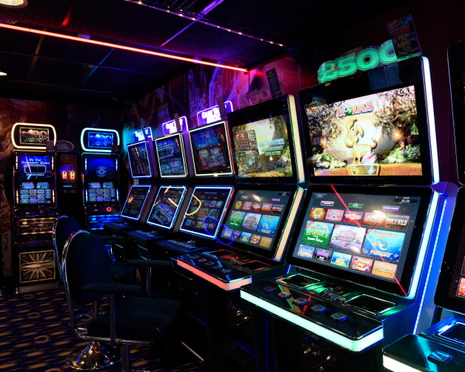
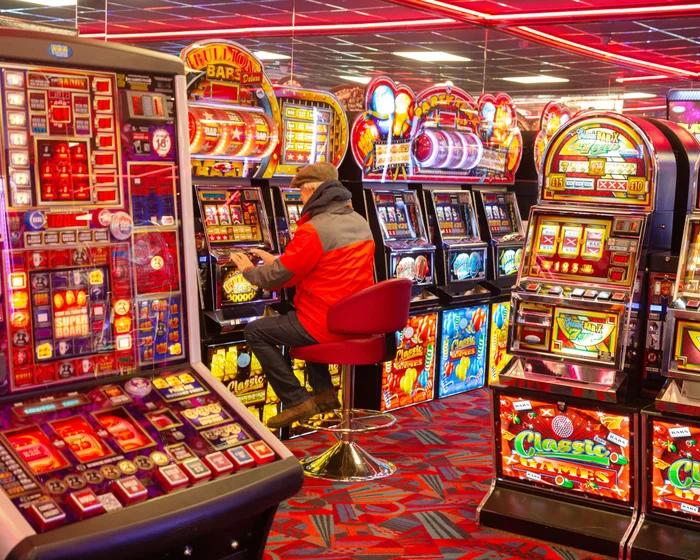
Adult Gaming Centres (AGCs) are licensed premises exclusively for individuals aged 18 and over, primarily offering Category B3 and C gaming machines—electronic slot machines with stakes up to £2 and prizes reaching £500. Unlike betting shops, AGCs focus on machine-based gaming in a controlled, alcohol-free environment. They have proliferated in recent years, with gross gambling yields rising significantly since restrictions on fixed-odds betting terminals (FOBTs) in betting shops were tightened in 2019.
Operators like Merkur and Admiral dominate the market, often converting vacant high-street units into brightly lit venues. While proponents describe them as safe entertainment spaces, critics label them “sinkholes on the high street,” extracting money from low-income communities.
The Evidence of Clustering in Deprived Areas
BBC analysis of Gambling Commission data reveals a stark disparity: deprived neighbourhoods host a disproportionate share of AGCs. This pattern aligns with broader research showing gambling premises— including betting shops, bingo halls, and arcades—are up to 10 times more common in poorer areas than affluent ones.
Studies from the University of Bristol (2021) and the Social Market Foundation (2025) confirm that 21-33% of gambling outlets are in the most deprived deciles, compared to just 2% in the wealthiest. Residents in these areas face higher exposure to gambling opportunities, correlating with elevated rates of harm. GambleAware reports that people in disadvantaged communities are twice as likely to suffer gambling-related issues, including financial ruin, mental health decline, and family breakdown.
In towns like King’s Lynn, Blackpool, and parts of London (e.g., Brent), multiple AGCs line high streets, often near schools, health services, or residential areas—locations campaigners want restricted.
Personal Stories: The Human Cost of Proximity
Recovering addict Charlie Barker, 33, shared his harrowing experience with the BBC. Living above a town square with “five or six” AGCs nearby, he found it impossible to escape temptation. His addiction led to losing an inheritance, his home, and severe mental health struggles. “Even when I was getting wins, I wasn’t walking away with them,” he said, now running a football group to support others in recovery.
lighthouserecoverytx.comsierravistahospital.comapex.rehab
Similar testimonies abound: families torn apart, debts spiraling, and suicides linked to gambling despair. In deprived areas, where economic pressures are acute, easy access to 24-hour venues amplifies vulnerability.

Regulatory Framework: The “Aim to Permit” Controversy
The Gambling Act 2005 imposes an “aim to permit” duty on local authorities, requiring them to grant licences if basic criteria are met—regardless of local opposition or clustering concerns. Campaigners, including the Local Government Association (LGA), argue this ties councils’ hands, preventing refusals based on cumulative impact.
Earlier in 2025, council leaders petitioned for reforms, including powers to conduct cumulative impact assessments and refuse applications near sensitive sites. The government has signalled intent to introduce such measures “when parliamentary time allows,” enabling authorities to better protect communities.
The Gambling Commission oversees national regulation but delegates premises licensing to locals, emphasizing tighter standards like staff training and safer gambling tools.
Industry Response: Regeneration or Exploitation?
The British Amusement Catering Trade Association (BACTA) defends the sector, insisting operators do not target deprived areas. Communications director Allastar Gair stated: “Operators take on long-term empty units and invest in high streets that need regeneration.” BACTA highlights rigorous licensing, risk assessments, and measures like self-exclusion schemes, portraying AGCs as “tightly regulated” and safer than unlicensed alternatives.
However, critics counter that regeneration claims mask profit-driven placement in areas with high footfall and vulnerability.

Broader Implications: Public Health and Inequality
Gambling harm costs society £1.05-1.77 billion annually, per government estimates, disproportionately burdening deprived communities. With online gaming also skewed toward lower-income groups, the issue extends beyond physical venues.
Calls for a public health approach grow, including statutory levies on operators to fund treatment and restrictions on advertising targeting vulnerable groups.
Read More:Major martyred, 5 terrorists killed during IBO in KP’s Bajaur: ISPR
Frequently Asked Questions
What is an Adult Gaming Centre (AGC)?
An AGC is a licensed venue for over-18s offering slot-style gaming machines, often open 24 hours.
How many AGCs are in deprived areas?
About 664 of 1,400 (nearly half) are in the top 20% most deprived neighbourhoods.
Why are people in deprived areas more at risk?
Higher exposure to venues, combined with economic stress, doubles the likelihood of gambling harm.
What is the “aim to permit” rule?
Under the Gambling Act 2005, councils must approve licences meeting minimum criteria, limiting refusals.
Are reforms coming?
The government plans to allow cumulative impact assessments for better local control.
Does the industry target deprived areas?
BACTA denies this, citing regeneration of vacant units; critics disagree.
What harms does gambling cause?
Financial loss, mental health issues, relationship breakdown, and increased suicide risk.
How is the industry regulated?
By the Gambling Commission nationally and local authorities for premises.
Where can affected people get help?
National Gambling Helpline (0808 8020 133), GambleAware, or NHS services.
Has this issue been studied before?
Yes, multiple reports since 2021 confirm clustering in poorer areas.
Conclusion
The clustering of adult gaming centres in deprived UK neighbourhoods exposes a profound inequality in gambling exposure and harm. While the industry contributes to high-street regeneration and insists on robust safeguards, the evidence of disproportionate impact on vulnerable populations is compelling. Personal tragedies like Charlie Barker’s underscore the urgent human cost.
Reforming the “aim to permit” framework and empowering local authorities represent critical steps toward a fairer system. A public health lens—prioritizing prevention, equitable regulation, and adequate support—could mitigate harms without stifling responsible entertainment. As high streets evolve, policymakers must ensure regeneration benefits communities, not exploits them. Ultimately, addressing this issue demands collective action to foster healthier, more resilient neighbourhoods across the UK.
