


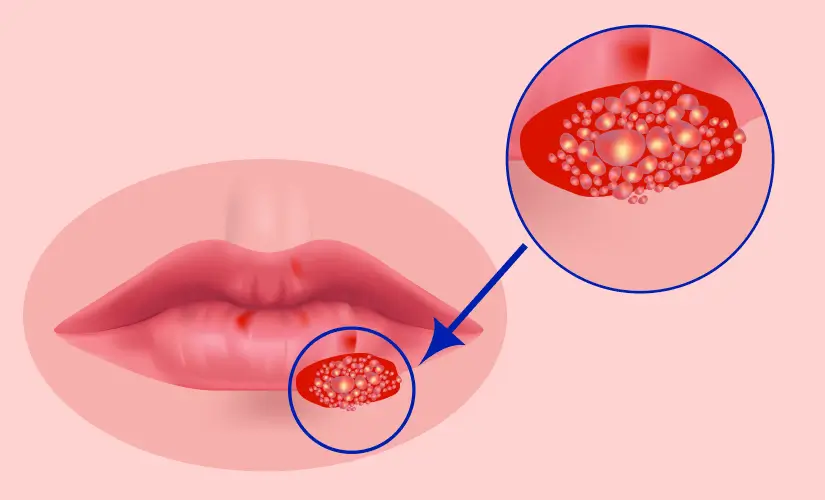
Herpes sores can appear on various parts of the body, most commonly the mouth, genitals, and eyes. These sores usually start as small, fluid-filled blisters that may rupture, ooze, and eventually form a crust before healing. While often uncomfortable and sometimes painful, they are a hallmark of infection with the herpes simplex virus (HSV), a widespread condition affecting billions worldwide. Many people live with HSV without realizing it, as symptoms can be mild or absent.
Herpes is generally a mild viral condition caused by the herpes simplex virus (HSV). Infection occurs after exposure to the virus, which exists in two main forms. Herpes simplex virus type 1 (HSV-1), often referred to as oral herpes, mainly affects the mouth and lips. Herpes simplex virus type 2 (HSV-2), known as genital herpes, primarily affects the genital area. Both types can infect either the face or the genitals and are spread through bodily fluids such as saliva and genital secretions. According to global estimates from health organizations, HSV-1 infects around 64% of people under 50, while HSV-2 affects about 13% in the 15-49 age group. These figures highlight how common the virus is across populations.
Once a person becomes infected, the virus remains in the body permanently, hiding in nerve cells. Symptoms may flare up periodically throughout life due to various triggers. Although outbreaks can be uncomfortable or painful, herpes rarely causes serious health problems in otherwise healthy adults. With proper knowledge and management, most individuals lead normal, fulfilling lives. Understanding the nature of these sores and their locations helps in early recognition, reducing anxiety and promoting effective management strategies.
What Is Herpes Simplex Virus?
Types of HSV: HSV-1 and HSV-2 Differences
Herpes simplex virus comes in two primary types, each with preferred but not exclusive sites of infection. HSV-1 traditionally causes oral infections, leading to cold sores around the mouth, while HSV-2 is more associated with genital ones, resulting in sores in the intimate areas. However, cross-infection is increasingly common, especially through oral-genital contact during sexual activity. In recent years, HSV-1 has been responsible for a growing number of genital herpes cases, particularly among younger people. This overlap means that the type of virus doesn’t strictly dictate the location of outbreaks.
How HSV Is Transmitted
Transmission occurs through direct skin-to-skin contact, even without visible sores, via a process called viral shedding. Kissing, oral sex, and sexual intercourse are common routes of spread. The virus enters the body through mucous membranes or small breaks in the skin, making areas like the mouth and genitals particularly vulnerable. Sharing items like lip balm, towels, or razors can also transmit the virus in rare cases, though this is less common. Importantly, transmission can happen when no symptoms are present, which contributes to its widespread nature.
Lifelong Nature of the Infection
After initial infection, HSV travels along nerve pathways to clusters near the spinal cord or brain, where it remains dormant for life. Reactivation, triggered by factors like stress or illness, causes the virus to travel back to the skin surface, leading to recurrent outbreaks. Though frequency often decreases over time as the immune system adapts and builds better control, some people experience regular flare-ups. There is currently no cure to eliminate the virus entirely, but effective treatments manage symptoms and reduce transmission risks.
Common Symptoms of Herpes Outbreaks
Initial vs. Recurrent Outbreaks
The first outbreak is typically the most severe, often occurring weeks after initial exposure and lasting up to several weeks with intense flu-like symptoms such as fever, headache, and body aches. Recurrent ones are generally milder, shorter in duration, and may involve fewer sores with less systemic involvement. Over time, many people notice that outbreaks become less frequent and intense, sometimes stopping altogether after a few years.
Prodromal Signs Before Sores Appear
Many individuals experience warning signs, known as prodromal symptoms, like tingling, itching, burning, or nerve pain in the affected area hours or even days before blisters form. Recognizing these early signals allows people to start treatment promptly, potentially shortening the outbreak. Prodromal phases are more noticeable in recurrent episodes and vary from person to person.
Progression of Sores and Healing Process
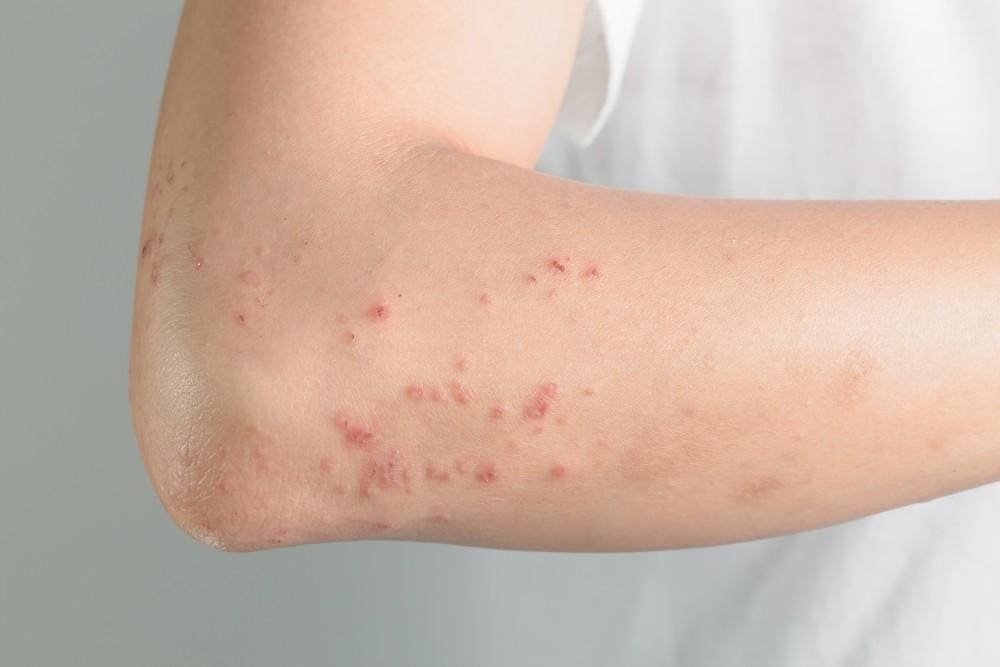
Blisters fill with clear fluid containing high levels of the virus, then burst, ooze, and form painful open ulcers before crusting over and healing without scarring in most cases. The entire process usually takes 7-10 days for recurrences, though initial episodes can extend to 2-4 weeks. Keeping the area clean and dry supports faster healing and reduces infection risk from bacteria.
Oral Herpes: Sores Around the Mouth
Classic Cold Sores on Lips
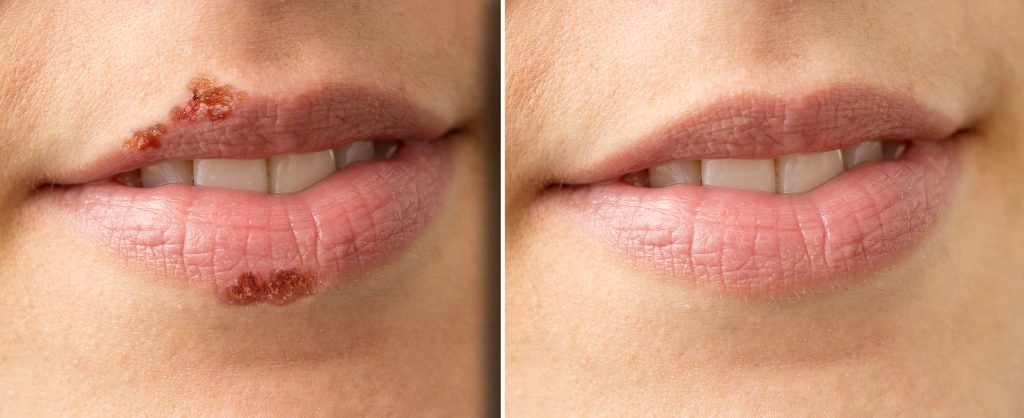
Oral herpes commonly causes blisters on the lips or inside the mouth, often referred to as cold sores or fever blisters. Sores may also appear on the chin, beneath the nose, or on the tongue. They often begin as small red bumps that develop into fluid-filled blisters, which later burst and form a yellowish crust. These outbreaks are triggered by factors like sun exposure or colds, hence the name “cold sores.”
Inside the Mouth and on Gums
Sores can form on the gums, tongue, roof of the mouth, or inner cheeks, causing significant discomfort while eating, drinking, or speaking. In primary infections, especially in children, this can lead to herpetic gingivostomatitis, with widespread mouth sores and difficulty swallowing. Swollen lymph nodes in the neck may occur during an outbreak, adding to the discomfort.
Associated Symptoms Like Swollen Lymph Nodes
Pain, itching, and tenderness accompany oral sores, sometimes with fever, fatigue, or headache in primary infections. These systemic symptoms are more common in the first episode and can mimic other illnesses, leading to misdiagnosis initially.
Genital Herpes: Sores in Intimate Areas
Sores on Vulva, Vagina, and Penis
Vaginal herpes may cause sores on the vulva or inside the vagina, making them difficult to detect without a mirror or medical exam. These sores vary in size and number and resemble pimples or blisters filled with fluid. Penile herpes involves sores on or around the penis, including the shaft, head, or foreskin, starting as bumps that blister and crust. In both cases, the sores can be painful and sensitive.
- Pain during urination is common, especially in women due to urine contacting sores.
- Swollen groin lymph nodes often accompany outbreaks, causing additional tenderness.
- Unusual vaginal or penile discharge or intense itching may precede visible sores.
- Clusters of blisters can merge into larger painful areas, increasing discomfort.
Rectal and Buttock Involvement
Rectal herpes can cause blisters around the anus, buttocks, or upper thighs, sometimes mistaken for hemorrhoids or other conditions. Some individuals may experience anal discomfort, painful bowel movements, bleeding, or difficulty passing stool. This form is more common in those engaging in anal sex.
Pain and Discomfort During Outbreaks
Genital outbreaks can cause significant pain, particularly during the initial episode, affecting daily activities, walking, sitting, and intimacy. Emotional distress, including anxiety or shame, often accompanies physical symptoms, highlighting the need for support and education.
Less Common Locations for Herpes Sores
Herpetic Whitlow on Fingers
Herpetic whitlow is a herpes infection of the fingers, most often seen in children who suck their thumbs or in healthcare workers exposed to oral secretions. One or more painful sores may develop near the fingernail or fingertip. If several sores appear, they can merge into a larger blister and may spread to the nail bed, potentially causing nail changes or loss.
Ocular Herpes Affecting the Eyes
Ocular herpes, also known as herpes keratitis, affects one or both eyes and can involve the cornea, leading to serious complications. Symptoms may include eye pain, sensitivity to light, tearing, redness, gritty feeling, and watery discharge. Medical attention is essential, as untreated infection can cause corneal scarring, recurrent episodes, and lead to blurred vision or permanent vision loss if severe.
Other Rare Sites Like Skin or Throat
In rare cases, HSV can cause sores on other skin areas through direct inoculation, such as in contact sports like wrestling (known as herpes gladiatorum), affecting the chest, ears, face, or arms. Eczema herpeticum is a serious disseminated form in people with eczema, spreading widely over the skin.
Triggers, Treatment, and Prevention of Outbreaks
Common Triggers for Reactivation
Outbreaks can be prompted by various factors that weaken immunity or irritate skin, making the virus more likely to reactivate. Identifying personal triggers is key to prevention.
- Emotional or physical stress and fatigue are among the leading triggers for many.
- Illness, fever, or hormonal changes like those during menstruation or pregnancy.
- Excessive sun exposure, especially to lips, or skin trauma from friction.
- Weakened immune system from conditions like HIV, cancer treatment, or medications.
Antiviral Medications and Management
Antivirals like acyclovir, valacyclovir, or famciclovir are the cornerstone of treatment, taken episodically to shorten outbreaks or daily as suppressive therapy to reduce frequency and transmission. Over-the-counter pain relievers and topical creams can ease discomfort. Consulting a healthcare provider ensures the right regimen.
Lifestyle Tips to Reduce Frequency
Maintaining a healthy lifestyle helps minimize recurrences and improve overall well-being.
- Prioritize adequate sleep, regular exercise, and stress management techniques like meditation.
- Eat a balanced diet rich in immune-boosting nutrients such as lysine, vitamins C and E.
- Avoid known personal triggers, like using lip balm with sunscreen for oral herpes.
- Use condoms and dental dams during intimacy, and disclose status to partners to prevent spread.
FAQs
Can herpes sores appear anywhere on the body?
Yes, though most common on mouth and genitals, they can occur on eyes, fingers, or other skin areas through direct contact.
Is herpes curable?
No, the virus remains lifelong, but symptoms are treatable and outbreaks often decrease over time.
How is herpes transmitted without sores?
Through asymptomatic viral shedding, where the virus is active on skin without visible symptoms.
What should I do if I suspect ocular herpes?
Seek immediate medical attention to prevent vision complications.
Can stress cause herpes outbreaks?
Yes, stress is a common trigger for reactivation.
Are cold sores the same as genital herpes?
They are caused by the same viruses (HSV-1 or HSV-2), but locations differ; cross-infection is possible.
How effective are antiviral medications?
They significantly shorten outbreaks and can reduce recurrences by up to 70-80% with daily use.
Is it safe to have sex during an outbreak?
No, risk of transmission is highest; abstain until fully healed.
Conclusion
Herpes sores, while often distressing, are a manageable aspect of a common viral infection affecting billions globally. With proper understanding of symptoms, locations, and triggers, individuals can effectively reduce outbreak frequency through medication, lifestyle adjustments, and open communication. Advances in treatment continue to improve quality of life, emphasizing that herpes does not define one’s health or relationships. Seeking professional medical advice ensures personalized care and peace of mind.
