


In early February 2026, U.S. President Donald J. Trump declared that recent diplomatic engagements between American representatives and Iranian officials were “very good” characterizing a tone shift in a fraught relationship that has for decades swung between confrontation and negotiation. According to Trump, these discussions, conducted indirectly and mediated by Oman, have set the stage for further negotiations as soon as early next week.
The announcement marks the first substantive engagement between Washington and Tehran since a recent regional conflict involving U.S. and Israeli military action against Iranian nuclear sites heightened tensions and shattered previous diplomatic frameworks.
This development has drawn international attention not only because of the longstanding U.S.–Iran adversarial history but also due to its potential impact on regional stability, nuclear non-proliferation, and global geopolitical balances.
Background: A History of Conflict and Diplomacy
To understand the significance of these latest talks, it’s essential to review the broader U.S.–Iran relationship:
The 2015 Nuclear Deal and U.S. Withdrawal
In 2015, Iran and major world powers reached a landmark agreement — the Joint Comprehensive Plan of Action (JCPOA) — limiting Iran’s nuclear program in return for sanctions relief. However, in 2018, President Trump withdrew the United States unilaterally and reimposed severe economic sanctions, significantly increasing tensions.
Escalating Tensions and Conflict
Over the subsequent years, confrontations escalated through military skirmishes, proxy conflicts in the Middle East, and mutual accusations of undermining regional stability. Most recently, in 2025, U.S. and Israeli forces attacked Iranian nuclear facilities during a brief conflict, marking one of the sharpest escalations since the 1979 Iranian Revolution.
The Return to Talks
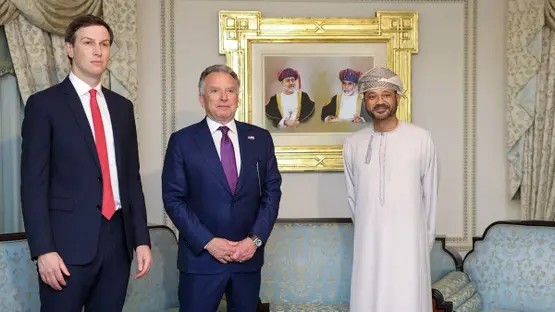
After months of rising hostilities and international concern, Iranian and U.S. envoys met in Muscat, Oman, in February 2026, facilitated by the Omani government. The talks were indirect, meaning U.S. and Iranian representatives did not meet face-to-face, but instead exchanged positions through intermediaries.
What Trump Actually Said
On Friday, February 6, 2026, President Trump spoke to reporters aboard Air Force One following a day of indirect talks in Muscat. His key statements included:
- The talks were “very good.” Trump said the discussions between U.S. negotiators and Iran had been positive.
- More negotiations are expected. Trump said additional rounds of negotiations were likely to occur early next week.
- Iran appears interested in a deal. Trump indicated that Tehran “looks like they want to make a deal very badly.”
- No rush for a deal. Despite saying the talks were progressing, Trump emphasized that the U.S. was “in no rush” to conclude an agreement.
Importantly, Trump also reiterated a warning: if Iran does not make acceptable concessions, “the consequences are very steep.” This hints at continued pressure including economic sanctions and a sustained military posture in the region as leverage should talks stall.
Iran’s Response and Position
Iranian officials also spoke publicly about the talks:
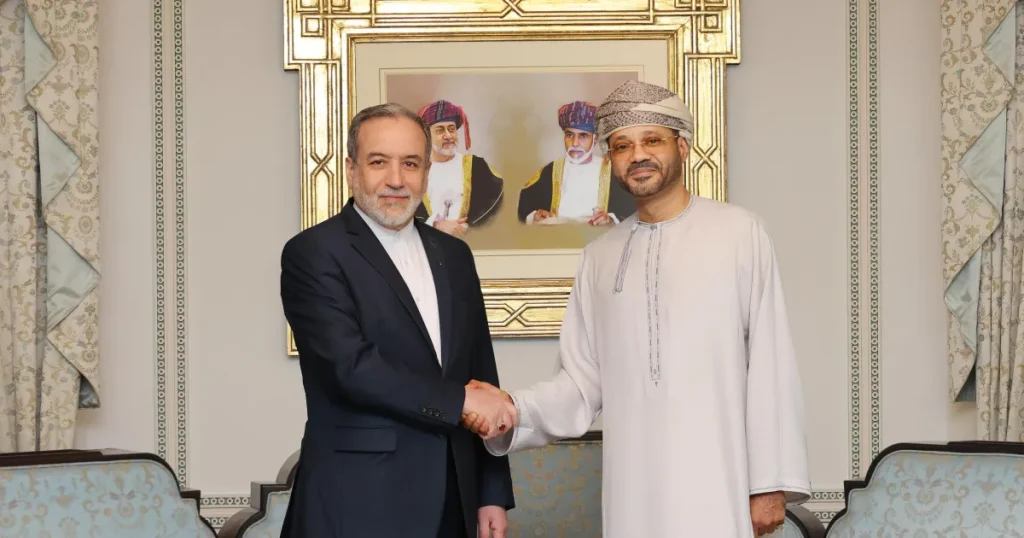
- Foreign Minister Abbas Araghchi called the Muscat discussions a “good start” and described the atmosphere as generally positive.
- Iranian state media emphasized that the talks focused primarily on Iran’s nuclear program, reflecting Tehran’s insistence that negotiations remain strictly within that domain — and avoid topics such as ballistic missiles, regional proxy groups, or domestic governance issues.
- Iranian authorities signaled willingness to continue negotiations but stressed the need for sanctions relief, which remains a central Iranian demand.
This nuanced stance conveys cautious optimism, balanced with firm red lines a recurring theme in Tehran’s diplomatic posture.
The Role of Oman and Mediation Dynamics
The Sultanate of Oman has long played a quiet but pivotal role in U.S.–Iran communication. In this recent round:
- Omani officials acted as intermediaries, shuttling messages and proposals between the two delegations without direct contact between U.S. and Iranian representatives.
- Oman’s foreign minister stressed the talks helped clarify both sides’ thinking and identified potential areas for progress.
This diplomatic facilitation underscores how Gulf states, particularly Oman, remain important buffers and brokers in a region marked by fragmentation and rivalry.
Strategic Context: Military Posture and Sanctions
While diplomacy has resumed, the broader geopolitical backdrop remains tense:
U.S. Military Presence
The United States has deployed a naval strike group, including an aircraft carrier, to waters near Iran, and reinforced air defenses across key regional bases.
Sanctions and Economic Pressure
Simultaneously, the U.S. announced new sanctions targeting shipping entities and vessels, aimed at curbing Iran’s oil exports a principal revenue source.
Regional Responses
Israeli Prime Minister Benjamin Netanyahu is scheduled to meet Trump in Washington, where discussions are expected to closely focus on Iran, highlighting how U.S. diplomacy with Tehran affects broader Middle Eastern alliances.
These factors illustrate the dual tracks of diplomacy and deterrence: talks continue, but military and economic levers remain active.
Why These Talks Matter
To grasp the significance of this diplomatic turn, consider the implications:
Nuclear Non-Proliferation
Iran’s nuclear program has long been a flashpoint for international security. A breakthrough here could revive or replace elements of the 2015 nuclear deal — potentially reducing the risk of nuclear escalation. However, the specifics remain elusive, especially given Tehran’s refusal to halt uranium enrichment entirely.
Regional Stability
The Middle East has endured cycles of wars, proxy conflicts, and political upheaval. Progress in U.S.–Iran negotiations could ease tensions in hotspots from Iraq to Yemen to Lebanon — though much depends on how broadly agreements are framed.
Global Energy Markets
Iran is a key oil producer. Sanctions relief or continued disruption affects global energy prices and supply chains — with economic effects reaching far beyond the region.
U.S. Foreign Policy
Trump’s approach combines strong rhetoric and military pressure with renewed diplomatic engagement a blend that departs from more conventional, purely negotiation-focused strategies.
Challenges and Obstacles
Despite positive rhetoric, obstacles remain:
Trust Deficits
Years of conflict — including military strikes and sanctions — have deepened mistrust. Iranian officials have stressed that threats and pressure hinder diplomatic progress.
Limited Negotiation Scope
Tehran insists the talks focus only on its nuclear activities, rejecting U.S. attempts to include ballistic missiles, regional influence, or other security concerns. This narrow scope complicates efforts to craft comprehensive agreements.
Regional Ally Concerns
Countries such as Israel and Saudi Arabia view Iran’s nuclear and missile capabilities as existential threats, complicating Washington’s diplomatic balancing act.
Expert Commentaries and Analysis
Analysts are divided on what this “very good” talk really signifies:
- Some see it as a breakthrough in diplomatic channels, encouraging because it breaks years of silence and sets up continued engagement.
- Others caution that the absence of direct talks and the continued use of sanctions and military deterrence indicate a fragile and transactional relationship, not a deep rapprochement.
Regional experts have pointed out that Oman’s mediating role is crucial, as it allows both sides to maintain face while testing the diplomatic waters. Gulf partners are also keen to prevent a wider war that would disrupt economies and alliances.
Read More: US, India unveil interim trade framework, move closer to broad pact
FAQs
What does “indirect” talks mean?
In this context, indirect talks mean U.S. and Iranian officials did not meet directly. Instead, mediators — in this case, Omani diplomats — exchanged messages, proposals, and responses between the two sides.
Are these talks the first of their kind?
No, there have been prior rounds of negotiations in previous years. However, this is the first substantive engagement between the U.S. and Iran since the conflict involving U.S. and Israeli strikes on Iranian nuclear sites last year.
What is the main issue on the table?
The primary issue remains Iran’s nuclear program and international concerns about its potential to produce nuclear weapons. Iran insists its program is peaceful and wants sanctions relief in return for limits and inspections.
Has Iran agreed to stop enriching uranium?
Not yet. Iran continues enrichment and has refused to halt it completely, which remains a core point of contention with the U.S.
What are the stakes if these talks fail?
Failure could heighten risks of military confrontation, further sanctions, economic instability, and broader regional conflict. Trump has warned of “steep consequences” if an agreement isn’t reached.
Conclusion
President Trump’s description of U.S.–Iran talks as “very good” reflects a tentative but meaningful step toward reviving diplomacy between two historical adversaries. However, beneath the optimistic language lies a complex blend of caution, pressure, and ongoing strategic competition. These negotiations do not yet signify a comprehensive peace deal or a full revival of the nuclear framework that existed under the 2015 JCPOA. Rather, they indicate a mutual willingness to engage, test boundaries, and potentially incrementally progress toward a broader understanding while keeping significant military and economic pressures in place.
