


killing protesters surprising turn of events on January 14–15, 2026, U.S. President **Donald Trump announced that he had received assurances that the Iranian government had halted the killing of anti-government protesters and that executions would not take place, even as Tehran reopened its airspace following a brief closure.
The development comes amid weeks of intense unrest in Iran, sparked by nationwide protests against the Islamic Republic’s leadership. The crisis has drawn global attention due to the scale of the demonstrations, allegations of violent repression by Iranian authorities, mounting international pressure, and the looming specter of U.S. military involvement.
This article breaks down what has happened, why these comments matter, how the airspace reopening fits into the broader geopolitical landscape, and what analysts, governments, and ordinary Iranians are saying. It also examines responses from Iran’s leadership, regional implications, and international diplomatic reactions.
The Background: Unrest in Iran and Rising Tensions
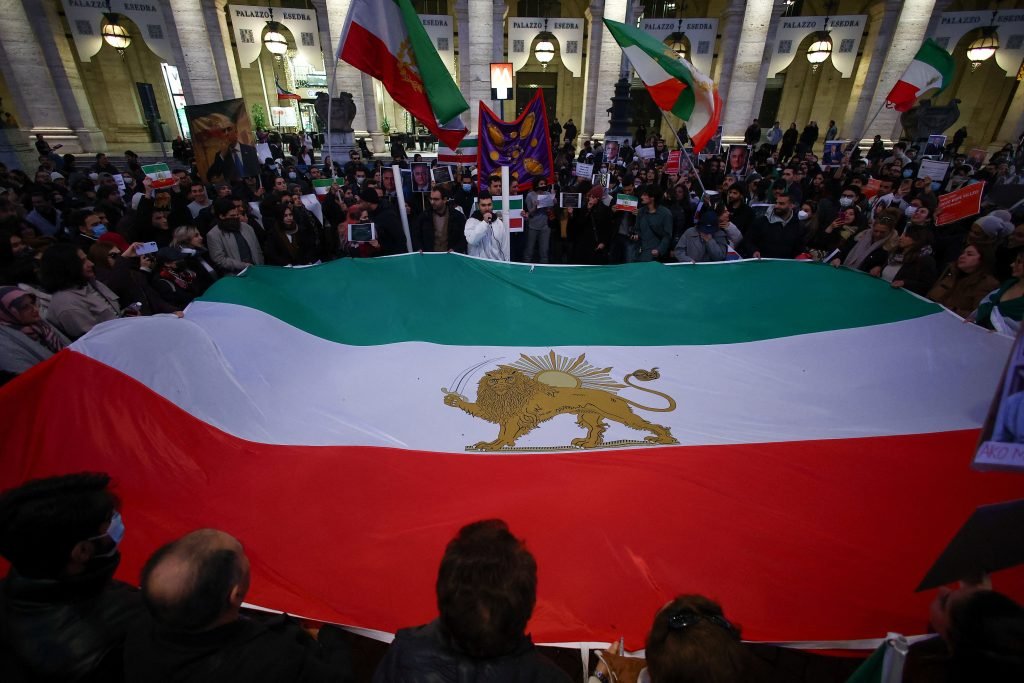
Since late 2025, Iran has been rocked by some of the most sustained anti-government protests in decades. Millions of Iranians have taken to the streets demanding political reforms, economic relief, and respect for human rights. The demonstrations were met with a violent crackdown by security forces, according to human rights organizations and independent observers.
Amid reports that thousands of protesters had been killed and many more detained, international condemnation grew. Tehran occasionally restricted communications and even closed its own airspace, disrupting flights as tensions threatened to spill over into a larger confrontation with the United States and U.S. allies.
President Trump, facing global scrutiny of U.S. policy toward Iran, had publicly threatened “very strong action” if Tehran continued lethal suppression, including possible unspecified military responses.
Trump’s Statement: “Killing Has Stopped”
killing protesters At a White House press event, Trump stated that he had been informed by “very important sources on the other side” that Iranian authorities had halted the killings of protesters and that planned executions would not proceed as expected.
Specifically, Trump said that:
- He had been assured that the killing of protesters had stopped.
- Assurances also indicated that planned executions would not take place.
- He would “watch it and see” how the situation evolves, including whether military action remained on the table.
Importantly, Trump did not provide detailed verification of the information and acknowledged U.S. officials had yet to independently confirm every aspect of the claim.
Iranian Government Response
Iranian Foreign Minister Abbas Araghchi also weighed in, stating that “hanging is out of the question,” and that there were “no plans for executions.” His comments, made on U.S. television, were intended to convey that Tehran was not pursuing capital punishment for detained protesters.
Though these statements suggest a de-escalation in official rhetoric, some international observers remain cautious, noting that official declarations may not always align with actions on the ground.
Reopening Iranian Airspace: Symbol and Practical Impact
Iran’s airspace had been temporarily closed, a move that disrupted flights and fueled concerns of a broader escalation, including possible military confrontation. However, the skies over Iran were reopened after hours of closure, easing immediate disruption to commercial aviation.
The reopening holds both symbolic and practical significance:
- Symbolically, it indicates a lowering of immediate tension and a brief return to normalcy.
- Practically, it allows airlines to resume scheduled flight paths, reducing delays and economic spillovers from the crisis.
Nevertheless, these moves do not fully eliminate concern, as airspace closures are often used in geopolitical crises to signal readiness or deter external forces.
On the Ground: The Human Toll of the Protests
Human rights groups and independent monitoring organizations have placed the death toll in the thousands, with reports of heavy casualties among demonstrators and detainees. Families of detaineessuch as Erfan Soltani, an Iranian protester believed to have once been sentenced to death were briefly uncertain about his fate, with executions postponed amid international scrutiny.
In diaspora communities, Iranian expatriates have expressed deep anxiety over the safety of their relatives amid communication blackouts and continued arrests.
These personal stories underline that, beyond the geopolitical chess game, ordinary people are facing profound risks, deepening the urgency for credible and verifiable peace measures.
International Responses and Diplomatic Chess
United Nations and Global Powers
The United Nations Security Council scheduled briefings at the request of the United States to discuss the situation in Iran, reflecting concerns about human rights and regional stability.
Meanwhile, the G7 foreign ministers issued statements signaling readiness to impose additional restrictive measures if violence against protesters and arbitrary detentions continued.
U.S. and Allied Posture
While Trump’s recent comments suggested that military confrontation was not imminent, U.S. forces took precautionary measures, including advising personnel evacuations from bases in the region and repositioning assets.
Allied nations, including the UK, temporarily closed or limited operations at their embassies in Tehran due to safety concerns.
Economic Indicators
Markets reacted to the reduction in perceived risk: oil prices dipped after Trump’s remarks about the situation easing, illustrating how geopolitical developments can instantly affect global commodities.
Perspectives: Analysts, Critics, and Advocates
Skepticism and Verification Challenges
Many analysts have stressed caution, pointing out that:
- Trump’s assurance relies on unverified sources, without detailed public evidence.
- Iranian state statements may be aimed at reducing external pressure without guaranteeing internal policy change.
Human rights advocates argue that while public declarations are a positive step, independent verification of the situation on the ground remains crucial. They highlight continued reports of detention, intimidation, and communication shutdowns as evidence that the crisis is not fully resolved.
Regional Geopolitics: A Complex Chessboard
Iran’s strategic position in the Middle East, bordering U.S. allies, proximate to oil transit routes, and embedded in broader sectarian and geopolitical rivalries means the unrest has implications beyond its borders. Some neighboring states have been monitoring the situation closely, wary of spillover effects and shifts in regional balances.
The possibility of U.S. retaliation or sanctions has also shaped Tehran’s calculus, at least outwardly. While Trump has signaled willingness to “watch and see,” analysts note that diplomatic and military options remain on the table, influencing Iran’s public statements and tactical decisions.
Key Dimensions of the Crisis
What Trump Claimed and Why It Matters
Trump’s statement that he was assured the killing of Iranian protesters had stopped and executions were canceled, represents a temporary rhetorical de-escalation that could pave the way for diplomatic engagement or continued international pressure, rather than direct military confrontation.
Tehran’s Public Position: Denial of Planned Executions
Iran’s foreign minister asserted that there were no plans for executions, framing the situation as calmer and under control. This choice of public rhetoric appears designed to reduce external pressure and project confidence internally.
Reopened Airspace: Easing Tension, Not Eliminating It
While the reopening of airspace may reduce logistical disruption and panic about broader conflict, it does not by itself guarantee a complete de-escalation of the political crisis or violence within Iran.
Human Rights Under Scrutiny
International organizations remain focused on verifying reports of casualties, arbitrary detentions, and the treatment of protesters. Families of detainees continue to seek transparency and accountability.
Diplomatic Response and Global Stakes
From United Nations briefings to G7 foreign ministers’ statements, the crisis has drawn sustained global engagement, underscoring the international community’s stake in both human rights and geopolitical stability.
Read More: Everything new in Livewire 4
FAQs
Has Iran really stopped killing protesters?
President Trump stated that he was assured by credible sources that killings had halted, but independent verification from reliable international observers is still limited. Iran’s foreign minister also denied plans for executions, but skepticism remains among human rights advocates.
Why did Iran close its airspace, and why was it reopened?
Iran briefly shut its airspace amid heightened tensions, possibly as a precautionary response to military threats. The airspace was reopened after several hours, which eased international travel disruptions and acted as a signal that immediate escalation might be unwinding.
Are U.S. military actions against Iran imminent?
Trump’s comments indicated ongoing monitoring, and while military action was not ruled out, the recent statements suggested a possible preference for diplomatic or economic pressure over immediate force.
What role have other countries played?
Countries including the UK temporarily altered embassy operations in Tehran, and various governments have issued travel advisories or urged citizens to leave Iran. The UN and G7 have engaged diplomatically and discussed potential sanctions.
How has the crisis affected global markets?
Trump’s announcement that tensions appeared to ease contributed to a dip in oil prices, reflecting market sensitivity to geopolitical instability.
Conclusion
President Trump’s announcement that he had been assured that Iran had stopped killing protesters and that executions would not occur represents a momentary thaw in one of the most volatile international crises of 2026. Coupled with the reopening of Iranian airspace, the developments have eased some immediate fears of escalation and military confrontation.
