


For centuries, ginger has been prized across cultures as a powerful natural remedy. From easing nausea and calming the stomach to supporting immune health and reducing inflammation, this knobby root has earned a reputation as one of nature’s most versatile healing foods.
But one common question continues to puzzle health-conscious eaters: Is there a best time of day to eat ginger for digestion and energy?
The short answer is: there’s no single “perfect” time. However, emerging research and expert consensus suggest that how and when you consume ginger—especially around meals—can significantly influence its digestive and energy-related benefits.
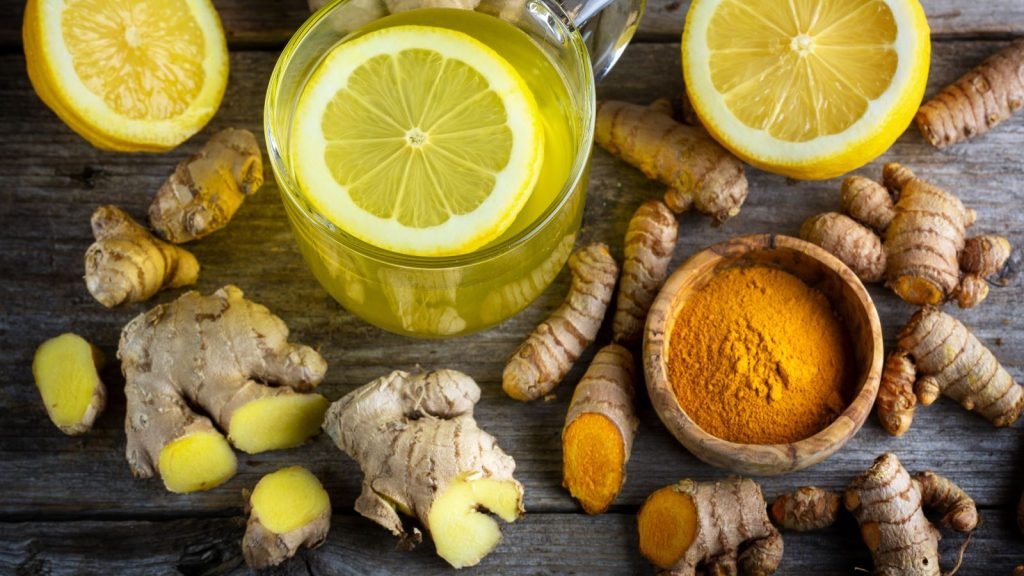
Why Ginger Has Such a Powerful Effect on the Body
Ginger (Zingiber officinale) contains bioactive compounds called gingerols and shogaols, which are responsible for its distinctive taste and therapeutic properties. These compounds interact with the digestive system, blood sugar regulation, inflammation pathways, and even gut motility.
Traditionally used in Ayurvedic and Chinese medicine, ginger has long been associated with:
- Digestive comfort
- Relief from nausea and bloating
- Improved circulation
- Reduced inflammation
- Enhanced metabolic function
Modern science is now validating many of these traditional claims.
Is There a Best Time of Day to Eat Ginger?
According to nutrition experts, there is no single best time of day to consume ginger that works for everyone. Instead, the benefits depend largely on why you’re consuming it.
“Scientists haven’t studied ginger timing in a way that allows us to prescribe an exact schedule,” says Jane Leverich, MS, RDN, a Denver-based registered dietitian and culinary nutrition expert. “That said, the best evidence we do have suggests that ginger is most effective when consumed shortly before or with a meal.”
This timing allows ginger to work alongside the digestive process, rather than after discomfort has already begun.
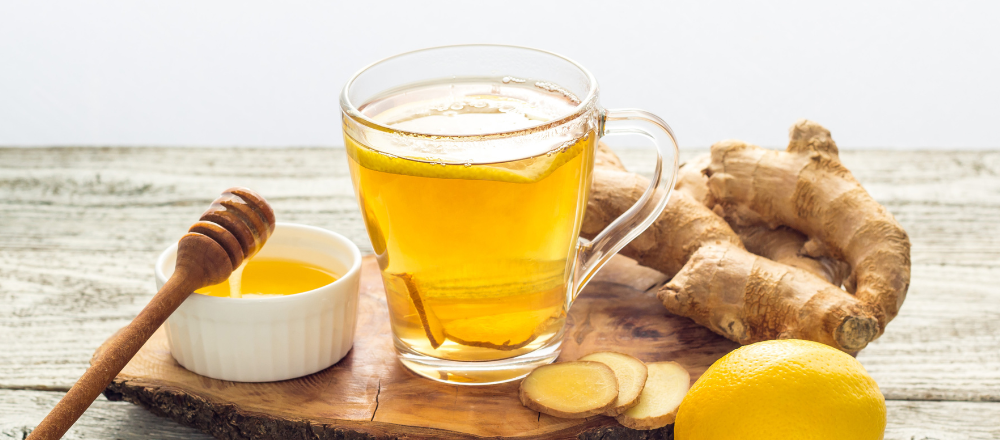
Why Ginger Works Best Before or With Meals
Supporting the Digestive Process From the Start
When ginger is consumed shortly before or during a meal, it may:
- Stimulate digestive enzymes
- Enhance gut motility
- Reduce nausea and bloating
- Improve gastric emptying (how quickly food moves from the stomach)
Although research on gastric emptying is still evolving, several studies suggest ginger may help food move more efficiently through the stomach, especially after heavy meals.
“Ginger has anti-inflammatory and antioxidant properties that help calm the digestive system,” says Meena Malhotra, MD, a functional and integrative medicine physician and medical director at Heal n Cure.
Ginger and Energy: What’s the Real Connection?
Unlike caffeine or sugar, ginger does not act as a stimulant. Yet many people report feeling more energized after consuming it. Why?
The Energy Boost Is Indirect
Experts agree that ginger’s energy benefits are secondary effects, not direct stimulation.
“When people report feeling more energized after consuming ginger, it’s likely due to steadier blood sugar, improved digestion, or increased satiety—not because ginger acts as a stimulant,” Leverich explains.
Dr. Malhotra adds that ginger may help regulate blood sugar levels when consumed with meals.
“Having it with meals can help prevent blood sugar spikes and crashes, which are a common cause of post-meal fatigue.”
In short: better digestion = more stable energy.
Read More: Baobab Benefits: Top 10 Benefits of Baobab
Ginger Timing for Different Goals
For Digestive Comfort
Best time: 10–20 minutes before meals or during meals
Why: Helps prepare the gut for digestion and reduces bloating
For Energy Support
Best time: With meals, especially breakfast or lunch
Why: Supports blood sugar balance and reduces post-meal sluggishness
For Nausea Relief
Best time: As needed, even on an empty stomach
Why: Ginger’s anti-nausea effects don’t depend on food timing
For Inflammation Support
Best time: Consistently throughout the day
Why: Anti-inflammatory effects build over time
Meal Size and Composition Matter
Not all meals impact digestion equally—and ginger’s effectiveness can vary accordingly.
Larger or Heavier Meals
Ginger may be especially helpful when meals are:
- High in fat
- High in fiber
- Large in volume
“These meals move more slowly through the GI tract,” Leverich explains. “Ginger taken before or with the meal may be more effective because it helps stimulate gut motility right when digestion begins.”
Smaller Meals or Snacks
With lighter meals, timing is less critical. Ginger’s benefits will still be present but may be subtler.
Fresh vs. Dried Ginger: Does It Matter?
Yes—the form of ginger you consume can significantly influence its effects.
Fresh Ginger
- Higher in gingerols
- Best for digestion and bloating
- Ideal for teas, grated into meals, or smoothies
Dried or Ground Ginger
- Contains more shogaols
- Stronger anti-inflammatory and anti-nausea effects
- Less impact on gastric emptying
“When ginger is dried or heated, gingerols convert into shogaols,” Leverich notes. “Both have benefits, but they act slightly differently in the body.”
Ginger Tea vs. Whole Ginger Root
Ginger Tea
- Gentle on the stomach
- Easy to digest
- Ideal before meals or after heavy eating
Whole or Grated Ginger
- More potent
- Best for active digestive support
- Can be added to meals directly
For digestion, fresh ginger tea made from sliced root may offer the best balance of potency and gentleness.
How Much Ginger Is Ideal?
Most studies suggest:
- 0.5–2 grams per serving
- Up to 4 grams per day is generally considered safe for healthy adults
More is not always better. Excessive ginger may cause:
- Heartburn
- Mouth irritation
- Digestive discomfort in sensitive individuals
Who Should Be Cautious With Ginger?
While ginger is safe for most people, caution is advised for those who:
- Take blood-thinning medications
- Have gallstones
- Experience acid reflux triggered by spicy foods
Always consult a healthcare provider if you have medical conditions or take prescription medications.
FAQs
Is it better to take ginger in the morning or evening?
There’s no universal rule. Morning ginger may support digestion and energy, while evening ginger tea may aid digestion after dinner.
Can ginger replace coffee for energy?
No. Ginger does not stimulate the nervous system like caffeine, but it may help you feel less fatigued by improving digestion and blood sugar balance.
Can ginger be taken on an empty stomach?
Yes, especially for nausea relief. However, those with sensitive stomachs may prefer taking it with food.
Is ginger good for bloating after meals?
Yes. Ginger may help reduce bloating by improving gut motility and calming inflammation.
Is fresh ginger better than supplements?
For digestion, fresh ginger is often more effective. Supplements may be useful for convenience or inflammation support.
Can I take ginger every day?
Yes, in moderate amounts. Daily intake may provide cumulative digestive and anti-inflammatory benefits.
Does ginger help with weight loss?
Indirectly. Ginger may support satiety, digestion, and blood sugar control, which can assist weight management.
Practical Ways to Add Ginger to Your Routine
- Fresh ginger tea before meals
- Grated ginger in stir-fries or soups
- Ginger added to smoothies
- Fresh slices infused in warm water
- Lightly cooked ginger with vegetables
Consistency matters more than precise timing.
Conclusion
There may be no single “best” time to eat ginger, but consuming it shortly before or with meals appears to maximize its digestive benefits, while supporting steadier energy levels throughout the day. Rather than acting as a stimulant, ginger works behind the scenes helping your digestive system function more efficiently, calming inflammation, and supporting balanced blood sugar. These effects combine to help you feel lighter, more comfortable, and naturally energized.
