


Cervical cancer remains one of the most preventable yet deadly cancers affecting women worldwide. Each year, hundreds of thousands of women are diagnosed with this disease, and many lose their lives—often due to late detection, limited access to screening, or lack of awareness about prevention. The cervical cancer vaccine, commonly known as the HPV (Human Papillomavirus) vaccine, has transformed the global fight against cervical cancer by offering powerful, long-term protection before cancer ever develops.
This article provides a comprehensive, easy-to-understand, and evidence-based overview of the cervical cancer vaccine. It explores how the vaccine works, who should receive it, its safety and effectiveness, global and regional perspectives, myths and facts, and the critical role it plays in protecting women’s health. A detailed FAQ section and conclusion bring clarity to common concerns and reinforce why vaccination is a lifesaving choice.
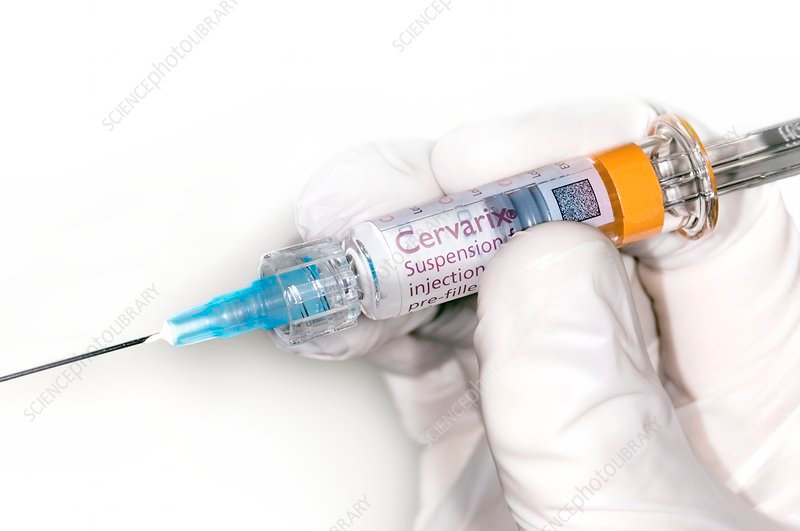
Understanding Cervical Cancer
What Is Cervical Cancer?
Cervical cancer develops in the cells of the cervix—the lower part of the uterus that connects to the vagina. It usually progresses slowly, beginning with precancerous changes that can take years to turn into invasive cancer. Because early stages often show no symptoms, cervical cancer is frequently detected late, when treatment becomes more difficult.
How Common Is Cervical Cancer?
Cervical cancer is among the most common cancers affecting women, particularly in low- and middle-income countries. Limited access to screening programs and vaccines contributes to higher mortality rates in these regions. Despite being largely preventable, cervical cancer continues to claim lives due to gaps in healthcare access and awareness.
Symptoms of Cervical Cancer
In early stages, cervical cancer may not cause noticeable symptoms. As the disease progresses, symptoms may include:
- Abnormal vaginal bleeding
- Bleeding after intercourse
- Pelvic pain
- Pain during sexual activity
- Unusual vaginal discharge
By the time these symptoms appear, the cancer may already be advanced—highlighting the importance of prevention.
The Role of Human Papillomavirus (HPV)
What Is HPV?
Human Papillomavirus (HPV) is a group of more than 200 related viruses. It is extremely common and spreads primarily through intimate skin-to-skin contact, most often during sexual activity. Most people will be infected with HPV at some point in their lives, often without knowing it.
HPV and Cervical Cancer
Not all HPV types cause cancer, but certain high-risk HPV strains, particularly HPV-16 and HPV-18, are responsible for approximately 70% of cervical cancer cases worldwide. Persistent infection with these high-risk strains can lead to abnormal cell changes and, eventually, cancer.
Other Cancers Linked to HPV
HPV is also linked to other cancers, including:
- Anal cancer
- Oropharyngeal (throat) cancer
- Vaginal and vulvar cancers
- Penile cancer
This means the HPV vaccine provides broader protection beyond cervical cancer.
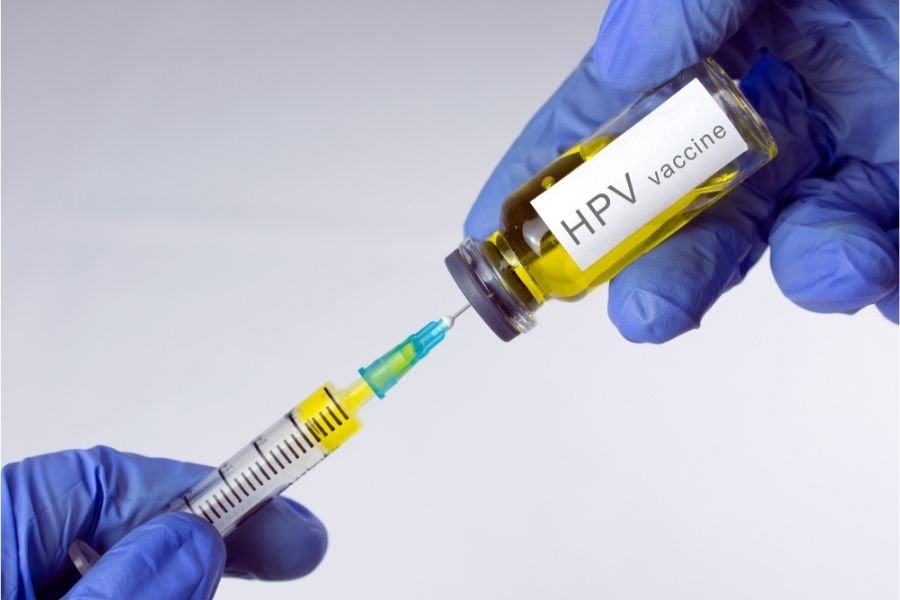
What Is the Cervical Cancer (HPV) Vaccine?
Definition and Purpose
The cervical cancer vaccine is designed to protect against the most dangerous types of HPV that cause cervical cancer and other HPV-related cancers. It works by stimulating the immune system to recognize and fight the virus before it can cause infection.
Types of HPV Vaccines
Several HPV vaccines have been developed, including:
- Bivalent vaccine – Protects against HPV-16 and HPV-18
- Quadrivalent vaccine – Protects against HPV-16, HPV-18, and two low-risk types that cause genital warts
- 9-valent vaccine – Protects against nine HPV types, offering the broadest protection
The 9-valent vaccine is now the most widely used due to its expanded coverage.
How the Cervical Cancer Vaccine Works
Immune System Response
The vaccine contains virus-like particles that resemble HPV but do not contain live virus. This means the vaccine cannot cause infection. Instead, it trains the immune system to recognize HPV and produce antibodies that prevent future infection.
Long-Term Protection
Studies show that the HPV vaccine provides long-lasting protection for many years, with no evidence of immunity wearing off. Ongoing research continues to monitor its durability, but current data strongly support its long-term effectiveness.
Who Should Get the Cervical Cancer Vaccine?
Recommended Age Groups
The vaccine is most effective when given before exposure to HPV, which is why it is recommended at a young age.
- Girls and boys aged 9–14: Ideal age for vaccination
- Adolescents aged 15–26: Still strongly recommended
- Adults aged 27–45: May benefit after consultation with a healthcare provider
Why Vaccinate Boys Too?
While cervical cancer affects women, vaccinating boys helps:
- Prevent HPV-related cancers in men
- Reduce HPV transmission
- Provide herd immunity
HPV vaccination is a public health measure that benefits everyone.
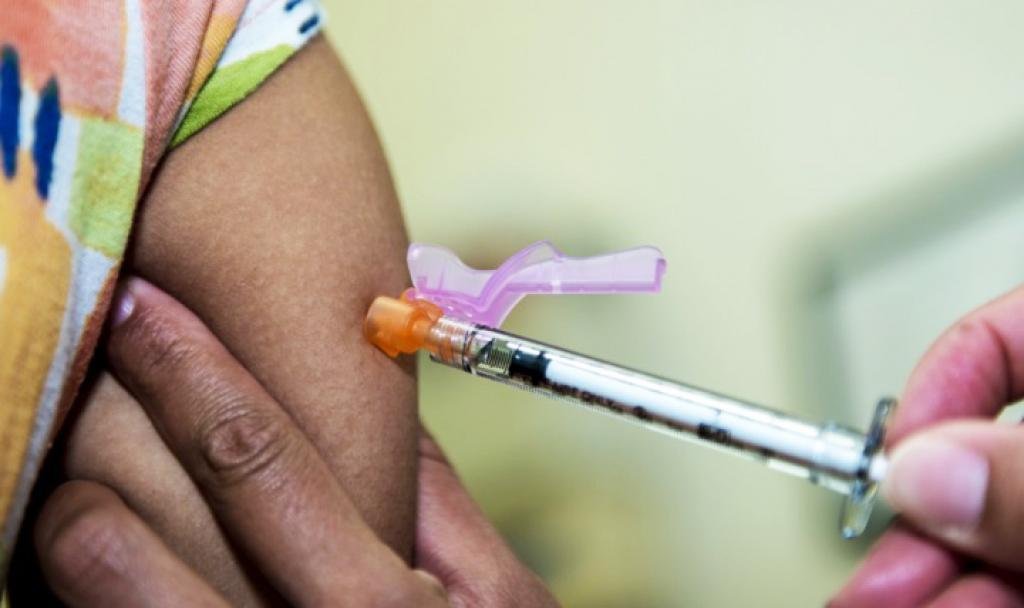
Dosage and Vaccination Schedule
Standard Schedule
- Ages 9–14: Two doses (6–12 months apart)
- Ages 15 and above: Three doses over six months
Following the recommended schedule ensures optimal protection.
Safety of the Cervical Cancer Vaccine
Is the Vaccine Safe?
Yes. The HPV vaccine has been extensively studied and monitored worldwide. Millions of doses have been administered globally, making it one of the most rigorously tested vaccines in history.
Common Side Effects
Most side effects are mild and temporary, including:
- Pain or swelling at the injection site
- Mild fever
- Headache
- Fatigue
Serious side effects are extremely rare.
Addressing Safety Concerns
Scientific evidence consistently shows no link between the HPV vaccine and infertility, autoimmune diseases, or serious long-term health problems. Global health organizations strongly endorse its safety.
Effectiveness of the Cervical Cancer Vaccine
Reduction in HPV Infections
Countries with high vaccination coverage have seen dramatic declines in HPV infections and precancerous cervical lesions.
Impact on Cervical Cancer Rates
Long-term studies show significant reductions in cervical cancer cases among vaccinated populations, proving the vaccine’s real-world effectiveness.
Cervical Cancer Vaccine and Screening
Does Vaccination Replace Pap Smears?
No. While the vaccine offers powerful protection, it does not cover all cancer-causing HPV types. Regular cervical screening (Pap smears or HPV tests) remains essential, even for vaccinated women.
A Combined Approach
The most effective strategy to eliminate cervical cancer includes:
- HPV vaccination
- Regular screening
- Early treatment of precancerous changes
Global and Regional Perspectives
Global Efforts to Eliminate Cervical Cancer
International health organizations aim to eliminate cervical cancer as a public health problem through widespread vaccination, screening, and treatment.
Challenges in Developing Countries
Barriers include:
- Limited vaccine availability
- Lack of awareness
- Cultural misconceptions
- Healthcare access issues
Expanding education and vaccination programs is crucial to saving lives.
Myths and Misconceptions About the Cervical Cancer Vaccine
Myth 1: The Vaccine Encourages Early Sexual Activity
There is no evidence to support this claim. The vaccine protects health it does not influence behavior.
Myth 2: Only Sexually Active Women Need It
The vaccine is most effective before sexual activity begins, making early vaccination essential.
Myth 3: Natural Immunity Is Better
Natural HPV infection does not provide reliable or long-lasting protection and carries cancer risk. Vaccination is safer and more effective.
Read More: The Best Time To Eat Ginger for Digestion and Energy
Benefits of the Cervical Cancer Vaccine
- Prevents most cervical cancer cases
- Reduces healthcare costs
- Saves lives
- Protects future generations
- Supports women’s long-term health and wellbeing
FAQs
What age is best for the cervical cancer vaccine?
The ideal age is between 9 and 14 years, before exposure to HPV.
Can married or sexually active women get the vaccine?
Yes. While it may be less effective after HPV exposure, it can still offer protection.
Is the vaccine safe during pregnancy?
Vaccination is not recommended during pregnancy, but it is safe to receive before or after.
Does the vaccine cause infertility?
No. There is no scientific evidence linking the HPV vaccine to infertility.
Do vaccinated women still need Pap smears?
Yes. Screening remains essential for early detection.
How long does protection last?
Current evidence shows long-lasting protection for many years, with no booster currently required.
Can men get the HPV vaccine?
Yes. Vaccinating men protects against HPV-related cancers and reduces transmission.
Conclusion
The cervical cancer vaccine is one of the greatest public health achievements of modern medicine. By preventing HPV infection, it stops cervical cancer before it begins saving lives, reducing suffering, and empowering women to take control of their health.When combined with regular screening and education, the vaccine has the potential to eliminate cervical cancer as a global health threat. Choosing vaccination is not just a personal health decision; it is an investment in a healthier future for families, communities, and generations to come.
