


Home décor is meant to reflect your personality, comfort, and style. But sometimes, despite our best intentions, interiors can come across as tacky — overly cluttered, mismatched, or gaudy. Tacky décor is not just about cheap materials; it’s about poor design choices, excessive ornamentation, or elements that clash instead of harmonizing. Understanding what makes décor tacky can help you create a space that is both stylish and inviting.

What Makes Home Décor Tacky?
Overcrowding the Space
Cramming too many items into a room can overwhelm the senses. While accents and collectibles can add personality, too many pieces create visual chaos and make even a large space feel cramped.
Mismatched Styles
Combining multiple, conflicting design styles — like rustic farmhouse furniture with ultra-modern neon lights — can create a confusing aesthetic. Cohesion is key.
Excessive Patterns and Colors
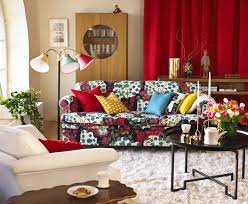
Using too many bold patterns or clashing colors can make a room feel chaotic. While vibrant décor can be fun, balance and coordination are essential to avoid visual overload.
Cheap Materials in Visible Areas
Using low-quality materials like fake marble, plastic furniture, or overly shiny fabrics can make a home look inexpensive or gaudy. Investing in a few quality pieces can elevate the entire room.
Overuse of Trends
Following every décor trend without consideration for personal taste can quickly make a space feel dated or forced. Trends are best incorporated subtly.
Common Examples of Tacky Décor
- Over-the-top lighting: Chandeliers or lamps that are excessively large or ornate for the space.
- Excessive knick-knacks: Shelves cluttered with figurines, souvenirs, or random objects.
- Out-of-place mirrors or frames: Frames of wildly different styles and sizes hung together without symmetry.
- Neon or overly bright lighting: Lights that don’t complement the room’s mood or theme.
- Fake luxury elements: Gold-painted furniture, imitation marble, or plastic crystals that try too hard to look expensive.
How to Avoid Tacky Décor
Less Is More
Minimalism doesn’t have to be boring. Prioritize quality over quantity, and select pieces that add function or style.
Stick to a Theme
Choose a design style, modern, rustic, Scandinavian, or bohemian and maintain cohesion. Small accents can deviate, but the overall theme should feel intentional.
Neutral Base with Pops of Color
A neutral palette allows you to incorporate brighter colors as accents rather than overwhelming the space.
Invest in Key Pieces
A few high-quality furniture items or décor pieces can dramatically improve the overall look.
Consider Proportions
Ensure furniture, art, and décor fit the scale of the room. Oversized or undersized items can appear awkward.
Read More: Rug Trends Shaping Modern Interiors with Style, Comfort, and Character
How to Fix Tacky Décor in Your Home
- Declutter: Remove items that don’t serve a purpose or match your style.
- Repaint or Refinish: Updating colors or finishes can transform cheap-looking materials.
- Update Textiles: Swap out worn or mismatched cushions, curtains, or rugs for coordinated options.
- Strategic Lighting: Replace harsh or overly decorative lighting with balanced, functional, and stylish fixtures.
- Artful Arrangements: Group items thoughtfully, maintain symmetry, and avoid overcrowding walls or shelves.
FAQs
Is tacky décor always cheap?
No. Even expensive furniture or décor can look tacky if mismatched, overused, or poorly arranged.
Can bold colors ever work without looking tacky?
Yes. Bold colors can be stylish if balanced with neutral tones and used as accent pieces rather than overwhelming the room.
How do I make a small room look chic instead of tacky?
Avoid clutter, stick to a cohesive color palette, and use appropriately scaled furniture. Mirrors and strategic lighting also help.
Are certain décor trends more prone to looking tacky?
Yes. Overly ornate, overly shiny, or imitation luxury trends often tip into tackiness if overdone.Can personal items make a home look tacky?
Personal items are great for character, but displaying too many without thoughtful arrangement can overwhelm the space.
Conclusion
Tacky home décor is less about money and more about design choices. Overcrowding, mismatched styles, gaudy colors, and imitation materials can make any home feel chaotic or low-quality. By focusing on cohesion, quality, proportion, and balance, you can transform your living space into a stylish, welcoming environment.
