


The colors you choose for your home interiors do more than just decorate walls they set the mood, influence perception, and reflect your personality. From bold, vibrant tones to soft, calming neutrals, interior colors play a crucial role in shaping the atmosphere of every room. Choosing the right palette can make a small space feel larger, a dull room lively, or a chaotic room harmonious.
Why Interior Colors Matter
Colors affect our emotions and behavior. Interior designers often use psychology of color to enhance a space:
- Warm colors like red, orange, and yellow energize and stimulate conversation, making them ideal for living rooms and kitchens.
- Cool colors like blue, green, and violet create calm, making them perfect for bedrooms, study areas, or bathrooms.
- Neutral colors like white, beige, and gray offer balance and versatility, acting as a backdrop for décor elements.
Color doesn’t just influence mood—it also affects perceived space. Light colors can make a room feel larger, while darker shades add depth and coziness.
Popular Interior Color Trends
Earthy Tones
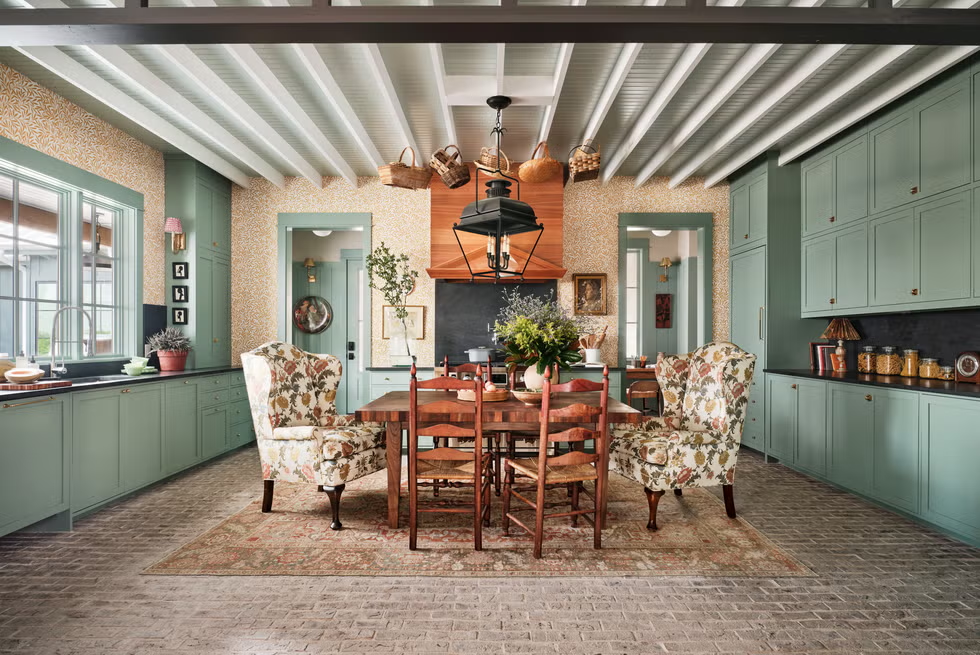
Shades of terracotta, clay, moss green, and sand bring warmth and a connection to nature, creating a grounded and cozy environment.
Minimalist Neutrals
White, cream, and soft grays remain timeless for modern interiors. They make spaces feel open, airy, and flexible for future décor changes.
Bold Accents
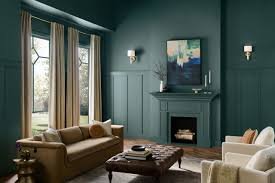
Deep blues, rich greens, and vibrant reds add personality and drama when used on feature walls, furniture, or decorative elements.
Pastels
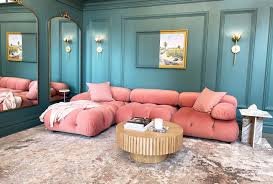
Soft pastel shades—like blush pink, mint green, or baby blue—create a serene, inviting atmosphere without overwhelming a room.
Metallics
Subtle gold, silver, or copper tones in accents or fixtures add luxury and sophistication without dominating the space.
Choosing the Right Color Palette
When selecting interior colors, consider:
Room Function
Think about the mood you want to create in each space. Bedrooms may need soothing hues, while kitchens or dining rooms can handle livelier shades.
Lighting
Natural light changes how colors appear. North-facing rooms often benefit from warmer tones, while south-facing rooms can handle cooler shades.
Existing Décor
Match or complement furniture, flooring, and fixtures. A cohesive palette ensures the room feels balanced.
Personal Preference
Ultimately, your home should reflect your taste. Colors you enjoy will make you feel more comfortable and at ease.
Common Mistakes in Interior Color Selection
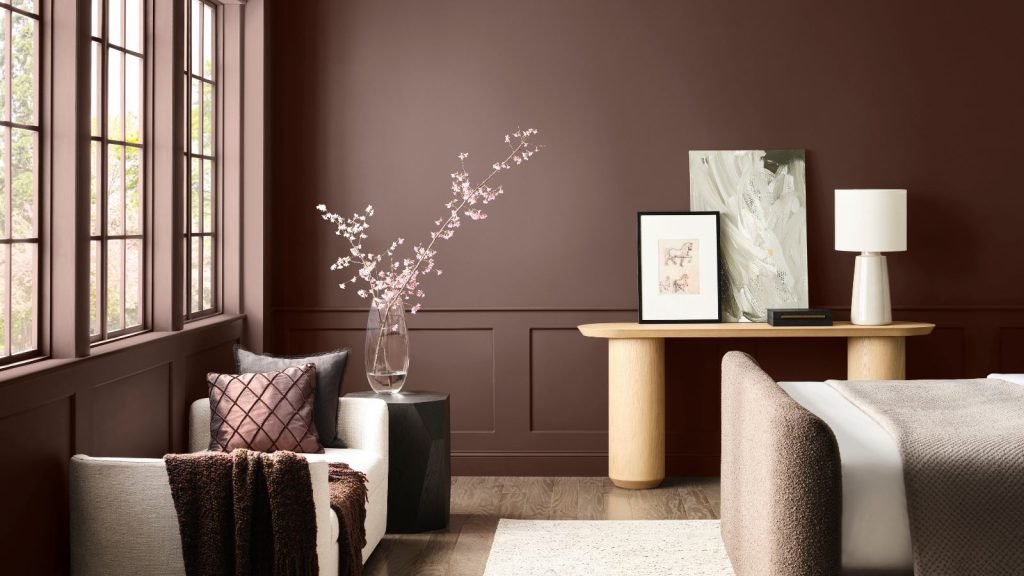
- Overuse of Dark Colors: While cozy, too many dark tones can make a space feel small and gloomy.
- Ignoring Lighting: Colors can look drastically different under artificial or natural light. Always test samples in the room.
- Clashing Tones: Using too many contrasting colors can create visual chaos. Stick to 2–3 main colors per room.
- Following Trends Blindly: Trends come and go. Choose colors that suit your lifestyle and preferences for long-term satisfaction.
Tips for Harmonious Interior Colors
Use the 60-30-10 Rule
60% dominant color (walls), 30% secondary color (furniture or accent walls), 10% accent color (decor and accessories).
Create Flow Between Rooms
Maintain a cohesive palette throughout your home to avoid jarring transitions from one space to another.
Layer Textures
Pair colors with textures—like wood, metal, or textiles—to add depth and dimension.
Experiment with Accent Walls
If hesitant about bold colors, try them on a single wall to create a focal point without overwhelming the room.
Test Samples First
Paint swatches on walls before committing to large areas. Observe them at different times of day to see how they change in lighting.
Read More: Wallpaper Trends Redefining Interior Spaces in the Modern Era
FAQs
How do I choose colors for a small room?
Light and neutral shades can make a small room feel larger, while dark colors can create a cozy, intimate atmosphere if used sparingly.
Can I mix warm and cool colors in one room?
Yes, but balance is key. Use one as dominant and the other as an accent to maintain harmony.
Are bold colors suitable for all walls?
Bold colors work best as feature walls or in moderation. Too much can overwhelm the space.
How do I know if a color suits my furniture?
Compare color swatches with your furniture and flooring. Complementary or analogous color schemes usually work well.
Should I follow trends when choosing interior colors?
Trends can inspire, but prioritize your taste and comfort. Neutral palettes with trendy accents are often the safest approach.
Conclusion
Interior colors are powerful tools for shaping the mood, style, and perception of your home. Choosing the right palette requires understanding the purpose of each room, the influence of lighting, and the harmony with existing décor. By combining thoughtful color choices with textures, patterns, and accents, you can create spaces that are not only beautiful but also comfortable and reflective of your personality.
