


Rugs have always played a central role in interior design, but in recent years their importance has grown significantly. No longer seen as merely functional floor coverings, rugs are now powerful design elements that define spaces, express personality, and bring warmth and cohesion to interiors. As lifestyles evolve and design preferences shift, rug trends continue to reflect broader cultural, aesthetic, and environmental changes.
From minimalist textures and natural materials to bold patterns and artistic statements, today’s rug trends offer something for every taste and space. Whether used to anchor a living room, soften a bedroom, or add personality to a hallway, rugs have become essential tools for creating balanced and inviting interiors.
This article explores the latest rug trends shaping homes and commercial spaces, examining materials, colors, patterns, cultural influences, sustainability, and technological innovations. By understanding these trends, homeowners and designers can make informed choices that combine beauty, comfort, and functionality.
The Evolution of Rugs in Interior Design
Historically, rugs were symbols of craftsmanship, culture, and status. Handwoven rugs from regions such as Persia, Turkey, India, and Central Asia were prized for their intricate patterns, rich colors, and durability. These rugs often told stories through their designs, reflecting traditions passed down through generations.
As industrial production increased in the 20th century, rugs became more accessible, but mass production sometimes came at the cost of quality and individuality. In recent decades, however, there has been a renewed appreciation for craftsmanship, authenticity, and thoughtful design.
Modern rug trends blend tradition with innovation. Designers are revisiting classic styles while experimenting with new materials, abstract patterns, and sustainable practices. The result is a diverse and dynamic rug market that caters to both timeless elegance and contemporary lifestyles.
Natural Materials and Organic Textures
One of the strongest rug trends today is the use of natural materials. As people become more conscious of sustainability and well-being, there is a growing preference for rugs made from organic and renewable resources.
Wool Rugs
Wool remains one of the most popular rug materials due to its durability, softness, and natural insulating properties. Wool rugs are versatile and suitable for both traditional and modern interiors. They are also naturally stain-resistant and long-lasting, making them a practical choice for high-traffic areas.
Jute and Sisal Rugs
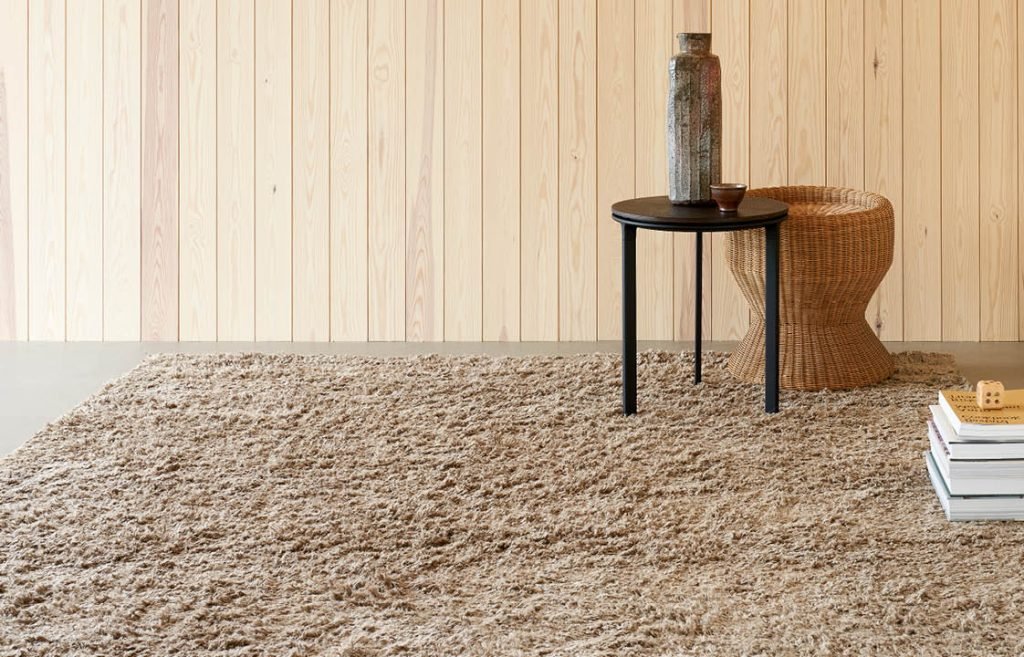
Jute and sisal rugs are trending for their earthy appearance and eco-friendly appeal. These rugs add texture and warmth to spaces and work particularly well in minimalist, coastal, and bohemian interiors. Their neutral tones make them easy to pair with various color schemes.
Cotton and Linen Rugs
Lightweight and breathable, cotton and linen rugs are ideal for casual spaces such as bedrooms and summer homes. They offer a relaxed look and are often machine-washable, making them a convenient option for modern living.
Minimalist and Neutral Rug Trends
Minimalism continues to influence interior design, and rugs are no exception. Clean lines, subtle textures, and neutral color palettes dominate this trend.
Soft Neutrals
Colors such as beige, cream, ivory, grey, and taupe are widely used in modern rugs. These shades create a calm and sophisticated backdrop, allowing furniture and décor to take center stage.
Tonal Patterns
Instead of bold contrasts, minimalist rugs often feature tonal patterns where design elements are visible through texture rather than color. This adds depth without overwhelming the space.
Scandinavian Influence
Scandinavian-inspired rugs emphasize simplicity, functionality, and comfort. Light colors, understated patterns, and natural materials reflect the region’s design philosophy and remain highly popular worldwide.
Bold Patterns and Statement Rugs
While minimalism thrives, there is also a strong movement toward bold and expressive rug designs. Statement rugs are used to inject personality and creativity into interiors.
Geometric Designs
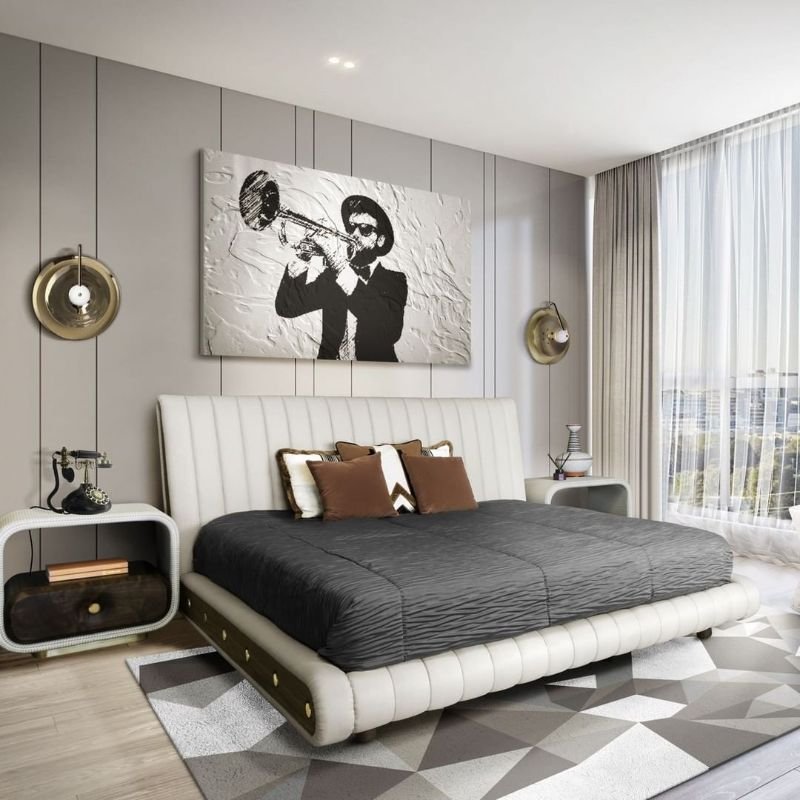
Geometric patterns featuring sharp lines, repeating shapes, and symmetrical layouts are a major trend. These rugs work well in contemporary and urban spaces, adding structure and visual interest.
Abstract and Artistic Rugs
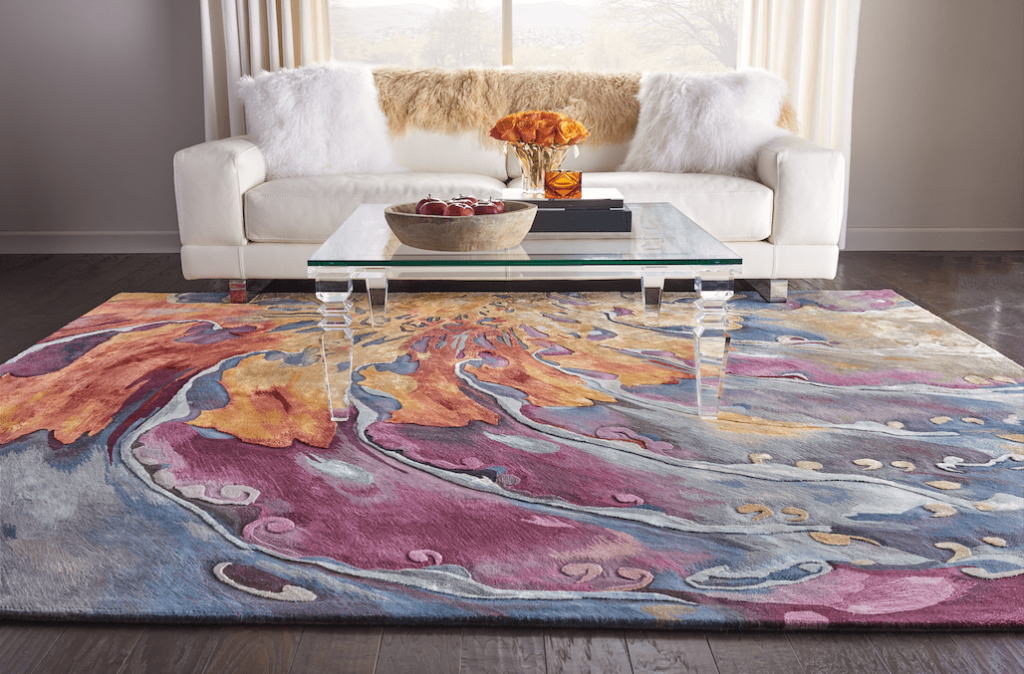
Abstract rugs resemble modern art pieces, with fluid shapes, layered colors, and unconventional designs. These rugs often serve as focal points in a room, blurring the line between functional décor and artwork.
High-Contrast Color Schemes
Bold color combinations, such as black and white or vibrant jewel tones, are gaining popularity among homeowners looking to make a strong design statement.
Vintage and Traditional Rug Revival
Classic rug styles are making a comeback, but with modern twists that suit contemporary interiors.
Persian and Oriental Rugs
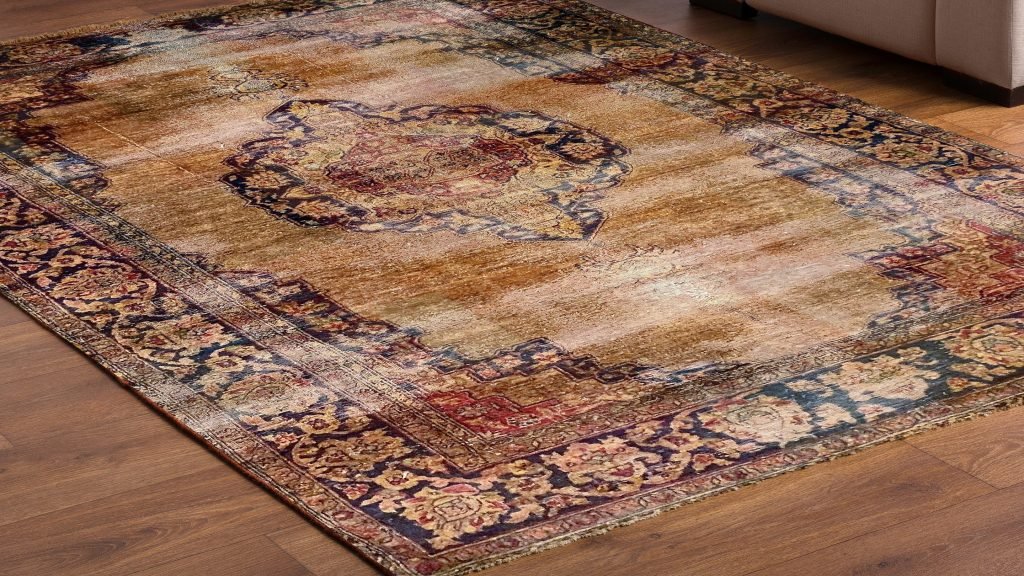
Traditional Persian and Oriental rugs remain timeless, but designers are now pairing them with modern furniture to create eclectic spaces. Faded or distressed versions of these rugs are particularly popular, offering a sense of history and character.
Vintage-Inspired Rugs
Vintage-style rugs with worn textures and muted colors evoke nostalgia while fitting seamlessly into modern homes. These rugs add warmth and depth without appearing overly formal.
Updated Traditional Patterns
Classic motifs such as medallions, florals, and borders are being reimagined with softer colors and simplified designs, making them more versatile and accessible.
Sustainable and Eco-Friendly Rug Trends
Sustainability is one of the most influential factors shaping rug trends today. Consumers are increasingly seeking products that align with environmentally responsible practices.
Recycled Materials
Rugs made from recycled fibers, including plastic bottles and reclaimed textiles, are gaining popularity. These rugs reduce waste while offering durability and modern design options.
Natural Dyes
Eco-conscious rug makers are turning to natural dyes derived from plants and minerals. These dyes produce softer, more organic colors and reduce the environmental impact of production.
Ethical Production
Handcrafted rugs made under fair labor conditions are highly valued. Transparency in sourcing and manufacturing has become an important consideration for buyers.
Texture as a Design Element
Texture plays a crucial role in modern rug trends, adding dimension and tactile appeal to interiors.
High-Pile and Shag Rugs
High-pile and shag rugs are making a comeback, especially in cozy living rooms and bedrooms. These rugs offer comfort underfoot and create a relaxed, inviting atmosphere.
Flatweave Rugs
Flatweave rugs, such as kilims and dhurries, are popular for their lightweight construction and versatility. They work well in layering and are easy to move and maintain.
Mixed Textures
Rugs that combine different pile heights or materials create visual interest and a contemporary feel. These designs add complexity while maintaining a cohesive look.
Color Trends in Rugs
Color trends in rugs often mirror broader interior design and fashion trends.
Earthy and Warm Tones
Shades like terracotta, rust, olive green, and mustard yellow are increasingly popular. These colors bring warmth and grounding energy to spaces.
Soft Pastels
Pastel colors such as blush pink, sage green, and soft blue are trending in rugs for bedrooms and calm living spaces.
Dark and Moody Hues
Deep blues, charcoal greys, and rich browns are used to create dramatic and sophisticated interiors, particularly in larger rooms.
Rugs by Room: Design Applications
Living Rooms
In living rooms, rugs serve as anchoring elements. Large area rugs that accommodate all furniture pieces are preferred, creating a cohesive and balanced layout.
Bedrooms
Bedroom rugs focus on comfort and softness. Plush textures and calming colors enhance relaxation and warmth.
Dining Areas
Durable, low-pile rugs are trending in dining spaces. These rugs are easy to clean and help define the dining area within open-plan layouts.
Hallways and Entryways
Runner rugs with bold patterns or durable materials are popular choices for high-traffic areas, adding style while protecting floors.
Global and Cultural Influences
Global design influences continue to shape rug trends, reflecting a growing appreciation for cultural diversity.
Moroccan Rugs
Moroccan rugs, known for their bold patterns and soft textures, remain highly popular. Their handcrafted quality and artistic designs add character to modern interiors.
Asian-Inspired Rugs
Rugs influenced by Japanese and Chinese design emphasize balance, simplicity, and harmony, often featuring subtle patterns and muted colors.
Mediterranean and Tribal Designs
Tribal motifs and Mediterranean-inspired patterns bring energy and authenticity to spaces, blending tradition with contemporary style.
Technological Innovations in Rug Design
Advancements in technology are transforming the rug industry.
Digital Design and Customization
Consumers can now customize rug designs, colors, and sizes to suit their specific needs. Digital tools allow for greater creativity and personalization.
Performance Rugs
Performance rugs designed to resist stains, moisture, and fading are increasingly popular, especially in homes with children and pets.
Smart Materials
Innovative materials improve durability and comfort while maintaining aesthetic appeal, making rugs more practical than ever before.
Rugs in Commercial and Public Spaces
Rug trends are not limited to residential interiors. Hotels, offices, and retail spaces increasingly use rugs to enhance comfort and branding.
Commercial rugs focus on durability, acoustic benefits, and visual impact, often incorporating custom designs that reflect brand identity.
The Future of Rug Trends
The future of rug design lies in sustainability, personalization, and innovation. As consumers continue to seek meaningful and responsible design choices, rugs will evolve to meet these expectations.
Artistic expression, cultural appreciation, and technological advancement will continue to shape rug trends, ensuring their relevance in modern interiors.
Read More: Wallpaper Trends Redefining Interior Spaces in the Modern Era
Conclusion
Rugs have evolved far beyond their traditional role as simple floor coverings. Today, they are essential design elements that define spaces, enhance comfort, and express individuality. From natural materials and minimalist designs to bold patterns and sustainable innovations, modern rug trends offer endless possibilities.
