


In a world obsessed with sanitizers, disinfectants, and antibacterial everything, the word “germs” often conjures images of invisible enemies lurking on every surface, ready to strike us down with illness. For decades, public health campaigns have drilled into us the importance of eradicating these microscopic foes to stay healthy. But what if we’ve been missing half the story? Emerging scientific research is flipping the script, showing that not all germs more accurately, microbes are threats. In fact, many are essential allies that support our digestion, bolster our immune systems, influence our moods, and even protect us from diseases. This paradigm shift comes from the study of the human microbiome, the vast community of trillions of microorganisms living in and on our bodies.
The human microbiome includes bacteria, viruses, fungi, archaea, and other tiny life forms that outnumber our own cells. While some microbes can indeed cause harm, the majority are commensal or symbiotic, meaning they live peacefully with us or provide mutual benefits. Disruptions to this delicate balance, known as dysbiosis, have been linked to a host of modern ailments, from obesity and autoimmune disorders to mental health issues. But when in harmony, these “good germs” contribute to our well-being in profound ways. This article delves into the science behind these beneficial microbes, exploring their roles across body systems, recent discoveries, and practical ways to nurture them. By understanding that germs aren’t always the enemy, we can adopt a more balanced approach to health in our increasingly sterile world.
Understanding Germs: Beyond the Bad Guys
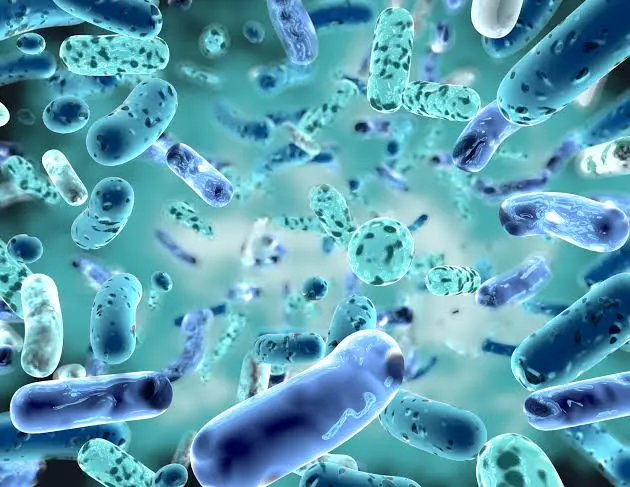
To appreciate the helpful side of microbes, we first need to redefine what we mean by “germs.” Traditionally, the term refers to disease-causing agents like bacteria, viruses, or fungi. However, the microbial world is far more nuanced. Microbes are single-celled organisms or viruses that exist everywhere from soil and oceans to our own bodies. While pathogens like Escherichia coli (E. coli) or Staphylococcus aureus can cause infections, they represent only a tiny fraction of the microbial diversity we encounter daily.
Most microbes are neutral or beneficial. For instance, bacteria in our gut help break down food we couldn’t digest on our own, producing essential nutrients in the process. This symbiotic relationship dates back to the dawn of life on Earth, where microbes were the first organisms, shaping the planet’s atmosphere and paving the way for complex life. In humans, our microbiome is like an organ we can’t see, weighing about 2-3 pounds and containing more genes than our own genome—up to 100 times more.
The distinction between “good” and “bad” germs often depends on context. A microbe that’s harmless in one body site might cause issues if it migrates elsewhere. For example, Gardnerella vaginalis is part of a healthy vaginal microbiome but can contribute to bacterial vaginosis if the balance shifts. Factors like diet, antibiotics, stress, and environment influence this balance. Overuse of antibiotics, for instance, can wipe out beneficial bacteria, allowing opportunists like Clostridium difficile to thrive and cause severe diarrhea.
Science has long focused on pathogenic microbes due to their immediate health impacts, but the Human Microbiome Project, launched in 2007 by the National Institutes of Health, shifted attention to the full spectrum. This initiative mapped microbial communities in healthy individuals, revealing site-specific compositions: the gut dominated by Firmicutes and Bacteroidetes, the skin by Actinobacteria, and the mouth by Streptococcus species. These findings underscore that health isn’t about eliminating all germs but fostering a diverse, resilient microbial ecosystem.
Consider the evolutionary perspective: Humans have co-evolved with microbes for millions of years. Our immune systems are trained by exposure to them, learning to tolerate friends while fighting foes. In germ-free animal models mice raised without any microbes immune development is stunted, leading to higher susceptibility to infections and allergies. This highlights how “germs” are integral to our biology, not just invaders to be feared.
As we explore further, it’s clear that viewing all microbes as threats is outdated. Instead, embracing their beneficial roles could revolutionize medicine, from personalized probiotics to microbiome-based therapies for chronic diseases.
The Human Microbiome: An Invisible Ecosystem
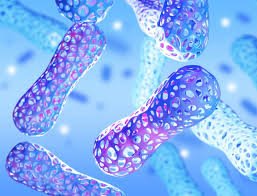
The human microbiome is a dynamic, bustling community of trillions of microbes inhabiting every nook of our body. It’s most abundant in the gut, where up to 100 trillion microorganisms reside, but extends to the skin, mouth, lungs, urinary tract, and reproductive organs. This ecosystem isn’t static; it changes with age, diet, location, and health status, adapting like a living organ.
In the gut, the microbiome’s core is remarkably stable in healthy adults, dominated by phyla like Firmicutes (Clostridium, Ruminococcus), Bacteroidetes (Bacteroides, Prevotella), and Actinobacteria (Bifidobacterium). These bacteria form “enterotypes,” clusters influenced by long-term diet—high-protein diets favor Bacteroides, while fiber-rich ones boost Prevotella. The microbiome expands our genetic capabilities, providing enzymes for tasks like fermenting indigestible fibers into short-chain fatty acids (SCFAs) such as butyrate, acetate, and propionate.
On the skin, microbes like Cutibacterium acnes (formerly Propionibacterium acnes) and Staphylococcus epidermidis regulate oil production and ward off pathogens by producing antimicrobial compounds. In moist areas, Staphylococcus species dominate, while sebaceous sites favor lipid-loving bacteria. The oral microbiome, with over 700 species, includes Streptococcus that prevents cavities by outcompeting harmful ones.
The respiratory tract, once thought sterile, hosts low-biomass communities like Prevotella and Veillonella, which train local immunity without causing inflammation. In the vagina, Lactobacillus species maintain an acidic pH (around 4-4.5) by producing lactic acid, inhibiting invaders like yeast or sexually transmitted pathogens.
Developmentally, the microbiome starts at birth. Vaginal deliveries seed infants with maternal microbes, rich in Bifidobacterium, while C-sections lead to skin-like communities, potentially increasing allergy risks later. Breast milk further nurtures with oligosaccharides that feed beneficial bacteria. By age 3, the microbiome resembles an adult’s, but it evolves: children have higher diversity, while the elderly see declines in Bifidobacterium and rises in Enterobacteriaceae, linked to frailty.
Extrinsic factors shape this ecosystem. Diet is key a Mediterranean-style intake boosts diversity, while processed foods diminish it. Antibiotics can cause long-term shifts, reducing beneficial species for months. Genetics play a role too; twin studies show heritable patterns, with genes influencing microbial attachment.
This invisible ecosystem’s health is measured by diversity and resilience the ability to bounce back from disruptions. High diversity correlates with better outcomes, like reduced inflammation and stronger immunity. When balanced, it produces metabolites that regulate everything from blood sugar to mood. Understanding this complexity reveals why blanket “anti-germ” approaches can backfire, disrupting allies we need for optimal health.
Beneficial Roles in Digestion and Nutrition
One of the most celebrated roles of beneficial microbes is in digestion and nutrition, where they act as master chemists, transforming food into usable forms and synthesizing vital compounds. In the gut, where most digestion occurs, microbes break down complex carbohydrates, proteins, and fibers that our enzymes can’t handle alone.
Take dietary fiber: Humans lack the enzymes to digest plant cell walls, but gut bacteria like Bacteroides and Ruminococcus ferment them into SCFAs. Butyrate, for example, fuels colon cells, maintains the gut barrier, and has anti-inflammatory effects, potentially lowering colon cancer risk. Acetate and propionate travel to the liver, regulating glucose and cholesterol levels, aiding in diabetes prevention.
Microbes also produce vitamins. Bifidobacterium and Lactobacillus synthesize B vitamins (like B12, folate, and riboflavin) and vitamin K, essential for blood clotting and bone health. In nutrient-scarce environments, this microbial production can be lifesaving, as seen in studies of malnourished children where microbiome restoration improves growth.
Protein metabolism is another area: Microbes convert amino acids into neurotransmitters or energy sources, but they also detoxify harmful byproducts like ammonia, converting it to urea for safe excretion. In liver disease, dysbiosis leads to ammonia buildup, causing neurological issues, but engineered bacteria like modified E. coli Nissle are being tested to mop it up.
Bile acid metabolism highlights microbial ingenuity. Liver-produced bile helps digest fats, but gut bacteria modify it into secondary forms that influence cholesterol absorption and gut motility. Disruptions here link to gallstones or IBS.
Fermented foods showcase these benefits in action. Yogurt, kimchi, and sauerkraut introduce live microbes that enhance digestion. A study found a 10-week fermented food diet increased microbiome diversity and reduced inflammation markers. Prebiotics like inulin from onions feed these microbes, promoting SCFA production.
In obesity, the microbiome extracts more energy from food in some individuals, contributing to weight gain. Transplanting microbiota from lean to obese mice reduces fat accumulation, hinting at therapeutic potential.
Overall, these microbial processes not only optimize nutrition but prevent deficiencies and metabolic disorders. By nurturing our gut microbes with fiber-rich diets, we harness their digestive prowess for better health.
Boosting Immunity: Our Microbial Allies
Our immune system doesn’t operate in isolation; it’s profoundly shaped by microbes that train, regulate, and support it. From birth, exposure to beneficial germs educates immune cells to distinguish self from non-self, friend from foe.
In the gut, where 70-80% of immune cells reside, microbes interact with the mucosal lining. They stimulate production of secretory IgA, antibodies that coat the gut to prevent pathogen attachment. Beneficial bacteria like Bifidobacterium promote regulatory T cells (Tregs), which dampen inflammation and prevent autoimmunity.
Colonization resistance is a key defense: Good microbes outcompete pathogens for nutrients and space, producing bacteriocins natural antibiotics to kill invaders. For example, Lactobacillus in the vagina creates lactic acid, lowering pH to inhibit yeast and STIs.
SCFAs from fermentation play a starring role in immunity. Butyrate enhances the gut barrier by tightening junctions, reducing “leaky gut” that allows toxins into the bloodstream. It also modulates neutrophils and macrophages, fine-tuning responses to avoid overreactions like allergies.
Studies show microbiome diversity correlates with vaccine efficacy. In infants, a healthy gut microbiome improves responses to oral vaccines, while dysbiosis weakens them. In cancer, certain gut bacteria enhance immunotherapy; patients with Bifidobacterium respond better to PD-1 inhibitors.
The hygiene hypothesis posits that reduced microbial exposure in modern life contributes to rising allergies and autoimmunity. Children on farms, exposed to diverse microbes, have lower asthma rates.
In diseases like IBD, reduced Faecalibacterium prausnitzii a butyrate producer exacerbates inflammation. FMT restores balance, curing 85-90% of recurrent C. difficile infections by repopulating beneficial species.
Microbes even influence systemic immunity via axes like gut-lung, where gut diversity protects against respiratory infections. During COVID-19, healthier microbiomes correlated with milder symptoms.
By viewing microbes as immune trainers, we see why antibiotics should be used judiciously and why probiotic therapies hold promise for conditions from allergies to arthritis.
The Gut-Brain Connection: Mental Health and Microbes
The idea that gut microbes influence our minds might sound like science fiction, but the gut-brain axis is a well-established bidirectional highway linking digestion to cognition, mood, and behavior.
Gut microbes produce neurotransmitters: 90% of serotonin, crucial for mood, is made in the gut by bacteria like Enterococcus and Streptococcus. They also synthesize GABA, a calming chemical, and dopamine precursors. SCFAs cross the blood-brain barrier, reducing inflammation that contributes to depression.
In animal studies, germ-free mice show anxiety-like behaviors and altered brain chemistry, reversed by microbial colonization. Human research links low microbiome diversity to depression, anxiety, and autism. For instance, autistic children often have gut issues and altered microbiota; FMT improved symptoms in one study.
Stress disrupts the microbiome, increasing permeability and inflammation, which affects the brain via the vagus nerve. Conversely, probiotics like Lactobacillus rhamnosus reduce stress hormones in mice.
In Parkinson’s, gut microbes may produce proteins mimicking brain ones, triggering misfolding. Alzheimer’s links to chronic inflammation from dysbiosis. Diets high in fermented foods boost diversity, potentially lowering neuroinflammation.
The axis extends to eating behaviors: Microbes signal hunger or satiety via hormones like ghrelin. In obesity, altered microbes may “hijack” these signals.
Psychobiotics probiotics targeting mental health are emerging. Trials show Bifidobacterium longum reduces anxiety. This connection suggests mental health treatments could include microbiome modulation, blending psychiatry with gastroenterology.
Skin, Respiratory, and Other Body Sites
While the gut steals the spotlight, microbes in other sites are equally vital. On the skin, our largest organ, Staphylococcus epidermidis produces compounds that inhibit inflammation and pathogens like S. aureus, preventing eczema flares. Cutibacterium acnes breaks down oils, maintaining pH balance, though overgrowth causes acne.
In the respiratory tract, microbes like Veillonella regulate immune tolerance, reducing allergy risks. Early colonization shapes lung health; disruptions link to asthma.
The oral microbiome prevents cavities by competitive exclusion and modulates systemic inflammation via the oral-gut axis. In the urinary tract, low-biomass communities predict infection risks; Lactobacillus protects against UTIs.
In reproduction, vaginal Lactobacillus prevents preterm birth and STIs by maintaining acidity. These site-specific roles show the microbiome’s holistic impact.
The Hygiene Hypothesis and Modern Lifestyles
The hygiene hypothesis suggests our clean lifestyles deprive us of microbial exposure, leading to immune overreactions like allergies. Urban children have higher asthma rates than rural ones exposed to farm microbes.
Antibiotics, C-sections, and processed diets reduce diversity. Studies show elderly in communities have healthier microbiomes than isolated ones.
Reversing this involves balanced hygiene: Wash hands, but allow outdoor play. Probiotic-rich diets help restore balance.
Recent Scientific Discoveries and Studies
Recent advances include the gut-kidney axis, where microbes reduce uremic toxins in CKD. In cancer, microbes enhance immunotherapy.
Engineered microbes, like ammonia-converting E. coli, treat metabolic disorders. Virome research shows phages regulate bacteria.
Built-environment microbiomes influence indoor health. Fermented diets lower inflammation.
Harnessing Good Germs: Probiotics, Prebiotics, and FMT
Probiotics introduce live beneficial bacteria; Lactobacillus rhamnosus GG aids obesity. Prebiotics feed them, like FOS increasing Bifidobacterium.
FMT transfers healthy microbiota, curing CDI and showing promise in IBD. Vaginal transplants treat BV.
Potential Risks and Balancing Act
While beneficial, overgrowth or wrong contexts cause issues. Probiotics can harm immunocompromised individuals. Dysbiosis links to diseases, but causation varies.
Balance is key: Diverse diet, minimal antibiotics, stress management.
Read More: Cervical Cancer Vaccine: A Lifesaving Shield for Women’s Health
FAQs
What are beneficial germs?
Beneficial germs, or microbes, are microorganisms like bacteria that support health by aiding digestion, boosting immunity, and producing essential compounds.
How do I know if my microbiome is healthy?
Signs include regular digestion, strong immunity, and stable mood. Tests like stool analysis measure diversity.
Can too much cleanliness harm my microbiome?
Yes, excessive sanitization reduces exposure to beneficial microbes, potentially increasing allergy risks per the hygiene hypothesis.
Are probiotics worth taking?
For specific conditions like IBS or after antibiotics, yes, but consult a doctor. Food sources like yogurt are safer.
How do microbes affect mental health?
Via the gut-brain axis, they produce neurotransmitters and reduce inflammation, influencing mood and cognition.
What’s the difference between probiotics and prebiotics?
Probiotics are live microbes; prebiotics are fibers that feed them.
Can diet change my microbiome?
Absolutely fiber-rich, fermented foods increase diversity quickly.
Are all viruses in the microbiome bad?
No, many are phages that control bacterial populations without harming us.
How does the microbiome change with age?
It starts simple in infancy, peaks in adulthood, and declines in elders, affecting immunity.
Is FMT safe?
For approved uses like CDI, yes, but risks include infection; it’s under research for other conditions
Conclusion
Science has illuminated that not all germs are threats; many are indispensable partners in our health journey. From digesting food and fortifying immunity to influencing our thoughts and protecting against diseases, the microbiome’s benefits are vast and interconnected. As we navigate modern challenges like antibiotic resistance and chronic illnesses, embracing this microbial world—through mindful diets, cautious hygiene, and innovative therapies offers a path to wellness.
