


Using stablecoins to upgrade remittances, an era where billions of people rely on cross-border money transfers to support families, education, and businesses back home, traditional remittance systems remain plagued by high fees, slow processing times, and limited accessibility. Global remittances reached an estimated $900 billion in recent years, yet the average cost hovers around 6.5%, far exceeding the United Nations’ Sustainable Development Goal target of under 3% by 2030. Enter stablecoins—digital assets pegged to stable fiat currencies like the US dollar—that are revolutionizing this space. By leveraging blockchain technology, stablecoins offer near-instant transfers, drastically lower costs (often below 1%), and greater financial inclusion, particularly in developing countries.
As of early 2026, the stablecoin market capitalization exceeds $300 billion, with transaction volumes surpassing $4 trillion annually. Major issuers like Tether (USDT) and Circle (USDC) dominate, backed by reserves in cash and Treasuries. Regulatory frameworks, such as the US GENIUS Act and Europe’s MiCA, have provided clarity, accelerating adoption for real-world payments, including remittances. Platforms like MoneyGram, Remitly, and Bitso are integrating stablecoins, enabling users to send funds seamlessly across borders. This article explores how stablecoins are upgrading remittances, their advantages over traditional methods, real-world implementations, challenges, and future potential.
The Traditional Remittances Landscape: Challenges and Inefficiencies
Remittances are a lifeline for millions in low- and middle-income countries (LMICs), contributing significantly to GDP in nations like the Philippines (over 9%) and Mexico. Workers abroad send money home via banks, money transfer operators (MTOs) like Western Union or MoneyGram, or informal channels. However, the system is riddled with inefficiencies.
Correspondent banking networks involve multiple intermediaries, leading to delays of 1-5 days and high costs from FX markups, SWIFT fees, and agent commissions. The World Bank reports global average fees at 6.49%, with sub-Saharan Africa hitting 8.78%. For a $200 transfer—the benchmark amount—senders lose $13 on average, totaling billions annually in lost value.
Accessibility is another hurdle: 1.4 billion unbanked adults, many in remittance-heavy regions, struggle with formal channels requiring bank accounts. Volatility in local currencies exacerbates issues, eroding value post-transfer. During economic crises, like high inflation in Argentina or Nigeria, recipients lose purchasing power quickly.
These pain points disproportionately affect migrants and families in emerging markets, where remittances fund essentials like food, healthcare, and education. Despite digital advancements, legacy infrastructure persists, locking capital and slowing flows.
What Are Stablecoins and How Do They Work?
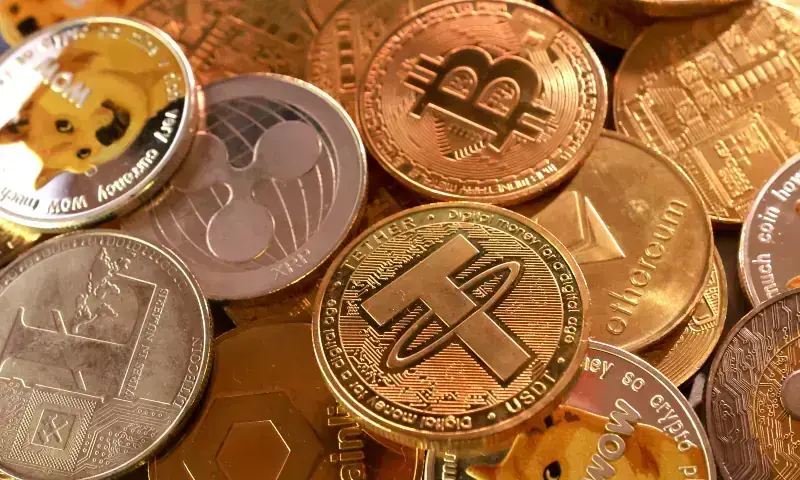
Stablecoins are cryptocurrencies designed to maintain a stable value, typically pegged 1:1 to fiat like the USD. Leading types include fiat-collateralized (USDT, USDC—backed by reserves), crypto-collateralized (DAI—over-collateralized with crypto), and algorithmic (less common post-2022 failures).
For remittances, users convert local currency to stablecoins via exchanges or apps, transfer them peer-to-peer on blockchains like Ethereum, Tron, or Stellar (fees of cents to dollars), and recipients off-ramp to local fiat. This “stablecoin sandwich” uses blockchain for the cross-border leg while integrating with traditional on/off-ramps.
Blockchains enable 24/7, borderless transfers without intermediaries, settling in minutes. Transparency via public ledgers reduces fraud, and pegging shields against volatility. In 2025, stablecoin volumes hit $4+ trillion, with retail transfers (including remittances) growing rapidly.
Key Advantages of Stablecoins for Remittances
Stablecoins address traditional flaws head-on:
- Lower Costs: Fees often <1% vs. 6.5% average. For $500, traditional costs ~$31; stablecoins ~$0.40-$15 (75% savings).
- Speed: Minutes vs. days, crucial for emergencies.
- Accessibility: Smartphone-based, aiding the unbanked via mobile money integration.
- Stability: USD-pegged protects against local inflation/devaluation.
- Transparency and Security: On-chain tracking minimizes errors/fraud.
- 24/7 Availability: No banking hours.
In high-inflation countries like Nigeria or Argentina, stablecoins act as dollar proxies, preserving value.
Real-World Platforms and Case Studies
Adoption is surging:
- MoneyGram: Partners with Stellar for USDC remittances, expanding to Africa, Asia, Latin America—lower fees, faster cash-outs.
- Remitly: Integrates Bridge (Stripe) for stablecoin rails, testing in select markets.
- Bitso (Mexico): Processes billions in the US-Mexico corridor via Ripple, slashing costs.
- Félix Pago: US-to-Mexico via USDC on Stellar—40% fee reduction, instant settlement.
- Chipper Cash/Flutterwave (Africa): Stablecoin options for low-cost transfers.
- Coins.ph (Philippines): Local stablecoin for OFW remittances.
In pilots like Hedera’s with Shinhan/Standard Bank, stablecoins proved efficient for KRW/local currency swaps.
Adoption in Developing Countries
Stablecoins thrive in LMICs: South Asia leads crypto adoption, with remittances driving use in the Philippines (6-8% via stablecoins), Brazil (~10%). In Nigeria, hedging against naira volatility boosts uptake. Argentina/Venezuela use the dollar for access amid crises.
Financial/digital literacy aids adoption; younger, educated users lead. UN pilots in Ukraine used stablecoins for aid, mirroring remittance benefits.
Regulatory Landscape and Challenges
2025 brought clarity: US GENIUS Act mandates reserves/audits; MiCA in the EU caps non-Euro volumes. Hong Kong, Singapore, and the UAE licensed issuers.
Challenges: Fragmented rules risk arbitrage; AML/CFT concerns; de-pegging fears (rare with regulated issuers); volatility in off-ramps.
2026 focus: Implementation, interoperability, balancing innovation/risk.

Future Outlook: Scaling and Innovation
Using stablecoins to upgrade remittances. Projections: Market cap $500B-$1T by 2028; remittances share growing. Multi-currency stablecoins (e.g., Circle’s partners for BRL, KRW) enhance utility.
Integration with CBDCs/fast payments; yield-bearing stablecoins add value.
Read More: Pi Cryptocurrency (Pi Network): A Complete Guide for Beginners and Enthusiasts
FAQs
What is a stablecoin?
A cryptocurrency pegged to stable assets like USD for minimal volatility.
How do stablecoins reduce remittance costs?
A: By eliminating intermediaries and using low-fee blockchains—often <1% vs. 6.5%.
Are stablecoins safe for remittances?
Regulated ones (USDC, USDT) with audited reserves are reliable; risks mitigated by frameworks like the GENIUS Act.
Which countries benefit most?
High-remittance, high-inflation nations like the Philippines, Mexico, and Nigeria.
Can unbanked people use stablecoins?
Yes, via mobile wallets and local agents.
How fast are stablecoin transfers?
Minutes, 24/7.
What platforms support stablecoin remittances?
MoneyGram, Remitly, Bitso, Félix.
Are there regulatory risks?
Varying global rules; clarity improving in 2026.
Do stablecoins pay interest?
Some yield-bearing do; most payment-focused don’t
Will stablecoins replace traditional remittances?
Complement/disrupt; hybrid models rising.
Conclusion
Using stablecoins to upgrade remittances. Stablecoins are poised to transform remittances, offering cheaper, faster, and more inclusive alternatives amid growing regulatory support. From slashing fees in key corridors to empowering unbanked populations, they align with global goals for affordable transfers. Challenges remain, but 2026 promises scaled adoption via clearer rules and innovations.
