


US President Donald Trump is set to host Israeli Prime Minister Benjamin Netanyahu at the White House on Wednesday amid escalating tensions in the Middle East and intensified negotiations over Iran’s nuclear program. Netanyahu’s visit marks his sixth trip to the US since Trump returned to office, more than any other world leader, underscoring the close relationship between the two allies.
Key Goals of Netanyahu’s Visit
Netanyahu is expected to urge Trump to pursue a comprehensive deal with Iran that not only halts uranium enrichment but also limits its ballistic missile program and curbs support for proxy groups such as Hamas and Hezbollah.
"I will present to the president our outlook regarding the principles of these negotiations," Netanyahu said before departing for Washington.While Iran has expressed a willingness to limit its nuclear program in exchange for sanctions relief, it has rejected other Israeli and US demands, including restrictions on missile development and regional proxy activity.
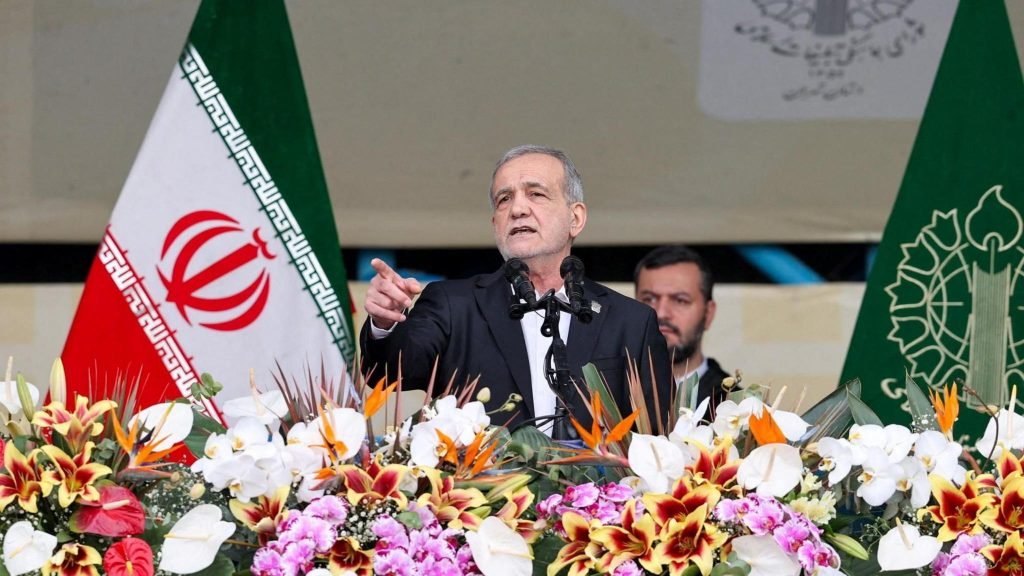
Iranian President Masoud Pezeshkian warned ahead of the meeting that his country would “not yield to excessive demands,” emphasizing Iran’s stance on national sovereignty and regional influence.
Background on US-Israel-Iran Relations
Netanyahu has long considered Iran an existential threat to Israel, advocating for the US to curb Tehran’s influence. Trump, a close ally, has consistently supported Israel while seeking to use both diplomacy and military deterrence to manage Iran’s ambitions.
Prior to Netanyahu’s arrival, he met Trump’s special envoy Steve Witkoff and son-in-law Jared Kushner to discuss the first round of US-Iran negotiations held last Friday. Netanyahu’s team will present Israel’s perspective on what constitutes an acceptable nuclear deal.
US Military Posture in the Middle East
Amid these negotiations, Trump has reinforced the US military presence in the region:
- The USS Abraham Lincoln carrier strike group was deployed last month after Trump threatened strikes to halt Iran’s crackdown on mass protests.
- Trump indicated a possible deployment of a second carrier strike group, saying in an Axios interview, “We have an armada that is heading there and another one might be going. Iran wants to make a deal very badly.”
- In discussions with Fox Business, Trump emphasized that a successful deal would mean “no nuclear weapons, no missiles.”
The US approach blends diplomatic engagement with credible military deterrence, aiming to pressure Iran into a comprehensive agreement without triggering direct conflict.

Iran’s Position
Speaking at a rally in Tehran marking the 47th anniversary of the Islamic Revolution, President Pezeshkian reiterated:
- Iran is not seeking nuclear weapons and is open to verification mechanisms.
- The nation will not yield to aggressive demands, maintaining its regional sovereignty.
- Dialogue continues with neighboring countries to promote peace and stability in the region.
Iran’s stance reflects both internal political pressures and recent vulnerabilities following mass protests and a US-Israel air campaign targeting nuclear and military sites last year.
Israel’s Security Concerns
Israel has warned that it reserves the right to take military action if Iran fails to reach a satisfactory nuclear deal. Netanyahu faces pressure from far-right allies to leverage his relationship with Trump to secure a comprehensive agreement that addresses:
- Iran’s nuclear program
- Ballistic missile development
- Support for regional proxy groups
Experts note that Israel fears a rushed US-Iran deal that might ignore these security concerns. Daniel Byman, a professor at Georgetown University, said:
“Israel is concerned that in the haste to get a deal with Iran, the president might embrace a deal that doesn’t address Iran’s missile program or support for proxy groups, or that allows it to have some remnant of its nuclear program.”
Gaza Ceasefire and Regional Stability
Netanyahu’s visit coincides with US efforts to ensure progress in the Gaza ceasefire agreement between Israel and Hamas:
- The deal, initiated last October, ended a two-year conflict that began with the October 7, 2023 Hamas attack.
- The first phase of the ceasefire reduced hostilities, but violations continue.
- The second phase calls for Hamas disarmament, full Israeli withdrawal from Gaza, and reconstruction of the territory, which has yet to be fully implemented.
A White House spokesperson emphasized:
"Israel has had no better friend in its history than President Trump. We continue to work closely with our ally Israel to implement President Trump's historic Gaza peace agreement and strengthen regional security in the Middle East."Analysis of the Negotiations
Analysts suggest Iran’s leadership is in a weaker position following protests and military pressure, giving the US and Israel leverage. However, while Trump’s rhetoric has been aggressive, former officials caution that he may seek a diplomatic solution over military confrontation, especially with the upcoming US election cycle.
Mohammed Hafez, an expert on Middle Eastern politics, noted:
"The Iranian regime today is really vulnerable. The US and Israel feel they hold all the cards, Iran is on its back foot, and they can make these maximalist demands."The outcome of these talks could reshape the Middle East balance of power, impact global security, and influence US domestic politics in the lead-up to the 2026 election.
Read More: Trump now says 10 aircraft shot down during Pak-India conflict
FAQs
Why is Netanyahu visiting the US now?
Netanyahu is visiting to discuss Iran’s nuclear program with Trump and push for a comprehensive deal that addresses Israel’s security concerns, including ballistic missiles and support for proxy groups.
What are Iran’s demands in the nuclear negotiations?
Iran has offered to limit its nuclear program in exchange for sanctions relief but has rejected restrictions on its missile program and regional influence.
How is the US responding to the Middle East tensions?
Trump has deployed the USS Abraham Lincoln carrier strike group and is considering additional military assets while continuing negotiations with Iran to prevent escalation.
What is the Gaza ceasefire agreement?
The ceasefire, signed last October, ended a two-year conflict between Israel and Hamas. The second phase includes Hamas disarmament, Israeli withdrawal, and reconstruction, which is still pending.
Could the US take military action against Iran?
While Trump has threatened strikes, analysts believe he is likely avoiding major military confrontation before the 2026 election, instead prioritizing a diplomatic solution.
Conclusion
Prime Minister Netanyahu’s sixth visit to the US under President Trump comes at a critical juncture for Middle East diplomacy. The negotiations with Iran, combined with ongoing efforts to stabilize Gaza, highlight the complex interplay of diplomacy, military deterrence, and regional security. While Israel seeks a deal that fully addresses its security concerns, Iran remains firm on sovereignty and strategic independence. The US is balancing pressure and engagement to achieve a diplomatic resolution without triggering conflict.
