

A modular kitchen is more than just a cooking zone it’s a smart, stylish, and highly efficient space designed to make everyday life easier. As contemporary homes evolve, the kitchen has become the true heart of the house, blending aesthetics with functionality. Modular kitchens designs offer homeowners the perfect balance of beauty, practicality, and personalization, making them a leading choice in modern interior design.
Whether you want a sleek minimalist kitchen, a warm traditional space, or a bold contemporary layout, modular systems allow you to tailor every detail to your lifestyle and taste. This article explores the latest design ideas, layout inspirations, materials, storage innovations, and expert tips to help you create the kitchen of your dreams.
What Is a Modular Kitchen?
A modular kitchen is a pre-designed system made up of individual units—also called modules—that fit together perfectly. These modules include cabinets, drawers, shelves, and functional accessories such as pull-outs, tall units, corner solutions, and built-in appliances.
Key benefits of modular kitchens:
- Highly customizable
- Easy installation and maintenance
- Efficient use of space
- Modern aesthetics
- Enhanced storage systems
- Flexibility to upgrade or replace units
Modular designs are engineered to optimize workflow, making every step of cooking from prepping to cleaning faster and smoother.
Popular Modular Kitchen Layouts
A. L-Shaped Kitchen
Ideal for small and medium homes, this layout improves movement and workflow. It also allows space for a breakfast counter or dining table.
B. U-Shaped Kitchen
Designed for larger spaces, the U-shaped layout offers maximum storage and countertop area—perfect for families who cook often.
C. Straight Kitchen
Minimalist and efficient, straight-line kitchens are suitable for studio apartments or narrow spaces.
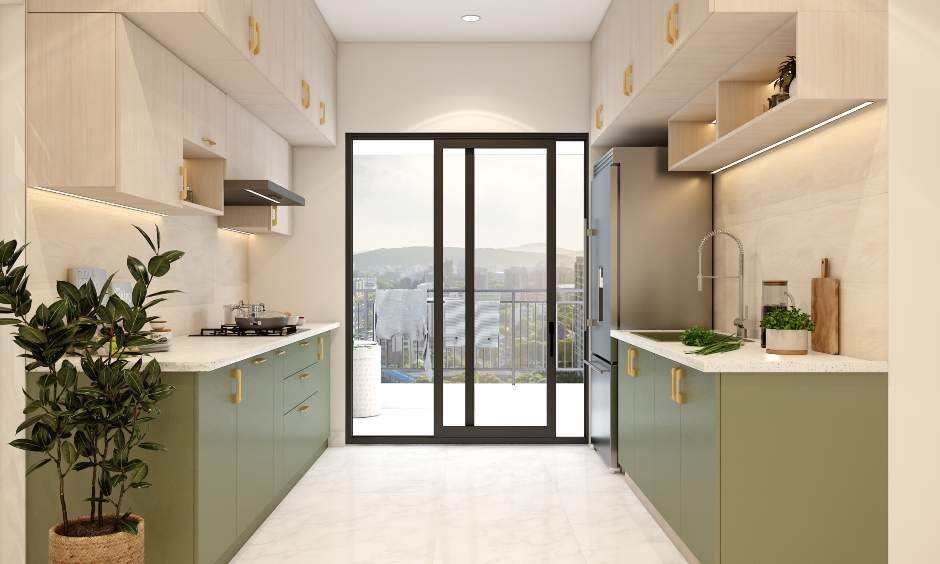
D. Parallel / Galley Kitchen
This layout features two parallel counters, ideal for homes needing high functionality and segmented work zones.
E. Island Kitchen
A luxurious design that adds extra workspace, seating, and aesthetic appeal. Islands work well in open-plan homes.
Trending Modular Kitchen Design Ideas
1. Minimalist Scandinavian Style
Clean lines, muted tones, natural wood finishes, and clutter-free counters form the essence of this calming design approach.
2. High-Gloss Contemporary Kitchens
Reflective lacquered cabinets create a polished, modern feel while making compact spaces look bigger.
3. Matte Elegance
Matte finishes in charcoal, navy blue, forest green, or taupe bring depth and sophistication.
4. Two-Tone Color Schemes
Pairing contrasting shades—like white & walnut or black & gold—adds visual dimension.

5. Smart Storage Innovations
Use:
- Magic corner units
- Tall pantry pull-outs
- Soft-close drawers
- Under-sink storage
- Hidden appliance garages
These improve organization while keeping everything accessible.
6. Open Shelving with Accent Lighting
Combining closed cabinets with open shelves creates visual interest and allows for decorative displays.
Material Options for Modular Kitchens
A. Cabinets
- MDF: Smooth, budget-friendly, great for painted surfaces
- Plywood: Strong, moisture-resistant, durable
- HDF-HMR: High-density option ideal for humid regions
- Particleboard: Affordable and lightweight
B. Countertops
- Quartz: Scratch & stain-resistant, modern look
- Granite: Durable, natural variations, heat-resistant
- Marble: Luxurious but requires maintenance
- Solid Surface: Seamless joints and flexible designs
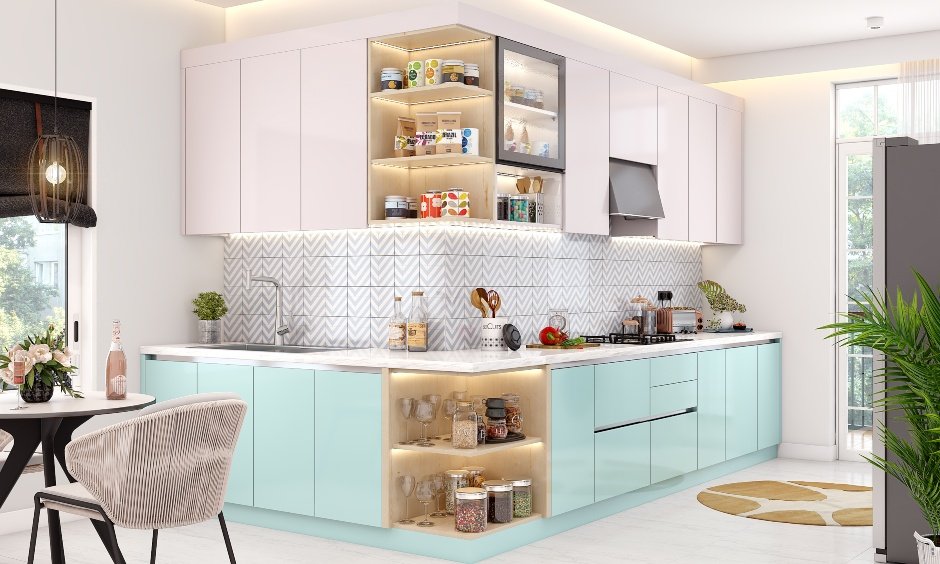
C. Shutters and Finishes
- Laminate
- Acrylic
- PU paint
- Veneer
- Glass
These finishes define the personality of the kitchen—glossy for modern homes, textured wood for warmth, or acrylic for a premium sheen.
Read More: H&S International And Rottet Studio Craft The Ideal Vegas Escape
Color Inspiration for Modern Kitchens
Timeless Neutrals
White, beige, and ivory create a clean and airy feel.
Bold Accents
Royal blue, burgundy, emerald, and mustard add richness.
Earthy Tones
Olive green, terracotta, and warm browns connect the kitchen with nature.
Black & Metallics
Black paired with brass or copper gives a luxurious, designer touch.
Appliances and Accessories to Elevate Your Kitchen
Modern modular kitchens harmonize built-in appliances for a seamless look.
Must-have appliances:
- Built-in oven
- Microwave
- Chimney and hob
- Dishwasher
- Smart refrigerator
- Wine chiller (optional)
Useful accessories:
- Cutlery trays
- Bottle pull-outs
- Spice racks
- Rolling shutters
- Under-cabinet lighting
- Drawer organizers
All these elements contribute to an efficient, clutter-free kitchen.
Lighting That Transforms the Space
Good lighting enhances both functionality and aesthetics.
Types to consider:
- Ambient lighting: Ceiling lights that brighten the room
- Task lighting: Focused lights under cabinets for food prep
- Accent lighting: LED strips in shelves or island undersides
- Pendant lights: Beautiful over an island or breakfast bar
Lighting adds warmth and modernity while highlighting key design features.
Tips for Designing the Perfect Modular Kitchen
- Maintain the work triangle: Stove, sink, and refrigerator should form a triangle for easy movement.
- Choose easy-to-clean materials.
- Avoid overcrowding—simplicity creates space.
- Use vertical space for extra storage.
- Add soft-close hinges and high-quality hardware.
- Integrate ventilation and chimney systems properly.
- Match the kitchen style with your home’s overall theme.
Cost of Modular Kitchen Designs
The cost varies based on:
- Layout
- Materials
- Finish types
- Accessories
- Appliances
- Size of the kitchen
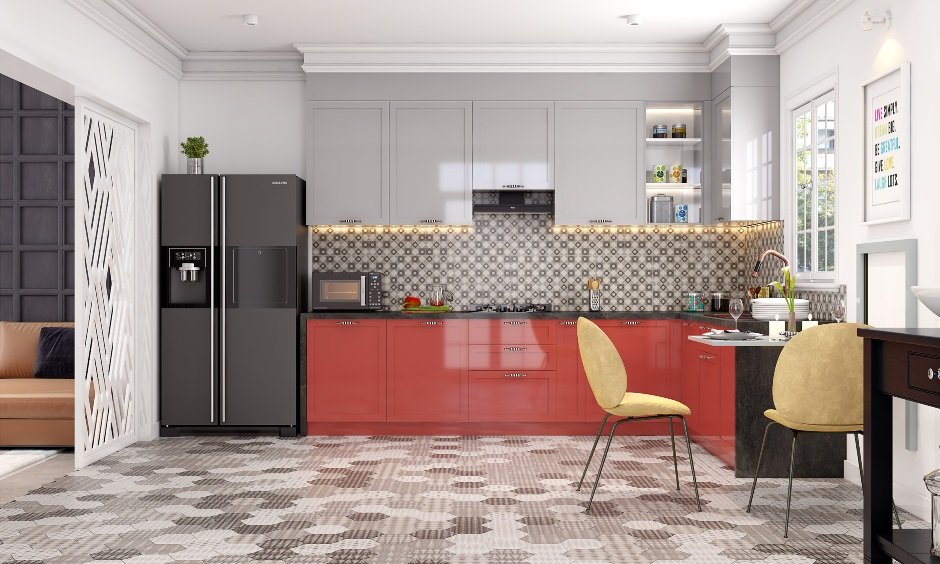
Budget kitchens start at lower ranges, whereas premium kitchens with acrylic finishes, quartz countertops, and high-end appliances can go significantly higher.
Why Modular Kitchens Are the Future
Modular kitchens are rapidly becoming the global standard because they combine convenience, innovation, and beauty. They adapt easily to modern lifestyles, maximize storage in even the smallest homes, and create a cooking experience that feels smooth, enjoyable, and visually stunning. Their flexibility allows homeowners to upgrade sections without rebuilding the entire kitchen—making them both practical and future-ready.
FAQs
What is a modular kitchen?
A modular kitchen is a modern, flexible kitchen system made of prefabricated cabinet units that fit together to form a complete layout. These modules include drawers, shelves, pull-outs, and storage units designed for efficient organization and smooth workflow.
What are the advantages of modular kitchen designs?
Modular kitchens offer superior organization, easy installation, customizable layouts, enhanced storage capacity, and a polished modern look. They also use space efficiently and allow easy repairs or upgrades since each unit is replaceable.
Which modular kitchen layout is best for small homes?
For compact spaces, L-shaped, Straight-line, and Parallel (Galley) kitchens work best. These layouts improve workflow, reduce clutter, and maximize vertical storage without feeling congested.
How much does a modular kitchen cost?
The cost depends on the size of your kitchen, materials used, finishes, accessories, and built-in appliances. Prices can range from budget-friendly setups to premium luxury designs featuring acrylic finishes and quartz countertops.
Which materials are best for modular kitchen cabinets?
The most popular materials include plywood, HDF-HMR, MDF, and particleboard. Plywood and HDF-HMR offer the best durability and moisture resistance, while MDF provides smooth finishes ideal for painted or glossy looks.
What countertop material should I choose for my modular kitchen?
Quartz and granite are the most preferred materials due to their durability, heat resistance, and ease of maintenance. Marble offers premium elegance but requires more upkeep.
Are modular kitchens suitable for Indian cooking?
Yes. Modular kitchens are designed to withstand heavy cooking, regular use, and high heat. With chimney systems, durable countertops, and smart storage, they are highly suitable for Indian-style cooking.
Can modular kitchens be customized?
Absolutely. You can customize every element color scheme, materials, finishes, storage units, appliances, lighting, and layout based on your space and preferences.
How long does it take to install a modular kitchen?
Since modular kitchens are factory-made and assembled on-site, installation typically takes 2–7 days, depending on size and complexity.
Do modular kitchens require maintenance?
Modular kitchens are low-maintenance, but regular cleaning of counters, hardware, and cabinets is essential. Using high-quality materials ensures long-term durability with minimal upkeep.
Conclusion
Modular kitchen designs redefine what a kitchen can be: stylish, organized, efficient, and deeply personal. With endless customization options, innovative layouts, and a wide selection of materials and finishes, they offer a perfect blend of function and luxury. Whether you are redesigning a compact apartment kitchen or planning a spacious open-concept layout, modular systems help you create a space that truly reflects your lifestyle and enhances everyday living.
