


External hemorrhoids manifest as small, inflamed lumps outside the anus, frequently leading to itching, irritation, and intermittent bleeding. These swollen veins beneath the sensitive perianal skin become more evident and uncomfortable compared to internal varieties. Though rarely life-threatening, they disrupt routine activities, particularly when thrombosis develops, causing acute pain. Globally, hemorrhoids affect up to 30% of adults, with external types often presenting acutely and impacting quality of life significantly.
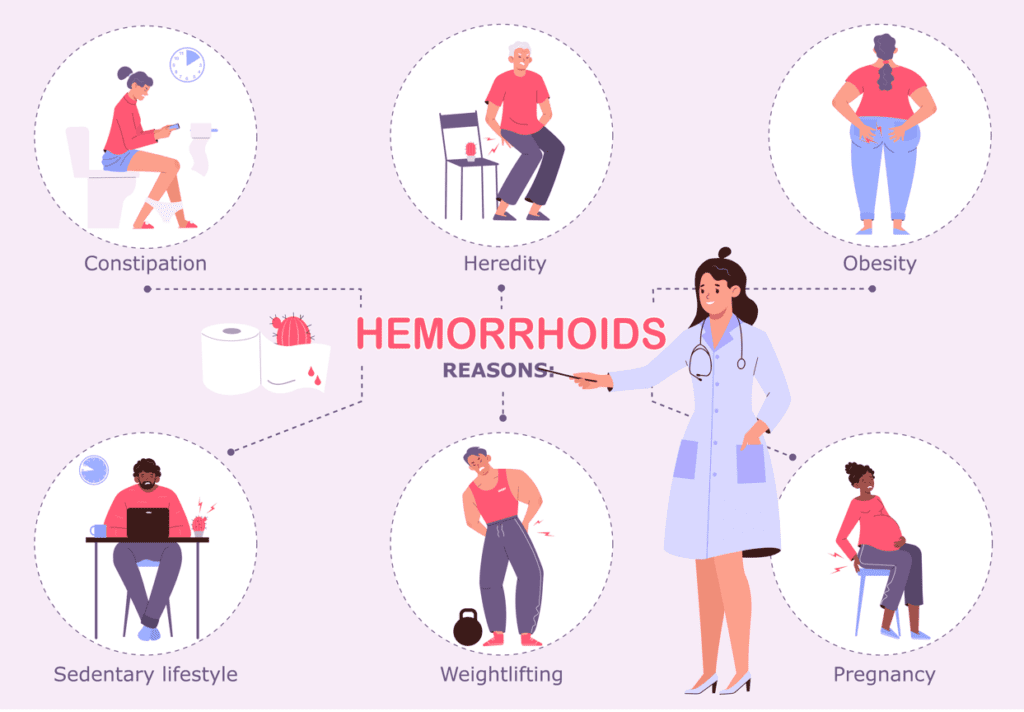
Known colloquially as piles, external hemorrhoids arise from elevated pressure on anorectal veins. Contributing elements include persistent constipation, forceful bowel movements, pregnancy, excess weight, and extended periods of sitting or standing. Prevalence rises globally with age, impacting supportive tissues and affecting up to 50% of adults by age 50. Recent 2025 data from ASCRS and other sources highlight ongoing burdens, with millions seeking treatment annually for symptomatic relief.
In most instances, symptoms subside naturally or through conservative remedies, yet thrombosed external hemorrhoids demand timely intervention for relief. The 2024 ASCRS guidelines, still current into 2025, prioritize non-surgical approaches initially, recommending fiber therapy, office procedures for persistent cases, and excision for acute thrombosis. Early symptom recognition facilitates better outcomes and minimizes complications, aligning with updated protocols emphasizing multimodal management.
What Are External Hemorrhoids?
Appearance and Location
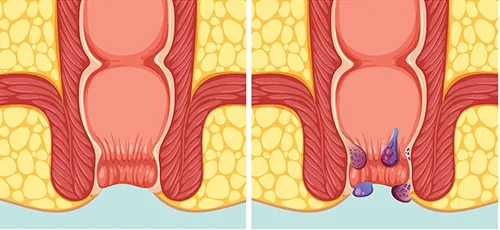
External hemorrhoids develop distal to the dentate line, emerging as visible, palpable swellings covered by highly sensitive anoderm skin. They present as soft, flesh-colored bumps that may enlarge or darken to purple-blue with thrombosis, reflecting trapped blood. Location directly outside the anal verge allows self-detection, often as tender nodules varying from millimeters to centimeters. Residual skin tags may persist post-resolution, causing hygiene issues or cosmetic concerns. Modern imaging and diagrams aid patient education on distinguishing normal anatomy from pathology, improving early identification.
Differences from Internal Hemorrhoids
Internal hemorrhoids reside proximal to the dentate line within the rectal column, covered by insensate mucosa, leading primarily to painless bright red bleeding. External variants, richly supplied by somatic nerves, elicit acute pain from minor trauma or pressure. Internal may bleed profusely without discomfort, while external rarely cause significant hemorrhage unless ruptured. Mixed hemorrhoidal disease combines both, complicating presentations and requiring thorough examination. 2024-2025 ASCRS guidelines stress accurate classification for tailored therapy, noting external focus on pain management.
Comparison with Prolapsed or Thrombosed Types
Prolapsed internal hemorrhoids extend externally during defecation, potentially reducing spontaneously or manually, risking strangulation if irreducible. Thrombosed external hemorrhoids feature rapid clot formation within hours, yielding intense throbbing and discoloration without prolapse. Thrombosis predominantly affects external veins due to lower drainage and higher pressure exposure. Prolapse often links to higher grades, while external thrombosis occurs independently from straining episodes. ASCRS 2024 updates endorse early excision for select thrombosed cases to hasten recovery and reduce pain duration.
Common Symptoms of External Hemorrhoids
Itching, Irritation, and Discomfort
Perianal pruritus ani stems from moisture, fecal residue, or inflammation irritating sensitive skin. Scratching perpetuates a vicious cycle, leading to excoriation and secondary infection risks. Discomfort escalates with prolonged sitting, exercise, or tight clothing friction. Many experience embarrassment, avoiding social situations or intimacy due to constant awareness. Psychological impacts include anxiety over hygiene and fear of worsening, often prompting delayed care-seeking.
Pain and Tenderness
Acute pain dominates thrombosed presentations, described as constant throbbing peaking at 48-72 hours post-onset. Non-thrombosed cause dull ache worsened by movement or bowel actions. Tenderness to palpation is hallmark, often limiting sitting tolerance and requiring cushion use. Pain may radiate to buttocks or thighs, mimicking other conditions. Early differentiation from fissures, abscesses, or fistulas crucial via clinical exam.
Bleeding and Blood Clots
Surface erosion yields minimal bright red blood on wiping or stool exterior, typically self-limiting. Thrombosis forms palpable, firm lumps with overlying discoloration, body reabsorbing clot over 1-3 weeks while pain subsides gradually.
- Minimal bright red streaking typical of external surface bleeding without deep origin.
- Sudden severe pain with visible blue-purple lump signals acute thrombosis.
- Associated edema, warmth, and localized swelling common but usually non-infectious.
Causes and Risk Factors
Straining and Constipation
Forceful Valsalva maneuvers during hard stools elevate intra-abdominal pressure, engorging venous plexuses repeatedly over time. Chronic low-fiber diets harden feces, necessitating straining and perpetuating vicious cycle. Sedentary habits slow colonic transit, exacerbating constipation prevalence in modern lifestyles. Dehydration compounds stool hardness, while irregular eating patterns disrupt motility. Addressing root bowel dysfunction prevents majority of cases, per ongoing epidemiological studies.
Lifestyle and Dietary Factors
Obesity amplifies pelvic pressure via adipose tissue and impaired mechanics. Desk-bound occupations or long commutes stagnate venous return, promoting pooling. Heavy manual labor strains similarly through repeated lifting. Aging degrades connective tissue integrity post-50, reducing resilience. Smoking impairs healing and vascular health, indirectly worsening outcomes. Emerging 2025 data link prolonged smartphone use on toilet to increased risk via extended sitting and straining.
Pregnancy and Other Conditions
Gravidity impacts 30-35% from venous compression by gravid uterus, progesterone-induced relaxation, and constipation from iron supplements. Portal hypertension or ascites rarely cause secondary external swelling in liver disease. Chronic diarrhea irritates perianal skin repeatedly. Genetic vein weakness predisposes certain families. Multifactorial etiology demands comprehensive risk assessment, including occupational and habitual reviews.
Home Remedies and Over-the-Counter Treatments
Warm Baths and Compresses
Sitz baths immerse perineum in warm water 10-20 minutes thrice daily, enhancing circulation, muscle relaxation, and cleansing. Additives like Epsom salts optional but plain water suffices for most. Alternating cold packs vasoconstrict and numb acutely, reducing initial swelling. Portable over-toilet basins improve adherence in busy schedules. Evidence supports reduced edema and pain within days, forming cornerstone of conservative care.
Topical Applications and Pain Relief
Astringent witch hazel pads contract tissues and soothe irritation naturally. Short-term 1% hydrocortisone alleviates inflammation without systemic effects. Barrier creams protect from moisture and friction. Oral NSAIDs like ibuprofen provide systemic anti-inflammatory and analgesic benefits. Lidocaine gels offer targeted topical anesthesia for acute flares. Limit steroids to 7-14 days to avoid atrophy.
Hygiene and Lifestyle Adjustments
Pat dry gently post-defecation; avoid rubbing to prevent trauma. Fragrance-free moist wipes superior to dry paper for cleansing. Breathable cotton underwear reduces maceration and bacterial growth. Stool softeners like docusate ease passage temporarily during acute phases. Elevate feet with stool during bowel movements to mimic squatting physiology.
- Regular sitz baths post-bowel movement for optimal soothing and hygiene.
- Witch hazel applications multiple times daily for natural astringent relief.
- Cold compresses 10-15 minutes to minimize acute swelling and discomfort.
Medical and Surgical Treatments
When to See a Doctor
Urgent evaluation for intractable pain, profuse bleeding, fever suggesting infection, or non-resolving symptoms beyond 7-10 days. Thrombosis within 72 hours optimizes procedural benefits per ASCRS. Anoscopy or proctoscopy differentiates from mimics like anal cancer or IBD. Pregnancy mandates obstetric coordination for safety. 2024-2025 guidelines advise colonoscopy for atypical or persistent bleeding to exclude malignancy.
Clot Removal and Thrombectomy
Office excision under local anesthesia evacuates clot rapidly, alleviating pain dramatically if performed early within 48-72 hours. Simple incision suffices; sutures rarely needed for drainage. Low recurrence with proper technique and follow-up care. Alternatives include conservative management for late presentations or patient preference. Guidelines conditionally recommend for select acute cases with severe symptoms.
Hemorrhoidectomy and Other Procedures
Excisional hemorrhoidectomy removes offending tissue for recurrent or mixed disease, offering durable relief despite postoperative pain. Energy devices like LigaSure minimize bleeding and tissue trauma. Stapled hemorrhoidopexy less favored due to risks in external components. Emerging embolization techniques experimental for high-risk patients. Multimodal analgesia, including nerve blocks, reduces opioids post-op in current protocols.
Prevention Strategies for External Hemorrhoids
Dietary Changes for Better Bowel Health
Target 25-35g fiber daily via gradual incorporation to avoid gas or bloating. Sources include soluble (oats, psyllium for softening) and insoluble (bran for bulk). Supplements like metamucil if dietary insufficient despite efforts. Consistent hydration essential for fiber efficacy. Balanced meals prevent erratic motility and promote regularity long-term.
Read More: What is a honey pack? Benefits and risks
Exercise and Toilet Habits
150 minutes moderate aerobic weekly plus strength training enhances peristalsis and pelvic floor tone. Prompt defecation response avoids fecal hardening and urgency issues. Limit toilet time to 5 minutes; no straining or reading. Squatty potty aids natural physiology by aligning rectum. Weight optimization central to reducing abdominal pressure.
Additional Tips During Pregnancy
Frequent walks counteract stasis and promote circulation. Left lateral positioning relieves caval compression from uterus. Fiber supplements safe with guidance to combat common constipation. Post-delivery vigilance high as risks persist. Support stockings aid venous return in legs and pelvis.
- Diverse high-fiber options: legumes, berries, whole grains, vegetables, nuts.
- Minimum 8-12 glasses water daily for optimal stool softening and transit.
- Respond immediately to bowel urges without postponement or suppression.
FAQs
What do external hemorrhoids look like?
Small, swollen lumps outside the anus, often turning blue-purple when thrombosed.
Are external hemorrhoids painful?
Yes, frequently causing itching, irritation, and severe pain if clotted.
Are external hemorrhoids dangerous?
Generally benign, but intense symptoms or bleeding require evaluation to exclude serious issues.
Do external hemorrhoids go away on their own?
Most subside within weeks using home remedies and lifestyle changes.
Can you push an external hemorrhoid back in?
No; they are fixed externally, differing from prolapsed internal hemorrhoids.
How to treat thrombosed external hemorrhoids?
Conservative care first; surgical clot removal ideal within 72 hours for relief.
What causes external hemorrhoids?
Primarily straining, constipation, pregnancy, obesity, and sedentary habits.
How to prevent external hemorrhoids?
Adopt high-fiber diet, stay hydrated, exercise regularly, and avoid prolonged straining.
Conclusion
External hemorrhoids, though prevalent and distressing, respond excellently to preventive strategies emphasizing high-fiber diets, hydration, and prompt habits alongside conservative therapies like sitz baths and topicals. Thrombosed variants benefit from timely excision per current ASCRS guidelines, while surgery reserves for refractory cases. Heightened awareness and lifestyle modifications substantially curb incidence and recurrence rates. Professional medical input guarantees individualized, evidence-based care for optimal resolution and sustained well-being.
