


The FIFA World Cup 2026 has already broken records before a single ball is kicked, with FIFA announcing on December 12, 2025, that fans submitted over five million ticket requests in the first 24 hours of the third sales phase. This Random Selection Draw phase opened on December 11, following the group stage draw, allowing supporters to apply for tickets to specific matches in the groundbreaking 48-team tournament. Hosted jointly by Canada, Mexico, and the United States from June 11 to July 19, 2026, the event features 104 matches across 16 iconic venues.
Applications poured in from fans in more than 200 countries and territories, illustrating the World Cup’s unmatched global reach and enduring appeal. Even amid heated debates over ticket pricing and the introduction of dynamic pricing elements, this explosive demand proves football’s power to captivate billions, transcending economic concerns and regional boundaries.
This surge builds on earlier sales phases that distributed nearly two million tickets, pushing total engagement to unprecedented levels. As the countdown continues, these figures promise sold-out stadiums, vibrant fan zones, and a celebration of diversity, with more nations represented than ever before. The expanded format ensures thrilling group stages and knockout drama, setting the stage for a historic North American spectacle.
The Surge in Ticket Requests Explained
FIFA’s official statement highlighted the “extraordinary” response just one day after the phase launched, emphasizing how the reveal of group fixtures ignited worldwide enthusiasm.
Why the Numbers Are So High
The transition to 48 teams adds 16 new qualifiers, introducing exciting debuts and fresh rivalries that appeal to emerging football nations. Legendary players like Cristiano Ronaldo, potentially playing his final World Cup, generate immense buzz. The random lottery system, where entry timing doesn’t matter, prompted fans to submit requests immediately to secure their preferences.
Additionally, the tri-host setup across North America makes attendance more feasible for fans from the Americas, while modern digital platforms streamlined the application process. High anticipation following the December group draw further accelerated submissions.
Read More:Anger and disappointment’ as fans priced out of World Cup
Global Participation Breakdown
The three host nations United States, Mexico, and Canada dominated by applicant residence, reflecting local pride and accessibility. Following closely were Colombia, England, Ecuador, Brazil, Argentina, Scotland, Germany, Australia, France, and Panama.
This lineup showcases strong South American interest, driven by passionate fanbases and qualified teams. Scotland’s high ranking stems from their first qualification in 28 years, sparking generational excitement. European and Oceanic representation underscores the tournament’s broad draw.
Comparison to Previous Tournaments
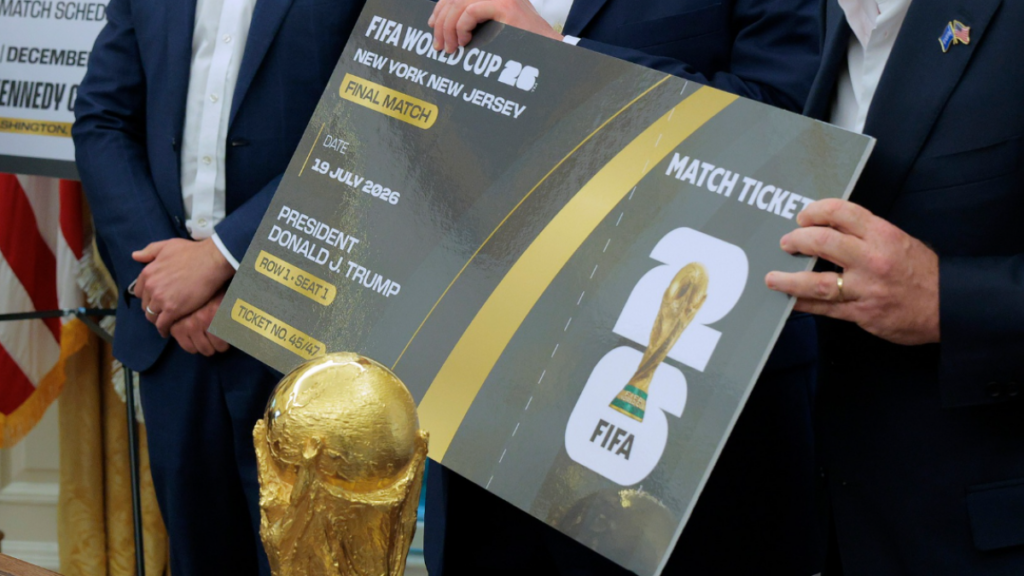
While past World Cups attracted millions of applications across all phases, this 24-hour figure for match-specific requests eclipses previous benchmarks. Qatar 2022 and earlier editions had fewer matches and teams, limiting overall capacity.
The 2026 edition’s 104 games and North American venues offer greater inventory and appeal. Previous phases already achieved record presales without fixed fixtures, making this post-draw explosion even more remarkable.
Most In-Demand Matches Revealed
Group stage fixtures featuring star power and historic matchups topped the request lists, with venues in major cities adding extra allure.
Top Match: Colombia vs Portugal
Leading the pack is the June 27 encounter between Colombia and Portugal at Hard Rock Stadium in Miami. Cristiano Ronaldo’s star appeal for Portugal, combined with Colombia’s vibrant diaspora in Florida and passionate supporters, created overwhelming interest.
This South American-European clash embodies the tournament’s inclusive spirit, promising high-energy atmospheres and potential drama.
Other Blockbuster Group Games
The most requested matches also included several continental showdowns.
- Brazil vs Morocco at MetLife Stadium in New York New Jersey on June 13, pitting five-time champions against African surprise contenders
- Mexico vs Korea Republic at Estadio Akron in Guadalajara on June 18, a must-win home opener for El Tri
- Ecuador vs Germany at MetLife Stadium in New York New Jersey on June 25, featuring South American flair against disciplined Europeans
- Scotland vs Brazil at Hard Rock Stadium in Miami on June 24, marking Scotland’s emotional return against samba superstars
These games highlight diverse representations from five continents.
Factors Driving Match Popularity
Superstars like Ronaldo heavily influence demand, alongside emotional narratives such as long absences or debut appearances. Prestigious venues in cities like Miami and New York enhance prestige.
Cultural connections, regional rivalries, and potential upsets further elevate interest, ensuring these fixtures capture global imagination.
Pricing Controversy and Fan Reactions
The record demand unfolded against a backdrop of significant criticism regarding ticket costs and FIFA’s new pricing strategy.
Understanding Dynamic Pricing
FIFA debuted dynamic pricing at a men’s World Cup, adjusting rates based on demand, though prices remain fixed in the current random phase. Categories range widely, with future phases potentially seeing increases for high-demand games.
This model aims to optimize allocation while generating revenue for worldwide football investment.
Fan Group Criticisms
Football Supporters Europe (FSE) branded prices “extortionate,” calling for an immediate sales halt and negotiations. Groups noted sharp rises compared to Qatar 2022, with some finals tickets exceeding thousands.
Concerns include excluding dedicated, lower-income fans and prioritizing premium buyers, potentially altering traditional supporter atmospheres.
FIFA’s Perspective on Revenue
FIFA, as a non-profit, stresses reinvesting over 90% of revenues into global football development, including women’s, youth, and grassroots programs across 211 member associations.
Officials view the robust demand as validation of the event’s premium status and alignment with North American market dynamics.
How the Ticket Sales Process Works
Prospective attendees must understand FIFA’s multi-stage system to maximize chances.
- Phase 1 & 2: Presales and general draws distributed nearly two million tickets for packages or team followers
- Phase 3: Current Random Selection Draw runs until January 13, 2026, using lottery for specific matches
- Resale Platform: Official exchange opens December 15, 2025, for adjustments
- Hospitality: Premium guaranteed packages sold separately via partners
This structured approach manages high volume while preventing scalping.
Previous and Future Phases
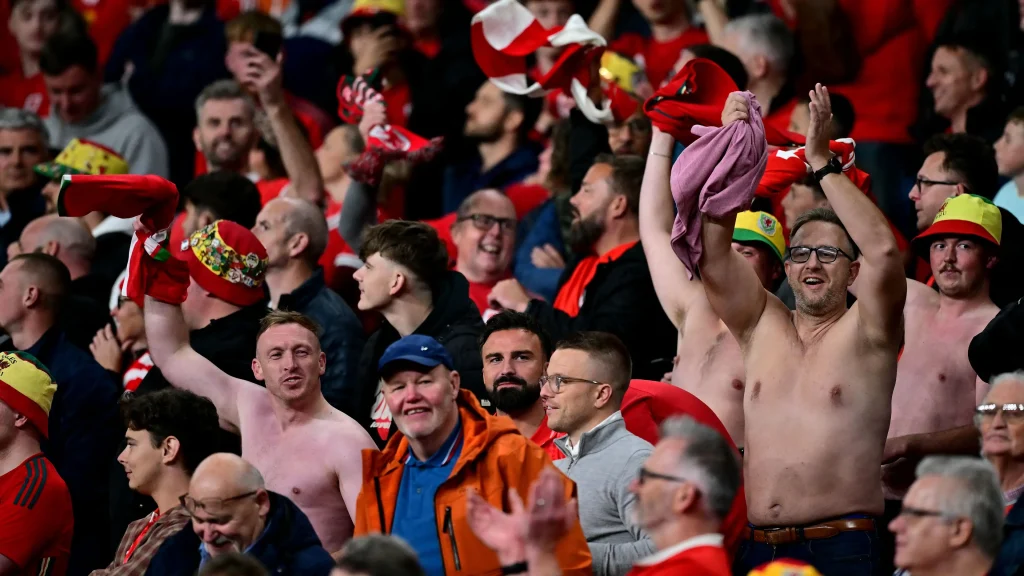
Early phases focused on broad interest, achieving strong uptake. The current stage enables precise selections post-draw.
Notifications and automatic charges occur in February 2026 for winners. Later first-come, first-served sales may introduce more dynamic elements.
Tips for Applicants
Apply exclusively through FIFA.com/tickets to avoid fraud. Respect household limits and research categories carefully.
Since odds are equal regardless of timing, prioritize accurate preferences. Monitor emails for results and prepare payment details.
Impact on Host Cities and Tourism
The ticket frenzy forecasts transformative effects for the 16 host cities spanning three countries.
- Massive influx of international visitors boosting hotels, restaurants, and transport
- Job creation in event services and hospitality sectors
- Long-term infrastructure legacies enhancing urban development
- Cultural festivals and fan zones promoting cross-border exchanges
Sports tourism will surge, extending economic benefits beyond match days.
Broader Economic Benefits
The prolonged 104-match schedule amplifies spending compared to prior tournaments. Investments in stadiums and transport leave sustainable assets.
Promotion of North America as a destination attracts future travelers.
Challenges for Hosts
Coordinating logistics for peak crowds requires robust planning in security and mobility. Sustainability measures address travel emissions.
Ensuring affordable local access amid global demand remains a priority.
Looking Ahead to the Tournament
With momentum building, the FIFA World Cup 2026 promises to redefine the sport’s pinnacle.
Key Dates to Remember
The opening match kicks off June 11, 2026, in Mexico City’s Estadio Azteca. Group stages conclude late June, leading to knockouts.
The final unfolds July 19 at MetLife Stadium in New York New Jersey.
What Makes 2026 Unique
The 48-team format boosts inclusivity and unpredictability. Tri-nation hosting symbolizes unity and shared passion.
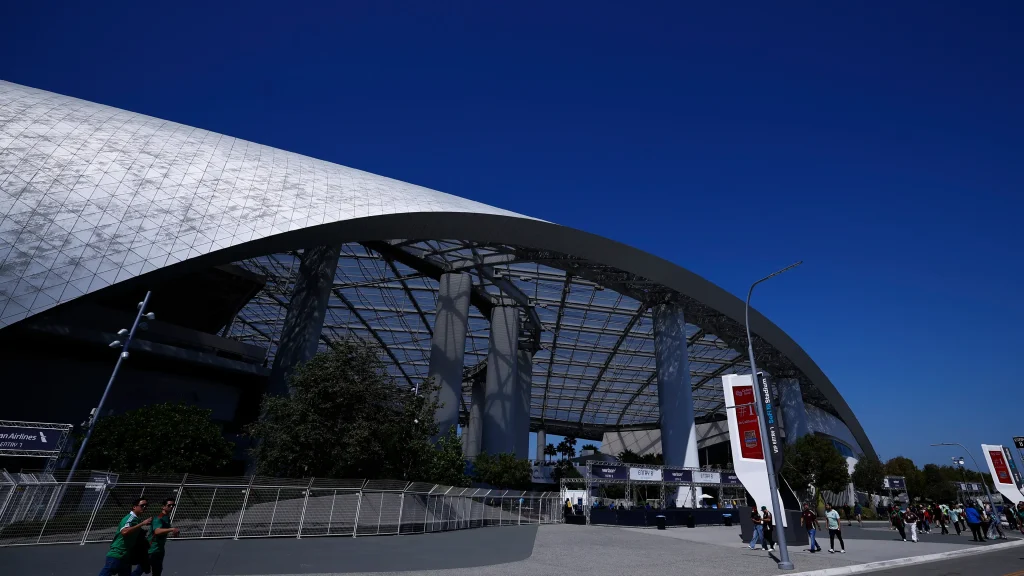
Cutting-edge venues and fan experiences elevate standards.
Excitement Building Worldwide
From South American carnivals to European chants, anticipation unites diverse cultures. Emerging nations celebrate qualifications, while veterans pursue glory.
What is the news about five million World Cup ticket requests?
FIFA announced that fans submitted over five million ticket requests in the first 24 hours after the third phase of ticket sales opened for the 2026 FIFA World Cup. This occurred despite criticism over high ticket prices.
Which World Cup does this refer to?
This refers to the FIFA World Cup 2026, the first edition with 48 teams. It will be co-hosted by the United States, Canada, and Mexico from June 11 to July 19, 2026.
When did this record demand happen?
The third sales phase (Random Selection Draw) opened on Thursday, December 11, 2025, and FIFA reported the five million requests within the first 24 hours, announcing it on Friday, December 12, 2025.
How does the ticket sales process work in this phase?
This is a random selection draw/lottery system. Fans apply for specific matches, categories, and quantities via FIFA.com/tickets. Applications are open until January 13, 2026. Successful applicants will be notified in February 2026 and charged automatically no timing advantage for early submissions.
Which matches have seen the highest demand?
The top-requested group stage matches include:
- Colombia vs. Portugal (Miami, June 27 – featuring Cristiano Ronaldo)
- Brazil vs. Morocco (New York/New Jersey)
- Mexico vs. Korea Republic (Guadalajara)
- Ecuador vs. Germany (New York/New Jersey)
- Scotland vs. Brazil (Miami)
Which countries have shown the most interest?
The highest requests come from the three host nations (United States, Mexico, Canada), followed by Colombia, England, Ecuador, Brazil, Argentina, Scotland, Germany, Australia, France, and Panama. Requests came from fans in over 200 countries and territories.
Why is there backlash despite the high demand?
Many fan groups criticize the ticket prices as too high, calling them “extortionate” and a “betrayal” of supporters. Prices are significantly higher than the 2022 Qatar World Cup (up to 3-5 times for some categories), with dynamic pricing introduced for the first time. There are no child concessions, and following a team to the final could cost over £5,000 for the cheapest seats.
How can I apply for tickets?
Visit the official site at FIFA.com/tickets. Applications are still open in this phase. Avoid unofficial sources to prevent invalid tickets.
Is this a record for ticket requests?
FIFA describes it as “extraordinary demand,” highlighting global excitement for the expanded 48-team tournament. It underscores strong interest even amid pricing controversies.
Conclusion
In conclusion, the remarkable five million ticket requests in a single day underscore the FIFA World Cup 2026’s status as a transcendent global event, rising above pricing controversies through sheer fan devotion. This demand heralds packed venues, economic prosperity for hosts, and unforgettable moments on the pitch. As sales continue and preparations intensify, millions more will secure their spots, ensuring diverse, passionate crowds. The expanded tournament not only promotes inclusivity but also funds football’s worldwide growth, forging legacies that inspire future generations. North America prepares to welcome the world, delivering a landmark chapter in the beautiful game’s history.
