


The revelation of ticket prices for the 2026 FIFA World Cup, co-hosted by the United States, Canada, and Mexico, has ignited a firestorm of criticism from football fans across the globe. As the expanded 48-team tournament approaches, many dedicated supporters find themselves excluded due to costs that have skyrocketed compared to previous editions. Group stage tickets, varying by match “attractiveness,” now start significantly higher, leaving loyal followers from nations like England, Scotland, Ghana, and Haiti feeling alienated from an event meant to celebrate global unity.
This pricing strategy marks a stark departure from FIFA’s earlier promises of affordability during the 2018 bid, which touted cheapest seats as low as $21. Instead, the introduction of variable pricing and elevated fixed rates for loyal fans through Participating Member Associations (PMAs) has drawn accusations of prioritizing profit over passion. Supporter groups argue this undermines the World Cup’s inclusive ethos, especially as the tournament expands to include more smaller nations.
With the third phase of ticket sales launching on December 11, 2025 following the group draw reactions intensified immediately. Over 5 million requests flooded in within 24 hours, underscoring demand, yet many voices highlight “anger and disappointment” as dreams of attending turn into financial nightmares, potentially leading to stadiums filled more by corporates than vibrant traveling supporters.
The Unveiling of 2026 World Cup Ticket Prices
FIFA’s pricing announcement post-draw on December 11, 2025, triggered instant backlash, with variable pricing applied to specific matches for the first time.
Read More:Salah in Liverpool squad for Brighton match
How Prices Compare to Previous Tournaments
Costs have surged dramatically from Qatar 2022, where group stage tickets started at around $70, to 2026 levels often exceeding $180-$265 even for lower categories in PMA allocations. Knockout stages show even sharper rises, with finals nearing seven times Qatar’s equivalents. This escalation continues a trend but accelerates sharply for the North American edition.
Breakdown of Categories and Costs
FIFA offers four categories, with Category 4 the cheapest largely reserved for general sales and subject to dynamic adjustments. PMA supporters access Categories 1-3 at fixed but higher rates. For instance, popular group games like England vs. Croatia reach up to $700 in top tiers, while less “attractive” fixtures start lower but still elevated.
Variable Pricing and Match-Specific Adjustments
A new “attractiveness” factor drives costs: Scotland vs. Haiti starts cheaper, around $180 minimum, while Scotland vs. Brazil hits $265+. This lacks full transparency, frustrating fans as identical stages vary widely. Following a team to the final via PMA could exceed $6,900, five times Qatar’s cost.
Fan Reactions: Voices of Frustration
Supporters worldwide have mobilized, sharing stories of shattered plans and calling for change amid the December 2025 sales phase.
England Fans Feel Betrayed
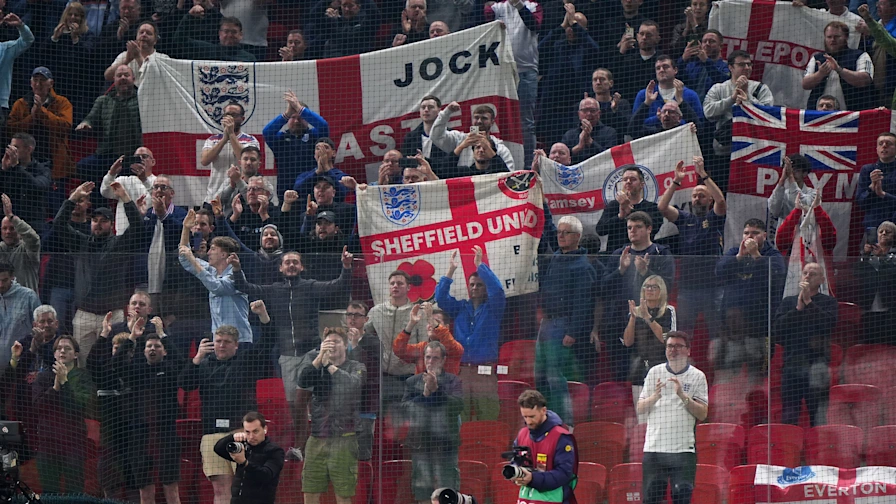
England Supporters Travel Club members decry prices as a “slap in the face,” with group games starting at $265 for Croatia clashes. Veterans lament years of loyalty unmet, with some vowing to skip knockouts where costs balloon further.
Impact on Fans from Smaller Nations
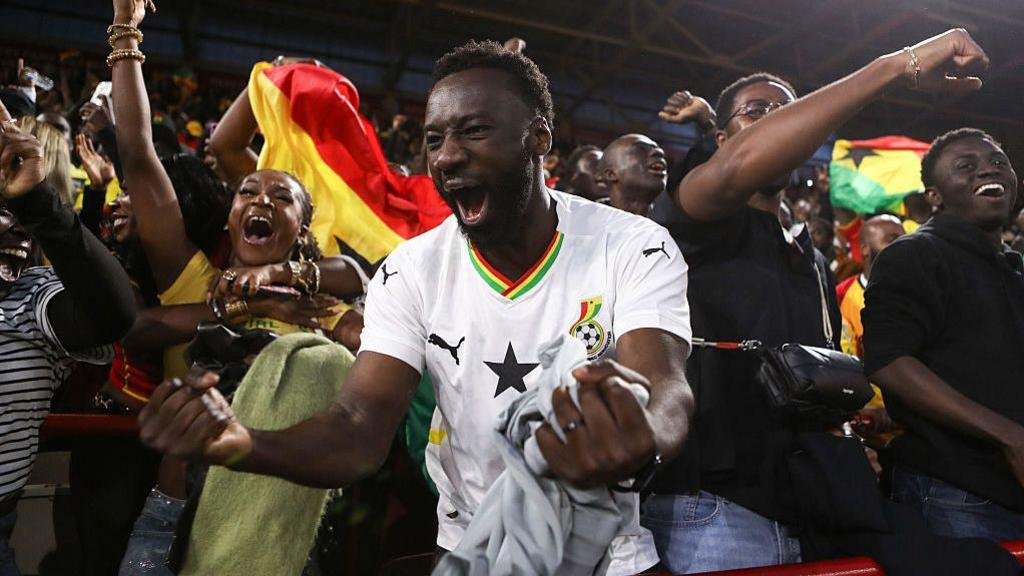
- Ghanaian fans face group tickets surpassing average monthly wages of $254, prompting trip cancellations and deep frustration.
- Haitian supporters see three-match packages equaling over four months’ salary, dimming hopes for their nation’s rare appearance.
- Similar hardships affect other emerging qualifiers, widening the accessibility gap despite tournament expansion.
Global Outcry from Supporter Groups
Football Supporters Europe (FSE) branded the approach “extortionate” and a “monumental betrayal,” demanding immediate sales halt and review. The Football Supporters’ Association echoed this as a “laughable insult,” while Scottish groups urged associations to confront FIFA directly.
Why Prices Have Skyrocketed
Multiple elements, from market influences to strategic shifts, explain the dramatic increases revealed in late 2025.
FIFA’s Commercial Strategy Shift
Prioritizing revenue in a 104-match event, FIFA embraced variable pricing to capitalize on demand. This contrasts with fixed rates in past tournaments, aiming to reflect North American sports norms where premium events command high fees.
Comparison to Bid Promises
The 2018 United 2026 bid emphasized affordability, promising widespread cheap seats. Current realities deviating sharply with limited low-category access for loyal fans fuel betrayal claims, as expansions meant to include more nations ironically price out their supporters.
Influence of Host Market Dynamics
Hosting across vast North America exposes pricing to U.S.-style premium models, plus added travel burdens like cross-continental flights. High demand from over 200 countries, including strong U.S. interest, justifies hikes in FIFA’s view but alienates international travelers.
Historical Context: Past World Cup Pricing
Tracing back reveals a gradual rise, but 2026 represents an unprecedented leap.
Qatar 2022: Relatively Affordable Access
Qatar provided accessible entry, with group tickets from $70 and finals up to $1,600. Fans lauded this, especially residents’ subsidies, creating vibrant atmospheres that contrasted upcoming exclusions.
Russia 2018 and Earlier Editions
Moderate pricing prevailed, with finals under $1,100 in top categories. Events like Brazil 2014 balanced costs, allowing diverse crowds. Expansion promises for 2026 were framed as boosting inclusivity, yet pricing contradicts this.
The 1994 USA World Cup Benchmark
The prior U.S.-hosted tournament offered tickets from $25-$475, attracting record attendances. Inflation-adjusted, today’s figures still dwarf those, highlighting how commercial evolution has transformed accessibility.
Potential Consequences for the Tournament
Elevated costs risk reshaping the World Cup’s essence, from atmosphere to legacy.
Empty Seats and Lost Atmosphere
- Stadiums may prioritize corporates and locals over colorful international contingents.
- Iconic chants and fan displays could diminish, muting the global carnival feel.
- Sections for smaller nations risk sparsity, reducing the tournament’s diverse representation.
Calls for Boycotts and Alternatives
Groups advocate partial attendance or home viewings. Suggestions include European fan zones for affordable communal experiences, potentially shifting traditions away from on-site support.
Long-Term Damage to Fan Loyalty
Eroding trust through repeated grievances may deter future engagement. As FIFA touts record requests, critics warn ignoring grassroots passion could harm the sport’s pinnacle event enduringly.

FIFA’s Response and Ongoing Developments
Amid backlash, FIFA emphasized soaring demand while facing calls for adjustments.
Official Statements on Demand
FIFA highlighted 5 million requests in the first day of the December 11 phase, from over 200 countries, as proof of global excitement. No direct rebuttal to pricing criticism has emerged yet.
Possibilities for Adjustments
Associations like England’s FA pledged to relay concerns. FSE pushes for consultation and Category 4 access for PMAs, though FIFA appears committed to the model.
Future Ticketing Phases Ahead
Remaining sales may intensify dynamic elements, with resale platforms potentially inflating costs further. First-come-first-served releases closer to June 2026 could offer last chances, albeit limited.
What are the current ticket prices for group stage matches?
Prices vary by match demand and category, starting from around $180 for lower-demand games up to $700 for high-profile group fixtures in premium categories. Cheaper Category 4 seats are limited.
How much does a ticket to the final cost?
The cheapest available tickets for the final at MetLife Stadium start at approximately $4,185, with premium seats reaching up to $8,680 or more.
When is the next ticket sales phase?
The Random Selection Draw phase opened on December 11, 2025, and applications are accepted until January 13, 2026. Successful applicants will be notified in February.
Why are prices so high compared to previous World Cups?
FIFA cites alignment with North American market standards, variable pricing based on demand, and the expanded tournament format as factors driving increased costs.
Can fans from smaller nations afford to attend?
Many supporters from developing countries report that even group stage tickets exceed monthly wages, leading to widespread cancellations and calls for more affordable options.
Conclusion
The 2026 World Cup ticket pricing saga reveals deep tensions between FIFA’s commercial ambitions and the devoted fans who animate the tournament. Record demand signals enduring appeal, yet widespread exclusion risks diluting the vibrant, inclusive spectacle that defines football’s greatest stage. Balancing profitability with accessibility remains crucial to preserving the World Cup’s universal magic.
