


Electric toothbrushes have transformed the way people approach daily oral care. Unlike manual toothbrushes, which rely entirely on technique and consistency, electric toothbrushes use advanced technologies such as oscillating-rotating movements, sonic vibrations, and micro-pulses to deliver a deeper, more consistent clean. While a manual toothbrush can still be effective, modern electric toothbrushes help users brush better, longer, and more gently—often with measurable improvements in gum health and plaque removal over time.
In recent years, electric toothbrushes have evolved far beyond simple powered brushes. Many now feature smart pressure sensors, quadrant timers, multiple brushing modes, and even AI-powered apps that track brushing habits in real time. Some premium models offer visual feedback, interactive displays, and personalized coaching, making it easier than ever to build and maintain proper oral hygiene habits.
To find the best electric toothbrushes available today, we tested more than 40 models across a wide range of brands, prices, and feature sets. Our goal was simple: identify the toothbrushes that genuinely improve the brushing experience and deliver noticeable results—whether you’re on a budget, travel frequently, have sensitive teeth, or want the most advanced option on the market.
Our Testing Methodology
Our testing process was extensive and hands-on. Over several months, we evaluated electric toothbrushes from leading brands such as Oral-B, Philips Sonicare, Quip, Waterpik, Colgate, and others. Testing was conducted both in controlled lab environments and during everyday at-home use to ensure real-world accuracy.
In total, we logged more than 3,400 hours of brushing time. Each toothbrush was tested for setup, daily usability, comfort, cleaning performance, durability, and overall value. We also assessed how well each model performed when removing plaque after meals, including sticky and hard-to-clean foods.
Here’s what we focused on during testing:
Ease of Use
We evaluated how intuitive each toothbrush was right out of the box. Models with straightforward controls, clear indicators, and minimal setup scored higher than those that required excessive app configuration or manual reading.
Design and Comfort
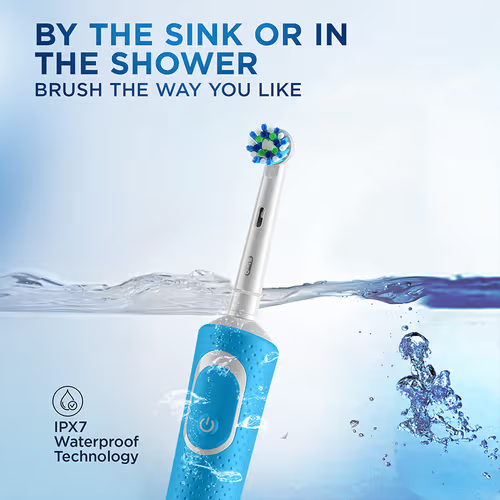
Comfort matters when you’re brushing twice a day. We examined handle grip, weight balance, brush head size, and maneuverability—especially in hard-to-reach areas like molars and along the gumline.
Features and Technology
We tested all brushing modes, timers, pressure sensors, battery indicators, and smart features. For toothbrushes with companion apps, we assessed app usability, accuracy, and whether the features actually enhanced brushing rather than distracting from it.
Cleaning Effectiveness
The most important factor was how clean our teeth felt after brushing. We paid close attention to plaque removal, gum comfort, and freshness after each session. If a toothbrush didn’t consistently deliver a clean feeling, it didn’t make the cut.
Value for Money
Price was compared against performance, durability, included accessories, and long-term costs such as replacement brush heads.
What to Look for in an Electric Toothbrush
Before choosing an electric toothbrush, it’s important to understand which features truly matter and which are simply nice extras.
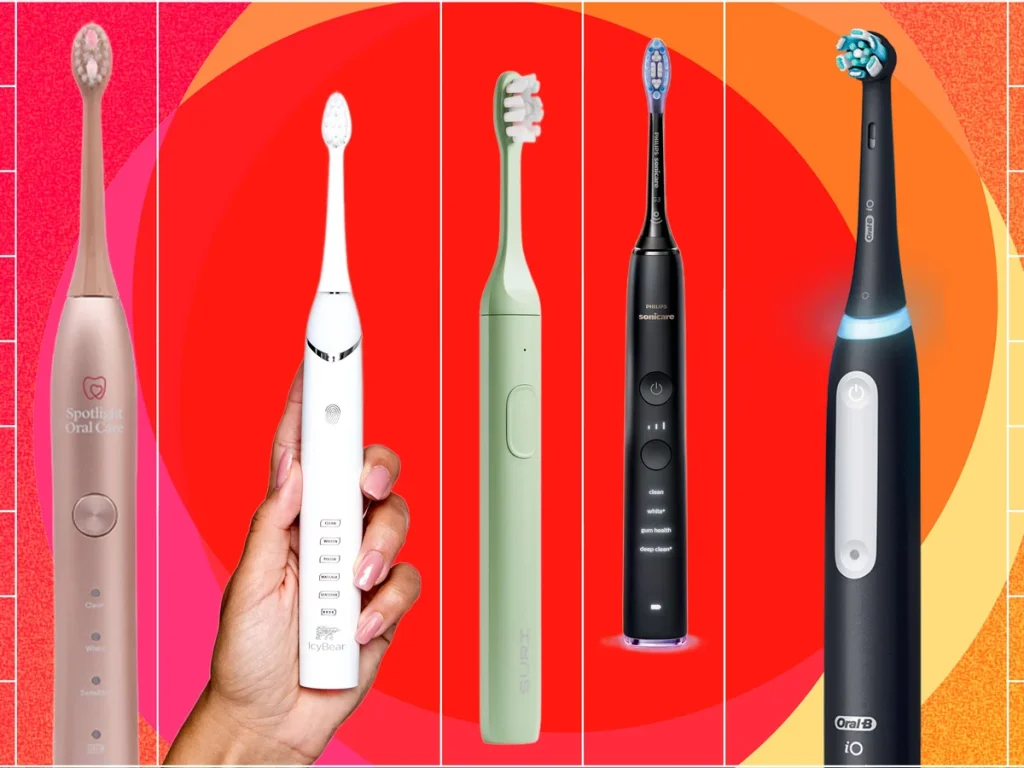
Built-in Timers: Most dentists recommend brushing for two minutes. Built-in timers—often with 30-second quadrant alerts—help ensure even, thorough cleaning.
Brushing Modes: Many toothbrushes offer multiple modes such as clean, whiten, gum care, or sensitive. While names vary, the main difference is vibration speed and intensity.
Pressure Sensors: Brushing too hard can damage enamel and irritate gums. Pressure sensors alert you when to ease up, making them especially valuable for sensitive teeth.
Smart Connectivity: Bluetooth-enabled toothbrushes can sync with apps to track brushing time, pressure, and coverage. While not essential, they can help improve technique and consistency.
Brush Head Replacement Alerts: Dentists recommend changing brush heads every three months. Some toothbrushes remind you when it’s time, helping maintain optimal performance.
Battery Life: Most rechargeable models last between two and three weeks on a single charge, making them convenient for travel and daily use.
Accessories: Travel cases, charging stands, and spare brush heads add convenience and long-term value.
Best Electric Toothbrushes by Category
Best Overall: Oral-B iO Series 10
The Oral-B iO Series 10 stands out as the most advanced electric toothbrush we tested. It combines powerful oscillating-rotating technology with AI-driven brushing recognition, real-time coverage feedback, and a smart charging base that displays brushing guidance.
The handle feels well-balanced, and the small, round brush head allows precise cleaning in tight spaces. With seven brushing modes, a responsive pressure sensor, and an interactive display, it offers one of the most comprehensive brushing experiences available today. While the price is undeniably high, the performance and technology justify the investment for those who want the best.
Best for: Tech enthusiasts, comprehensive oral care, premium users
Best Budget: Voom Sonic Pro 5 Electronic Toothbrush
The Voom Sonic Pro 5 proves that you don’t need to spend hundreds of dollars to get an excellent clean. Despite its affordable price, it offers five brushing modes, a two-minute timer with quadrant alerts, and impressive cleaning performance.
Setup is simple, the handle is comfortable, and the brush delivers a clean feeling comparable to more expensive models. While it lacks advanced features like pressure sensors and battery indicators, it excels where it matters most: effective daily cleaning.
Best for: Budget-conscious buyers, beginners, everyday use
Best for Travel: Oral-B iO Series 8
The Oral-B iO Series 8 is a strong choice for frequent travelers. Its sleek design, compact travel case, and long-lasting battery make it easy to take on the road. Like other iO models, it features AI-powered tracking, smart pressure sensors, and multiple brushing modes.
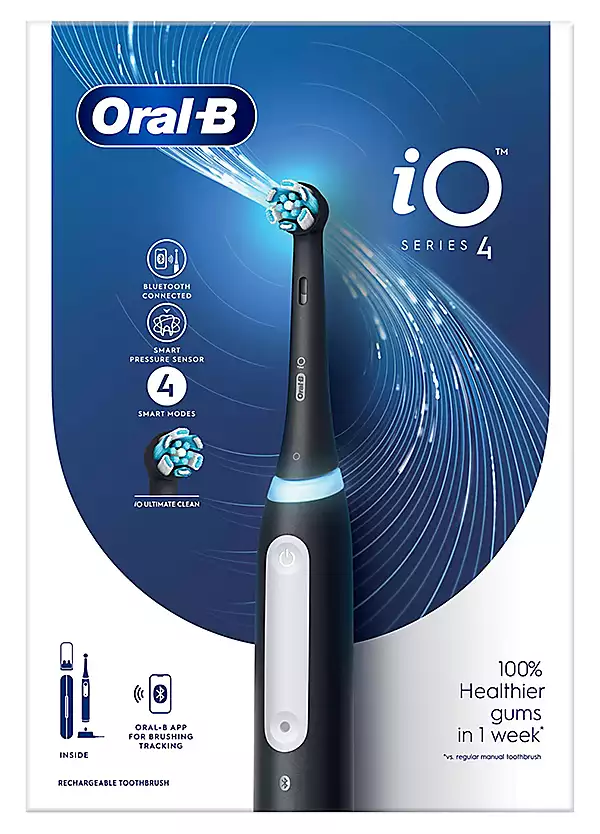
The app adds a gamified element to brushing, offering scores and feedback that encourage better habits. While setup requires an app download, the overall experience is polished and effective.
Best for: Travelers, frequent flyers, on-the-go professionals
Best Sonicare: Philips Sonicare ProtectiveClean 6100
For users who prefer simplicity over smart features, the Philips Sonicare ProtectiveClean 6100 is an outstanding choice. It offers three brushing modes, adjustable intensity levels, a pressure sensor, and excellent battery life—without relying on apps or connectivity.
The brush is intuitive, comfortable to use, and delivers a powerful yet gentle clean. After testing, our teeth consistently felt as clean as they do after a professional dental visit.
Best for: Sonic brushing fans, sensitive gums, no-app users
Best for Sensitive Teeth: Oral-B iO Series 5
Designed with comfort in mind, the Oral-B iO Series 5 is ideal for people with sensitive teeth or gums. It includes sensitive and extra-sensitive modes, a pressure sensor, and a built-in timer with quadrant alerts.
Despite being more affordable than higher-end iO models, it still delivers excellent cleaning performance and smart features. It’s a great balance between comfort, technology, and price.
Best for: Sensitive teeth, gentle brushing, controlled pressure
Read More: The Best Shampoos For Hair Growth, According to Dermatologists
FAQs
Are electric toothbrushes really better than manual toothbrushes?
Yes. Research shows electric toothbrushes remove more plaque and reduce gingivitis more effectively than manual brushing when used correctly.
How often should I replace the brush head?
Brush heads should be replaced every three months or sooner if the bristles appear worn.Are electric toothbrushes safe for sensitive teeth?
Yes. Many models include sensitive modes and pressure sensors designed specifically for gentle cleaning.
Do I need a toothbrush with an app?
No. Apps are optional and helpful for tracking habits, but they’re not necessary for effective cleaning.
How long do electric toothbrush batteries last?
Most rechargeable toothbrushes last two to three weeks on a single charge.
Are expensive electric toothbrushes worth it?
Premium models offer advanced features, but excellent cleaning performance is also available at lower price points.
Can electric toothbrushes help improve gum health?
Yes. Consistent use can reduce plaque buildup and improve gum health over time.
Conclusion
After testing more than 40 electric toothbrushes, one thing is clear: the right electric toothbrush can significantly improve your daily oral care routine. Whether you’re looking for an affordable option, a travel-friendly model, or a feature-packed premium toothbrush, there’s a solution that fits your needs. Investing in a quality electric toothbrush not only enhances brushing efficiency but also supports healthier teeth and gums for years to come.
