


Collagen supplements have become increasingly popular for supporting skin, hair, joints, and overall wellness. To help readers choose the best option, we researched and taste-tested top collagen supplements available on the market. Our review focuses on quality, ingredients, collagen types, taste, mixability, and overall value.
Updated on November 21, 2025, this guide is written by Amy Fischer, MS, RD, CDN, a registered dietitian and experienced health writer who personally tested and reviewed many of the collagen supplements featured here.
Why Collagen Supplements Matter
As a registered dietitian, I always encourage getting nutrients from whole foods first. However, collagen is one nutrient that can be difficult to consume consistently through diet alone. Collagen is a structural protein that supports skin elasticity, strengthens hair and nails, and promotes joint, muscle, and bone health.
Unfortunately, natural collagen production declines with age. While foods like bone broth and fish skin contain collagen, they aren’t commonly eaten daily. Collagen supplements provide a convenient and effective way to fill this gap, especially when combined with vitamin C and a balanced protein intake.
Top Picks at a Glance
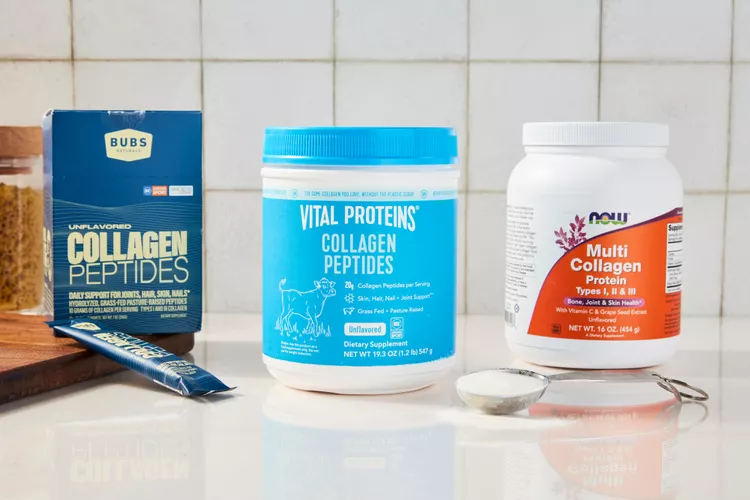
- Best Overall: Vital Proteins Collagen Peptides
- Best Vanilla Flavor: Sports Research Collagen Powder
- Best Chocolate Flavor: Great Lakes Chocolate Collagen
- Best for Skin, Hair & Nails: Bubs Naturals Collagen Peptides
- Best for Joint Support: Momentous Collagen Peptides
- Best Gummy: OLLY Glowing Skin Collagen Gummies
- Best for Athletes: Gnarly Collagen Pro
- Best Marine-Based: Procaps Marine Collagen Peptides
- Best Multi-Type (I, II & III): NOW Multi Collagen Protein
- Best Capsule: Youtheory Collagen with Vitamin C
What the Science Says
Recent studies suggest collagen supplements may help reduce joint pain and improve skin elasticity, although visible skin benefits can take up to eight weeks. Collagen is not a complete protein, meaning it lacks some essential amino acids, but pairing it with foods like eggs, chicken, or protein powder can balance this out.
Most collagen supplements are tasteless and dissolve easily, making them simple to add to coffee, tea, smoothies, or oatmeal.
Our Testing and Research Process
We tested 25 top-rated collagen supplements, evaluating:
- Taste and aftertaste
- Smell and texture
- Mixability in hot and cold liquids
- Ingredient quality
- Collagen types and dosage
- Independent testing and certifications
All recommended products use collagen peptides (hydrolyzed collagen), which are broken down for easier digestion and absorption.
Key Ingredients to Look For
- Vitamin C: Supports collagen synthesis and absorption
- Zinc: Plays a role in tissue repair and immune function
- Clean sourcing: Bovine or marine collagen from reputable suppliers
Always review supplement labels carefully and avoid excessive intake of added vitamins or minerals.
Types of Collagen Explained
- Type I: Skin, bones, tendons, ligaments
- Type II: Cartilage and joint health
- Type III: Skin, muscles, organs
- Type IV & V: Skin structure and hair health
Multi-collagen formulas provide broader benefits by combining several types.
How Much Collagen Should You Take?
- Most studies use 5–15 grams per day for 8–12 weeks.
- Skin support: 2.5–5 grams
- Joint and bone health: 10–15 grams
Your ideal dose depends on your health goals, diet, and lifestyle.
Read More: Electric Toothbrushes of 2025: Tested and Ranked After 40+ Reviews
Frequently Asked Questions
Is it safe to take collagen every day?
Yes, collagen is generally safe for daily use and does not build up in the body.
When is the best time to take collagen?
Any time of day works. Many people prefer morning coffee or post-workout.
Does collagen help hair growth?
It may reduce breakage and support thickness, but more research is needed.
Are collagen gummies effective?
They’re convenient but usually contain less collagen and more sugar than powders.
Is marine collagen better than bovine collagen?
Marine collagen is easily absorbed and ideal for pescatarians, while bovine offers broader collagen types.
Can collagen replace protein powder?
No. Collagen isn’t a complete protein and should complement, not replace, other protein sources.
Who should avoid collagen supplements?
People with allergies, kidney issues, or those on certain medications should consult a healthcare provider.
Conclusion
Collagen supplements can be a convenient and effective addition to a balanced diet, especially for supporting skin, joints, and healthy aging. While they aren’t a miracle solution, high-quality collagen peptides paired with proper nutrition may offer real benefits over time. Choosing the right type, dose, and formulation and using it consistently is key to seeing results safely and effectively.
