


Technology in emergency services is changing how police departments, fire brigades, ambulance teams, hospitals, and disaster-response agencies protect the public. Digital dispatch systems, GPS tracking, drones, artificial intelligence, and real-time communication tools help responders understand incidents faster and reach people more efficiently.
These systems can save time during critical situations, but they must be accurate, secure, and easy to use. Emergency agencies also need trained staff, reliable backup systems, and strong privacy rules. Technology works best when it supports human judgment instead of replacing experienced emergency professionals.
What Technology in Emergency Services Means
Technology in emergency services refers to the digital systems and equipment used to prepare for emergencies, receive alerts, coordinate teams, and support rescue operations.
It may include:
- Emergency call-management systems
- GPS and vehicle tracking
- Digital maps
- Drones and thermal cameras
- Body-worn cameras
- Public warning applications
- Artificial intelligence
- Electronic patient records
- Satellite communication
- Disaster-prediction systems
The main purpose is to improve communication, reduce response times, and give emergency teams better information.
How Digital Dispatch Improves Response Times
Emergency dispatch centres receive calls, identify the type of incident, and send the correct team. Older systems often depended heavily on manual communication.
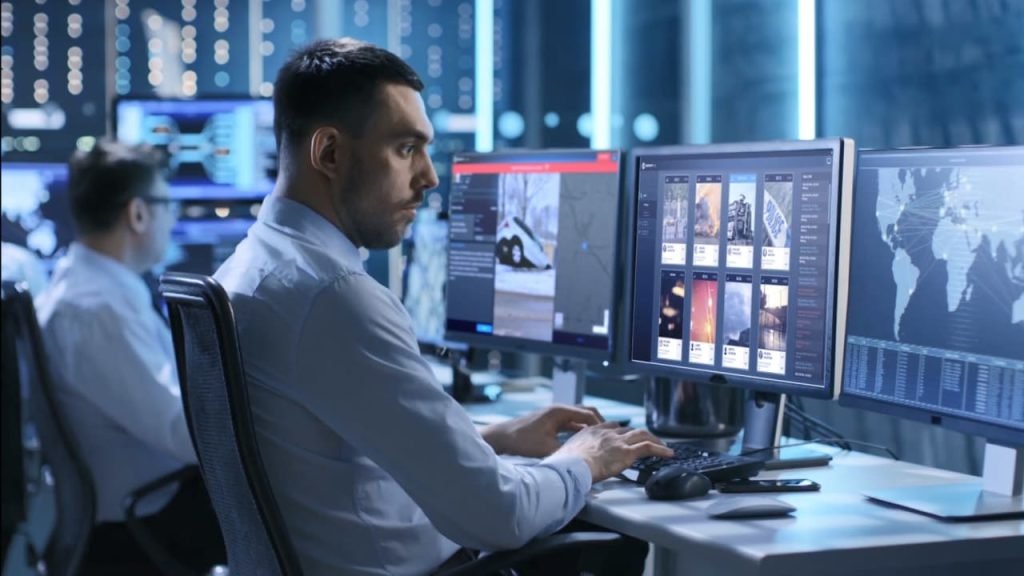
Modern computer-aided dispatch systems organize calls, display available units, and recommend the closest suitable team.
Faster Location Identification
GPS technology helps dispatchers identify where an emergency is happening. This is especially useful when callers are confused, injured, or unfamiliar with the area.
Accurate location data can help responders find:
- Road accidents
- House fires
- Missing people
- Medical emergencies
- Flooded areas
- Remote incidents
A small improvement in location accuracy may save valuable minutes.
Better Unit Coordination
Dispatch software can show which police vehicle, ambulance, or fire engine is closest to the incident.
It may also display whether a unit is available, already responding, or carrying special equipment. This allows dispatchers to send resources more effectively.
Technology should still allow manual control because dispatchers may understand local conditions that automated systems cannot detect.
GPS and Real-Time Mapping
Digital maps give emergency teams a clearer view of roads, buildings, hazards, and changing conditions.
Ambulance crews can use navigation systems to avoid traffic. Firefighters can view building plans or nearby water sources. Disaster teams can identify blocked roads and safe evacuation routes.
Live Traffic Information
Traffic congestion can delay emergency vehicles. Real-time navigation systems may suggest faster routes based on road closures, accidents, or heavy traffic.
Some cities also use traffic-signal technology that gives emergency vehicles priority at busy intersections.
Mapping Disaster Areas
During floods, wildfires, earthquakes, or storms, normal maps may become outdated quickly.
Emergency teams can combine satellite images, drone footage, weather information, and local reports to create updated maps. These maps help agencies decide where to send rescue workers and supplies.
Drones in Search and Rescue Operations
Drones allow emergency teams to inspect dangerous or difficult areas without immediately placing rescuers at risk.
They can be used during:
- Wildfires
- Floods
- Earthquakes
- Building collapses
- Mountain rescues
- Missing-person searches
- Chemical incidents
A drone may reach an area faster than a ground team and provide live video to the command centre.
Thermal Imaging
Thermal cameras can detect heat from people, animals, vehicles, or fires.
Search teams may use thermal drones to find a missing person at night or identify hidden fire inside a damaged building.
However, weather, battery limits, legal restrictions, and signal problems can reduce drone performance. They should support rescue teams rather than become the only source of information.
Technology in Ambulance and Medical Services
Emergency medical teams need quick access to accurate patient information.
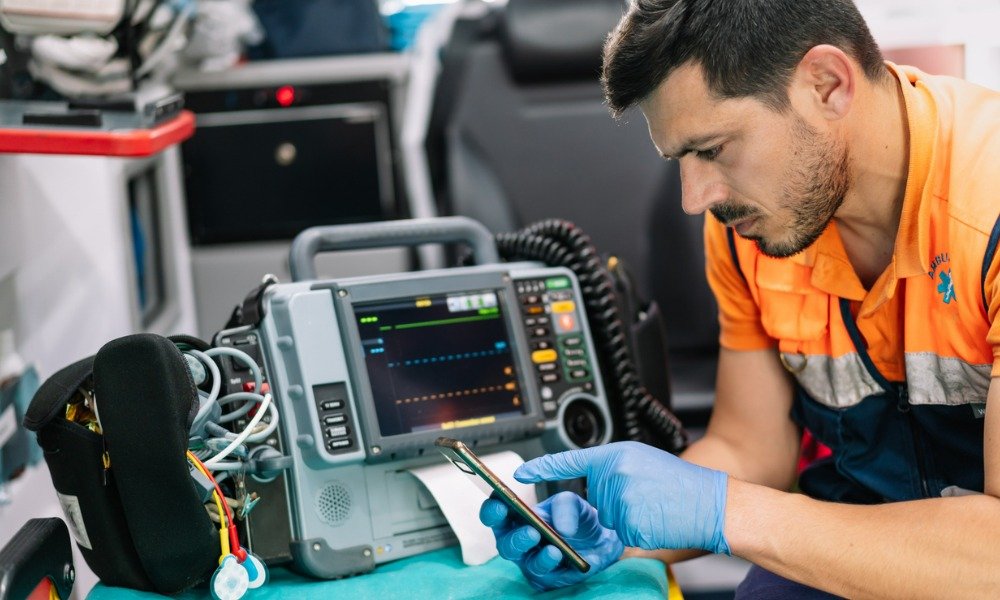
Digital systems can help paramedics record symptoms, treatments, medicines, and vital signs while travelling to the hospital.
Sharing Patient Information
Electronic patient records can be sent to the receiving hospital before the ambulance arrives.
This gives doctors time to prepare equipment, medicine, and specialist staff. It may be especially valuable for stroke, heart attack, trauma, or severe allergic-reaction cases.
Patient information must be encrypted and shared only with authorized healthcare workers.
Remote Medical Support
Telemedicine allows paramedics to communicate with doctors during an emergency.
A specialist may view a patient’s condition, examine test results, and advise the ambulance team. This can improve care in remote locations where hospitals are far away.
Artificial Intelligence in Emergency Services
Artificial intelligence can analyze large amounts of information more quickly than a person.
Emergency agencies may use AI to:
- Prioritize incoming calls
- Identify high-risk incidents
- Predict demand for ambulances
- Detect smoke or fire
- Review camera footage
- Analyze weather risks
- Translate emergency messages
- Support disaster planning
AI may help teams notice patterns, but it can also make mistakes.
Human Oversight Remains Essential
An automated system should not make major emergency decisions without human review.
A dispatcher must be able to override an AI recommendation when local knowledge, caller behaviour, or changing conditions suggest a different response.
Emergency agencies should regularly test AI systems for accuracy, unfair bias, and technical failure.
Emergency Alerts and Public Communication
Fast public communication can reduce injuries during disasters.
Authorities may use:
- Mobile emergency alerts
- Sirens
- Social media updates
- Local radio
- Warning applications
- Digital road signs
- Television messages
Alerts should explain what is happening, which areas are affected, and what people should do.
Accessible Emergency Messages
Warnings should be available in clear language and, where possible, in several languages.
They should also support people with hearing, vision, or reading difficulties. Audio alerts, captions, vibration signals, and screen-reader compatibility can improve access.
Sending too many unnecessary alerts may cause people to ignore future warnings. Authorities should use alert systems carefully.
Wearable Technology for Responders
Firefighters, police officers, and rescue workers often operate in dangerous environments.
Wearable devices can monitor:
- Heart rate
- Body temperature
- Air quality
- Location
- Movement
- Exposure to harmful gases
A command centre may receive a warning when a responder becomes injured, overheated, trapped, or inactive.
Body cameras can also document incidents and support accountability. Clear policies are needed to control recording, storage, access, and public release.
Cybersecurity Risks in Emergency Systems
Emergency services depend on communication networks, databases, vehicles, and connected devices. A cyberattack could interrupt critical operations.
Possible threats include:
- Ransomware
- Data theft
- Disabled dispatch systems
- False alerts
- Stolen patient records
- Compromised cameras
- Communication outages
Emergency agencies must treat cybersecurity as part of public safety.
Building Reliable Backup Systems
Digital systems can fail because of cyberattacks, power loss, software errors, or damaged infrastructure.
Agencies should maintain:
- Backup communication channels
- Independent power supplies
- Offline maps
- Manual dispatch procedures
- Secure data backups
- Regular emergency drills
Staff must know how to continue working when the main system becomes unavailable.
Privacy and Responsible Data Use
Emergency technology may collect sensitive information about locations, health conditions, phone calls, vehicles, and personal behaviour.
Agencies should collect only the information required for a clear public-safety purpose.
Strong rules should explain:
- What data is collected
- Why it is needed
- Who can access it
- How long it is stored
- When it may be shared
- How misuse will be investigated
Public trust can fall quickly when emergency technology is used for unnecessary surveillance.
Training Emergency Workers
Advanced technology is not useful when employees do not understand it.
Training should cover:
- Correct system operation
- Cybersecurity
- Data protection
- Equipment maintenance
- AI limitations
- Emergency backup procedures
- Reporting technical problems
Training must continue after the system is launched. Software updates, new devices, and changing risks may require regular practice.
Emergency workers should also be involved when agencies select new technology. Frontline staff can identify practical issues that managers or software vendors may miss.
Challenges of Emergency-Service Technology
Technology can improve emergency response, but it also creates new challenges.
High Costs
Drones, communication networks, specialist software, and connected vehicles can be expensive to purchase and maintain.
Agencies should evaluate long-term costs, including repairs, subscriptions, training, updates, and replacement equipment.
Unequal Access
Rural and low-income areas may have weaker internet coverage, fewer devices, and smaller emergency budgets.
Technology plans should not improve services only in wealthy cities. Governments may need shared systems, grants, and regional partnerships to reduce unequal access.
Overdependence on Automation
Emergency workers may lose important practical skills when they depend too heavily on digital systems.
Agencies should continue training staff in manual navigation, radio communication, first assessment, and backup procedures.
Frequently Asked Questions
How does technology improve emergency services?
Technology improves communication, location tracking, dispatch, patient care, public warnings, and access to real-time information. This can help emergency teams respond faster and use resources more effectively.
What technology is used by firefighters?
Firefighters may use thermal cameras, drones, digital building plans, GPS systems, air-quality sensors, wearable monitors, and computer-aided dispatch platforms.
How is AI used in emergency response?
AI may help prioritize calls, predict emergency demand, detect fires, analyze video, translate messages, and identify risk patterns. Human professionals should review important decisions.
Are emergency alert applications reliable?
They can provide valuable information, but they depend on accurate data, functioning networks, and clear communication. People should also follow official radio, television, and local authority updates.
What are the risks of emergency-service technology?
Major risks include system failure, cyberattacks, inaccurate data, privacy violations, high costs, biased AI results, and excessive dependence on automation.
Can drones replace rescue workers?
No. Drones can inspect dangerous areas and provide useful images, but trained rescue workers are still needed to evaluate conditions, reach victims, and perform physical rescue operations.
Why do emergency services need backup systems?
Power cuts, damaged networks, cyberattacks, or software failures can make digital systems unavailable. Backup procedures allow emergency teams to continue operating.
Conclusion
Technology in emergency services can help police officers, firefighters, paramedics, hospitals, and disaster teams respond more quickly and safely. Digital dispatch, GPS mapping, drones, medical-data systems, AI, and emergency alerts can provide valuable support during critical situations.
The strongest systems combine useful technology with trained professionals, human oversight, cybersecurity, privacy protection, and reliable backup plans. Emergency agencies should choose technology that solves real problems and remains dependable when communities need it most.
