

New reporting sheds light on how overlapping priorities within the Trump administration—spanning energy interests, anti-drug policies, and immigration concerns—shaped a high-stakes strategy toward Venezuela, pushing the United States toward a potentially militarized confrontation. Internal deliberations reveal how domestic politics, campaign promises, and international business interests collided in ways that significantly influenced foreign policy decisions.
The Oval Office Decision: Balancing Oil and Politics
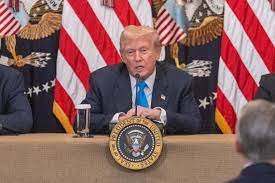
On a spring evening in the Oval Office, President Donald Trump asked Secretary of State Marco Rubio how the administration could adopt a more aggressive posture toward Venezuela. At the time, Cuban American lawmakers who had become increasingly influential in shaping domestic policy were pressing Trump to target Venezuela as a demonstration of toughness against leftist regimes. These lawmakers urged him to halt Chevron’s operations in Venezuela, sending a clear message to their constituents that the administration was serious about confronting Nicolás Maduro, Venezuela’s long-standing authoritarian leader.
Yet Trump faced a difficult choice. China had emerged as the dominant foreign player in Venezuela’s oil sector, and halting Chevron’s operations could jeopardize the United States’ only foothold in the country’s energy industry. While he considered allowing Chevron to continue operating, Trump wanted to signal strength to both domestic critics and foreign observers that his administration could “bring the hammer down” on Maduro, continuing the hardline approach he had pursued during his first term.
This debate highlights the tension between economic interests and domestic political pressures, a recurring theme in the administration’s approach to foreign policy. Oil was not just a commercial concern; it was a bargaining chip in Washington politics, particularly for lawmakers whose support Trump needed for key legislative priorities.
Drugs, Immigration, and the Anti-Maduro Strategy
At the same meeting, Stephen Miller, then the president’s senior adviser for homeland security, contributed another dimension to the discussion. Miller had previously explored fulfilling Trump’s campaign promise to bomb fentanyl labs, a controversial proposal that had lost traction due to legal, logistical, and political challenges. In recent weeks, Miller shifted focus toward attacking boats suspected of carrying illicit drugs off Central American coasts, linking anti-drug operations to U.S. foreign policy in the region.
This pivot illustrates how the administration connected domestic concerns about the opioid epidemic and illegal immigration to foreign policy objectives. Venezuela became a focal point not only because of its political alignment under Maduro but also as part of a broader narrative of combating international drug trafficking, which Trump had framed as a central national security issue.
The Role of Key Officials
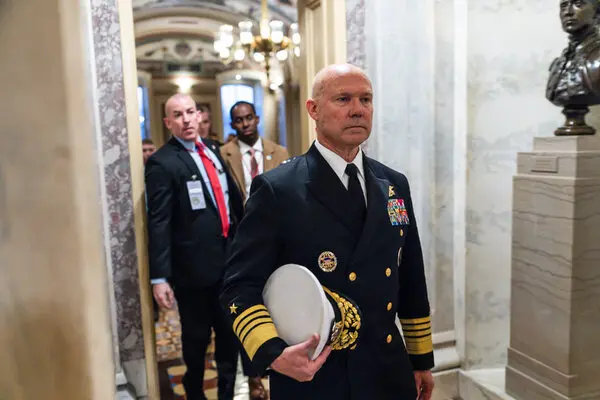
The Trump administration’s Venezuela strategy was shaped by a small group of influential officials whose agendas often overlapped:
- Marco Rubio, a long-time hawk on both Venezuela and Cuba, pushed for a hardline approach that would politically satisfy Cuban American constituencies.
- Defense Secretary Pete Hegseth advocated for military readiness and the potential use of force as leverage against Maduro’s regime.
- Stephen Miller focused on domestic political priorities, including immigration control and anti-drug initiatives, and sought to integrate them into Venezuela policy.
Together, these officials created a policy environment where domestic politics, national security, and economic interests were tightly intertwined, sometimes blurring the line between foreign policy decision-making and political calculation.
Militarized Options and Diplomatic Risks
Internal deliberations included consideration of direct military action, such as targeted strikes against Maduro-aligned forces or infrastructure. While these options were often debated theoretically, they underscored the administration’s willingness to escalate U.S. involvement in the region if it aligned with political or economic goals.
Experts later criticized this approach, warning that such strategies risked regional destabilization, unintended casualties, and international backlash. Yet the administration framed its actions as consistent with enforcing law, securing energy interests, and combating drugs, creating a narrative that justified aggressive measures to the domestic audience while downplaying international risks.

Intertwined Agendas: Domestic Politics Meets Foreign Policy
What emerges from the reporting is a portrait of decision-making shaped by competing agendas:
- Domestic political imperatives: Securing the support of Cuban American lawmakers and other political allies influenced the administration’s stance.
- Energy and commercial interests: Chevron’s operations in Venezuela and China’s growing influence made the oil sector a strategic lever.
- Anti-drug and immigration policies: Campaign promises to crack down on fentanyl and illegal immigration directly informed discussions about military and economic actions.
These intersecting priorities illustrate how domestic politics and campaign objectives can directly shape foreign policy, especially when advisers and officials have overlapping or conflicting agendas.
Broader Implications
The Trump administration’s Venezuela strategy serves as a case study in the complexities of modern U.S. foreign policy:
- Domestic pressures can drive international action. Lawmakers’ preferences and political calculations can create incentives for aggressive foreign policy.
- Economic interests often influence strategic decisions. Energy investments and geopolitical competition played a central role in shaping policy.
- Campaign promises can escalate risks. Anti-drug rhetoric and immigration priorities were not merely domestic issues; they influenced the administration’s readiness to consider militarized options abroad.
Analysts note that such overlapping agendas may increase the likelihood of miscalculation in foreign policy, as decisions are influenced as much by domestic politics as by strategic considerations.
Read More:Injured officer who foiled suicide attempt at Islam’s holiest site identified,
FAQs
Why was Venezuela a focus of Trump’s administration?
Venezuela was targeted to challenge Nicolás Maduro’s regime, protect U.S. energy interests, combat drug trafficking, and satisfy domestic political constituencies.
How did oil influence policy?
Chevron’s operations provided a U.S. economic foothold in Venezuela. The administration balanced pressures to penalize Maduro against preserving access amid China’s growing influence.
How were drugs and immigration tied to foreign policy?
Anti-drug initiatives, particularly targeting fentanyl and smuggling routes, were linked to Venezuela operations. Immigration concerns reinforced national security priorities in the region.
Who were the key advisors shaping policy?
Marco Rubio, Pete Hegseth, and Stephen Miller played central roles, integrating domestic politics, military considerations, and anti-drug measures into U.S. strategy.
Was military action seriously considered?
Yes, internal deliberations explored options ranging from targeted strikes to broader interventions, though domestic political goals often influenced the timing and feasibility of such actions.
What were the risks of this approach?
Experts warned that militarized strategies could destabilize the region, provoke international backlash, and blur lines between foreign policy and domestic politics.
Conclusion
The Trump administration’s campaign toward Venezuela illustrates how domestic politics, campaign promises, and international business interests can converge to shape U.S. foreign policy. Oil, drugs, and immigration were not isolated concerns—they became intertwined drivers of a strategy that risked militarized escalation and regional instability.
