

New York State is experiencing its most severe flu season on record, with health officials reporting the highest number of influenza cases ever documented in a single week—well before the typical seasonal peak. The alarming surge has pushed hospitalizations beyond last winter’s highest levels, prompting heightened concern among public health authorities.
According to the New York State Department of Health, 71,123 laboratory-confirmed flu cases were reported in the seven-day period ending December 20. That figure represents a 38 percent increase from the previous week, underscoring the rapid acceleration of infections across the state.
“This clearly shows that flu season is more severe in New York this year, and we’re not even close to the peak yet,” said State Health Commissioner Dr. James McDonald. He noted that holiday travel and family gatherings have likely intensified the spread. “When we come together, we spread love and joy—but unfortunately, we also spread germs.”
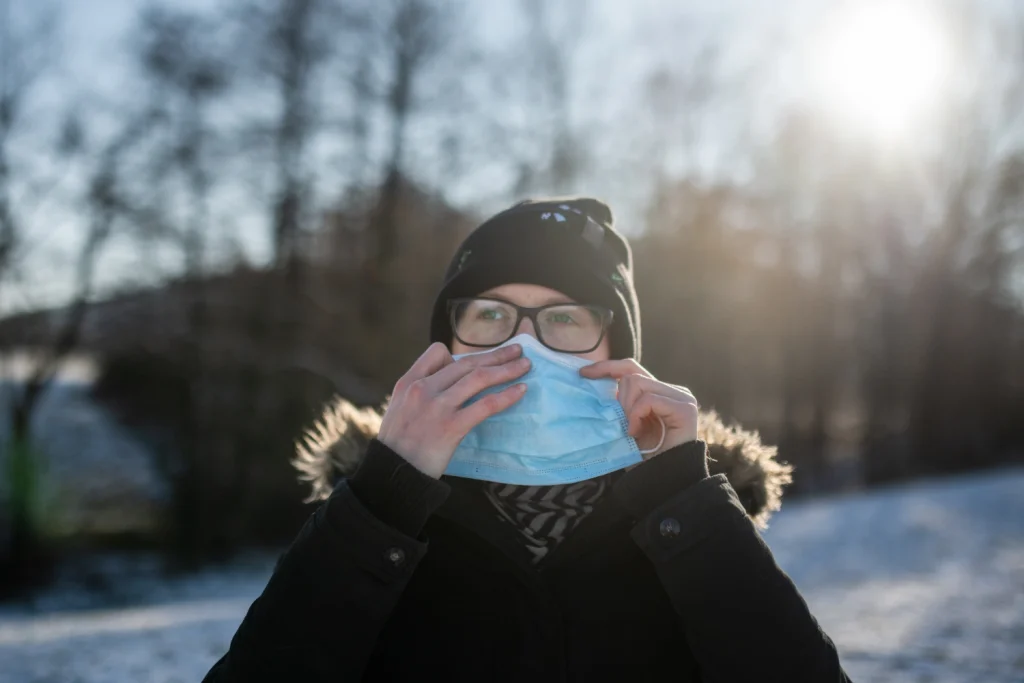
Hospitalizations Rising, but System Remains Stable
The rise in infections has been accompanied by a sharp increase in hospital admissions. Influenza-related hospitalizations jumped to 3,666 patients, up from 2,251 the previous week. While the numbers are concerning, state officials say hospitals are currently managing the influx.
“We monitor hospital capacity across New York every two hours,” McDonald said. “Right now, things are running smoothly, but this is something we’re watching very closely.”
Earlier this month, state health officials declared influenza “prevalent” statewide, a designation that signals widespread transmission across all regions. Under this status, healthcare facilities are required to enforce additional safety measures, including mandatory masking for unvaccinated staff when interacting with patients and residents.
Early and Aggressive Flu Season
Health experts say this flu season arrived earlier than usual and has already disrupted daily life. In New York City, public school attendance dropped noticeably in the days leading up to the winter holidays, reflecting widespread illness among students and staff.
While officials cannot yet predict when the season will peak, McDonald offered a blunt assessment: “It is going to get worse before it gets better.”
Vaccination and Treatment Still Key
Despite the surge, health officials emphasize that it is not too late to get vaccinated. Flu vaccination rates this year are roughly in line with previous seasons, but McDonald warned that the dominant flu strain appears to be more severe.
“If you haven’t had your flu vaccine this year, this is the year to get it,” he said.
Doctors are also urging people who develop flu symptoms—particularly children, older adults, and individuals with underlying health conditions—to seek medical advice promptly. Antiviral medications can significantly reduce symptom severity and complications if started within 48 hours of illness onset.
People who feel sick should stay home, McDonald stressed. “You really should not go to work or visit family when you’re ill.”
For those who are immunocompromised or have serious chronic conditions, officials recommend wearing N95 or KN95 masks in crowded indoor settings.

COVID-19 and RSV Also Circulating
Influenza is currently the dominant respiratory illness in New York, but COVID-19 and RSV (respiratory syncytial virus) continue to circulate as well. State data shows COVID-19 hospitalizations have remained relatively stable in recent weeks, while RSV activity has increased at a slower pace compared to flu.
Read More:Baobab Benefits: Top 10 Benefits of Baobab
FAQs
Why is this flu season worse than usual?
Health officials say the dominant flu strain appears more severe, and early transmission—combined with holiday gatherings—has accelerated spread across communities.
Has the flu season peaked yet?
No. Officials warn the state has not yet reached peak flu activity, and case numbers are expected to rise further.
Is it still worth getting a flu shot now?
Yes. Vaccination remains one of the most effective ways to prevent severe illness, hospitalization, and complications—even later in the season.
Who should seek medical treatment quickly?
Children, seniors, pregnant individuals, and people with chronic health conditions should contact a doctor as soon as flu symptoms appear.
Are hospitals at risk of being overwhelmed?
At this time, hospitals are managing patient volumes, but state officials are closely monitoring capacity as cases continue to climb.
What precautions should people take right now?
Stay home when sick, practice good hygiene, consider masking in crowded indoor spaces, and get vaccinated if you haven’t already.
Conclusion
New York’s record-breaking flu surge serves as a stark reminder that respiratory illnesses remain a serious public health challenge, especially during the winter months. With the flu season still building momentum, health officials are urging vigilance, vaccination, and responsible behavior to limit further spread. While hospitals remain stable for now, individual actions—staying home when sick, seeking early treatment, and protecting vulnerable populations—will play a critical role in determining how severe the remainder of the season becomes.
