


Travel Impact
The storm severely disrupted air travel, with airlines preemptively canceling flights to avoid ripple effects from reduced visibility and icy conditions. According to FlightAware:
Over 1,700 flights canceled nationwide on Friday (December 26).
Around 900 more cancellations on Saturday (December 27).
Major hubs like JFK, LaGuardia, and Newark were hardest hit, accounting for hundreds of the disruptions, with delays and cancellations extending to Philadelphia and beyond.
Official Response
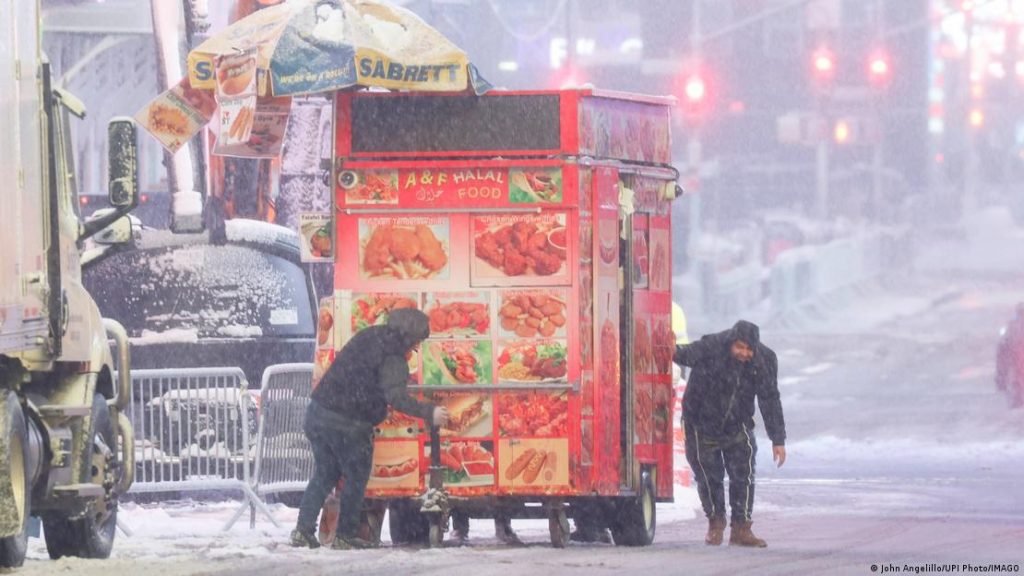
New York Governor Kathy Hochul declared a state of emergency for more than half the state, prioritizing resident safety and deploying plows and salt spreaders. Acting New Jersey Governor Tahesha Way issued a similar declaration, urging residents to avoid unnecessary travel and allow road crews to work.
National Weather Service forecaster Bob Oravec noted that the heaviest snow had passed by Saturday morning, with only light flurries remaining as the storm moved southeast.
A Silver Lining
As conditions improved on Saturday, many New Yorkers embraced the rare snowy scenery. Parks like Central Park turned into winter playgrounds, with residents and visitors sledding, walking, and enjoying the fresh blanket of snow—described by some as “absolutely beautiful.”
youtube.comenglish.news.cninstagram.com
Heavy Snowfall and Travel Chaos
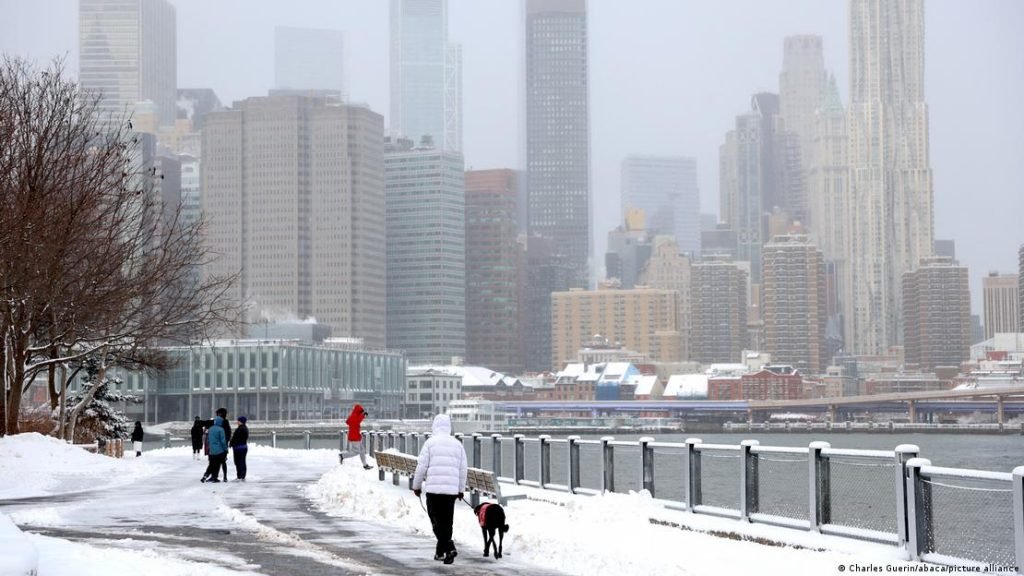
New York City recorded approximately 4 inches (10.2 centimeters) of snow Friday night into early Saturday, while some other regions of the state saw accumulations reaching 10 inches. The storm slowed traffic and disrupted commutes, leaving cars stuck and public transportation struggling to maintain schedules.
“The good news is that the heaviest snow is done,” said Bob Oravec, a Maryland-based forecaster with the National Weather Service. “The storm is definitely winding down, with only a few flurries remaining across the Northeast Saturday morning.”
Despite the storm easing later in the day, visibility during its peak was significantly reduced, particularly around New York’s major airports, contributing to widespread travel issues.
Flight Cancellations Across the Northeast
Air travel was heavily impacted, with more than 1,600 flights cancelled nationwide on Friday and an additional 800 flights cancelled on Saturday, according to air traffic tracker FlightAware.
The majority of disruptions occurred at New York’s John F. Kennedy and LaGuardia airports, as well as nearby Newark Liberty International Airport. Other cities, including Philadelphia and Toronto, also reported flight cancellations and delays, affecting travelers trying to return home for the holidays or take last-minute trips.
State of Emergency Declared
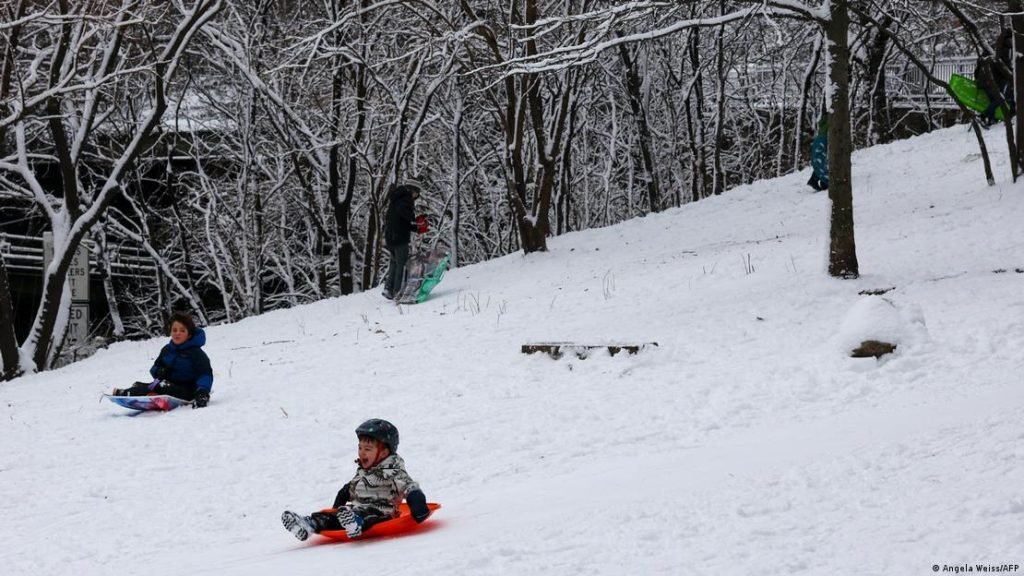
Ahead of the storm, New York Governor Kathy Hochul declared a state of emergency for over half of the state. “The safety of New Yorkers is my top priority,” Hochul said in a Friday statement. “I continue to urge extreme caution throughout the duration of this storm.”
Acting New Jersey Governor Tahesha Way also declared a state of emergency, warning that the storm would create dangerous road conditions and disrupt holiday travel. Officials in both states advised residents to avoid unnecessary travel, allow road crews to clear snow and ice, and follow all safety protocols.
Winter Fun Amid the Chaos
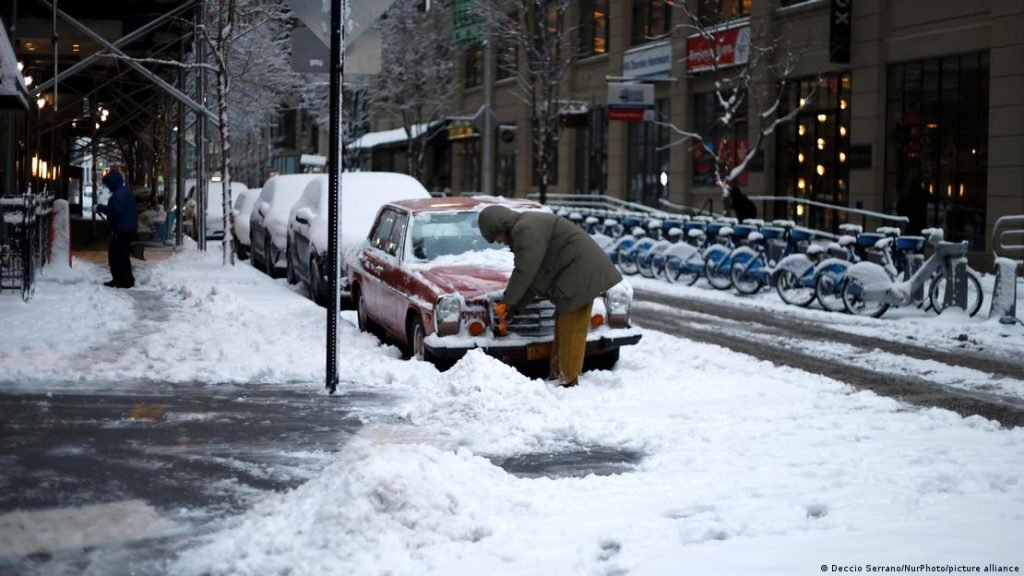
As the storm began to ease late Saturday, New Yorkers and visitors seized the opportunity to enjoy the city’s winter wonderland. Families flocked to local parks to sled and play in the snow, while interstate tourists described the snow-covered streets and landmarks as “absolutely beautiful.”
While travel disruptions remained, the lighter snowfall allowed residents to safely enjoy seasonal activities, providing a temporary respite from the storm’s earlier challenges.
Travel Tips and Safety Advice
Authorities stressed that travelers should remain cautious, even as conditions improve:
- Monitor local weather updates and road conditions.
- Avoid travel if possible until roads are fully cleared.
- Drivers should equip vehicles with snow tires or chains and maintain extra distance.
- For air travelers, check with airlines for rescheduled or cancelled flights.
- Always carry emergency kits in vehicles during winter storms.
FAQ
How much snow did New York City get?
Central Park officially recorded 4.3 inches, with airports reporting around 4.1 inches. This was the most significant snowfall since January 2022.
Why were so many flights canceled if the snow wasn’t extreme in NYC?
Airlines canceled flights proactively based on forecasts predicting heavier accumulations (up to 8-10 inches initially). Reduced visibility, icy runways, and crew/plane positioning issues caused cascading disruptions.
Is this storm over?
Yes, as of December 28, 2025, the storm has moved out, with clearing conditions and warmer temperatures (around 40°F on Sunday) expected to melt much of the snow.
Was a state of emergency still in effect?
The declarations helped mobilize resources but were lifted as the weather improved by late Saturday.
Will there be more snow soon?
Forecasts indicate a quieter period ahead, though another system could bring mixed precipitation early in the new year—check local updates.
How much snow did New York City receive?
The city saw approximately 4 inches (10.2 cm), while other parts of New York State received up to 10 inches.
How were flights affected?
Over 1,600 flights were cancelled Friday, with another 800 on Saturday, mainly at JFK, LaGuardia, and Newark airports. Delays extended to cities like Philadelphia and Toronto.
Were states of emergency declared?
Yes, New York and New Jersey declared states of emergency to coordinate road clearing and ensure public safety.
Is it safe to travel now?
Conditions have improved, but travelers are advised to exercise caution, monitor road and weather updates, and plan extra travel time.
What safety precautions should drivers take?
Use snow tires or chains, maintain safe distances, avoid unnecessary travel,
Conclusion
While the 2025 post-Christmas storm fell short of the most dire predictions, it delivered a picturesque snowfall to New York City—its most substantial in years—and served as a reminder of winter’s unpredictability during peak travel seasons. The disruptions highlighted the challenges of holiday air travel, but quick clearing efforts and residents’ enjoyment of the snow turned potential frustration into a brief winter wonderland moment for many. As temperatures rise, the event will soon melt into memory, capping a relatively snow-sparse start to the winter season.
