


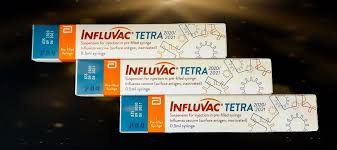
The Influvac Tetra 2025/2026 vaccine is a modern, quadrivalent inactivated influenza vaccine (IIV4) developed by Abbott. It represents a critical advancement in seasonal flu prevention, offering protection against four distinct influenza virus strains: two influenza A subtypes and two influenza B lineages. This broad coverage is designed to match the World Health Organization’s (WHO) annual recommendations for the Northern Hemisphere’s upcoming flu season. The vaccine contains purified, inactivated (“killed”) virus antigens, which means it cannot cause influenza but effectively trains the body’s immune system to recognize and fight the actual virus.

Annual vaccination is a cornerstone of public health strategy. The flu virus is notorious for its ability to mutate through antigenic drift, meaning new strains circulate each year. The Influvac Tetra formulation is updated annually to ensure it targets the viruses most likely to cause illness. Vaccination is strongly recommended for nearly all individuals over six months of age, but is considered especially vital for high-risk groups. This includes adults aged 65 and older, young children, pregnant women, and individuals with chronic health conditions such as diabetes, chronic obstructive pulmonary disease (COPD), heart disease, or kidney disorders. For these populations, the flu can lead to severe complications like pneumonia, hospitalization, and even death.
Administered as a single intramuscular injection by a healthcare professional, the vaccine is typically given in the early fall, before flu activity increases. It requires proper cold chain storage, kept refrigerated between 2°C and 8°C and must not be frozen. While most recipients experience only mild, transient side effects like arm soreness or low-grade fever, the protection it offers—reducing the risk of illness, severe outcomes, and community transmission—far outweighs these minor inconveniences.
Read More:The 10 Best Collagen Supplements, Tested and Reviewed
Frequently Asked Questions
What makes the “Tetra” in Influvac Tetra different from older flu shots?
A: “Tetra” indicates it is a quadrivalent vaccine, protecting against four flu strains. Older trivalent vaccines protected against only three (two influenza A and one influenza B). By including a second B strain, Influvac Tetra offers broader protection, as both B lineage viruses often co-circulate.
Who absolutely should get this vaccine, and who should consult a doctor first?
- Strongly Recommended: All individuals aged 6 months and older, particularly high-risk groups (the elderly, young children, pregnant individuals, and those with chronic medical conditions).
- Consult a Doctor: Individuals with a history of severe, life-threatening allergies to any vaccine component (including a previous flu vaccine), or those who have had Guillain-Barré Syndrome (GBS) within 6 weeks of a previous vaccination. People who are acutely ill with a high fever should postpone vaccination until they recover.
Can I get the flu from the Influvac Tetra vaccine?
Absolutely not. The vaccine is made from inactivated (killed) virus particles that cannot replicate or cause influenza infection. The mild, flu-like symptoms some people experience (like fatigue or muscle aches) are a normal sign of the immune system responding and building protection, not an actual illness.
How long does immunity last, and why is an annual shot necessary?
Protective antibody levels typically peak within two weeks after vaccination and begin to decline after several months. An annual shot is crucial for two reasons: 1) Waning Immunity: Protection from the previous year’s vaccine decreases over time. 2) Evolving Viruses: The flu virus changes each year. The Influvac Tetra 2025/2026 vaccine is specifically updated to match the strains predicted to dominate in the coming season.
Is the vaccine safe during pregnancy and breastfeeding?
Yes, and it is highly encouraged. Vaccination during pregnancy protects the mother, who is at increased risk for severe flu, and passes protective antibodies to the baby, offering protection during the vulnerable first few months of life. It is also considered perfectly safe for breastfeeding mothers and their infants.
I have an egg allergy. Can I receive Influvac Tetra?
Current guidelines from major health organizations (like the CDC) state that individuals with egg allergies of any severity can receive any licensed, recommended flu vaccine, including Influvac Tetra. Severe, life-threatening reactions to flu vaccines are extremely rare. If you have a history of severe anaphylaxis to eggs, vaccination should be administered in a medical setting under supervision.
What is the vaccine’s efficacy, and does it protect against colds or COVID-19?
Efficacy varies each season (typically 40-60%) depending on the match between vaccine strains and circulating viruses. Importantly, even with a suboptimal match, vaccination significantly reduces the risk of severe illness, hospitalization, and death. It does not protect against the common cold, respiratory syncytial virus (RSV), or COVID-19, which are caused by entirely different viruses.
Conclusion
The Influvac Tetra 2025/2026 vaccine is a safe, effective, and scientifically updated tool in the ongoing fight against seasonal influenza. Its quadrivalent design offers comprehensive protection aligned with global viral surveillance, making it a smart choice for individual and public health. While not a perfect shield, it remains our most powerful defense, significantly reducing the societal burden of the flu—from missed work and school to overwhelmed hospitals.
