

Moringa oleifera, often hailed as the “Miracle Tree” or “Drumstick Tree,” is a botanical marvel whose health benefits are rooted in both ancient tradition and modern science. Native to the foothills of the Himalayas and widely cultivated across Africa and Asia, every part of this resilient tree is utilized, with the leaves offering the most concentrated nutritional value. When these leaves are carefully shade-dried and ground into a fine powder, they transform into one of the most potent and complete superfoods available today. This vibrant green powder delivers a symphony of over 90 verified nutrients and 46 types of antioxidants, offering a holistic approach to health that is rare in a single natural source.

The nutritional profile of high-quality moringa powder is exceptionally dense. It is composed of approximately 25% complete plant protein, containing all nine essential amino acids crucial for bodily repair and function—a rarity in the plant kingdom. It is also 24% dietary fiber, supporting digestive health. Beyond this, it is an outstanding source of bioavailable iron, calcium, and potassium, and is rich in vital vitamins, particularly Vitamin A (from beta-carotene), Vitamin E, and an astonishing amount of Vitamin K. Its antioxidant capacity, measured by an ORAC (Oxygen Radical Absorbance Capacity) value as high as 157,000, surpasses that of acclaimed superfoods like acai berries and matcha. This unique composition allows moringa to support bodily functions at a cellular level, from boosting daily energy and strengthening immune defenses to protecting against oxidative stress and inflammation.
Read More:Green Tea Shot: A Fruity, Fun, and Refreshing Party Favorite
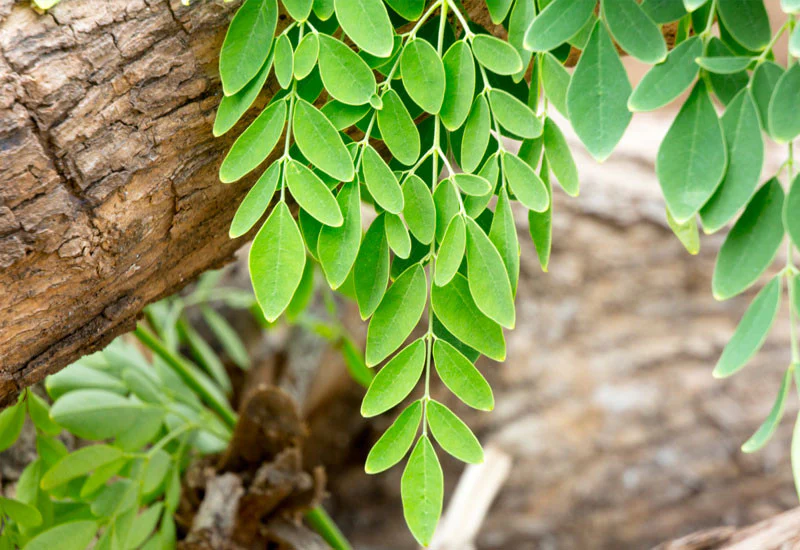
The Top 10 Evidence-Supported Benefits of Moringa Powder
Combats Fatigue and Enhances Energy Metabolism: A single serving (about 10g) provides over 30% of the recommended daily value of iron, a mineral essential for oxygen transport in the blood and the reduction of tiredness. Paired with B-vitamins that support energy-yielding metabolism, it helps combat fatigue at its source.- Promotes Radiant, Youthful Skin: Celebrated in beauty circles, moringa is packed with skin-nourishing nutrients. Vitamin A supports cell growth and repair, while Vitamin E and potent antioxidants like quercetin and chlorogenic acid protect skin cells from oxidative damage caused by UV rays and pollution, helping to reduce wrinkles and promote a healthy glow.
- Strengthens and Modulates the Immune System: The combined power of immune-critical nutrients like iron, Vitamin A, and Vitamin C, along with natural antibacterial and anti-inflammatory compounds, helps fortify the body’s natural defenses against pathogens and supports a balanced immune response.
- Supports Muscle Growth and Tissue Repair: As a complete protein source, it supplies the essential building blocks (amino acids) necessary for muscle synthesis, recovery after exercise, and the general maintenance of all bodily tissues, making it invaluable for athletes, the elderly, and those on plant-based diets.
- Functions as a Natural Anti-Stress Adaptogen: Classified as an adaptogen, compounds in moringa help the body better resist physical, mental, and environmental stressors. They work by modulating the body’s stress-response system, particularly the hypothalamic-pituitary-adrenal (HPA) axis, to promote balance and resilience.
- Aids Digestion and Gut Health: Its high fiber content adds bulk to stool, promoting regularity and feeding beneficial gut bacteria. The anti-inflammatory properties may also help soothe the gut lining, while nutrients like calcium support the function of digestive enzymes.
- Helps Regulate Blood Sugar Levels: Multiple studies on both animals and humans suggest that compounds in moringa leaves, such as isothiocyanates, can have anti-diabetic effects. They appear to help lower fasting blood sugar levels, improve insulin sensitivity, and protect pancreatic cells.
- Supports Strong and Healthy Bones: With significant amounts of calcium, phosphorus, and a remarkably high concentration of Vitamin K (over 150% NRV per serving), which is vital for bone mineralization and calcium regulation, moringa provides foundational support for maintaining bone density and strength.
- Protects and Supports Eye Health: The high beta-carotene (pro-Vitamin A) content is converted by the body into retinol, which is essential for maintaining the cornea, supporting low-light vision, and preventing age-related macular degeneration.
- Provides Potent Antioxidant and Anti-Inflammatory Protection: The diverse array of antioxidants, including kaempferol, zeatin, and vitamin C, neutralizes free radicals that cause cellular damage and chronic inflammation, which is at the root of many modern diseases, from heart disease to neurodegenerative disorders
Frequently Asked Questions
How should I incorporate moringa powder into my diet, and what is the recommended dosage?
A: Moringa’s mild, slightly earthy taste (similar to green tea or spinach) makes it highly versatile. It can be blended into smoothies, juices, or protein shakes, stirred into soups, stews, or sauces just before serving, or sprinkled over salads, yogurt, or avocado toast. For beginners, the standard recommendation is to start with ½ to 1 teaspoon (2-3 grams) daily, gradually increasing to 1-2 teaspoons (5-10 grams) as your body acclimates. Consistency is more important than a large single dose.
Are there any known drug interactions or specific groups who should avoid moringa?
Due to its potent bioactive compounds, certain individuals should exercise caution:
- Those on Blood Thinners (e.g., Warfarin): Moringa is very high in Vitamin K, which is essential for blood clotting and can counteract the effects of these medications.
- Individuals on Diabetes or Blood Pressure Medication: Since moringa may naturally lower blood sugar and blood pressure, combining it with pharmaceuticals could lead to levels dropping too low. Close monitoring with a doctor is essential.
- Pregnant Women: While the leaves are likely safe in culinary amounts, extracts or high doses are not recommended due to compounds in the root and bark that can cause uterine contractions. Always consult a healthcare provider before starting any new supplement, especially if you have a pre-existing condition or are on medication.
How does the nutritional value of powder compare to fresh leaves or capsules?
- Fresh Leaves: Highest in water-soluble vitamins like Vitamin C but are highly perishable and not widely available.
- Powder: The most common and practical form. Properly dried powder retains most nutrients and concentrates them. It is versatile for culinary use.
- Capsules: Offer convenience and precise dosing but are typically more expensive per serving and lack the dietary fiber of the whole powder. The “food matrix” effect of consuming the whole leaf may enhance nutrient absorption.
What is the scientific consensus on moringa’s most powerful benefits?
The strongest evidence from human and animal studies supports its role as a powerful nutritional supplement to combat malnutrition and micronutrient deficiencies. Robust research also backs its antioxidant, anti-inflammatory, and blood-sugar modulating properties. Claims around curing specific diseases like cancer are primarily based on promising but preliminary in vitro (test tube) and animal studies; more extensive human clinical trials are needed.
Is all moringa powder created equal? What should I look for when buying?
Quality varies drastically. For safety and efficacy, prioritize:
- Organic Certification: Ensures the leaves are grown without toxic pesticides and heavy metals.
- Color & Scent: It should be a vibrant, earthy green with a fresh, grassy aroma. A dull brown or yellow color indicates oxidation or poor processing.
- Purity: The label should state “100% pure moringa leaf powder” without fillers like maltodextrin.
- Sourcing & Testing: Reputable brands are transparent about their supply chain and conduct third-party tests for contaminants (microbes, heavy metals) and nutrient potency.
Can moringa help with weight management?
A: It can be a supportive tool due to its high fiber and protein content, which promote satiety and can reduce overall calorie intake. Its nutrient density also helps ensure the body gets essential vitamins and minerals during calorie restriction, potentially reducing cravings. However, it is not a “fat-burning miracle” and should be used as part of a balanced diet and exercise regimen.
How long does it take to feel the effects of taking moringa powder?
A: This depends on the individual and their baseline health. Some people report a noticeable boost in energy and digestion within the first week. More systemic benefits, such as improved skin clarity, stabilized mood, or lower inflammation markers, may take 4-8 weeks of consistent daily use as nutrient levels build and the body’s systems rebalance.
Conclusion
Moringa powder stands as a testament to the profound healing power of nature, offering a dense, bioavailable source of nutrition that addresses the multifaceted demands of modern health. Its rise from a traditional folk remedy to a globally recognized superfood is fueled by an impressive and growing body of scientific research that validates its adaptogenic, anti-inflammatory, and nutritive properties. While it is not a panacea, its strength lies in its ability to fill widespread nutritional gaps, bolster the body’s inherent resilience, and serve as a foundational pillar of a preventative wellness lifestyle.
