

In a surprising yet strategically significant move, Donald Trump announced that the United States will delay planned airstrikes on Iranian power plants and critical energy infrastructure for a period of five days. The decision, revealed through his Truth Social platform, signals a temporary pause in escalating military tensions between Washington and Tehran, offering a narrow window for diplomacy to take precedence over confrontation.
A Strategic Pause in Escalation
According to Trump, the postponement is directly tied to the progress of ongoing “meetings and discussions” between US and Iranian officials. He emphasized that the success of these diplomatic engagements will ultimately determine whether military action resumes.
Over the past two days, Trump described communications between the two sides as “very good and productive,” hinting at the possibility of reaching a “complete and total resolution” to hostilities in the Middle East. While details of these discussions remain undisclosed, the tone suggests a rare moment of cautious optimism in an otherwise volatile geopolitical landscape.
This temporary halt in military operations reflects a broader strategy often employed during crises: applying pressure while simultaneously leaving room for negotiation. By delaying the strikes, the US administration appears to be testing whether diplomacy can achieve what military force might not—long-term stability and de-escalation.
The Strait of Hormuz: A Global Flashpoint
Central to the crisis is the Strait of Hormuz, one of the world’s most critical energy chokepoints. Trump had earlier issued a 48-hour ultimatum to Iran, demanding that it reopen the strait, which Tehran had effectively blocked.
The Strait of Hormuz carries approximately 20% of the world’s oil and liquefied natural gas supplies. Any disruption to this vital passage has immediate and far-reaching consequences for global energy markets, shipping routes, and economic stability.
Iran’s actions in restricting access to the strait have raised alarm bells across the international community. Oil prices surged, shipping companies rerouted vessels, and global markets reacted nervously to the potential for prolonged disruption.
By tying the delay in strikes to developments around the strait, Trump is leveraging one of the most critical economic pressure points in the world. The message is clear: reopen the waterway, or face military consequences.
Iran’s Stark Warning
Tehran has responded with strong rhetoric, warning that any US attack would trigger a devastating and wide-reaching retaliation. Iranian officials stated that they would “irreversibly destroy” essential infrastructure across the Middle East, including water systems and energy networks.
More specifically, Iran threatened to target:
- Power plants supplying electricity to US military bases
- Economic and industrial facilities with American involvement
- Regional energy infrastructure tied to US interests
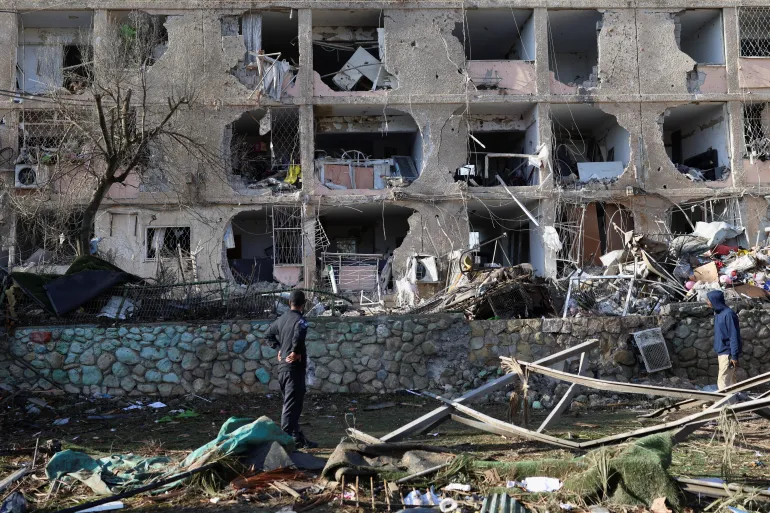
These threats underscore the high stakes of the situation. A direct conflict would not be limited to Iran and the United States but could engulf the broader Middle East, impacting multiple countries and critical infrastructure networks.
A Region on Edge
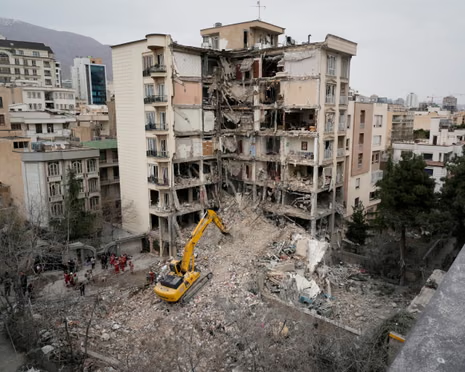
The Middle East is no stranger to geopolitical tensions, but the current situation carries unique risks due to the interconnected nature of modern energy and infrastructure systems. A strike on Iranian power plants could trigger:
- Widespread power outages
- Disruptions to oil and gas production
- Cyber or physical retaliation against US allies
- Escalation into a multi-country conflict
Countries in the Gulf region, already wary of instability, are closely monitoring developments. Many have called for restraint and urged both sides to prioritize dialogue over military action.
Diplomatic Calculations Behind the Delay
Trump’s decision to postpone strikes may be influenced by several factors:
Avoiding Immediate Conflict
Launching airstrikes could rapidly escalate into a full-scale war, something the administration may wish to avoid, especially given global economic uncertainties.
Economic Considerations
With global markets already reacting to tensions around the Strait of Hormuz, further escalation could trigger a spike in oil prices and disrupt international trade.
International Pressure
Allies and global organizations have consistently urged the US to pursue diplomatic solutions rather than military intervention.
Testing Iran’s Intentions
The five-day window acts as a test: if Iran takes steps toward de-escalation, it may open the door to broader negotiations.
Military Readiness Remains Intact
Despite the pause, the Pentagon has not scaled back its readiness. Military assets in the region remain on high alert, and contingency plans are still in place. This ensures that if diplomacy fails, the US can quickly proceed with its planned operations.
The delay should not be mistaken for weakness; rather, it reflects a calculated approach that balances force with negotiation.
Global Implications
The outcome of this five-day pause could have far-reaching consequences:
- Energy Markets: Stability or volatility in oil prices
- Global Trade: Security of shipping routes
- Regional Security: Risk of broader conflict
- Diplomatic Relations: Future US-Iran engagement
If successful, the negotiations could mark a turning point in US-Iran relations. If not, the world may witness a rapid escalation with unpredictable consequences.
Read More: Aftermath of Iranian missile strikes near Israel’s nuclear facility
FAQs
Why did Trump postpone the strikes on Iran?
The strikes were delayed to allow ongoing diplomatic discussions between the US and Iran to progress. The decision depends on whether these talks lead to meaningful outcomes.
What is the significance of the Strait of Hormuz?
The Strait of Hormuz is a critical global shipping route through which about 20% of the world’s oil and gas passes. Any disruption can significantly impact global energy supplies and prices.
What could happen if the US proceeds with the strikes?
If the US resumes strikes, Iran has threatened widespread retaliation, potentially targeting infrastructure across the Middle East and escalating into a broader conflict.
How has Iran responded to the US ultimatum?
Iran has issued strong warnings, stating it would attack energy, economic, and industrial infrastructure linked to the US if military action is taken.
What are the chances of a diplomatic resolution?
While both sides have reported “productive conversations,” the outcome remains uncertain. The next few days are critical in determining whether diplomacy can prevent escalation.
Conclusion
The decision by Donald Trump to postpone airstrikes on Iranian power plants represents a pivotal moment in an increasingly tense geopolitical standoff. By granting a five-day window for diplomacy, the United States has opened the door, however narrowly, to a peaceful resolution. At the heart of the crisis lies the Strait of Hormuz, a lifeline for global energy markets and a powerful bargaining chip in negotiations. Iran’s firm stance and threats of retaliation highlight just how fragile the situation remains.
