


At a time when the Middle East stands on the edge of heightened uncertainty, Iran’s ambassador to Pakistan, Reza Amiri Moghadam, revealed a significant diplomatic message that could reshape the immediate regional security outlook. According to the envoy, US President Donald Trump privately conveyed to Tehran that he does not intend to attack Iran, while simultaneously urging Iranian authorities to exercise restraint, particularly with regard to US interests in the region.
The disclosure, made during the envoy’s visit to Islamabad, comes amid widespread protests inside Iran, persistent economic pressure from decades-long sanctions, and escalating rhetoric from Washington and Tel Aviv. Against this volatile backdrop, the envoy’s remarks offer a rare glimpse into behind-the-scenes communication channels that continue to function despite years of hostility between Iran and the United States.
This development has sparked intense debate among diplomats, analysts, and policymakers about whether the message represents a genuine attempt at de-escalation—or merely a tactical pause in a long-standing confrontation.
The Islamabad Visit: Diplomacy Beyond Headlines
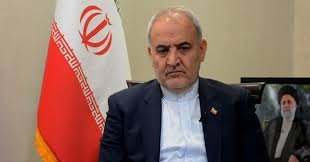
Reza Amiri Moghadam made the remarks during his visit to the National Rahmatul-lil-Alameen Authority in Islamabad, where he met with the authority’s chairman, Khurshid Ahmad Nadeem. The visit, though framed as a cultural and academic engagement, quickly became politically significant as the envoy addressed some of the most pressing regional and global issues.
Speaking candidly, Moghadam revealed that he had received information at approximately 1am, indicating that President Trump had communicated a clear message to Iranian leadership: Washington was not seeking war, provided Iran refrained from attacking US interests in the Middle East.
Such communications, though unofficial and indirect, underscore the existence of backchannel diplomacy, a longstanding feature of US-Iran relations even during periods of extreme tension.
Protests in Iran: The Immediate Context
The envoy’s comments come amid nationwide protests in Iran, triggered primarily by soaring inflation, unemployment, and rising living costs. Over recent weeks, demonstrations have erupted in multiple cities, prompting Iranian authorities to impose temporary internet restrictions to prevent what they describe as external manipulation and incitement.
Iranian officials have acknowledged the legitimacy of public grievances, with Moghadam himself emphasizing that peaceful protest is a right of the people. According to the envoy, the government had initiated dialogue with demonstrators in an effort to address economic and social concerns.
However, he strongly criticized Western media coverage, alleging that selective reporting and sensationalism had encouraged violence and worsened the situation on the ground.
Trump’s Public Statements and the Threat of Intervention
US President Donald Trump has repeatedly commented on the unrest in Iran, often using strong language that Tehran considers provocative. In recent statements, Trump suggested that the United States might intervene in support of Iranian protesters, a stance that Iranian officials view as blatant interference in internal affairs.
On Wednesday, Trump stated that he had been informed the killings of protesters had ceased, adding that he would “watch and see” regarding potential military action. While the statement stopped short of a direct threat, it reinforced perceptions in Tehran that Washington was closely monitoring the situation—and keeping its options open.
The envoy’s revelation that Trump privately assured Iran of his intention not to attack stands in contrast to these public remarks, highlighting the dual-track nature of American diplomacy: public pressure paired with private reassurance.
Israel’s Role and Escalating Rhetoric
Adding another layer of complexity are the statements issued on January 7 by both President Trump and Israeli Prime Minister Benjamin Netanyahu. According to Moghadam, these statements amounted to direct interference in Iran’s internal matters and further inflamed tensions.
Israel has long viewed Iran as its primary strategic adversary, citing Tehran’s regional influence, missile program, and support for groups hostile to Israeli interests. Iranian officials, in turn, accuse Israel of conducting covert operations, cyberattacks, and targeted assassinations aimed at destabilizing the Islamic Republic.
The envoy warned that any aggression from Israel or the United States would be met with a decisive response, emphasizing that Iran would target US and Israeli installations across the wider region if attacked.
“The Worst in Iran’s History”: Violence and Allegations
Moghadam described the recent unrest as “the worst in Iran’s history”, not solely because of its scale but due to what he characterized as organized violence.
According to the envoy, armed groups infiltrated protests, carrying out killings, attacking mosques and imambargahs, and engaging in widespread arson. These claims align with long-standing Iranian assertions that foreign-backed elements exploit domestic discontent to destabilize the country.
While independent verification remains difficult due to restricted media access and internet limitations, the Iranian government insists that the situation has now been fully brought under control.
Current Situation: “Fully Under Control”
Contrary to some international media reports, Moghadam stated that there are currently no protests underway in Iran. He added that security forces had restored order and that daily life was returning to normal across major urban centers.
Despite this, Iran remains on high alert, particularly in response to what it perceives as threats from the United States and Israel. The envoy confirmed that Iranian airspace had been temporarily closed, a precautionary measure signaling readiness rather than imminent escalation.
Military Readiness and Red Lines
While emphasizing Iran’s commitment to peace, Moghadam made it clear that Tehran would not hesitate to respond if attacked.
“In the event of aggression, Iran will target US and Israeli installations in the wider region,” he stated.This assertion reflects Iran’s strategic doctrine of deterrence through regional reach, leveraging allied groups and missile capabilities across the Middle East. It also serves as a warning that any conflict would likely extend far beyond Iran’s borders.
Iran–Pakistan Relations: A “Positive Phase”
During his visit, the envoy also highlighted the strengthening ties between Iran and Pakistan, describing the relationship as entering a “positive phase.” He expressed gratitude for Pakistan’s wholehearted moral and political support, emphasizing that Iran does not seek material assistance.
Pakistan has traditionally walked a diplomatic tightrope, maintaining relations with Iran while also navigating strategic partnerships with Gulf states and the United States. Moghadam’s remarks suggest Tehran values Islamabad’s balanced approach and regional diplomacy.
Sanctions and Resilience: 44 Years of Pressure
Moghadam noted that Iran has endured economic sanctions for 44 years, causing significant hardship but also fostering internal resilience.
According to Iranian officials, prolonged isolation has forced the country to develop domestic industries, alternative trade mechanisms, and regional economic partnerships. Critics, however, argue that sanctions have disproportionately affected ordinary citizens, fueling the very protests currently shaking the nation.
Cultural Diplomacy: Persian Language Initiative
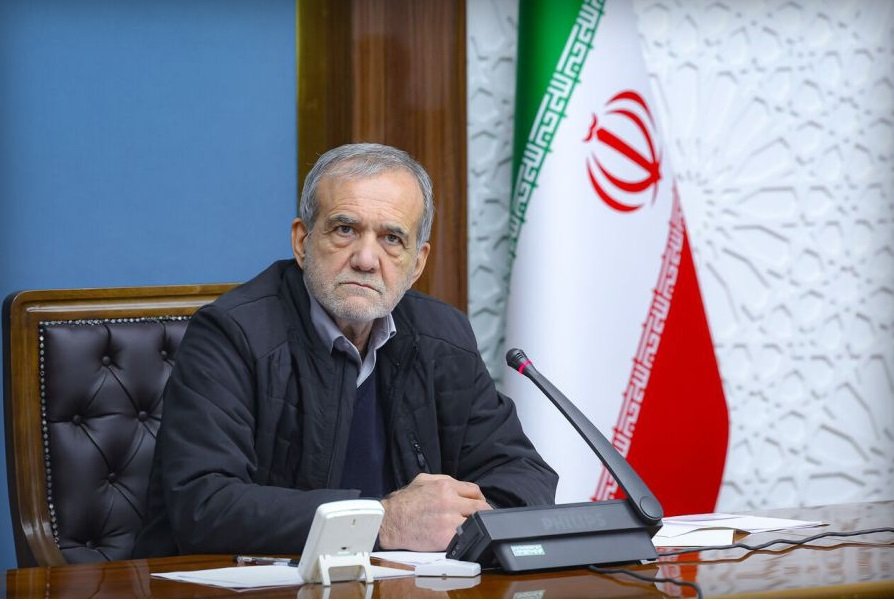
Beyond politics, the envoy outlined plans to launch Persian language classes in collaboration with the National Rahmatul-lil-Alameen Authority. This initiative reflects Iran’s broader strategy of cultural diplomacy, using education and language exchange to strengthen people-to-people ties in the Muslim world.
Cancelled Press Conference
An earlier press conference scheduled for 3pm was cancelled due to the envoy’s other engagements, leaving journalists to rely on remarks made during the Islamabad visit. The cancellation added to speculation and heightened interest in the envoy’s disclosures.
Strategic Analysis: What Does Trump’s Message Really Mean?
De-escalation or Tactical Pause?
Trump’s assurance may represent a genuine effort to avoid war during a volatile period—or a tactical move designed to keep pressure on Iran without triggering a direct confrontation.
Backchannel Diplomacy Still Alive
Despite years of hostility, the message underscores that communication channels remain open, often through intermediaries or indirect signals.
Regional Stability at Stake
Any miscalculation could rapidly escalate into a regional conflict involving multiple state and non-state actors.
Read More: Trump’s military options for an attack on Iran
Implications for the Middle East
- Reduced the immediate risk of War, but not long-term resolution
- Continued Pressure on Iran’s Economy
- Increased Role for Regional Mediators, including Pakistan
- Heightened Vigilance by Gulf States and Israel
FAQs
Did President Trump officially announce he would not attack Iran?
No. The assurance was reportedly conveyed privately to Iranian leadership, not through an official public statement.
Why are protests happening in Iran?
The protests are largely driven by economic grievances, including inflation, unemployment, and rising living costs.
Is the situation in Iran currently stable?
According to Iranian officials, the situation is under control, though international observers remain cautious.
What role does Israel play in this tension?
Israel views Iran as a major security threat and has issued strong statements alongside the US, escalating tensions.
How does Pakistan factor into this situation?
Pakistan serves as a regional partner and potential diplomatic bridge, offering political and moral support to Iran.
Conclusion
The revelation that President Donald Trump privately assured Iran he does not intend to attack marks a rare moment of potential de-escalation in an otherwise fraught relationship. Yet, the broader context—economic unrest, regional rivalries, and decades of mistrust—suggests that this calm is fragile at best.
