


A crypto portfolio can become difficult to manage very quickly. One wallet may hold Bitcoin, another may contain tokens from a decentralized exchange, while an exchange account may include stablecoins, staking rewards, or recently purchased altcoins. Without a clear system, it becomes hard to know the real value of your holdings, your total profit or loss, or how much risk you are taking.
Learning how to track your crypto portfolio helps you see everything in one place. It also improves decision-making because you can compare performance, control risk, plan taxes, and avoid emotional trading.
A good tracking system does not need to be complicated. You mainly need accurate records, secure account organization, clear performance metrics, and a regular review schedule.
Why Tracking a Crypto Portfolio Matters
Crypto prices can change sharply within a short period. A token that represents 10% of your portfolio today may become 20% after a sudden rally. Another asset may lose value and reduce your overall return.
Without regular tracking, these changes can go unnoticed.
Portfolio tracking gives you a complete view of:
- Total portfolio value
- Profit and loss
- Asset allocation
- Average purchase price
- Trading fees
- Staking rewards
- Risk concentration
- Tax-related transactions
This information helps you make decisions based on facts instead of market excitement.
It Shows Your Real Financial Position
Many investors only check the current prices of their coins. That does not show the full picture.
For example, a token may be trading above your latest purchase price but still below your total average cost. Fees, earlier purchases, and previous sales can also affect the final result.
A proper portfolio tracker calculates the value of all holdings together. It can show whether your entire crypto investment is profitable even when some individual assets are losing money.
It Reduces Emotional Trading
Crypto markets often create fear and excitement. Rapid price increases can encourage investors to buy at high levels, while sudden declines may lead to panic selling.
A structured portfolio view gives you more context. Instead of reacting to one price movement, you can check whether the asset still fits your original strategy, risk limit, and investment goal.
Start by Listing Every Crypto Account
The first step is to create a full record of where your crypto is stored.
Include every exchange, wallet, staking platform, and decentralized finance account you use. Forgotten wallets and small balances can create inaccurate portfolio totals.
Your list may include:
- Centralized exchanges
- Mobile wallets
- Hardware wallets
- Browser wallets
- DeFi platforms
- Staking accounts
- NFT marketplaces
- Mining or reward wallets
Do not store private keys or seed phrases inside your portfolio spreadsheet or tracking application. Record only the public information required to identify the wallet.
Separate Ownership From Access Information
A portfolio record should show where each asset is held, but it should not expose sensitive security details.
You may record:
- Wallet name
- Public wallet address
- Exchange name
- Asset symbol
- Quantity held
- Purchase date
- Average cost
Never record:
- Seed phrases
- Private keys
- Exchange passwords
- Two-factor authentication backup codes
Portfolio tracking and wallet security should remain separate.
Choose a Crypto Portfolio Tracking Method
There is no single tracking method that works for everyone. The right choice depends on the number of assets you hold, how frequently you trade, and whether you use several platforms.
Manual Spreadsheet Tracking
A spreadsheet is suitable for investors who hold a limited number of assets and make only a few transactions.
You can create columns for:
- Asset name
- Quantity
- Purchase price
- Current price
- Total cost
- Current value
- Profit or loss
- Percentage allocation
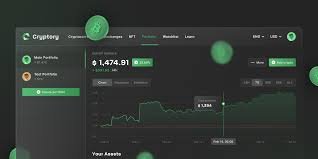
Manual tracking gives you full control over your information. It also avoids connecting exchange accounts to third-party services.
However, spreadsheets require regular updates. Frequent traders may find manual data entry slow and difficult to maintain.
Automatic Portfolio Tracking
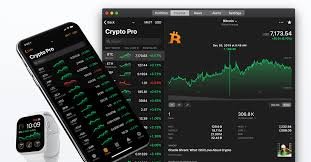
Automated portfolio trackers can connect with exchanges through read-only API access or monitor public wallet addresses.
These platforms may automatically update:
- Current prices
- Account balances
- Transaction history
- Profit and loss
- Asset allocation
- Staking income
Automatic tracking is useful for investors who use several exchanges or make frequent transactions.
Before connecting any account, check the permissions carefully. A portfolio tracker should not require withdrawal access.
Public Wallet Tracking
Public blockchain addresses can often be monitored without sharing private information.
You can add a public wallet address to a compatible tracking platform and view token balances or transaction activity. This method is commonly used for self-custody wallets and decentralized finance accounts.
Remember that entering a wallet address into a third-party service may connect your identity with that address. Privacy-focused users may prefer local spreadsheets or separate tracking accounts.
Record Every Transaction Correctly
Accurate transaction records are the foundation of reliable portfolio tracking.
A complete transaction log should include purchases, sales, transfers, rewards, swaps, and fees.
Purchases and Sales
For each purchase, record:
- Date and time
- Asset purchased
- Quantity
- Purchase price
- Trading fee
- Payment currency
- Exchange or wallet used
For sales, record the selling price, amount sold, and transaction fee.
These details help calculate your average cost and final profit or loss.
Transfers Between Your Own Wallets
Moving crypto from an exchange to a personal wallet is normally a transfer, not a new purchase.
If you record the transfer as a sale and another purchase, your profit calculations may become inaccurate.
Mark internal transfers clearly and include any network fee paid during the transaction.
Token Swaps
A token swap involves exchanging one crypto asset for another. Record the market value of both assets at the time of the swap.
This is important because swaps may have tax consequences depending on local law, even when no traditional currency is involved.
Staking Rewards and Airdrops
Staking rewards, mining income, referral rewards, and airdrops should be recorded separately from purchases.
Include the date received, quantity, estimated market value, and source. Some rewards may have no purchase cost, which affects future profit calculations.
Unknown airdrops should be treated carefully. Do not interact with suspicious tokens or visit links included in token names.
Track the Right Portfolio Metrics
Portfolio value alone does not tell you whether your strategy is working. You also need to monitor performance and risk.
Total Portfolio Value
This is the combined market value of all your crypto holdings.
It should include assets stored across exchanges, personal wallets, staking platforms, and decentralized finance protocols.
Check that stablecoins and small token balances are also included.
Average Purchase Price
The average purchase price shows the average amount you paid for each unit of an asset.
If you bought the same coin at different prices, looking only at the latest transaction can create a false impression of profit.
Your average cost should include trading fees where possible.
Unrealized Profit and Loss
Unrealized profit or loss shows how much you would gain or lose if you sold the asset at the current market price.
It is only an estimate because prices can change before the sale is completed. Trading fees and market slippage can also reduce the final amount.
Realized Profit and Loss
Realized profit or loss is created after an asset is sold.
Keeping realized and unrealized results separate helps you understand how much profit has actually been secured and how much remains exposed to the market.
Portfolio Allocation
Portfolio allocation shows the percentage of your total investment held in each asset.
For example, a portfolio may contain:
- 45% Bitcoin
- 25% Ethereum
- 15% stablecoins
- 10% altcoins
- 5% other assets
Allocation helps identify concentration risk. A strong price increase in one token may cause it to become a much larger part of your portfolio than planned.
Drawdown
Drawdown measures how far your portfolio has fallen from a previous high.
This can be more useful than checking daily losses because it shows the size of the decline from your strongest position.
A large drawdown may indicate that the portfolio carries more risk than you expected.
Review Diversification and Concentration Risk
Owning several cryptocurrencies does not always mean the portfolio is properly diversified.
Many crypto assets move in the same direction during major market changes. Holding ten similar altcoins may provide less diversification than expected.
Check Exposure by Category
Group your assets into categories such as:
- Bitcoin
- Smart-contract platforms
- Stablecoins
- DeFi tokens
- AI-related tokens
- Gaming tokens
- Exchange tokens
- Memecoins
This view can reveal that a portfolio is heavily exposed to one sector even when it contains many different coins.
Monitor Stablecoin Risk
Stablecoins can reduce price volatility, but they are not free from risk.
Different stablecoins may carry risks related to reserves, issuers, regulations, smart contracts, or loss of their price peg.
Avoid assuming that every stablecoin has the same level of safety.
Create a Portfolio Rebalancing Plan
Rebalancing means adjusting your holdings when your portfolio moves away from its target allocation.
Suppose your plan allows a maximum of 15% in one altcoin. If that token rises and reaches 30% of your portfolio, you may decide to reduce the position.
Use Time-Based Reviews
Some investors review their portfolios monthly, quarterly, or every six months.
This method creates discipline and reduces the temptation to make changes after every price movement.
Use Percentage Triggers
Another method is to rebalance when an asset moves beyond a set allocation limit.
For example, you may review a position when it becomes 5% higher or lower than its target.
The best schedule depends on your strategy. Frequent rebalancing can increase trading fees and create additional taxable transactions.
Include Fees in Your Performance Calculations
Trading fees can quietly reduce returns, especially for active traders.
Your tracking system should include:
- Exchange trading fees
- Blockchain network fees
- Withdrawal charges
- Swap fees
- Bridge fees
- Subscription costs
- Currency-conversion fees
A strategy may appear profitable before fees but perform poorly after all costs are included.
Tracking fees also helps you compare exchanges and decide whether frequent small trades are worth the expense.
Plan for Crypto Taxes
Crypto tax rules differ by country and may change over time. Your portfolio records should be detailed enough to support accurate reporting when required.
Keep records of:
- Purchases
- Sales
- Swaps
- Rewards
- Airdrops
- Staking income
- Mining income
- Transfers
- Fees
Do not wait until the end of the year to organize transactions. Rebuilding records from several exchanges and wallets can be difficult.
A qualified tax professional can explain how local rules apply to your situation.
Protect Your Portfolio Tracking System
A portfolio tracker can reveal sensitive financial information even when it does not hold your crypto.
Use a strong password and enable two-factor authentication where available. Avoid reusing passwords from exchanges or email accounts.
When using API connections, choose read-only permissions. Disable trading and withdrawal access unless there is a genuine reason to enable them.
Review connected applications regularly and remove services you no longer use.
Common Crypto Portfolio Tracking Mistakes
Many tracking errors come from incomplete records rather than poor investment choices.
Common mistakes include:
- Forgetting old wallets
- Recording transfers as sales
- Ignoring network fees
- Excluding staking rewards
- Using incorrect purchase prices
- Mixing personal and business accounts
- Connecting APIs with unnecessary permissions
- Failing to update records after swaps
- Measuring success only against the purchase price
A monthly record check can prevent small errors from becoming major reporting problems.
Frequently Asked Questions
How often should I check my crypto portfolio?
Long-term investors may review their portfolio weekly or monthly. Active traders may need daily monitoring. Constant price checking can lead to emotional decisions, so choose a schedule that matches your strategy.
What is the easiest way to track a crypto portfolio?
A spreadsheet is often the easiest option for a small portfolio. Investors with many wallets or frequent transactions may prefer an automated tracker with read-only exchange connections.
Can I track crypto without connecting my exchange account?
Yes. You can enter transactions manually or monitor public wallet addresses. This gives you more privacy but requires additional work to keep the data accurate.
Should I include stablecoins in my portfolio value?
Yes. Stablecoins are part of your total crypto holdings and should be included in portfolio allocation, risk analysis, and transaction records.
How do I track crypto held in multiple wallets?
Create one master portfolio that combines balances from every wallet and exchange. Label each account clearly so you can identify where each asset is stored.
Are crypto portfolio trackers safe?
Their safety depends on their security practices and the permissions you provide. Use read-only API access, strong authentication, and trusted platforms. Never share seed phrases or private keys with a tracker.
How should I track staking rewards?
Record each reward’s date, quantity, token, source, and estimated market value when received. Keep staking income separate from purchased assets.
When should I rebalance my crypto portfolio?
You may rebalance at fixed times or when an asset moves beyond your target allocation. Consider trading fees, taxes, and your risk tolerance before making changes.
Conclusion
Understanding how to track your crypto portfolio gives you a clearer view of your investments and reduces avoidable mistakes. Start by listing every wallet and exchange, recording each transaction, and selecting a tracking method that matches your activity level.
Monitor total value, average cost, profit and loss, asset allocation, fees, and drawdown. Review concentration risk regularly and create clear rules for rebalancing and taking profits.
