


The Isuzu D-Max has long been synonymous with durability, reliability, and versatility in the pickup truck segment. Launched over two decades ago, this Japanese-engineered vehicle has evolved into a global favorite for tradespeople, adventurers, and families alike. As we enter 2025-2026, the latest iterations of the D-Max continue to build on its legendary reputation, incorporating modern technology, enhanced safety features, and improved performance while staying true to its rugged roots. Whether you’re hauling heavy loads on a construction site, towing a caravan for a weekend getaway, or navigating challenging off-road trails, the D-Max stands out as a capable and dependable choice.
In this in-depth article, we’ll explore the history, design, performance, features, and real-world capabilities of the Isuzu D-Max, with a focus on the current 2025 models. We’ll also compare it to key rivals and discuss its future, including the emerging electric variant.
History and Evolution of the Isuzu D-Max
The Isuzu D-Max traces its lineage back to 2002, when it was introduced as a successor to the Isuzu Faster (also known as the KB in some markets). Developed primarily in Thailand, the first-generation D-Max quickly gained traction for its robust build and efficient diesel engines. It shared its platform with the Chevrolet Colorado, reflecting a collaboration with General Motors at the time.
The first generation (2002-2011) emphasized practicality, with options for single, extended, and double cab configurations. Early models featured 2.5L and 3.0L turbo-diesel engines, known for their torque and fuel efficiency. Facelifts in 2007 and 2009 improved power output and added features like better interiors and safety enhancements.
In 2012, the second generation arrived, bringing a more modern design, improved ride quality, and advanced safety systems. This era saw the introduction of common-rail diesel technology, boosting performance while reducing emissions. The D-Max also expanded its global footprint, becoming a bestseller in markets like Australia, Thailand, and the UK.
The third generation, launched in 2020-2021, marked a significant leap forward. Built on the new Dynamic Drive Platform, it featured a complete redesign with sharper aesthetics, a stronger chassis, and cutting-edge technology. This model shared its underpinnings with the Mazda BT-50, following an alliance between Isuzu and Mazda.
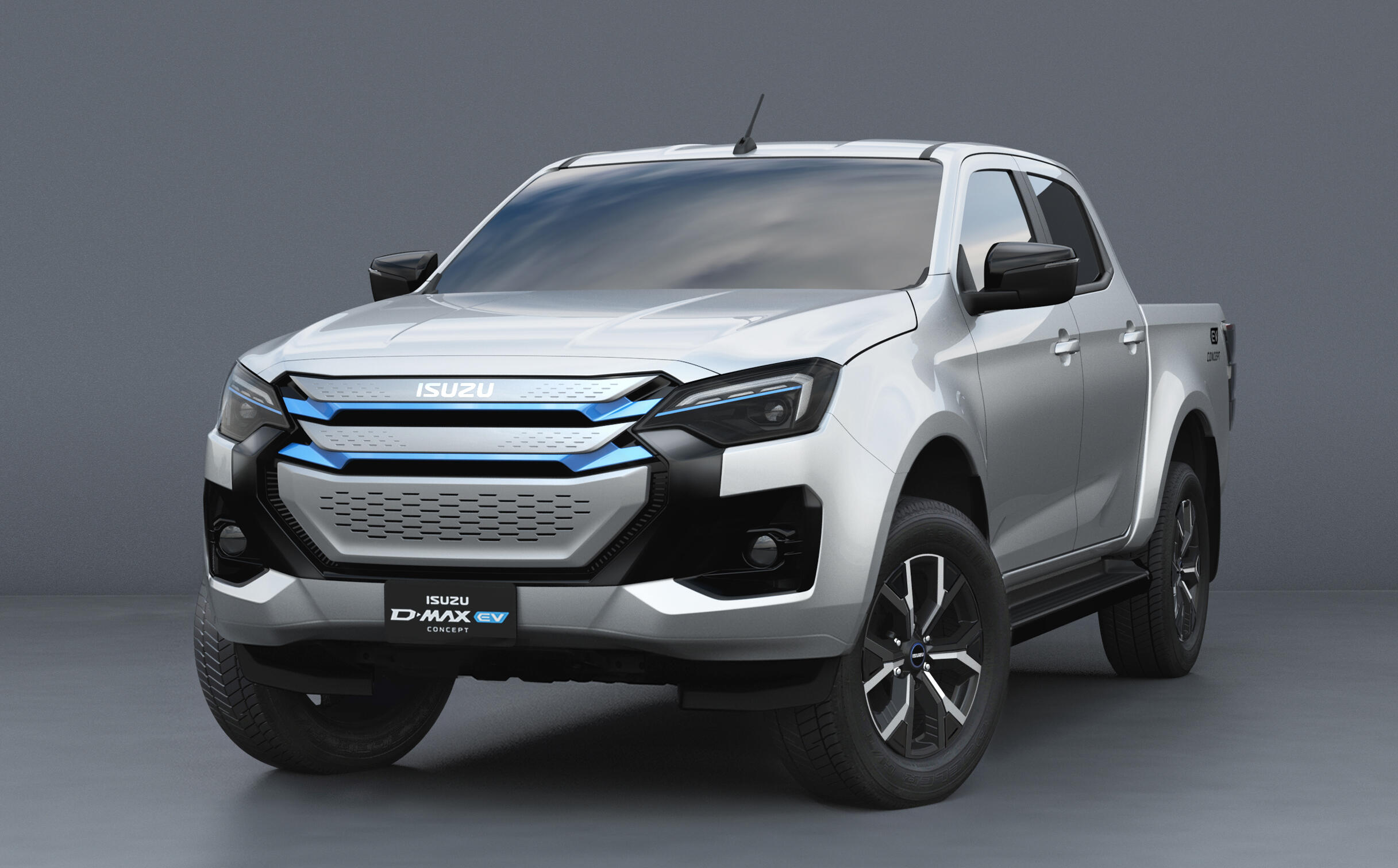
By 2025, the D-Max has received multiple facelifts, including updates in 2023-2024 that refined styling, added off-road modes like Rough Terrain, and introduced new engine options. Notably, Isuzu unveiled the D-Max BEV (Battery Electric Vehicle) prototype, signaling a shift toward electrification, with production models slated for Europe and other markets starting in 2025.
Over its generations, the D-Max has earned a reputation for indestructibility, often outlasting competitors in harsh conditions—from Australian outback trails to Southeast Asian construction sites.
Exterior Design and Styling
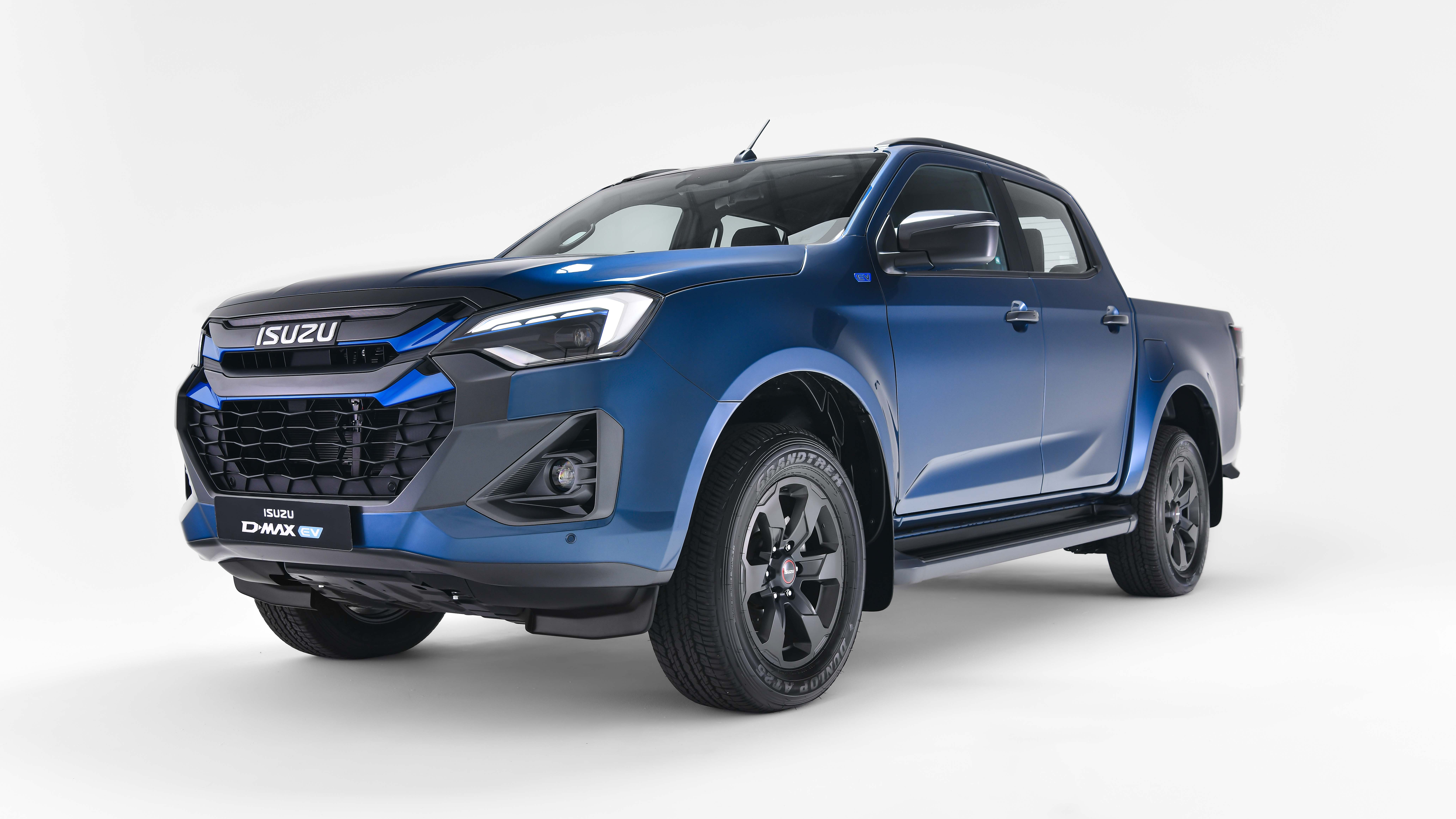
The 2025 Isuzu D-Max boasts a bold, aggressive exterior that balances rugged utility with contemporary appeal. The front fascia features a prominent grille, often in gunmetal or chrome finishes, flanked by bi-LED headlights with integrated daytime running lights on higher trims. The “Triple Shield” taillight design at the rear gives it a distinctive signature, especially on facelifted models.
Body styles include Single Cab, Extended Cab (Space Cab), and Double Cab (Crew Cab), catering to different needs—from pure work vehicles to family-friendly options. Wheel sizes range from 17-inch steel on base models to 18-inch alloys on premium variants like the V-Cross or X-Terrain.
Special editions, such as the Blade or Arctic Trucks AT35, add flared wheel arches, lifted suspension, and all-terrain tires for an even more imposing stance. Colors like Sienna Orange or Splash White enhance its visual impact.
Overall dimensions typically measure around 5,265-5,300mm in length, 1,870-1,900mm in width, and 1,800-1,850mm in height, with a wheelbase of about 3,125mm. Ground clearance exceeds 230mm in most variants, aiding off-road prowess.
Interior Comfort and Features
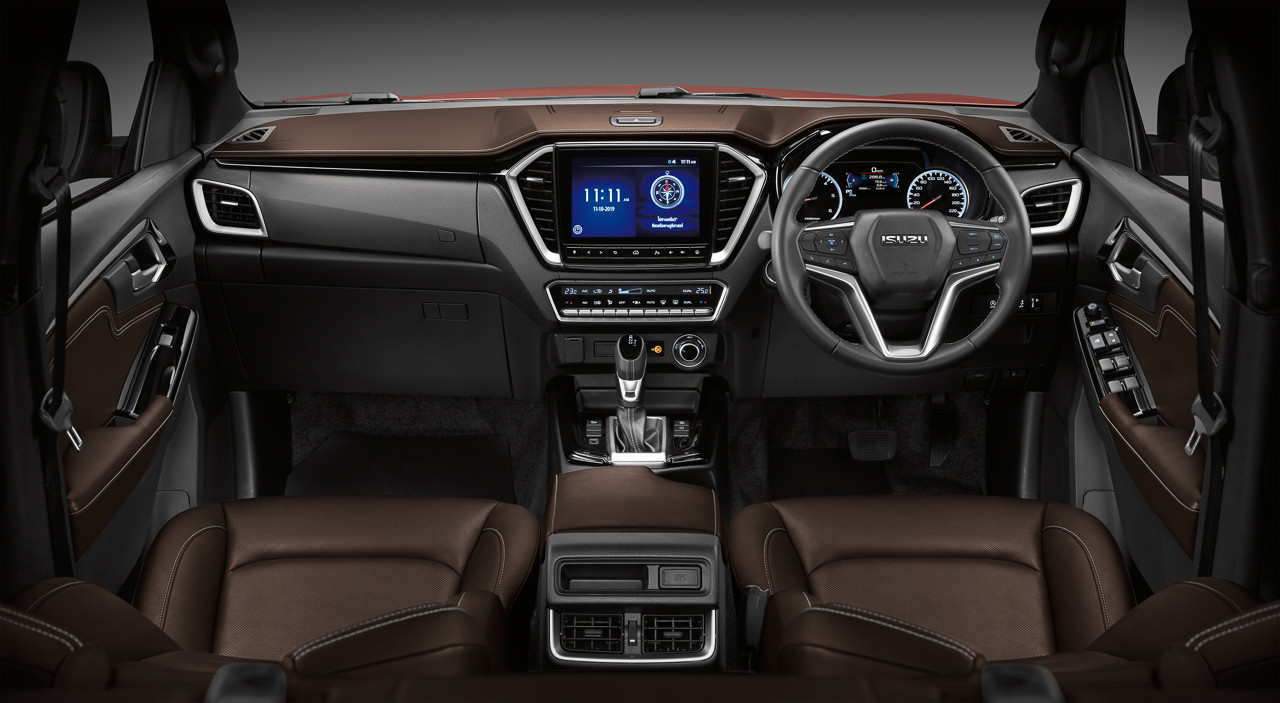
Step inside the 2025 D-Max, and you’ll find a cabin that’s a far cry from the spartan interiors of early pickups. Higher trims feature leather-accented seats, intuitive layouts, and premium materials. The dashboard hosts a 9-inch or larger touchscreen infotainment system with Apple CarPlay and Android Auto compatibility.
Dual-zone climate control, keyless entry, push-button start, and ambient lighting elevate comfort. Space is generous, especially in Double Cab models, accommodating five adults comfortably. Rear passengers benefit from ample legroom and USB ports.
Practical touches include multiple storage compartments, cup holders, and a cooled glovebox. Top specs add wireless charging, a 360-degree camera, and digital instrument clusters.
While base models remain functional for work, premium variants rival SUVs in refinement, with reduced noise, vibration, and harshness (NVH) thanks to improved insulation
Engine Options and Performance
The 2025 D-Max offers turbo-diesel engines renowned for torque and efficiency. The entry-level 1.9L (or updated 2.2L in some markets) produces around 120-150kW and 350-400Nm, paired with 6- or 8-speed automatics or manuals.
The flagship 3.0L four-cylinder delivers 140kW and 450Nm, providing strong low-end pull for towing and acceleration. Fuel economy ranges from 6.3-8L/100km, depending on configuration.
Drive modes include 2H, 4H, and 4L with a rear differential lock. The new Rough Terrain mode enhances traction in mud or slippery conditions.
On-road, the D-Max offers composed handling with minimal body roll, while highway cruising is quiet a
Off-Road Capabilities
The D-Max excels off-road, with 800mm wading depth, high approach/departure angles, and robust underbody protection. 4×4 models feature selectable drive systems and excellent articulation.
In real-world tests, the Rough Terrain mode allows progress through deep mud on standard tires. Variants like the Blade or AT35, with lifted suspension and aggressive tires, conquer extreme terrain

Towing and Payload Capacity
A standout feature is the 3,500kg braked towing capacity across most variants—class-leading and ideal for boats, caravans, or trailers. Payload exceeds 1 tonne in many models, with load bays accommodating Euro pallets.
Genuine tow kits and electronic brake controllers ensure safe, controlled towing.
Safety Features and Ratings
The D-Max consistently earns 5-star ratings from Euro NCAP and ANCAP, thanks to features like autonomous emergency braking (AEB), lane-keep assist, blind-spot monitoring, rear cross-traffic alert, and adaptive cruise control.
Isuzu’s Intelligent Driver Assistance System (IDAS) is standard, with up to eight airbags and robust structural integrity.
Reliability and Ownership
Isuzu’s diesel engines are legendary for longevity, often exceeding 400,000km with proper maintenance. Warranties extend to 5 years/125,000 miles in many markets, with strong resale values.
Service intervals are generous, and parts availability is good in key regions.
Comparison with Competitors
The D-Max rivals the Toyota Hilux (unbreakable reputation but dated interior), Ford Ranger (powerful, tech-rich but pricier), and Volkswagen Amarok (premium feel, shared Ranger platform).
The D-Max shines in value, reliability, and off-road prowess, often undercutting rivals while matching capabilities.
The Future: Electric D-Max and Beyond
The 2025 D-Max BEV promises zero-emissions with similar payload (1 tonne) and towing (3.5 tonnes). Launching in Europe first, it features a dual-motor setup for all-wheel drive.
Hybrid variants may follow, blending diesel efficiency with electric assistance.
Conclusion
The Isuzu D-Max remains a benchmark in the pickup world—tough, versatile, and continually improving. For 2025, it offers unmatched value for those needing a reliable partner for work or play. Whether diesel or the upcoming electric, the D-Max continues to deliver.
