


Six months after a ceasefire was announced in Gaza under United States mediation, the reality on the ground tells a far more troubling story than the word “ceasefire” suggests. Rather than bringing an end to violence, the agreement has coincided with continued military strikes, mounting casualties, and a worsening humanitarian catastrophe. What was intended to pause hostilities has instead become a period marked by ongoing instability, deepening suffering, and widespread devastation.
The ceasefire, which took effect in October 2025, was initially presented as a critical step toward de-escalation. Many hoped it would provide relief to civilians, enable humanitarian access, and create space for broader political negotiations. However, six months later, Gaza remains engulfed in crisis. The persistence of attacks, combined with severe restrictions on aid and movement, has raised serious questions about the effectiveness and enforcement of the agreement.
The Human Cost of Continued Violence
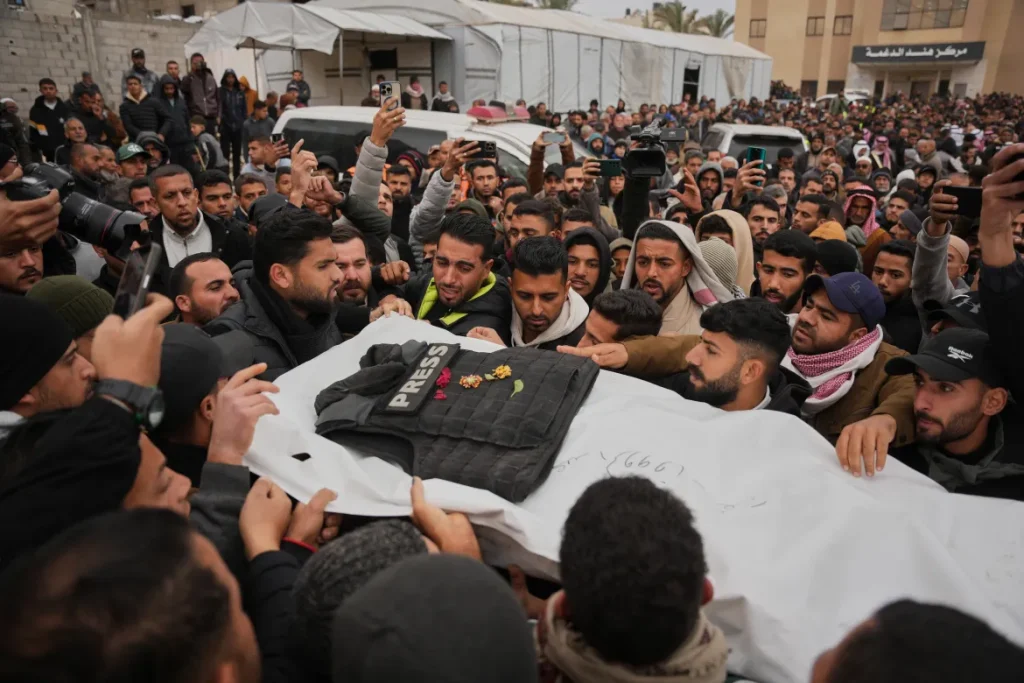
Rising Casualties in a Time of “Peace”
Despite the existence of a ceasefire, violence has continued to claim lives at an alarming rate. Hundreds of people have been killed and thousands injured in the months following the agreement. These numbers add to an already staggering toll that now exceeds tens of thousands of deaths, with many more wounded. A significant proportion of the victims are women and children, underscoring the disproportionate impact of the conflict on civilians.
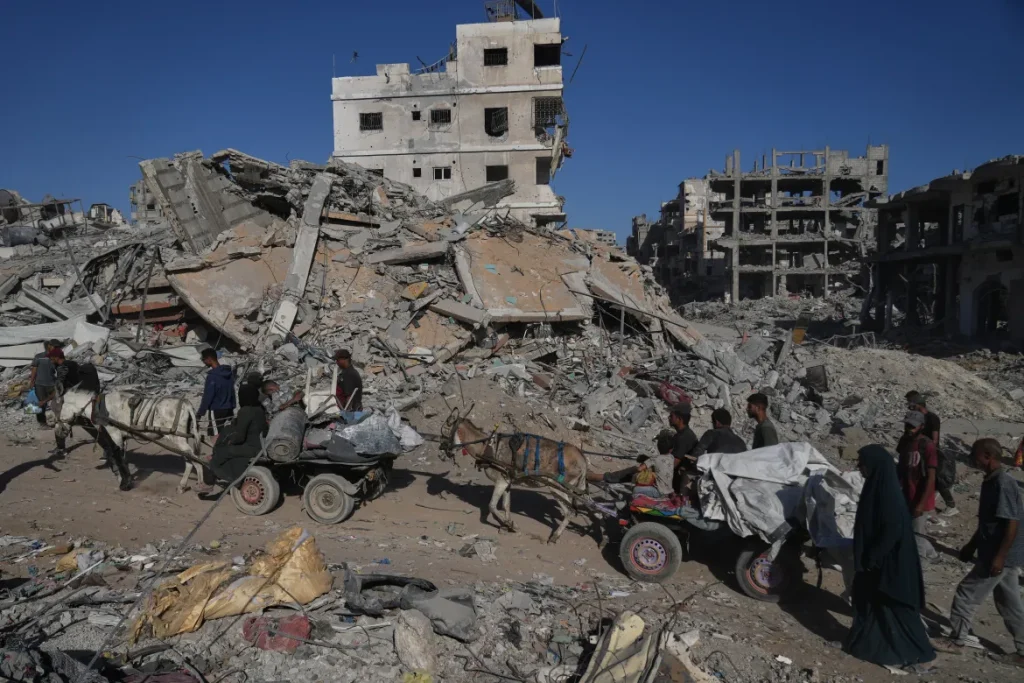
The scale of destruction is difficult to comprehend. Entire neighborhoods have been reduced to rubble, and countless families have been displaced. Many remain trapped beneath collapsed buildings, their fates unknown. The cumulative effect is a humanitarian disaster of historic proportions, one that continues to unfold despite the supposed cessation of hostilities.
A Society Under Strain
Beyond the immediate loss of life, the ongoing violence has placed immense strain on Gaza’s social fabric. Families have been torn apart, communities shattered, and basic systems of support have collapsed. The psychological toll is equally severe, as residents live under constant fear of further attacks. Even in moments of relative calm, the uncertainty of what might come next looms large.
Violations of the Ceasefire Agreement
A Pattern of Daily Attacks
Reports indicate that the ceasefire has been violated repeatedly since its implementation. Rather than isolated incidents, these violations have formed a pattern of near-daily strikes. This persistent level of activity challenges the very definition of a ceasefire and raises concerns about accountability and enforcement mechanisms.
The continuation of military operations has eroded trust in the agreement and undermined its credibility. For many in Gaza, the ceasefire exists more as a political statement than a lived reality. The gap between the promise of peace and the experience on the ground has become increasingly apparent.
The Collapse of Confidence
As violations accumulate, confidence in the ceasefire has diminished significantly. Civilians who initially hoped for relief now face a prolonged period of uncertainty. The absence of effective monitoring or enforcement has allowed the situation to deteriorate further, leaving residents with little sense of security or stability.
The Humanitarian Crisis Deepens
Healthcare on the Brink of Collapse
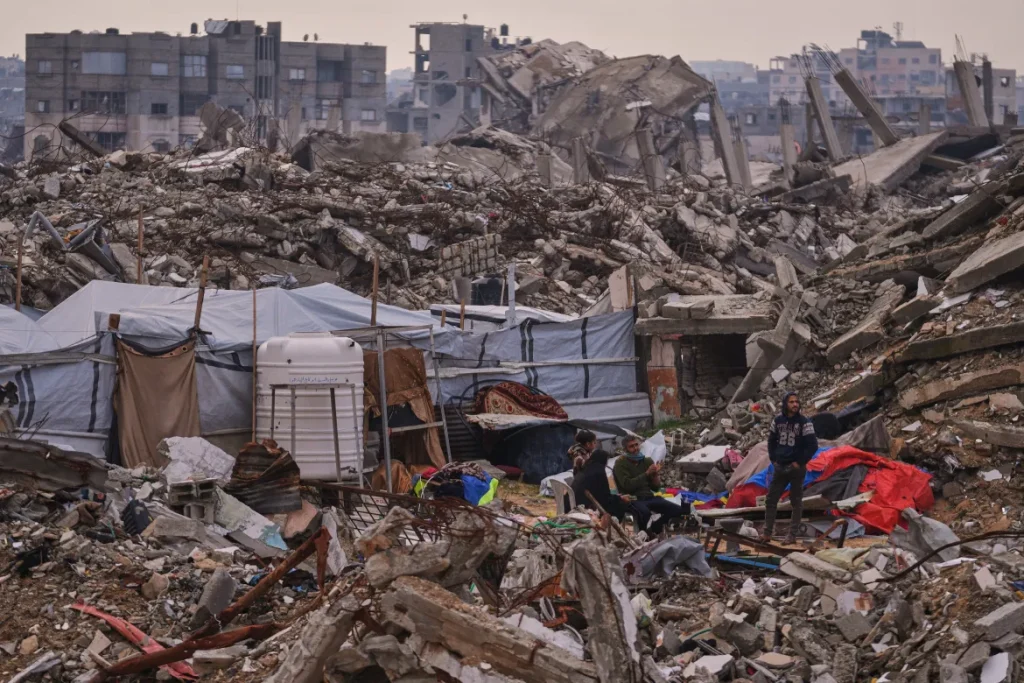
One of the most critical aspects of the crisis is the state of healthcare. Medical facilities, already under immense pressure from previous phases of the conflict, are now struggling to cope with the continued influx of casualties. Shortages of essential supplies, damaged infrastructure, and limited access to external support have pushed the system to the brink of collapse.
Thousands of patients require urgent medical evacuation for treatment that cannot be provided locally. Among them are many children suffering from severe injuries and chronic conditions. Despite provisions in the ceasefire agreement that were meant to facilitate such evacuations, only a small fraction of those in need have been able to leave Gaza for care.
Restrictions on Medical Evacuations
The closure of key border crossings has further compounded the crisis. The suspension of medical evacuations has left many patients without access to life-saving treatment. Even when limited operations have resumed, the number of people allowed to pass remains far below agreed levels. This shortfall highlights the gap between commitments made during negotiations and their implementation on the ground.
Food Insecurity and Aid Limitations
A Growing Hunger Crisis
In addition to the healthcare emergency, Gaza is facing severe food insecurity. A large majority of the population is now experiencing acute hunger, with many families struggling to secure even basic meals. The destruction of infrastructure, combined with restrictions on imports, has disrupted supply chains and reduced the availability of essential goods.
The situation is further exacerbated by the limited flow of humanitarian aid. While some assistance continues to enter Gaza, it falls far short of what is required to meet the needs of the population. Reports suggest that only a portion of the aid agreed upon under the ceasefire is actually being delivered.
Discrepancies in Aid Reporting
Conflicting accounts regarding the volume of aid entering Gaza have added another layer of complexity. Official statements have sometimes painted a more optimistic picture than what is observed on the ground. Local authorities and humanitarian organizations have challenged these claims, emphasizing that the scale of assistance remains insufficient.
This discrepancy has fueled frustration and raised concerns about transparency. For those living in Gaza, the issue is not the number of trucks reported, but the reality of empty shelves and unmet needs.
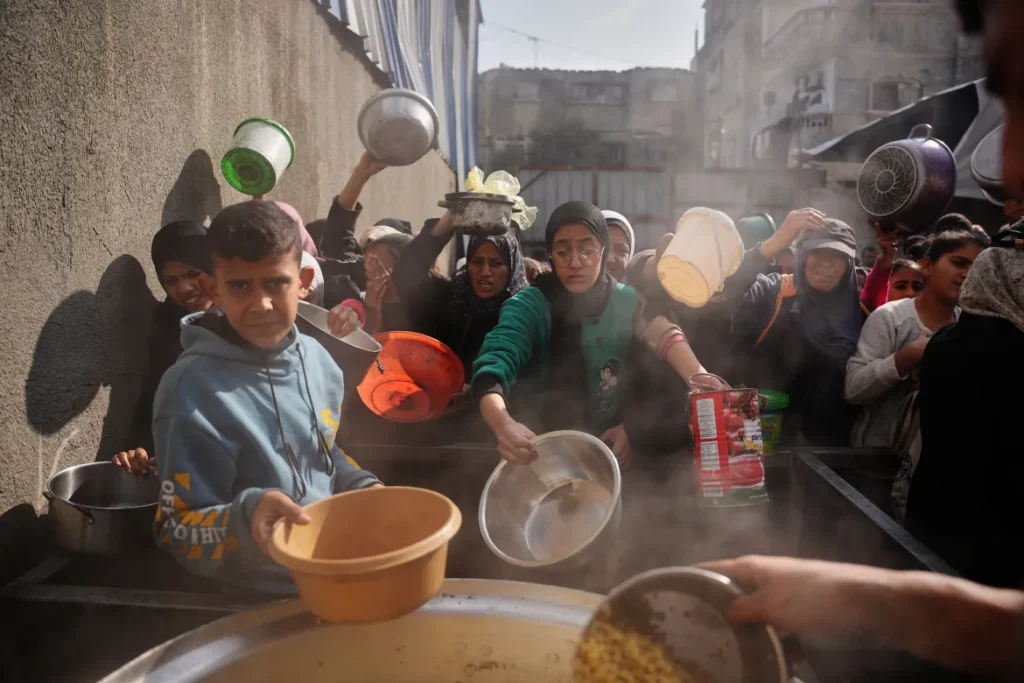
Daily Life in a Landscape of Destruction
Displacement and Survival
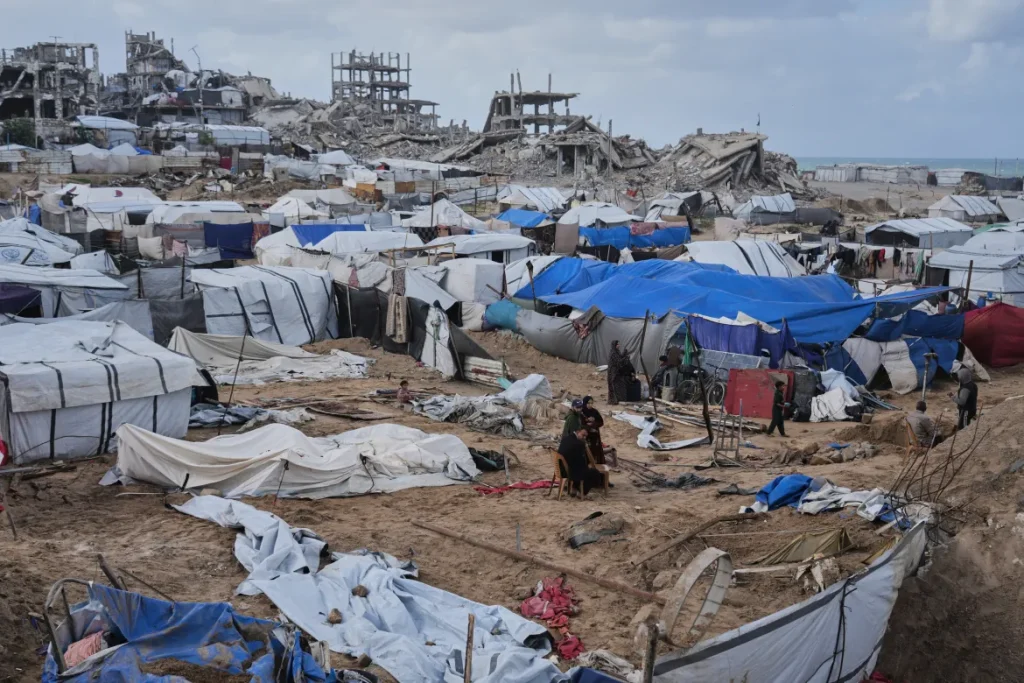
For many residents, daily life revolves around survival. Displacement camps have become home to large segments of the population, with families living in makeshift shelters under harsh conditions. Access to clean water, sanitation, and basic services is limited, creating additional health risks.
Children, in particular, face a difficult reality. Many have lost access to education and are growing up in an environment defined by conflict and instability. The long-term consequences of this disruption are likely to be profound, affecting an entire generation.
Coping With Loss and Uncertainty
The emotional toll of the crisis is immense. Families mourn loved ones while struggling to rebuild their lives amid ongoing uncertainty. The absence of a clear path forward has left many feeling trapped in a cycle of hardship with no end in sight.
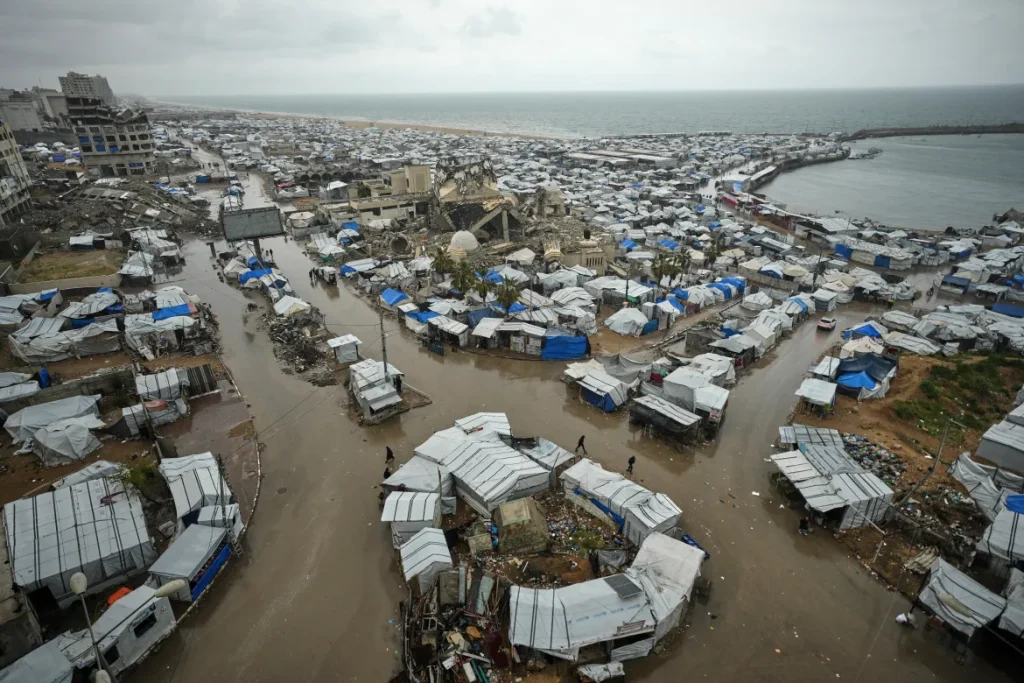
The Broader Political Context
The Role of International Mediation
The ceasefire was brokered with the involvement of international actors, reflecting the broader geopolitical significance of the conflict. However, the challenges of implementation highlight the limitations of external mediation. Agreements reached at the negotiating table must be matched by effective enforcement mechanisms, which have proven difficult to establish.
The Impact of Regional Dynamics
Regional developments have also influenced the situation in Gaza. Broader tensions and military actions have contributed to the closure of crossings and the restriction of movement. These factors underscore the interconnected nature of conflicts in the region and the difficulty of addressing them in isolation.
Read More: Why the Cease-Fire With Iran Will Hold
FAQs
Why has violence continued despite the ceasefire?
Violence has persisted because the ceasefire lacks strong enforcement mechanisms and mutual trust between the parties. Without effective monitoring and accountability, violations have continued with limited consequences.
How severe is the humanitarian situation in Gaza?
The humanitarian situation is extremely severe, with widespread destruction, a collapsing healthcare system, and significant food insecurity affecting a large portion of the population.
Why are medical evacuations so limited?
Medical evacuations have been restricted due to the closure of border crossings and limitations on movement. Even when partial access is allowed, the number of patients permitted to leave remains far below what is needed.
Is humanitarian aid reaching Gaza effectively?
While some aid is entering Gaza, it is not sufficient to meet the needs of the population. There are also discrepancies between reported and actual levels of assistance.
What are the long-term consequences of this situation?
The long-term consequences include lasting damage to infrastructure, economic decline, and significant social and psychological impacts on the population, particularly children.
Conclusion
Six months after the announcement of a ceasefire, Gaza remains a place defined by hardship, uncertainty, and ongoing suffering. The gap between the promise of peace and the reality on the ground is stark. Continued violence, combined with severe humanitarian challenges, has undermined the effectiveness of the agreement and left civilians bearing the brunt of the crisis. The situation highlights the limitations of ceasefires that are not fully implemented or enforced. Without accountability and sustained commitment from all parties, such agreements risk becoming symbolic rather than transformative. For Gaza, the ceasefire has not brought the relief that many had hoped for. Instead, it has become a period marked by continued struggle and unmet needs. Looking ahead, the path to meaningful improvement will require more than temporary pauses in violence. It will depend on sustained efforts to address the root causes of the conflict, ensure the protection of civilians, and provide the resources necessary for recovery and rebuilding. Until then, the people of Gaza remain caught in a reality where the word “ceasefire” offers little comfort against the hardships they continue to endure.
