


Rabies is one of the deadliest viral diseases known to humans. Once symptoms appear, rabies is almost always fatal. Yet, it is also 100% preventable when appropriate medical care—especially rabies vaccination—is given in time. Every year, tens of thousands of people worldwide die from rabies, most often following dog bites, and many of these deaths could have been prevented with timely vaccination and proper wound care.
The rabies vaccine injection plays a crucial role in preventing rabies infection both before exposure (pre-exposure prophylaxis) and after exposure (post-exposure prophylaxis). This article provides a comprehensive, expanded, and easy-to-understand guide to the rabies vaccine, including how it works, who needs it, how it is given, safety information, possible side effects, interactions, FAQs, and a clear conclusion emphasizing its life-saving importance.
Understanding Rabies
What Is Rabies?
Rabies is a viral disease caused by the rabies virus (RABV). It primarily affects the central nervous system, leading to severe brain inflammation (encephalitis). The virus is transmitted through the saliva of infected animals, usually via bites, scratches, or broken skin exposure.
Once the virus reaches the brain and symptoms begin, rabies is almost always fatal.
How Rabies Spreads
Rabies spreads through:
- Bites from infected animals
- Scratches that break the skin
- Saliva entering open wounds or mucous membranes
Animals commonly associated with rabies include:
- Dogs (most common globally)
- Bats
- Cats
- Raccoons
- Foxes
- Skunks
Human-to-human transmission is extremely rare.
Symptoms of Rabies
Rabies symptoms usually appear weeks to months after exposure, depending on the bite location and viral load.
Early Symptoms
- Fever
- Headache
- Weakness or fatigue
- Pain, tingling, or itching at the bite site
Advanced Symptoms
- Seizures
- Hallucinations
- Anxiety and agitation
- Difficulty swallowing (hydrophobia)
- Paralysis
- Confusion and coma
Once these symptoms appear, rabies is almost always fatal—making vaccination before symptoms develop absolutely critical.
What Is the Rabies Vaccine Injection?
Definition and Purpose
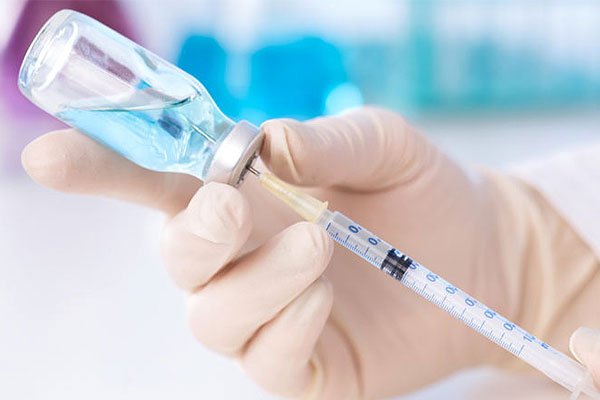
The rabies vaccine injection is a preventive vaccine designed to reduce the risk of developing rabies after exposure or to protect individuals who are at high risk of exposure. It does not treat active rabies disease, but it effectively prevents infection when administered properly and on time.
The vaccine works by stimulating the immune system to recognize and fight the rabies virus before it reaches the brain.
Common Brand Names
- Imovax
- RabAvert
Both vaccines are considered safe and effective and are widely used worldwide.
How the Rabies Vaccine Works
The rabies vaccine contains inactivated (killed) virus that cannot cause disease. When injected, it:
- Triggers the immune system to produce antibodies
- Prepares the body to fight the rabies virus
- Prevents the virus from reaching the brain
If exposure occurs after vaccination, the immune system responds more quickly, significantly reducing the risk of severe disease or death.
Who Needs the Rabies Vaccine?
Post-Exposure Vaccination (After a Bite or Exposure)
You may need the rabies vaccine immediately if:
- You are bitten or scratched by a dog, cat, bat, or wild animal
- You are exposed to saliva from a potentially rabid animal
- The animal cannot be observed or tested
In such cases, vaccination must begin as soon as possible.
Pre-Exposure Vaccination (High-Risk Individuals)
Pre-exposure vaccination is recommended for people at high risk, including:
- Veterinarians
- Animal handlers
- Laboratory workers handling the rabies virus
- Wildlife workers
- Travelers to rabies-endemic areas
- Children living in high-risk regions
Rabies Vaccine Dosage and Schedule
Post-Exposure Prophylaxis (PEP)
For individuals not previously vaccinated:
- Immediate wound cleaning
- Rabies immune globulin (RIG) (in certain cases)
- Rabies vaccine injections on:
- Day 0
- Day 3
- Day 7
- Day 14
All doses must be completed for full protection.
Pre-Exposure Prophylaxis
- Typically 2–3 doses over several weeks
- Booster doses may be needed for ongoing risk
How Is the Rabies Vaccine Given?
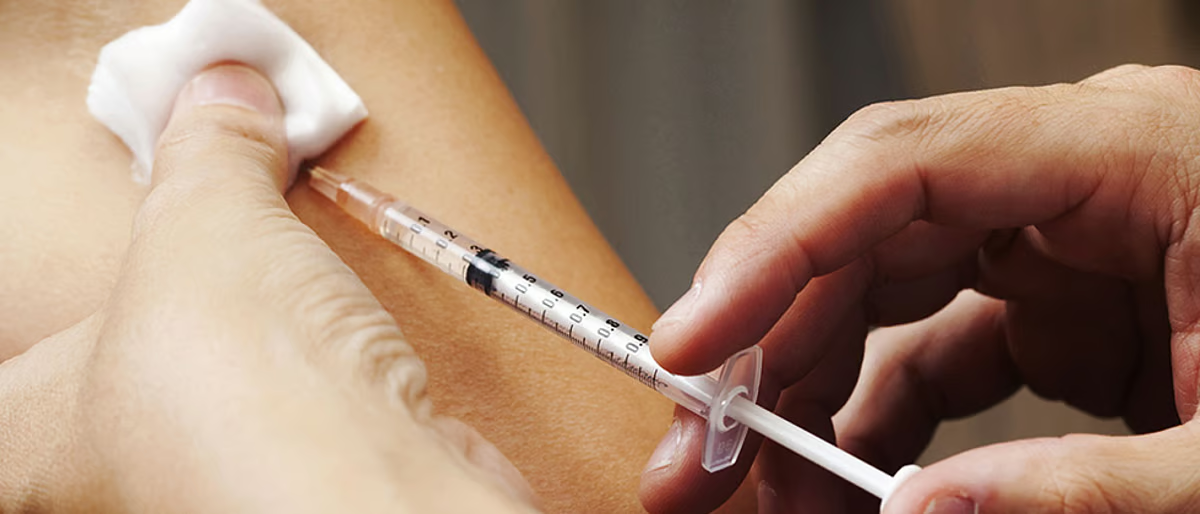
- Injected into a muscle (usually the upper arm or thigh)
- Administered only by trained healthcare professionals
- Never injected into the buttocks, as this reduces effectiveness
Each dose is accompanied by an official Vaccine Information Statement (VIS), which should be read carefully.
What to Tell Your Healthcare Provider Before Vaccination
Your care team should know if you have:
- Bleeding disorders
- Cancer
- HIV or AIDS
- Immune system problems
- Low blood counts
- Recent or ongoing radiation therapy
- A history of severe allergic reactions to vaccines
- Pregnancy or plans to become pregnant
- Breastfeeding
Rabies vaccination is usually still recommended after exposure, even during pregnancy, because rabies is fatal if untreated.
Missed Dose: What Happens If You Skip a Shot?
Rabies vaccination works only when all doses are given on schedule.
- Do not skip doses
- If you miss an appointment, contact your healthcare provider immediately
- Delayed doses may reduce protection
Completing the full course is essential for survival.
Drug and Vaccine Interactions
Certain medications may reduce the effectiveness of the rabies vaccine, including:
- Antimalarial medications
- Steroid medications (prednisone, cortisone)
- Medications for cancer treatment
- Drugs used for organ transplant
- Immune-suppressing medications (etanercept, infliximab)
- Immune globulins
- Some arthritis medications
Always provide a complete list of medications, supplements, and herbal products to your healthcare provider.
Safety of the Rabies Vaccine
Is the Rabies Vaccine Safe?
Yes. The rabies vaccine has been used for decades and has an excellent safety record. The benefits of vaccination far outweigh the risks, especially after potential exposure.
Common Side Effects
Most side effects are mild and temporary, including:
- Pain or redness at the injection site
- Fever
- Headache
- Fatigue
- Muscle or joint pain
- Swollen lymph nodes
These usually resolve within a few days.
Serious Side Effects (Rare)
Seek medical attention if you experience:
- Severe allergic reactions
- Swelling of face, lips, tongue, or throat
- Difficulty breathing
- Severe dizziness or fainting
What to Watch for After Vaccination
Attend all follow-up appointments
Report any unusual or severe side effects
Understand that no vaccine provides 100% protection
Continue medical follow-up if symptoms appear
Rabies Vaccine in Children
The rabies vaccine can be safely given to:
- Infants
- Children
- Adolescents
Special care is taken to ensure proper dosing and injection technique. Children in high-risk areas benefit significantly from timely vaccination after animal bites.
Rabies Prevention Beyond Vaccination
Avoid contact with stray animals
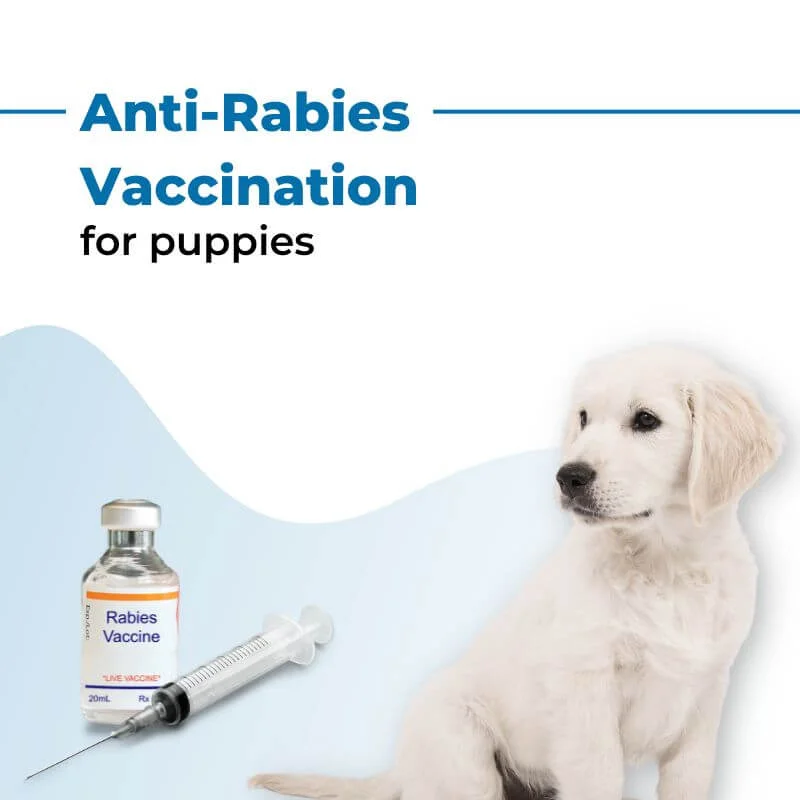
- Vaccinate pets regularly
- Teach children not to approach unfamiliar animals
- Seek immediate medical care after any animal bite
- Clean wounds thoroughly with soap and water
Vaccination is most effective when combined with prevention and education.
Read More: Cervical Cancer Vaccine: A Lifesaving Shield for Women’s Health
FAQs
Can rabies be cured after symptoms appear?
No. Once symptoms appear, rabies is almost always fatal. Prevention through vaccination is the only effective solution.
Is the rabies vaccine painful?
Mild discomfort at the injection site is common, but serious pain is rare.
Can pregnant women receive the rabies vaccine?
Yes, if exposed. The risk of rabies outweighs potential vaccine risks.
Do I need the vaccine if the bite was minor?
Yes. Even small bites or scratches can transmit rabies.
How soon should I get the vaccine after a bite?
Immediately. The sooner vaccination begins, the better the outcome.
Can I stop the vaccine if the animal seems healthy?
Only a healthcare provider can make that decision after proper observation or testing.
Does the rabies vaccine provide lifelong protection?
No. Booster doses may be required for continued high-risk exposure.
Conclusion
The rabies vaccine injection is not just another vaccine—it is a life-saving medical intervention. Rabies is nearly always fatal once symptoms appear, but it is entirely preventable with timely vaccination and proper medical care.Whether administered after a potential exposure or as a preventive measure for high-risk individuals, the rabies vaccine protects the brain, saves lives, and prevents one of the most terrifying diseases known to humanity.
