


Portugal Travel Guide 2026: Best Places, Costs and Itinerary Tips
This Portugal travel guide 2026 covers everything you need to plan a trip to one of Western Europe’s most rewarding destinations. Portugal packs historic cities, golden beaches, wine valleys, and volcanic islands into a country smaller than many US states, and it does it at prices well below those of neighbouring Spain, France, or Italy.
Lisbon’s yellow trams, Porto’s riverside wine lodges, Sintra’s fairy-tale palaces, and the Algarve’s cliff-backed beaches are the headline acts, but the real pleasure of Portugal is how easy it is to travel between them. High-speed trains connect Lisbon and Porto in under three hours, domestic flights start at around €30, and a week is enough to see the highlights without rushing. This guide gives you the best places to visit, realistic 2026 costs, a 7-day itinerary, and the money-saving tips that keep the trip affordable. If you want a warm escape when the weather turns cold, the Algarve is one of Europe’s best warm destinations for winter travel, with mild temperatures long after northern Europe has gone grey.
Read More: Japan Autumn Foliage 2026: Best Places to See Fall Colors — another seasonal destination guide for planning your next trip around the best time to go.
Portugal Travel Guide 2026: When Is the Best Time to Visit?
The best time to visit Portugal is spring, from March to May, and autumn, from September to October. Temperatures sit at a comfortable 22 to 25°C, crowds are smaller, and prices are lower than in peak summer. June and September are often singled out as the sweet spot: warm enough for the beach, cool enough for sightseeing.
Summer, from July to August, is ideal for beach holidays but brings the biggest crowds and the highest prices, with hotel rates sometimes doubling and temperatures reaching 35°C in Lisbon and the Algarve. Winter is mild, especially in the south, with festive events and quiet streets, and it is the best season for surfing in Nazaré, where the giant waves arrive between October and March.
For a first trip, aim for late April, May, or September. You get long days, warm evenings, and the freedom to book restaurants and viewpoints without queues.
Best Places to Visit in Portugal in 2026
Portugal rewards travellers who move beyond Lisbon. Each region has a different character, and the distances are short enough to combine several in one trip.
Lisbon: The City of Seven Hills
Lisbon is Portugal’s capital and its most visited city, and it is easy to see why. The historic Alfama neighbourhood is a maze of medieval streets, laundry-draped balconies, and hidden viewpoints called miradouros, all free to explore. Tram 28 rattles through the old town past pastel-coloured buildings, and the Belém district holds the Jerónimos Monastery and the original Pastéis de Belém bakery, where a pastel de nata costs around €1.50.
Allow at least three days in Lisbon. Day one covers Alfama, the castle, and the Baixa shopping district. Day two is for Belém and the waterfront. Day three is a day trip to Sintra, or a beach afternoon in Cascais, 40 minutes away by train.
Porto: Wine, Rivers and Old-World Charm
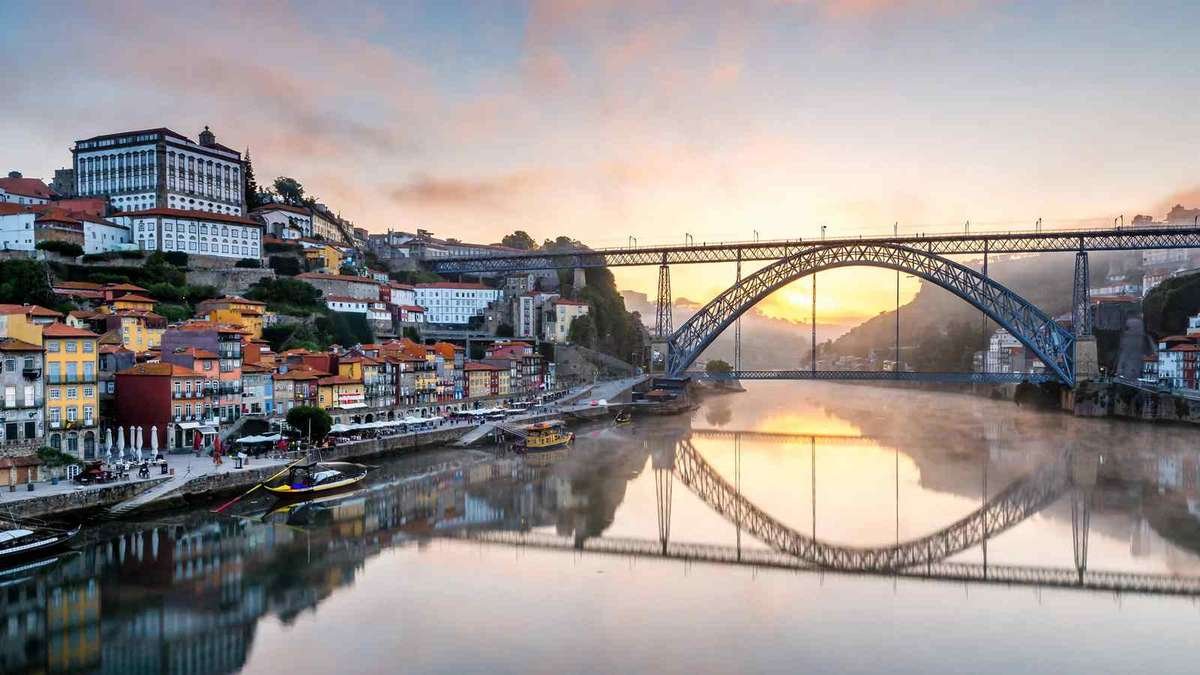
Porto, Portugal’s second city, sits on the Douro River in the north and moves at a slower pace than Lisbon. The Ribeira riverside district is a UNESCO World Heritage Site, with colourful houses, street performers, and the Dom Luís I bridge, a 19th-century iron arch designed by a disciple of Gustave Eiffel. Across the river in Vila Nova de Gaia, the port wine lodges offer tastings from €10 to €15.
Porto is also cheaper than Lisbon day to day, with a typical daily budget of €90 to €150 compared with Lisbon’s €95 to €160. Try the francesinha, the city’s famous layered sandwich, and take the train up the Douro Valley for one of Europe’s most beautiful rail journeys.
Sintra: Fairy-Tale Palaces in a Day
Sintra is an easy day trip from Lisbon, about 40 minutes by train, and it feels like a different world. The Pena Palace, a 19th-century romanticist castle painted in yellow and red, sits on a hill above the town and costs around €17 to enter. The Quinta da Regaleira, a mysterious estate with gardens, grottoes, and a spiral well, costs around €10. Add the Moorish Castle only if you have energy left, and book tickets in advance, because queues are long in peak season.
The Algarve: 150 Kilometres of Golden Beaches
The Algarve, on Portugal’s southern coast, has 150 kilometres of golden beaches backed by limestone cliffs. Praia da Marinha is regularly ranked among the world’s best beaches, and the Benagil Cave, a sea cave with a natural skylight, is reached by boat tours from around €25. Lagos is the best base for beaches and boat trips, while the Seven Hanging Valleys Trail, the Percurso dos Sete Vales Suspensos, is the region’s best coastal walk, leading from Praia da Marinha to the Benagil Cave.
The Algarve is also where budgets need care. The coastline is spread out, public transport does not always reach the best beaches, and rental cars, parking, and boat trips add up. Budget for mobility, not just hotels and meals.
Douro Valley, Évora and the Islands
The Douro Valley, east of Porto, is Portugal’s wine country, with terraced vineyards, river cruises, and the Quinta Nova estate. Évora, in the Alentejo region, is a walled medieval town with a Roman temple and a chapel lined with human bones, and it makes a good overnight stop between Lisbon and the Algarve.
Madeira, the Atlantic island known for its levada walking trails and year-round temperatures of 18 to 25°C, and the Azores, with volcanic lakes, hot springs, and whale watching from around €35, both need separate flights and at least three extra days. Save them for a second trip unless you have two full weeks.
Portugal Travel Guide 2026: How Much Does It Cost?
Portugal is one of Western Europe’s most affordable destinations, but costs vary by city and season. Lisbon is the most expensive city, Porto is a little cheaper, and smaller towns such as Coimbra and Braga are cheaper still.
| Expense | Budget | Mid-Range | Luxury |
|---|---|---|---|
| Accommodation (per person, per night) | €15–35 | €40–100 | €150–400+ |
| Lunch (prato do dia, dish of the day) | €8–12 | €15–22 | €30–60 |
| Dinner | €12–18 | €20–40 | €60–150+ |
| City transport (day pass) | €6–10 | €10–15 | €15–30 (taxi) |
| Daily total (approx.) | €50–75 | €90–160 | €250–600+ |
A one-week mid-range trip for one person, including flights, typically costs around €1,680. That breaks down as roughly €550 for flights, €630 for accommodation, €240 for food, €120 for transport, and €140 for activities. A budget version of the same week, using hostels and lunch deals, often lands closer to €1,150 to €1,350 plus flights. A two-week mid-range trip covering Lisbon, Porto, and the Algarve costs around €2,770 per person.
A family of four on a one-week summer trip can expect to spend around €7,614 including flights, while a couple typically spends €3,800 to €4,500. Booking flights a couple of months in advance is the single biggest way to cut the total.
Portugal Travel Guide 2026: A 7-Day Itinerary
Seven to ten days is the ideal length for a first trip to Portugal. This itinerary covers the highlights without rushing, and it works in spring or autumn.
Days 1–3: Lisbon and Sintra
Arrive in Lisbon and spend two days in the city: Alfama and the castle on day one, Belém and the waterfront on day two. On day three, take the train to Sintra for Pena Palace and Quinta da Regaleira, and return to Lisbon for dinner in Bairro Alto.
Days 4–5: Porto and the Douro Valley
Take the high-speed train from Lisbon to Porto in 2 hours and 49 minutes, with tickets from €27 to €34. Spend day four in the Ribeira district, crossing the Dom Luís I bridge and tasting port wine in Vila Nova de Gaia. On day five, take a Douro Valley day trip by train or river cruise, or stay in Porto and explore the Bolhão market and the Clérigos Tower.
Days 6–7: The Algarve
Fly from Porto to Faro, with fares from around $40, or take the train south. Spend day six on the beaches around Lagos and the Ponta da Piedade cliffs, and day seven on the Seven Hanging Valleys Trail and a Benagil Cave boat tour. Fly home from Faro, or return to Lisbon for your departure flight.
| Day | Where | Highlight | Budget (per person) |
|---|---|---|---|
| 1–2 | Lisbon | Alfama, Belém, tram 28 | €95–160 per day |
| 3 | Sintra (day trip) | Pena Palace, Quinta da Regaleira | +€25–60 |
| 4–5 | Porto | Ribeira, port wine, Douro Valley | €90–150 per day |
| 6–7 | Algarve | Lagos beaches, Benagil Cave | €95–170 per day |
Getting Around Portugal
Portugal’s transport is straightforward, and the country is small enough that no journey is very long. The high-speed Alfa Pendular train connects Lisbon and Porto in 2 hours and 49 minutes, and booking early brings fares down to €27 to €34. Domestic flights start at around €30 and save time on the Porto to Faro route.
Inside Lisbon, the metro, trams, and buses are covered by a day pass costing €6 to €10, and a single train ride to Cascais costs around €2.35. In the Algarve, a rental car is almost essential if you want to visit several beaches, because buses do not reach every cove and cliff viewpoint. Book the car early in summer, when prices rise sharply.
Walking is the best way to see Lisbon’s old town and Porto’s riverside, but both cities are hilly. Wear comfortable shoes, and use the trams and funiculars in Lisbon to save your legs for the viewpoints.
Portugal Travel Guide 2026: Money-Saving Tips
Portugal is affordable, but a few habits make it cheaper still. Eat the prato do dia, the dish of the day, at lunch: a full meal with a drink for €8 to €12 in most local restaurants. Dinner is usually the expensive meal, so make lunch your main meal and eat lighter in the evening.
Many of Portugal’s best experiences are free. Wandering Alfama’s streets, walking the Ribeira promenade, watching the sunset from a miradouro, and swimming at any beach cost nothing. Lisbon’s museums are free on the first Sunday of each month, and the city’s viewpoints are always free.
Book accommodation outside the historic centres. A metro or tram ride of 10 minutes can cut the nightly rate by a third. In the Algarve, stay in Lagos or Tavira rather than the most expensive resort towns, and visit in May or September, when the weather is warm and the prices have not yet peaked.
Finally, keep one spending category moderate. A trip gets expensive when every category is upgraded at once: central boutique hotels, daily tours, and seafood dinners every night. Pick one to splurge on and keep the others simple, and your total stays sane.
What to Eat and Drink in Portugal
Portuguese food is simple, fresh, and cheap by Western European standards. The national dish is bacalhau, salt cod, which is said to have 365 different recipes, one for every day of the year. Grilled sardines, octopus, and the cataplana seafood stew are staples on the coast, and the bifana, a pork sandwich, is the classic cheap lunch.
Pastel de nata, the custard tart, is Portugal’s most famous sweet, and the original bakery in Belém sells them for around €1.50. In Porto, the francesinha is a rite of passage: a sandwich layered with ham, sausage, and steak, covered in melted cheese and beer sauce. For drinks, port wine tastings start at €10 to €15 in Vila Nova de Gaia, and vinho verde, the light young wine of the north, is the perfect beach drink.
For a general introduction to the country, its history, and its regions, see the Portugal entry on Wikipedia.
Frequently Asked Questions
What are the best places to visit in Portugal?
The best places in Portugal are Lisbon for history and nightlife, Porto for wine and riverside charm, Sintra for fairy-tale palaces, the Algarve for beaches, Madeira for hiking, the Azores for volcanic landscapes, Óbidos, Évora, Nazaré, and the Douro Valley for culture and scenery.
When is the best time to visit Portugal?
The best time to visit Portugal is spring, from March to May, and autumn, from September to October, when temperatures are pleasant, crowds are smaller, and prices are more affordable. Summer is best for beaches but is busy and expensive, while winter offers mild weather and quieter sightseeing.
How many days are enough for Portugal?
Seven to ten days is ideal for exploring Portugal’s highlights, including Lisbon, Sintra, Porto, and the Algarve. If you want to visit Madeira, the Azores, or the Douro Valley, consider staying two weeks or longer. Even a 5-day itinerary is enough to experience the main sights.
Is Portugal expensive for tourists?
Portugal is one of Western Europe’s most affordable destinations. Budget travellers can spend €50 to €75 per day, mid-range visitors typically spend €90 to €160 daily, and a one-week mid-range trip costs around €1,680 per person including flights.
Which city is better: Lisbon or Porto?
It depends on what you want. Lisbon is bigger, busier, and better for nightlife, museums, and day trips to Sintra and Cascais. Porto is smaller, cheaper, and better for wine, riverside walks, and a relaxed pace. Most first-time visitors should see both, since the train between them takes under three hours.
Do I need a car in Portugal?
Not in Lisbon or Porto, where trains, trams, and the metro cover everything. A car is useful in the Algarve, where beaches and viewpoints are spread out, and in the Douro Valley and Alentejo, where public transport is limited. Book early in summer for the best rates.
Conclusion
Portugal is the rare European destination that delivers on every front: historic cities, world-class beaches, great food and wine, and prices that leave room in the budget for a second trip. This Portugal travel guide 2026 gives you the plan: three days in Lisbon and Sintra, two days in Porto and the Douro Valley, and two days on the Algarve coast, for around €1,680 per person at a comfortable mid-range pace.
The best time to go is spring or autumn, when the weather is warm, the crowds are thin, and the prices are at their friendliest. Book your flights a couple of months ahead, eat the dish of the day at lunch, and let the free pleasures, the viewpoints, the old towns, the beaches, do most of the work. Portugal rewards travellers who slow down and wander, and after a week there, most people start planning their return before they have even left.
