

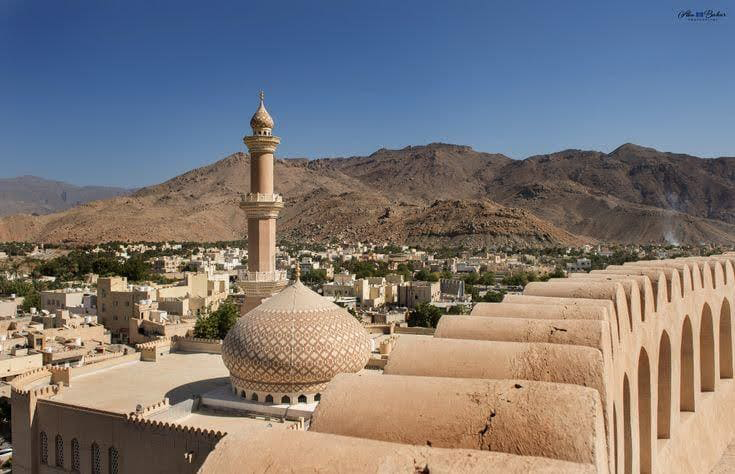
Nestled among the rugged Hajar Mountains in the heart of Oman, Nizwa City is one of the country’s oldest and most historically significant destinations. Often referred to as the “Pearl of Islam,” Nizwa has long been recognized as a center of religion, education, trade, and culture. Today, the city beautifully blends its ancient heritage with modern development, making it one of the most visited tourist destinations in Oman.
From its iconic fort and bustling traditional souq to its breathtaking mountain landscapes and centuries-old traditions, Nizwa offers visitors an authentic glimpse into Omani history and culture. Whether you’re a history enthusiast, an adventure traveler, or someone looking to experience the warmth of Arabian hospitality, Nizwa provides unforgettable experiences around every corner.
This comprehensive guide explores the rich history, cultural heritage, famous landmarks, and modern attractions that make Nizwa City one of the Middle East’s most fascinating destinations.
The History of Nizwa City
Nizwa’s history stretches back more than 1,500 years, making it one of the oldest continuously inhabited cities in the Arabian Peninsula. Archaeological discoveries indicate that the region has been home to settlements since ancient times, thanks to its abundant water resources and fertile agricultural land.
During the sixth and seventh centuries, Nizwa became an important center for Islamic learning and governance. The city gained prominence after the arrival of Islam in Oman and later became the capital of the Omani Imamate during several periods of the country’s history.
For centuries, scholars, judges, and religious leaders gathered in Nizwa, earning it a reputation as the intellectual capital of Oman. Numerous Islamic schools and libraries flourished here, preserving religious knowledge and Arabic literature for generations.
The city’s strategic location also made it an important trading hub. Merchants traveling between the coast and the interior frequently stopped in Nizwa, bringing goods, spices, textiles, livestock, and valuable commodities from across Arabia, Persia, India, and East Africa.
Throughout its long history, Nizwa witnessed numerous political struggles, tribal alliances, and defensive battles. These events shaped the city’s remarkable architecture, including its famous fortifications that still stand today.
Despite centuries of change, Nizwa has carefully preserved its historical identity while embracing modern progress.
Geography and Location
Nizwa is located approximately 160 kilometers southwest of Muscat, the capital of Oman. Situated within the Ad Dakhiliyah Governorate, the city lies at the foot of the spectacular Hajar Mountain range.
Its central location has historically connected northern Oman with southern and interior regions, making it a vital crossroads for commerce and communication.
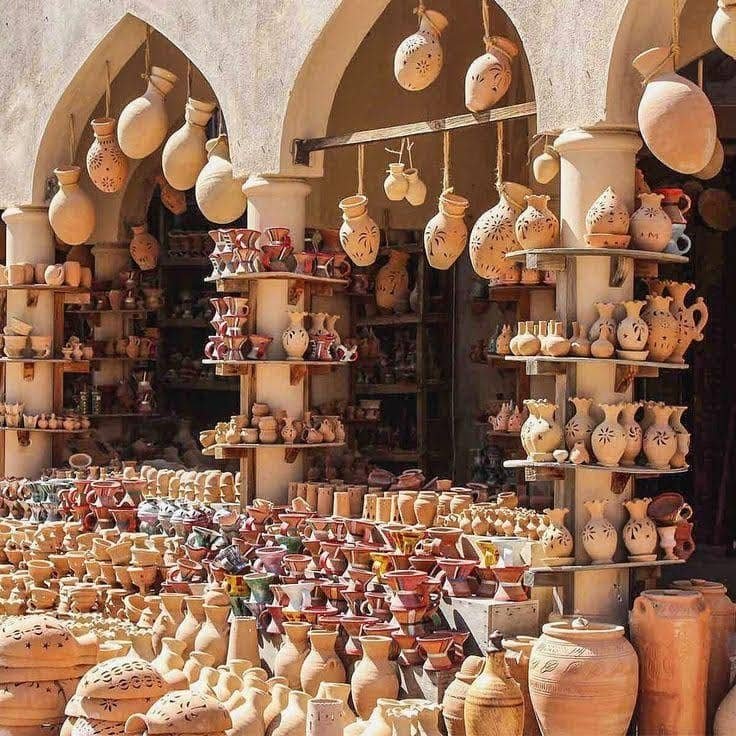
The surrounding landscape features:
- Dramatic mountain peaks
- Rocky valleys (wadis)
- Date palm plantations
- Ancient irrigation channels
- Desert plains
- Traditional farming villages
The city’s fertile oasis is sustained through the ancient Falaj irrigation system, a remarkable engineering achievement recognized by UNESCO as a World Heritage treasure.
Natural springs and underground water channels have supported agriculture in Nizwa for centuries, allowing local communities to cultivate dates, fruits, vegetables, and other crops despite the region’s arid climate.
Climate in Nizwa
Nizwa experiences a hot desert climate typical of inland Oman.
Summers are generally very hot, with daytime temperatures frequently exceeding 40°C (104°F). During this period, outdoor activities are best enjoyed in the early morning or late afternoon.
Winters, however, are pleasantly mild and represent the ideal season for tourism. Temperatures typically range between 18°C and 28°C (64°F to 82°F), making sightseeing comfortable throughout the day.
Rainfall remains limited but occasionally arrives during winter months or from tropical weather systems affecting Oman.
The nearby mountains often enjoy cooler temperatures, attracting visitors seeking relief from the summer heat.
Why Nizwa Is Known as the Pearl of Islam
Nizwa earned the title “Pearl of Islam” because of its extraordinary contributions to Islamic scholarship and education.
For centuries, the city served as the religious heart of Oman.
Islamic scholars established schools where students studied:
- Theology
- Islamic jurisprudence
- Arabic grammar
- Literature
- Mathematics
- Astronomy
Many respected judges and religious leaders graduated from these institutions before serving communities across Oman and neighboring regions.
The city’s numerous mosques became important centers for worship and education, while handwritten manuscripts preserved valuable knowledge that continues to influence Islamic studies today.
Even today, visitors notice the peaceful atmosphere and deep respect for cultural traditions that define daily life in Nizwa.
Nizwa Fort: The City’s Greatest Landmark
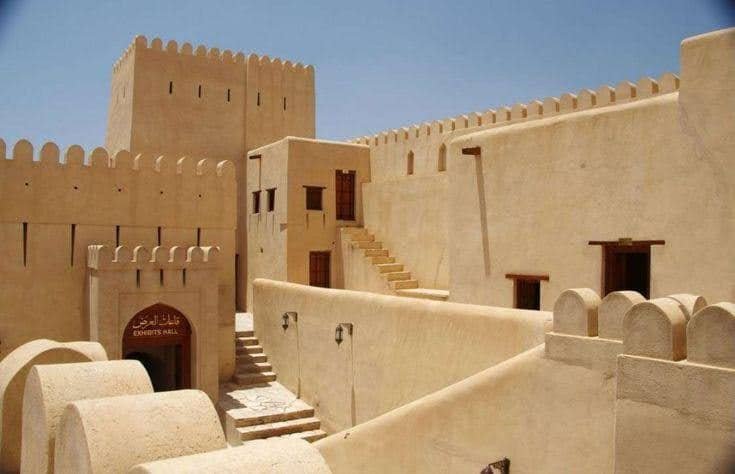
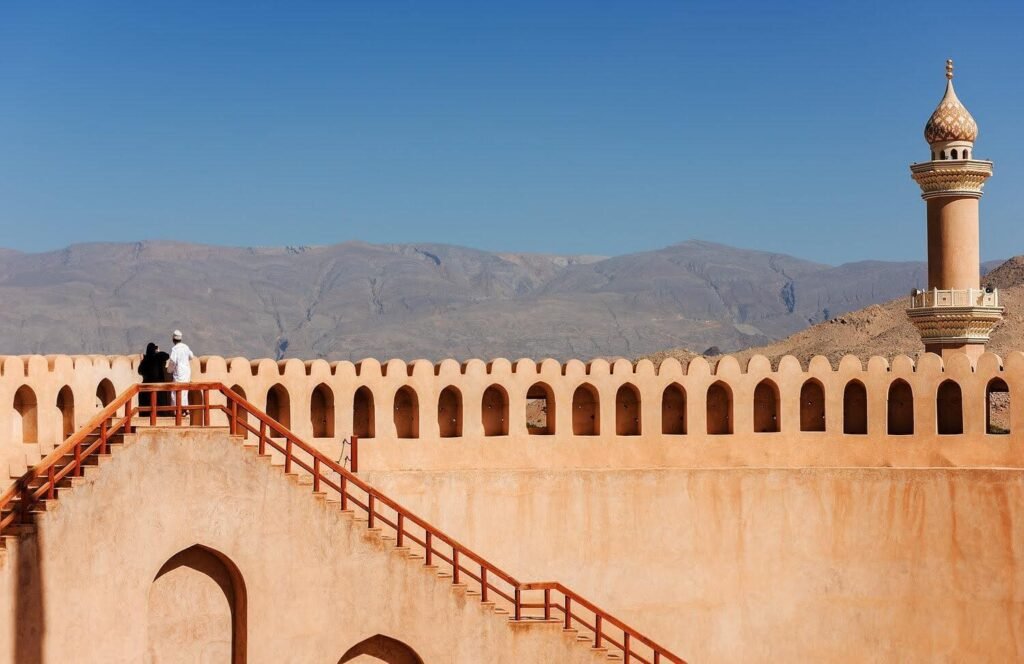
The most recognizable symbol of Nizwa is undoubtedly its magnificent fort.
Constructed during the seventeenth century under Imam Sultan bin Saif Al Ya’arubi, Nizwa Fort stands as one of the finest examples of traditional Omani military architecture.
Unlike many defensive structures built primarily for warfare, Nizwa Fort combined military strength with administrative and residential functions.
The fort’s massive circular tower dominates the city skyline.
Measuring approximately 45 meters in diameter, the enormous tower provided defenders with panoramic views of approaching enemies from every direction.
Inside the fort, visitors discover:
- Historic living quarters
- Secret escape passages
- Defensive chambers
- Traditional kitchens
- Water wells
- Prayer rooms
- Observation platforms
- Museums showcasing Omani history
Ingenious defensive features—including concealed openings for pouring boiling liquids or dropping stones on attackers—demonstrate the advanced military engineering of the period.
Today, the fort serves as one of Oman’s most visited cultural attractions, welcoming thousands of international visitors every year.
Exploring the Famous Nizwa Souq
Located adjacent to the historic fort, Nizwa Souq is among the oldest traditional marketplaces in Oman.
Unlike modern shopping malls, the souq offers an authentic Arabian market experience filled with local craftsmanship and centuries-old trading traditions.
Visitors wandering through its narrow pathways encounter shops selling:
- Silver jewelry
- Traditional Omani daggers (Khanjar)
- Pottery
- Handwoven textiles
- Frankincense
- Spices
- Dates
- Honey
- Incense
- Handmade crafts
Many local artisans continue producing goods using traditional techniques passed down through generations.
One of the most popular attractions within the souq is the Friday livestock market.
Every Friday morning, farmers from surrounding villages gather to buy and sell goats, cattle, sheep, and other livestock through lively auctions that preserve centuries-old trading customs.
Photographers and cultural enthusiasts often consider this event one of the most authentic experiences in Oman.
Traditional Architecture
Walking through Nizwa reveals beautifully preserved examples of traditional Omani architecture.
Homes are typically constructed using mud bricks, stone, and palm wood, materials perfectly suited to the region’s climate.
Architectural features often include:
- Thick insulating walls
- Decorative wooden doors
- Intricately carved windows
- Internal courtyards
- Flat rooftops
- Wind-catching ventilation systems
Many historic neighborhoods have undergone careful restoration while maintaining their original appearance.
The result is a city where ancient architecture coexists harmoniously with modern infrastructure.
The Ancient Falaj Irrigation System
One of Nizwa’s greatest engineering achievements is its traditional Falaj irrigation network.
Developed centuries ago, this underground water distribution system channels water from natural springs through carefully constructed tunnels and open canals.
The Falaj system provides reliable irrigation for farms, gardens, and date plantations even during long dry seasons.
Water distribution follows carefully organized schedules that have been respected by local communities for generations.
This remarkable system reflects the ingenuity of ancient Omani engineers and continues supporting agriculture today.
Its importance extends beyond farming—it also represents a cultural tradition that has united local communities for centuries.
Agriculture and Date Palm Plantations
Agriculture has always played a central role in Nizwa’s economy.
The city’s fertile oasis produces a variety of crops, including:
- Dates
- Lemons
- Mangoes
- Pomegranates
- Bananas
- Garlic
- Onions
- Alfalfa
- Vegetables
Date palms dominate the surrounding landscape.
Oman is internationally recognized for producing high-quality dates, and Nizwa remains one of the country’s leading agricultural regions.
Harvest season transforms local farms into busy centers of activity as families gather to collect, process, and package the fruit using traditional methods.
Dates remain both an important food source and a symbol of Omani hospitality.
Culture and Traditions of Nizwa
Nizwa is not only famous for its historical monuments but also for preserving Oman’s traditional way of life. The city remains deeply connected to its cultural roots, where customs and values are passed from one generation to the next. Visitors often notice the warm hospitality of the local people, who proudly share their heritage with travelers from around the world.
Family plays a central role in Nizwa’s society. Traditional gatherings, religious celebrations, and community events strengthen relationships and help preserve customs that have existed for centuries. Respect for elders, generosity toward guests, and strong community ties remain essential aspects of everyday life.
Many residents continue to wear traditional Omani clothing. Men commonly wear the white dishdasha, often accompanied by a beautifully embroidered cap known as the kumma or a traditional turban called the massar. Women wear elegant abayas decorated with colorful embroidery and jewelry that reflects Oman’s artistic heritage.
These traditions provide visitors with an authentic cultural experience that is becoming increasingly rare in today’s rapidly modernizing world.
Nizwa’s Rich Islamic Heritage
Religion has shaped Nizwa’s identity for more than a thousand years. The city has long served as one of Oman’s most important centers of Islamic education and scholarship.
Historic mosques remain active places of worship while also serving as reminders of the city’s spiritual legacy. Islamic values continue to influence architecture, daily routines, festivals, and community life.
Religious education remains highly respected, and many families continue encouraging younger generations to study the Quran, Arabic language, and Islamic history.
Visitors are welcome to admire many historic religious sites while respecting local customs regarding dress and behavior.
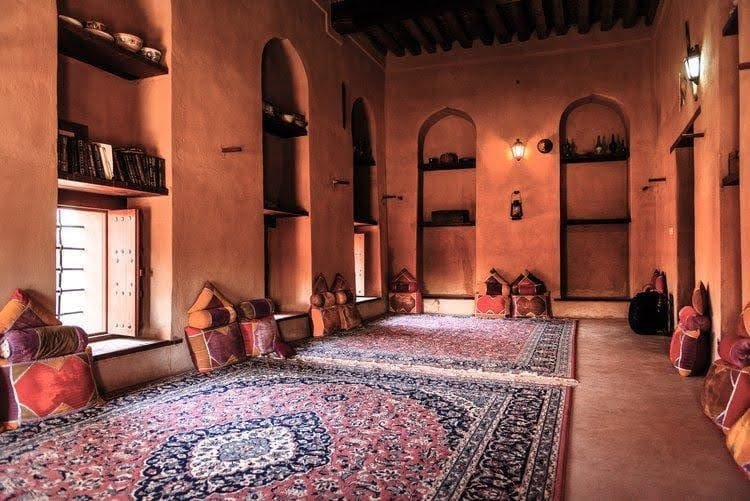
Top Tourist Attractions in Nizwa
Although the famous Nizwa Fort often receives the most attention, the city offers many other attractions that showcase its history, culture, and natural beauty.
Nizwa Castle
Connected to the fort complex, Nizwa Castle features elegant courtyards, beautifully restored rooms, and informative museum exhibits that illustrate life during different periods of Omani history.
Visitors can explore traditional kitchens, meeting halls, prayer rooms, and residential quarters once occupied by Omani rulers.
Interactive displays help explain how the castle functioned as both a government center and a defensive structure.
Traditional Villages
Several historic villages surround Nizwa, allowing travelers to experience authentic rural life.
Stone houses, narrow alleyways, ancient mosques, and palm-filled oases create picturesque settings that appear almost unchanged over the centuries.
Walking through these villages offers insight into traditional architecture and agricultural practices that continue to support local communities.
Date Farms
Many visitors enjoy touring the extensive date plantations surrounding Nizwa.
Local farmers explain how date palms are cultivated, harvested, and processed into various products.
Guests often have the opportunity to sample fresh dates along with traditional Omani coffee, creating one of the most memorable cultural experiences in the region.
Museums
Nizwa features several museums dedicated to preserving Oman’s cultural heritage.
Exhibits showcase:
- Traditional weapons
- Historical manuscripts
- Ancient pottery
- Coins
- Agricultural equipment
- Traditional clothing
- Jewelry
- Household artifacts
These collections provide valuable insight into everyday life throughout Oman’s long history.
Adventure Around Nizwa
Beyond its historical attractions, Nizwa serves as an excellent base for outdoor adventures.
The surrounding Hajar Mountains provide spectacular scenery and numerous opportunities for exploration.
Adventure enthusiasts frequently visit nearby destinations for hiking, mountain climbing, photography, and off-road driving.
The combination of dramatic landscapes and traditional mountain villages creates unforgettable travel experiences.
Jebel Akhdar
One of the most popular excursions from Nizwa is Jebel Akhdar, often called the “Green Mountain.”
Located within the Al Hajar mountain range, this breathtaking region is famous for its cooler temperatures, terraced farms, fruit orchards, and spectacular viewpoints.
Visitors can explore mountain trails lined with pomegranate trees, walnut groves, and fragrant rose gardens.
During spring, thousands of Damask roses bloom across the mountainsides, producing the famous Omani rose water that is exported around the world.
Luxury mountain resorts also attract travelers seeking relaxation surrounded by stunning natural scenery.
Jebel Shams
Another nearby destination is Jebel Shams, the highest mountain in Oman.
Rising over 3,000 meters above sea level, Jebel Shams offers panoramic views across deep canyons often referred to as the “Grand Canyon of Arabia.”
Hiking enthusiasts from around the world visit the mountain to complete its famous trails, including the Balcony Walk, which follows dramatic cliff edges overlooking breathtaking valleys.
The cooler mountain climate provides a refreshing escape from the desert heat below.
Wadis Near Nizwa
Several beautiful wadis are located within driving distance of Nizwa.
These valleys feature crystal-clear pools, flowing streams, rocky cliffs, and lush vegetation.
Popular activities include:
- Swimming
- Hiking
- Photography
- Nature walks
- Bird watching
- Family picnics
Seasonal rainfall transforms many wadis into spectacular natural attractions filled with cascading waterfalls.
Local Cuisine of Nizwa
Food plays an important role in Omani culture, and Nizwa offers visitors an opportunity to enjoy authentic traditional cuisine.
Meals often combine aromatic spices with locally produced meat, rice, vegetables, and dates.
One of the most famous traditional dishes is Shuwa, a slow-cooked lamb marinated with spices before being wrapped in banana leaves and buried in an underground oven for many hours.
Another popular meal is Majboos, a flavorful rice dish prepared with chicken, lamb, or fish.
Visitors also enjoy:
- Mashuai (grilled kingfish served with rice)
- Harees
- Omani bread
- Date syrup
- Fresh honey
- Traditional sweets known as Halwa
Meals are frequently accompanied by fragrant Omani coffee flavored with cardamom and served alongside fresh dates.
Shopping in Nizwa
Shopping in Nizwa offers a very different experience compared to modern shopping centers.
The traditional marketplace specializes in authentic handmade products created by local craftsmen.
Popular purchases include:
- Silver jewelry
- Khanjar daggers
- Handwoven baskets
- Pottery
- Incense burners
- Frankincense
- Traditional perfumes
- Leather goods
- Carpets
- Handmade textiles
Each item reflects centuries of craftsmanship and makes an excellent souvenir representing Omani culture.
Visitors often enjoy watching artisans produce these goods using techniques that have remained unchanged for generations.
Festivals and Cultural Events
Nizwa hosts several cultural celebrations throughout the year.
Religious holidays such as Eid al-Fitr and Eid al-Adha are celebrated with community prayers, family gatherings, and traditional meals.
Cultural festivals often feature:
- Traditional music
- Folk dancing
- Camel displays
- Horse riding
- Falconry demonstrations
- Handicraft exhibitions
- Poetry readings
These events allow visitors to experience the vibrant traditions that continue shaping Omani identity.
Hospitality in Nizwa
Hospitality is deeply rooted in Omani culture.
Visitors frequently receive warm welcomes from local residents who are eager to share their customs and traditions.
Serving coffee and dates to guests represents one of Oman’s oldest traditions and symbolizes friendship, respect, and generosity.
Many travelers describe the kindness of Nizwa’s residents as one of the highlights of their journey.
Photography Opportunities
Nizwa is a paradise for photographers.
Every corner of the city presents unique opportunities to capture stunning images.
Popular photography locations include:
- Nizwa Fort at sunrise
- Traditional Souq
- Date palm plantations
- Historic alleyways
- Mountain landscapes
- Ancient villages
- Sunset over the Hajar Mountains
- Friday livestock market
The contrast between ancient architecture and dramatic natural scenery creates extraordinary visual compositions throughout the year.
Sustainable Tourism in Nizwa
Oman places significant emphasis on preserving its cultural heritage and natural environment.
Restoration projects continue protecting historic buildings while improving visitor facilities.
Local communities actively participate in tourism, ensuring that economic benefits support traditional crafts, agriculture, and cultural preservation.
Visitors are encouraged to respect local customs, protect historical sites, and support locally owned businesses whenever possible.
Sustainable tourism helps preserve Nizwa’s unique identity for future generations.
Modern Development in Nizwa
While Nizwa is celebrated for its rich history and cultural heritage, it has also embraced modernization without sacrificing its traditional identity. Over the past few decades, the city has experienced significant improvements in infrastructure, education, healthcare, and tourism facilities. These developments have made Nizwa one of Oman’s fastest-growing regional cities while preserving its historical character.
Modern roads connect Nizwa with Muscat and other major cities, making travel convenient for both residents and tourists. Shopping centers, hotels, educational institutions, and healthcare facilities have expanded, offering visitors the comforts of a modern city while maintaining the charm of an ancient settlement.
Government-led conservation projects have also restored many historic buildings and public spaces, ensuring that Nizwa’s architectural treasures remain protected for future generations.
Economy of Nizwa
Nizwa’s economy is built on a combination of traditional industries and modern business sectors.
Agriculture continues to play an important role, particularly the cultivation of dates, fruits, vegetables, and livestock. Date farming remains one of the region’s most valuable agricultural activities, with many local farms producing high-quality dates for domestic consumption and export.
Tourism has become another major contributor to the local economy. Every year, thousands of visitors from around the world travel to Nizwa to explore its historic fort, traditional souq, and nearby mountain attractions. Hotels, restaurants, transportation services, handicraft businesses, and tour operators all benefit from the growing number of tourists.
Small businesses and traditional craftsmen also contribute significantly to the local economy. Handmade silver jewelry, pottery, woven baskets, perfumes, and traditional Omani daggers continue to attract buyers seeking authentic local products.
Education and Learning
Nizwa has long been known as a center of education. This tradition continues today through modern schools, colleges, and universities that serve students from across Oman.
Educational institutions offer programs in science, engineering, business, Islamic studies, medicine, and information technology. These institutions help prepare young Omanis for careers in both the public and private sectors while continuing the city’s historic role as a place of learning.
Libraries, cultural centers, and museums further promote education by preserving historical documents, manuscripts, and archaeological discoveries that reflect Oman’s rich heritage.
Transportation in Nizwa
Traveling to and around Nizwa is relatively easy thanks to Oman’s well-developed transportation network.
The city is connected to Muscat by a modern highway, allowing travelers to complete the journey in approximately two hours by car. Rental cars are a popular option for visitors who wish to explore nearby mountains, villages, and natural attractions at their own pace.
Public buses also operate between Muscat and Nizwa, providing an affordable travel option. Within the city, taxis are readily available for short-distance transportation.
Because many of Nizwa’s attractions are located close to one another, walking is also an enjoyable way to explore the historic district.
Accommodation Options
Nizwa offers accommodation suitable for a wide range of travelers and budgets.
Luxury resorts provide elegant rooms, mountain views, swimming pools, spas, and fine dining experiences. These properties are popular among international tourists seeking comfort and relaxation.
Mid-range hotels offer modern amenities, comfortable rooms, and convenient access to major attractions such as Nizwa Fort and the traditional souq.
Budget guesthouses and family-run lodges provide affordable accommodation while allowing visitors to experience authentic Omani hospitality.
Some travelers also choose eco-lodges and mountain retreats near Jebel Akhdar and Jebel Shams, combining nature with cultural exploration.
Best Time to Visit Nizwa
The ideal time to visit Nizwa is between October and April, when temperatures are cooler and more comfortable for sightseeing.
During these months, daytime temperatures are pleasant, making it easier to explore the fort, souq, gardens, and surrounding mountains.
Spring is particularly beautiful as flowers bloom in nearby mountain villages, while winter offers clear skies and excellent conditions for hiking and photography.
Although summer temperatures can be extremely high, early morning and evening excursions remain possible. Travelers visiting during the hotter months often combine city sightseeing with trips to the cooler mountain regions nearby.
Travel Tips for Visitors
Planning ahead can help visitors make the most of their journey to Nizwa.
Dress modestly to respect local customs, particularly when visiting religious sites and traditional neighborhoods. Comfortable walking shoes are recommended, as many historical attractions feature stone pathways and uneven surfaces.
Carry plenty of water, especially during warmer months, and use sunscreen to protect against the desert sun.
Photography is generally welcomed at tourist sites, but visitors should always ask permission before photographing local people.
Shopping at the traditional souq often includes friendly bargaining, making the experience both enjoyable and culturally authentic.
Most importantly, taking time to interact with local residents provides valuable insight into Omani culture and hospitality.
Why Nizwa Should Be on Every Traveler’s Bucket List
Nizwa offers a rare combination of history, culture, architecture, and natural beauty that appeals to travelers of all interests.
History lovers can explore one of Oman’s most important forts and discover centuries of Islamic scholarship.
Culture enthusiasts can experience traditional markets, authentic cuisine, local festivals, and centuries-old customs.
Nature lovers have easy access to spectacular mountains, valleys, and scenic viewpoints.
Adventure seekers can enjoy hiking, off-road driving, mountain climbing, and photography.
Families appreciate the city’s peaceful atmosphere, friendly residents, and educational attractions.
Unlike many destinations that have become heavily commercialized, Nizwa continues to preserve its authentic character, allowing visitors to experience genuine Omani life.
Sustainable Tourism and Heritage Preservation
Oman has made significant investments in protecting Nizwa’s cultural heritage while encouraging sustainable tourism.
Historic buildings continue to undergo careful restoration using traditional construction techniques. Museums and cultural institutions work to preserve artifacts, manuscripts, and oral traditions that represent the city’s remarkable history.
Local communities actively participate in tourism by producing handicrafts, operating guesthouses, guiding visitors, and promoting traditional agriculture.
These efforts ensure that tourism supports both economic development and cultural preservation.
Visitors can contribute by respecting historical monuments, supporting local businesses, and practicing environmentally responsible travel.
The Future of Nizwa
As Oman continues diversifying its economy, Nizwa is expected to play an increasingly important role in the country’s tourism industry.
Government initiatives continue improving infrastructure while protecting the city’s unique identity. New hotels, cultural attractions, and tourism services are being developed carefully to complement rather than replace Nizwa’s historical landscape.
Digital technology is also helping promote Nizwa to international audiences through virtual tours, online booking platforms, and cultural awareness campaigns.
With its remarkable heritage, welcoming community, and commitment to sustainable development, Nizwa is well-positioned to remain one of the Middle East’s most admired travel destinations for generations to come.
Read More: Travel News This Week Key Developments Shaping Global Travel
FAQs
Where is Nizwa City located?
Nizwa is located in the Ad Dakhiliyah Governorate of Oman, approximately 160 kilometers southwest of Muscat. It is surrounded by the Hajar Mountains and serves as one of the country’s most important historical cities.
What is Nizwa famous for?
Nizwa is famous for its impressive seventeenth-century fort, traditional souq, ancient Falaj irrigation system, Islamic heritage, date plantations, and nearby mountain attractions such as Jebel Akhdar and Jebel Shams.
When is the best time to visit Nizwa?
The best time to visit is from October to April, when the weather is cooler and ideal for sightseeing, outdoor activities, and exploring the surrounding mountains.
How far is Nizwa from Muscat?
Nizwa is about 160 kilometers (100 miles) from Muscat. The journey by car usually takes around 1.5 to 2 hours, depending on traffic and road conditions.
Is Nizwa worth visiting?
Yes. Nizwa is widely regarded as one of Oman’s top travel destinations due to its rich history, well-preserved architecture, cultural experiences, traditional markets, and easy access to some of the country’s most beautiful mountain landscapes. It offers a perfect blend of heritage, adventure, and authentic Omani hospitality.
Conclusion
Nizwa City stands as one of Oman’s greatest cultural and historical treasures. From its origins as a center of Islamic scholarship to its role as a thriving modern destination, the city has successfully preserved its heritage while embracing thoughtful development. Its magnificent fort, vibrant traditional souq, ancient Falaj irrigation system, scenic mountain surroundings, and warm hospitality create an unforgettable experience for every visitor. Whether you are fascinated by history, inspired by architecture, drawn to breathtaking landscapes, or eager to experience authentic Arabian culture, Nizwa offers something truly special. Every street, marketplace, and historic building tells a story of resilience, tradition, and innovation that has shaped Oman for centuries. A visit to Nizwa is more than a sightseeing trip—it is an opportunity to connect with one of the Arabian Peninsula’s oldest civilizations and experience a city where the past and present exist in perfect harmony.
