


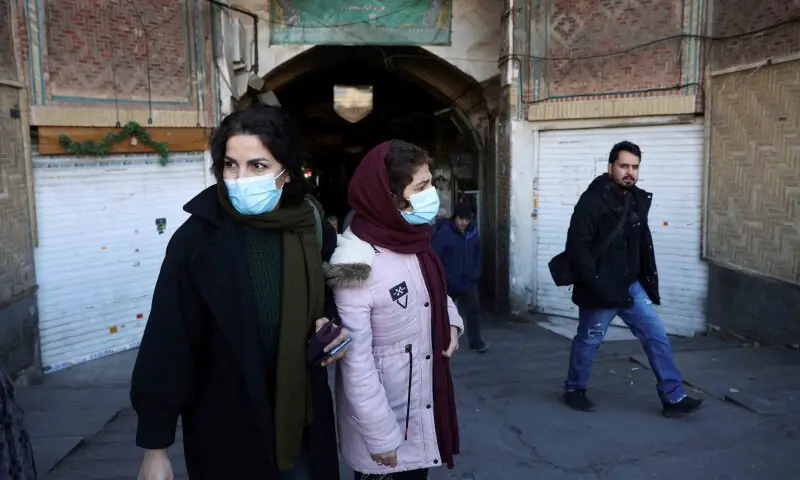
TEHRAN: Women walk past an anti-US mural in Tehran as protests escalate over economic hardship and the collapse of Iran’s currency. — Reuters
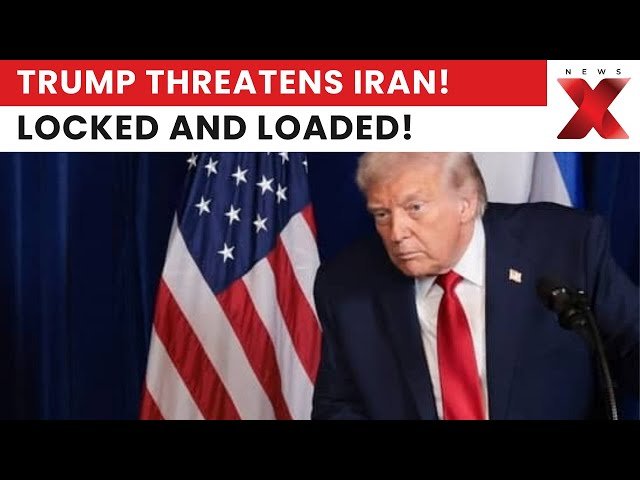
Tensions between the United States and Iran soared on Friday after former US President Donald Trump declared that the American military was “locked and loaded” to respond if Iran’s security forces killed protesters. Tehran swiftly rebuked the remarks, warning that any foreign intervention could destabilize the already fragile region.
The exchange comes amid one of Iran’s most serious internal crises since the 2022 nationwide protests, with unrest fueled by soaring inflation, the falling value of the rial, and widespread dissatisfaction with the clerical establishment.
Protests Spread Across Iran
The unrest began earlier this week when shopkeepers in Tehran went on strike, protesting rising prices and declining living standards. By Thursday, demonstrations had spread to at least 15 cities across the country, including Shiraz, Isfahan, and Tabriz. Clashes between protesters and security forces have resulted in at least six reported fatalities, marking the first deaths since the recent wave of protests began.
Many participants in the demonstrations are ordinary citizens affected by the economic downturn, which has been compounded by international sanctions, mismanagement, and domestic economic policies. The protests, while initially focused on inflation and currency collapse, have increasingly morphed into broader political dissent against the Iranian regime.
Trump’s Ultimatum
On his social media platform Truth Social, Donald Trump issued a blunt warning to Tehran:
“If Iran shoots and violently kills peaceful protesters, which is their custom, the United States of America will come to their rescue. We are locked and loaded and ready to go.”
Trump’s statement marked a sharp escalation in rhetoric, signaling a readiness to use military force in defense of protesters. The comments drew immediate criticism from Iranian authorities, who framed the remarks as interference in Iran’s internal affairs.
Tehran’s Response
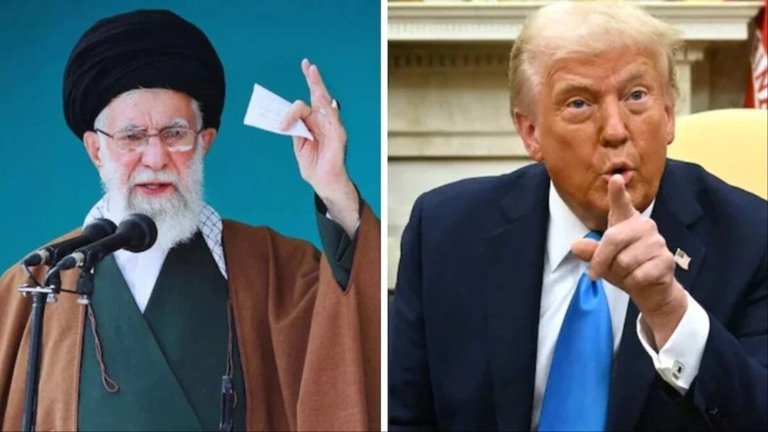
Iran’s leadership responded swiftly and forcefully. Supreme National Security Council head Ali Larijani warned that any American intervention would put US troops at risk and destabilize the entire Middle East region.
“US interference in this internal matter would mean destabilizing the entire region and destroying America’s interest,” Larijani wrote on the social platform X. “The US president should be mindful of their soldiers’ safety.”Other senior officials echoed this warning. Foreign ministry spokesman Esmail Baghaei dismissed Trump’s offer to “rescue” protesters, asserting that Iranians would resolve their challenges through dialogue and internal engagement. Baghaei cited the 1988 US downing of an Iranian passenger plane as historical evidence of American hostility.
Ali Shamkhani, adviser to Supreme Leader Ayatollah Ali Khamenei, described Iran’s security forces as a “red line,” warning that any foreign intervention would face severe consequences. Parliament Speaker Mohammad Bagher Ghalibaf added that “all American bases and forces across the entire region will be legitimate targets” if the US interferes.
Israel’s Involvement
The situation has been further complicated by Israel, which has reportedly launched a social media campaign to support Iranian protesters. Israeli government accounts encouraged demonstrators, framing the unrest as the beginning of the end for the Islamic Republic.
The Mossad’s official Farsi-language account posted:
“Come together to the streets. It’s time. We are with you — not just from afar and in words.”The campaign, which reportedly included AI-generated videos and images, has drawn criticism for attempting to manipulate internal Iranian sentiment and exacerbate tensions.
Economic Context
Iran’s economic woes have played a significant role in fueling protests. The national currency, the rial, has collapsed to historic lows, eroding purchasing power and increasing the cost of basic goods. Inflation has surged, unemployment remains high, and economic sanctions continue to impact trade and foreign investment.
Analysts note that the economic crisis has amplified public discontent, turning localized strikes into a broader political movement. Many Iranians view the government’s policies as ineffective in addressing their economic hardships, fueling calls for reform.
Historical Background
This latest wave of unrest is reminiscent of the 2022 nationwide protests, which erupted over political repression and social restrictions. Iran has a long history of internal dissent, often triggered by economic stress, corruption, and perceived mismanagement.
External actors, particularly the United States and Israel, have historically taken an interest in Iran’s domestic affairs. While Trump’s remarks signal a possible return to confrontational rhetoric, previous interventions and sanctions have shown that direct foreign involvement often escalates tensions without resolving underlying domestic issues.
International Reactions
The international community has expressed concern over the escalating rhetoric and the potential for conflict. Some analysts warn that military threats could worsen instability in an already volatile region.
European countries have called for restraint from all sides, urging dialogue and respect for Iran’s sovereignty. The United Nations has also emphasized the importance of protecting civilians and ensuring that protests are not met with excessive force.
Meanwhile, US officials outside Trump’s orbit have been more cautious, stressing diplomatic channels rather than military intervention.
Potential Consequences of US Intervention
Military intervention in Iran could have severe consequences:
- Regional Destabilization: Any US strike could trigger retaliation from Iran, destabilizing neighboring countries and threatening regional security.
- Civilian Casualties: Military operations risk harming innocent civilians and inflaming anti-American sentiment among the Iranian population.
- Escalation of Proxy Conflicts: Iran has strong ties with armed groups across the Middle East, which could escalate violence in countries like Iraq, Syria, and Lebanon.
- Economic Fallout: Increased instability could affect global oil markets, impacting international trade and energy prices.
Iran’s leadership appears keenly aware of these risks and has vowed strong defensive measures to deter external threats.
Analysis: US-Iran Relations
Trump’s remarks represent a return to the confrontational posture that characterized his previous tenure as US president. While past administrations have relied on a mix of diplomacy, sanctions, and covert operations, Trump’s statement signals a willingness to consider direct military action if American interests or allies are threatened.
Iran, for its part, has consistently framed such rhetoric as external interference designed to provoke instability and justify future sanctions or intervention. Experts note that public threats of intervention often serve domestic political purposes on both sides, reinforcing hardline positions and appealing to nationalist sentim.
Read More:UK honours Pakistan-born surgeon with OBE
FAQs
What triggered the recent protests in Iran?
The protests began over economic hardships, including rising prices, a collapsing currency, and unemployment. They quickly spread to broader political dissent against the clerical establishment.
How did Donald Trump respond to the protests?
A: Trump warned that the US was “locked and loaded” to intervene if Iranian security forces killed protesters, signaling a willingness to use military force.
How has Iran responded?
Iranian officials condemned Trump’s remarks as interference, warning that US involvement would destabilize the region and make American forces legitimate targets.
Q4: What role has Israel played?
A: Israeli government accounts and officials encouraged Iranian protesters through social media campaigns, including AI-generated content.
Why is the Iranian economy in crisis?
Factors include international sanctions, mismanagement, inflation, unemployment, and the devaluation of the rial
Could the US actually intervene militarily?
While the US has significant military capabilities, intervention carries high risks of escalation, civilian casualties, and regional destabilization. Diplomacy remains the preferred approach for most international actors.
What is the historical context of US-Iran tensions?
US-Iran relations have been strained since the 1979 Iranian Revolution, with conflicts including sanctions, proxy wars, and military confrontations. Recent tensions are part of a long history of rivalry and mutual distrust.
Conclusion
The recent flare-up between the United States and Iran underscores the fragile balance in the Middle East. Trump’s “locked and loaded” remarks highlight the enduring tension between American foreign policy ambitions and Iranian sovereignty, while Iran’s forceful responses reflect a determination to resist external interference.
