


Interior Design Rules is more than arranging furniture and choosing colors it is about creating spaces that feel balanced, functional, and expressive. Whether you are decorating a small apartment or a spacious home, following a few foundational rules can transform any room into a cohesive and inviting environment.
Start with Function First
Before selecting paint colors or decorative accents, define how the space will be used. A living room designed for entertaining guests will differ greatly from one intended for quiet family evenings. Function determines layout, furniture size, lighting needs, and storage solutions. Good design always begins with purpose.
Understand Balance and Proportion
Balance ensures that a room feels stable and harmonious. There are three main types:
- Symmetrical balance: Equal visual weight on both sides (common in traditional designs).
- Asymmetrical balance: Different objects with equal visual weight (more modern and dynamic).
- Radial balance: Elements arranged around a central focal point.
Proportion and scale are equally important. Oversized furniture in a small room can feel overwhelming, while small pieces in a large space may look insignificant. Always measure your space before making major purchases.

Follow the 60-30-10 Color Rule
One of the most widely used interior design principles is the 60-30-10 rule:
- 60% – Dominant color (walls, large furniture)
- 30% – Secondary color (upholstery, curtains)
- 10% – Accent color (accessories, artwork, cushions)
This rule creates visual balance and prevents a room from feeling chaotic or monotonous.
Create a Focal Point
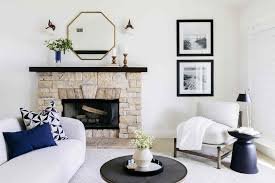
Every well-designed room has a focal point that draws attention. It might be a fireplace, a statement artwork, a large window with a view, or even a bold piece of furniture. Arrange other elements to support and highlight this feature rather than compete with it.
Layer Your Lighting
Lighting dramatically affects mood and functionality. A well-designed room incorporates three types of lighting:
- Ambient lighting: General illumination (ceiling fixtures).
- Task lighting: Focused lighting for specific activities (desk lamps, under-cabinet lights).
- Accent lighting: Decorative lighting that highlights features (wall sconces, spotlights).
Layering light adds depth and flexibility to any space.
Mix Textures and Materials
Even a neutral color scheme can feel rich and interesting when different textures are combined. Pair smooth surfaces with rough ones—such as velvet cushions on a leather sofa or a woven rug beneath a glass table. Mixing materials like wood, metal, fabric, and stone adds dimension and warmth.
Maintain Flow and Cohesion
Each room should feel connected to the rest of the home. While spaces can have individual personalities, repeating colors, materials, or design elements creates continuity. This is especially important in open-plan homes where rooms blend into one another.
Edit and Declutter
One of the most overlooked rules of interior design is knowing when to stop. Too many accessories or furniture pieces can make a space feel cramped. Thoughtful editing enhances elegance and allows key design elements to shine.
Personalize the Space
Trends come and go, but a home should reflect the personality of its occupants. Incorporate meaningful objects, artwork, travel souvenirs, or family heirlooms. Personal touches bring authenticity and warmth to a room.
Break the Rules with Intention
While design principles provide guidance, creativity often comes from bending the rules. Once you understand the fundamentals, you can confidently experiment—whether through bold color choices, unexpected furniture placement, or eclectic decor combinations.
Read More: House of Garden The Art of Living with Nature
Conclusion
Interior design rules are not strict laws but guiding principles that help create spaces that are functional, beautiful, and harmonious. By focusing on balance, proportion, lighting, color, and personalization, anyone can design interiors that feel both stylish and comfortable. The key is to combine structure with creativity, ensuring your home is not only visually appealing but also uniquely yours.
