


In an age defined by rapid urbanization, digital immersion, and architectural ambition, the concept of a House of Garden emerges as both a retreat and a revolution. It is not merely a house accompanied by greenery; it is a living philosophy that redefines how human beings relate to space, environment, and themselves. A House of Garden is where architecture does not conquer nature but collaborates with it where walls support vines, rooftops grow food, and rooms open like petals to the sun.
This idea transcends style, geography, and culture. It speaks to a timeless human longing: the desire to live close to the earth while enjoying the comforts of shelter.
The Philosophy Behind the House Of Garden
At its core, a House of Garden represents harmony. Modern living often isolates people from natural rhythms, sunrise is replaced by alarm clocks, seasons by climate control, and soil by pavement. The House of Garden challenges this separation.
It embraces the principles of biophilic design, a concept popularized by biologist Edward O. Wilson, who suggested that humans possess an innate connection to nature. According to this philosophy, exposure to natural elements enhances creativity, emotional stability, and overall well-being. A House of Garden puts this theory into practice by integrating greenery directly into daily living spaces.
In such a home, plants are not ornamental afterthoughts. They are structural partners. They influence airflow, temperature, and even mood. Nature becomes infrastructure.
Architectural Integration: Where Structure Breathes
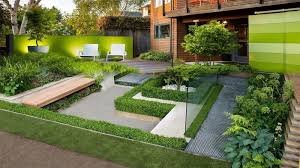
The architectural language of a House of Garden is organic. Instead of rigid boundaries, there are transitions, shaded corridors, open courtyards, and terraces layered with foliage. Glass walls dissolve the separation between interior and exterior. Natural light becomes a design element as crucial as concrete or steel.
Some of the world’s most visionary architects have embraced similar ideas. For example, Frank Lloyd Wright championed “organic architecture,” designing homes that blended seamlessly into their landscapes. His famous work, Fallingwater, stands as a powerful example — a house built over a waterfall, not to dominate it but to coexist with it.
In contemporary times, architects and urban planners continue this tradition with vertical forests, rooftop ecosystems, and eco-housing communities. The House Of Garden can appear as:
- A courtyard-centered home inspired by Mediterranean traditions
- A modern glass residence wrapped in climbing ivy
- A compact urban apartment with an immersive indoor garden
- A rural estate surrounded by orchards and edible landscapes
Each form differs, but the principle remains: architecture should breathe.

Environmental Sustainability
Beyond aesthetics, the House Of Garden carries ecological responsibility. Climate change and resource scarcity demand innovative solutions, and homes can become active contributors to environmental health rather than passive consumers.
Green roofs reduce heat absorption and lower energy costs. Living walls improve insulation. Rainwater harvesting systems support irrigation. Composting transforms waste into nourishment. Solar panels coexist with vegetable beds.
In cities facing pollution and rising temperatures, garden-integrated homes help combat the urban heat island effect. Plants absorb carbon dioxide, release oxygen, and moderate microclimates. Even small-scale balcony gardens contribute to biodiversity by supporting insects and birds.
Thus, the House Of Garden becomes an environmental ally — a micro-ecosystem within the urban fabric.

Psychological and Emotional Benefits
Scientific research consistently shows that exposure to greenery reduces stress hormones, lowers blood pressure, and enhances cognitive function. A House Of Garden turns these benefits into everyday experiences.
Imagine beginning the morning with sunlight filtering through leaves instead of blinds. Imagine hearing birds instead of traffic as you drink your coffee. The presence of plants softens acoustics, diffuses light, and introduces gentle movement through rustling foliage.
Gardens also foster mindfulness. Tending to soil, watering plants, pruning branches — these small rituals ground individuals in the present moment. In a world dominated by speed and distraction, the House Of Garden invites slowness and awareness.
Children raised in such environments often develop stronger environmental values and sensory awareness. Elders find comfort in nurturing growth. Families gather in shared outdoor spaces that encourage conversation and connection.

Cultural and Historical Roots
The idea of merging home and garden is not new. Ancient civilizations understood its value.
In ancient Rome, courtyard gardens formed the heart of domestic life. Traditional Japanese houses integrated zen gardens for contemplation. Islamic architecture celebrated enclosed gardens symbolizing paradise. Monastic cloisters across Europe cultivated herbs and medicinal plants within enclosed courtyards.
Even literary works have romanticized garden-homes. In The Secret Garden, the rediscovery of a hidden garden transforms not only the land but also the human spirit. The narrative suggests that nurturing nature can restore emotional health.
Throughout history, gardens have symbolized renewal, fertility, and hope. The House Of Garden carries forward this symbolism into contemporary living.

Urban Adaptations
One might assume that a House Of Garden requires vast land, but this is not necessarily true. In dense cities, creativity makes integration possible.
Vertical gardens transform apartment balconies into green sanctuaries. Rooftop farming initiatives convert concrete into cultivation zones. Community garden housing complexes foster shared responsibility and social bonds.
Smart irrigation systems, hydroponics, and compact greenhouse designs allow even small dwellings to participate in green living. Technology, often seen as separate from nature, can actually enhance its integration when applied thoughtfully.

Social and Community Impact
A House Of Garden influences more than its residents. It reshapes neighborhoods. Streets lined with garden-integrated homes appear more welcoming and human-centered. Green corridors connect houses, encouraging walking and outdoor interaction.
Community gardening initiatives often begin with individual homes that inspire collective action. Shared produce exchanges, seed swaps, and educational workshops strengthen social ties.
In this sense, the House Of Garden becomes a catalyst for community resilience. It fosters cooperation, sustainability, and shared pride.
Economic Value
From a financial perspective, properties with well-designed gardens often increase in value. Energy savings from natural cooling and insulation reduce long-term costs. Homegrown produce decreases grocery expenses.
Moreover, the emotional return on investment — improved mental health, family cohesion, and life satisfaction — cannot be measured purely in monetary terms. A House Of Garden offers both tangible and intangible wealth.
Challenges and Considerations
Despite its many benefits, creating a House Of Garden requires thoughtful planning. Climate conditions determine plant selection. Maintenance demands time and care. Poorly designed irrigation can cause structural damage.
Sustainability must be genuine rather than aesthetic. A decorative plant wall without ecological function does not fulfill the philosophy. True integration means designing systems that support both human comfort and environmental balance.
Education plays a key role. Residents must understand seasonal cycles, soil health, and responsible water use. The House Of Garden is not passive; it is interactive.
Read More: Bedroom Decor Where Comfort Meets Conscious Living
The Future Vision
As global populations grow and environmental awareness deepens, the House Of Garden may evolve from an aspirational idea into a practical necessity. Governments and architects are increasingly promoting green building standards. Urban farming is gaining momentum. Schools teach environmental stewardship from an early age.
The homes of the future may resemble living organisms — self-sustaining, energy-efficient, and intertwined with their ecosystems. Concrete jungles could gradually transform into garden cities.
In this vision, every balcony hosts herbs. Every rooftop grows vegetables. Every courtyard shelters trees. Architecture becomes a continuation of the landscape rather than an interruption.
Conclusion
A House of Garden is more than a building surrounded by plants. It is a declaration that human progress and natural harmony are not opposing forces. It invites a return to balance — where homes nurture life in all its forms. It reminds us that shelter does not have to separate us from the earth. Instead, it can deepen our connection to it.
