


As we move deeper into a world shaped by technology, sustainability, and a renewed focus on wellbeing, bedroom decor in 2026 is all about creating a deeply personal sanctuary. The bedroom is no longer just a place to sleep. It’s a retreat for relaxation, mindfulness, and self-expression. This year’s trends reflect a desire for calm spaces that balance innovation with warmth and individuality.
Earthy Minimalism with Warm Layers
Minimalism remains influential in 2026, but it has evolved. The stark whites and cold grays of the past have softened into warm neutrals such as clay, sand, mushroom, terracotta, and muted olive. These tones create a grounded atmosphere that feels both modern and comforting.
Layering is key. Think textured throws, linen bedding, boucle accent chairs, woven rugs, and natural wood finishes. Instead of empty spaces, the focus is on intentional simplicity — fewer items, but each one meaningful and rich in texture.
Sustainable and Eco-Conscious Design
Sustainability is no longer a trend; it’s an expectation. Bedroom decor in 2026 emphasizes:
- Reclaimed wood furniture
- Organic cotton and linen bedding
- Non-toxic paints
- Handmade and locally sourced decor
Consumers are choosing quality over quantity, investing in timeless pieces designed to last. Vintage and second-hand finds are especially popular, adding character while reducing environmental impact.
Smart Bedrooms, Seamlessly Integrated
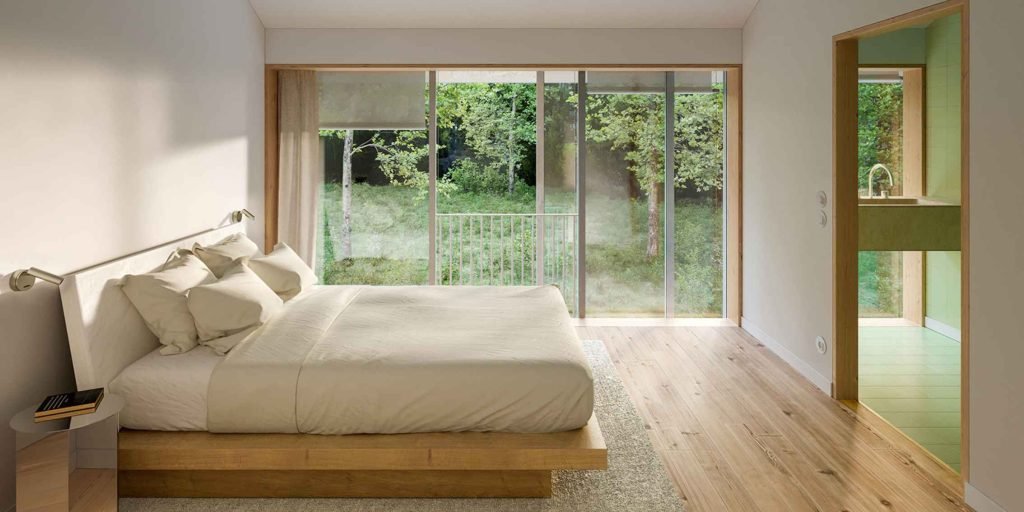
Technology continues to shape bedroom design, but in 2026, it’s subtle and integrated. Smart lighting systems adjust to circadian rhythms, gradually dimming at night and brightening in the morning. Voice-controlled curtains, temperature-regulating mattresses, and wireless charging surfaces are built into furniture.
The key difference? Tech is hidden. Devices blend into decor instead of dominating it, maintaining a peaceful aesthetic.
Biophilic Design and Indoor Nature
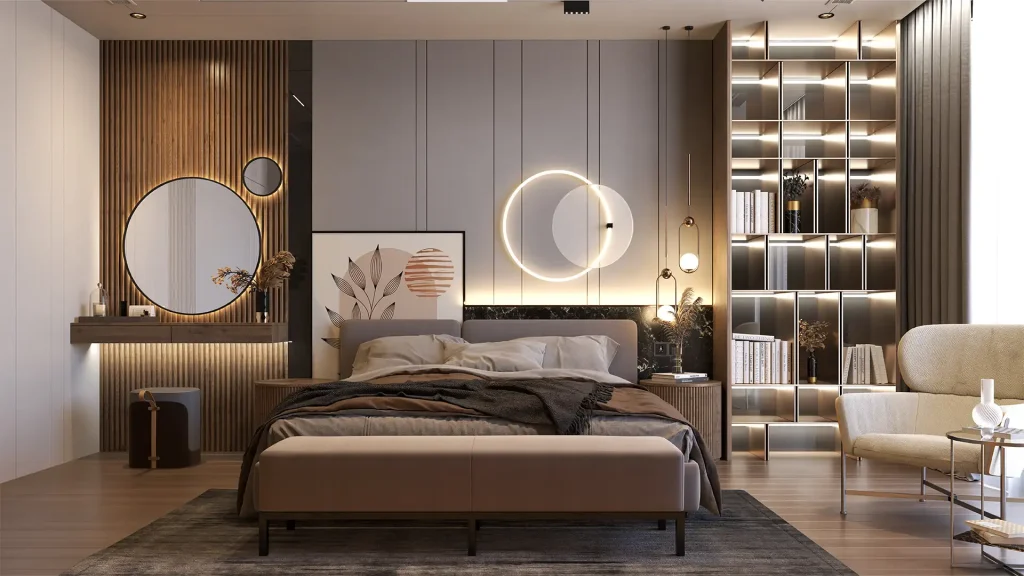
Bringing the outdoors inside remains a strong influence. Bedrooms now feature:
- Indoor plants such as snake plants, peace lilies, and ferns
- Natural stone accents
- Wooden paneling or slatted feature walls
- Large windows with sheer curtains for natural light
Biophilic design promotes calmness and better sleep, connecting residents with nature even in urban environments.
Personalized Statement Walls
Accent walls are making a comeback, but in more artistic forms. Instead of bold paint blocks, 2026 favors:
- Textured plaster finishes
- Subtle murals
- Fabric wall panels
- Geometric wood designs
These elements add depth without overwhelming the room, allowing the bedroom to feel curated and expressive.
Multifunctional Spaces
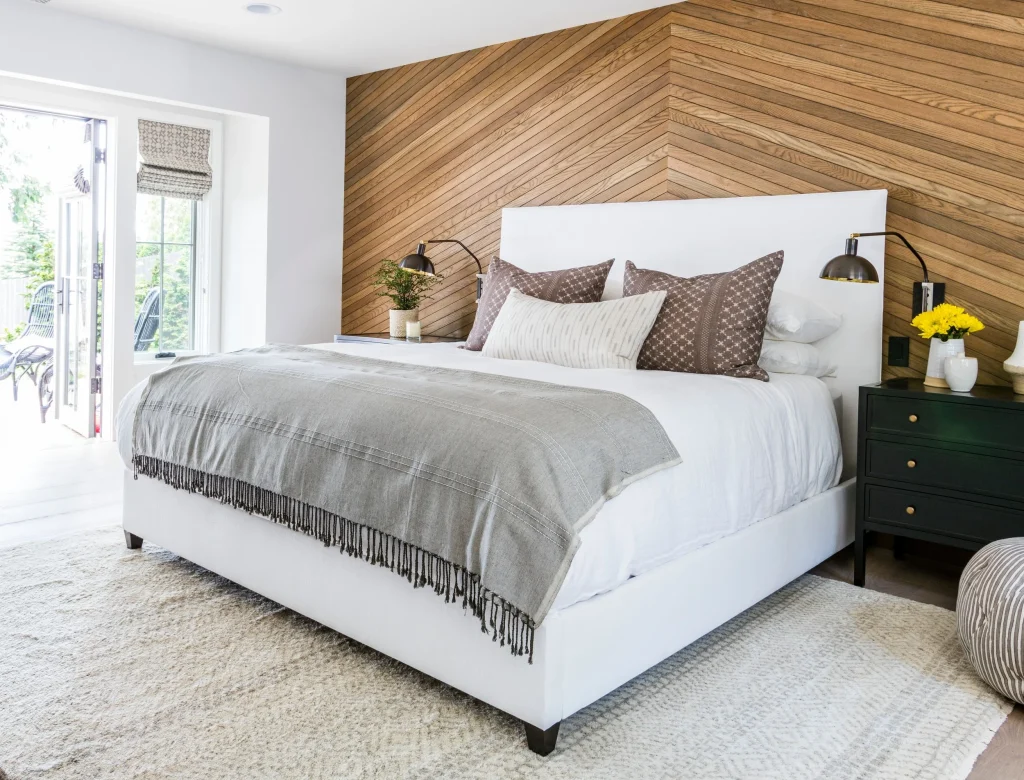
With remote work still influencing home layouts, bedrooms often serve multiple purposes. Compact desks, foldable vanities, and built-in storage maximize functionality while maintaining a clean look.
Furniture is modular and adaptable. Storage beds, floating shelves, and hidden compartments help reduce clutter and maintain tranquility.
Soft Lighting and Ambient Glow
Lighting defines the mood of the modern bedroom. Harsh overhead lights are replaced with layered lighting:
- Warm LED strips behind headboards
- Dimmable bedside lamps
- Pendant lights with fabric shades
- Soft wall sconces
The goal is a cozy glow that promotes rest and relaxation.
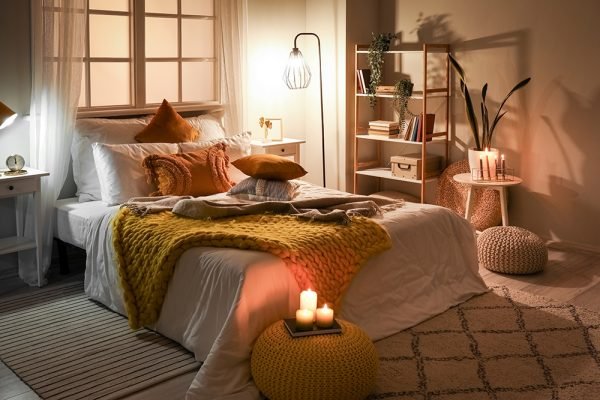
Rich Textures and Tactile Comfort
In 2026, comfort is experienced not just visually but physically. Velvet cushions, chunky knit blankets, padded headboards, and high-thread-count sheets create a sensory-rich environment.
Texture contrasts smooth wood against soft fabric, matte finishes beside subtle metallic accents — add sophistication without clutter.
Read More: Living Room Décor Ideas Designing a Space That Reflects Comfort and Modern Living
Conclusion
Bedroom decor in 2026 is defined by balance: technology with tranquility, minimalism with warmth, and style with sustainability. The modern bedroom is more than a design statement. It is a reflection of personal values and lifestyle. By focusing on comfort, eco-conscious choices, and thoughtful details, homeowners are transforming their bedrooms into restorative spaces that nurture both body and mind.
