


The dining table has long been more than a functional piece of furniture. It is a symbol of gathering, conversation, tradition, and hospitality. Across cultures and generations, it has served as the setting for celebrations, negotiations, daily meals, and meaningful connections. As lifestyles evolve, so too does the design and role of the dining table. In recent years, dining table trends have reflected broader shifts in how people live, work, entertain, and express personal style within their homes.
Today’s dining tables are no longer confined to formal dining rooms used only on special occasions. They are multifunctional hubs—used for working from home, children’s homework, creative projects, casual coffee chats, and elaborate dinner parties. From minimalist Scandinavian aesthetics to bold sculptural centerpieces, the modern dining table combines practicality with artistic expression. Sustainability, customization, craftsmanship, and technological integration are also influencing current designs.
This article explores the latest dining table trends in depth, examining materials, shapes, finishes, functionality, sustainability, cultural influences, and the growing importance of personalization. Whether you are redesigning your dining area or simply interested in contemporary interior design, understanding these trends offers insight into how the dining table continues to adapt to modern life.
The Shift from Formal to Flexible Dining
One of the most significant trends shaping dining table design is the move away from strictly formal dining spaces. In many homes, especially urban apartments and open-concept layouts, the dining area blends seamlessly with kitchens and living rooms. This integration has transformed the dining table into a more casual, versatile, and frequently used piece.
Modern households often prefer comfortable, approachable designs over ornate, traditional dining sets. Instead of heavy carved wood tables reserved for holiday meals, people are choosing pieces that feel inviting and adaptable. Tables are expected to transition easily from weekday breakfasts to remote workstations and weekend gatherings.
This shift has also influenced size and proportion. Compact homes demand tables that maximize space without overwhelming the room. At the same time, homeowners still want seating capacity for guests. As a result, extendable and modular dining tables have surged in popularity, allowing flexibility without sacrificing style.
Natural Materials and Organic Aesthetics
Nature-inspired design remains a dominant trend in dining table aesthetics. As people seek comfort and tranquility in their homes, materials that evoke warmth and authenticity are increasingly favored.
Solid Wood Revival
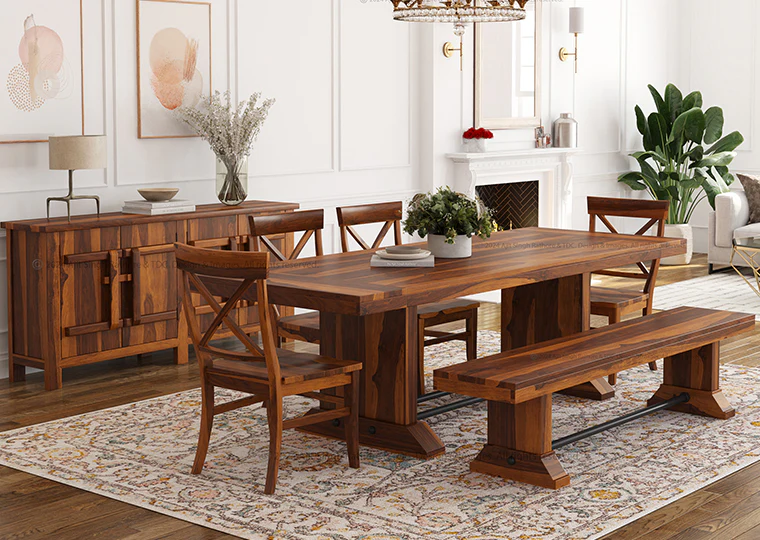
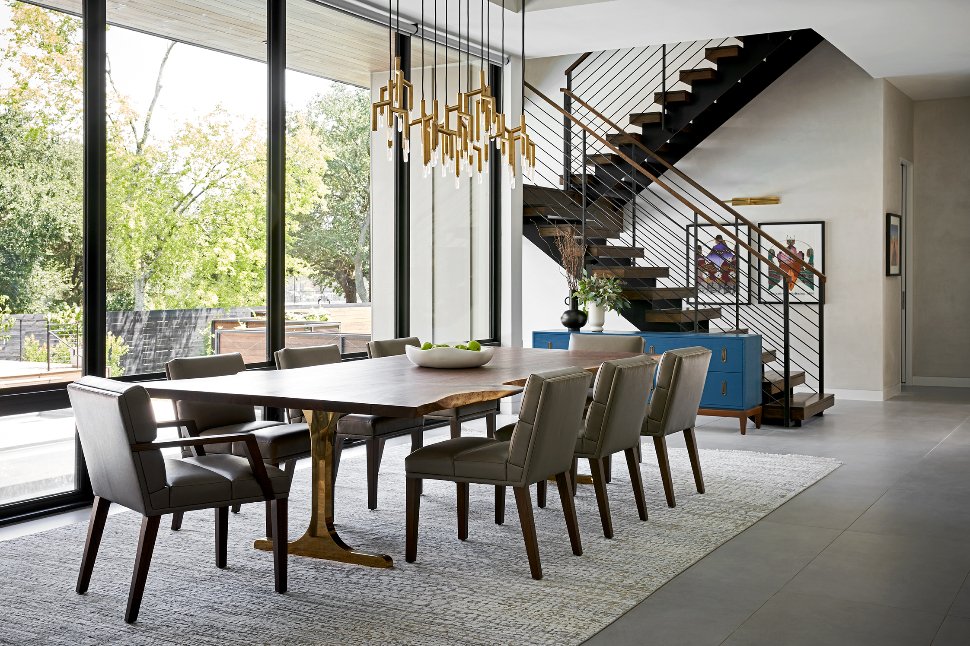
Solid wood dining tables—particularly those made from oak, walnut, maple, and acacia—are experiencing renewed popularity. Unlike mass-produced veneer pieces, solid wood tables emphasize craftsmanship, durability, and natural grain patterns. Live-edge tables, which retain the natural contours of the tree, have become especially sought after for their organic and sculptural appeal.
Each piece of wood tells a story through knots, textures, and color variations. These imperfections are no longer seen as flaws but as desirable features that add character and individuality.
Stone and Marble Surfaces
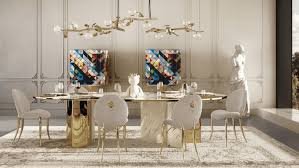
Marble, travertine, and other stone surfaces have made a strong comeback in contemporary dining table design. These materials offer elegance and durability while introducing natural veining patterns that serve as artistic focal points.
Travertine tables, in particular, are trending for their soft, earthy tones and textured finish. Paired with minimalist bases, stone tops create a balanced look that feels luxurious yet grounded.
Mixed Material Combinations
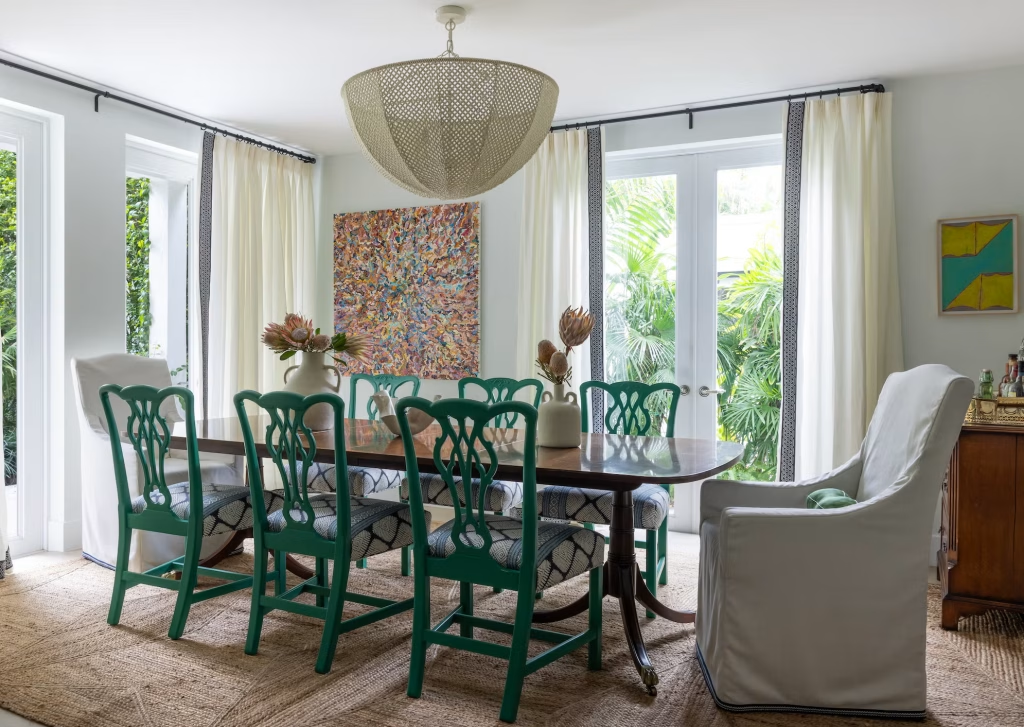
Designers are increasingly blending materials to create visual interest. A wooden tabletop might sit on a metal base, or a marble surface may be supported by sculptural timber legs. This combination approach balances warmth with modernity, resulting in pieces that suit a variety of interior styles.
Sculptural and Statement Bases
In recent years, the base of the dining table has become as important as the tabletop itself. Rather than simple four-legged structures, many contemporary designs feature bold, architectural bases that transform the table into a statement piece.
Pedestal Bases
Pedestal tables—especially round ones—are trending for their elegant silhouette and space-saving benefits. A single central base provides more legroom and creates a cleaner visual line. Sculptural pedestals in curved wood, fluted stone, or powder-coated metal add artistic flair.
Geometric and Asymmetrical Designs
Tables with geometric bases such as intersecting metal frames, X-shaped supports, or angular wooden structures offer a dramatic, modern aesthetic. Asymmetry is also gaining popularity, with off-center or abstract forms that challenge traditional design conventions.
These statement bases reflect a broader movement in interior design toward expressive, art-inspired furniture that doubles as décor.
Round and Oval Tables for Connection
While rectangular dining tables remain classic, round and oval shapes are experiencing a notable resurgence. These shapes encourage intimacy and conversation by eliminating sharp corners and placing everyone at an equal distance.
Round Tables
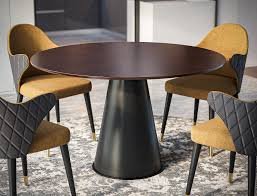
Round tables are especially popular in smaller dining areas and apartments. Their compact footprint allows better flow in tight spaces, and the absence of corners makes them safer for homes with children. They also foster a sense of inclusivity, making gatherings feel more connected.
Oval Tables
Oval tables combine the softness of round designs with the extended seating capacity of rectangular ones. They work well in open-plan homes and provide a gentle, flowing aesthetic that complements modern interiors.
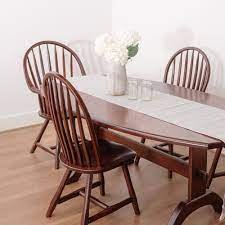
The growing preference for curved furniture as seen in sofas, chairs, and décor has reinforced the appeal of rounded dining tables.
Extendable and Multifunctional Designs
As homes become more adaptable, furniture must follow suit. Extendable dining tables are among the most practical trends, offering flexibility without requiring permanent space for a large table.
Hidden Leaf Extensions
Modern extension mechanisms are far more seamless than older designs. Hidden leaves that slide out smoothly or butterfly extensions that fold neatly inside the table maintain visual cohesion while expanding seating capacity.
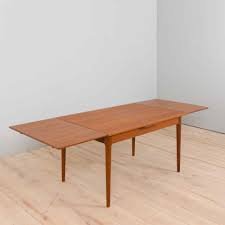
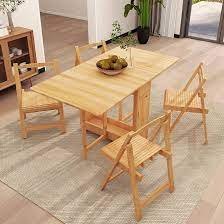
Drop-Leaf and Foldable Tables
For small apartments, drop-leaf tables provide an efficient solution. They can be compact when not in use and expanded only when needed. This flexibility supports urban living and minimalist lifestyles.
Convertible Tables
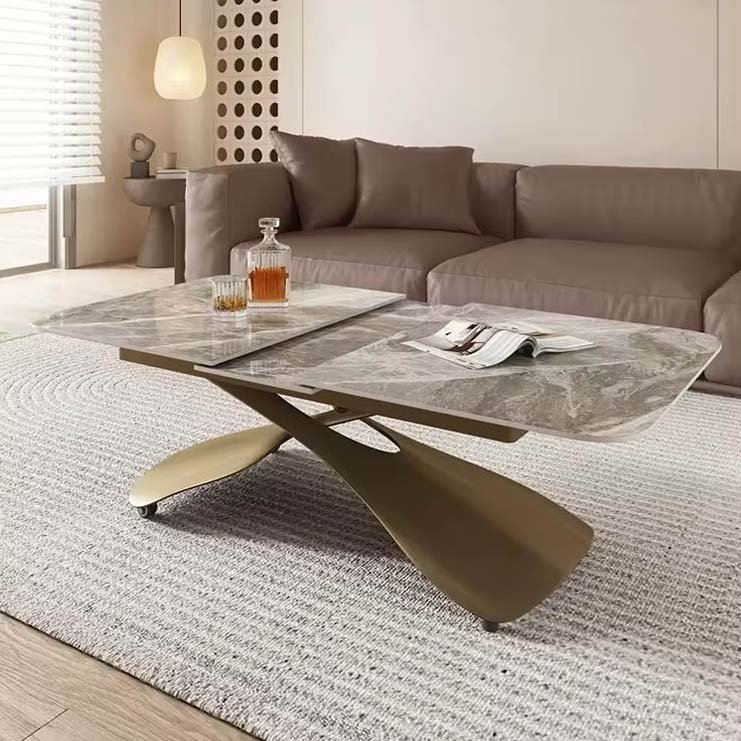
Some innovative designs convert from dining tables into desks or conference tables. With the rise of remote work, homeowners are seeking furniture that accommodates professional and personal needs without overcrowding their space.
Sustainability and Ethical Craftsmanship
Sustainability is no longer a niche concern but a central factor in furniture purchasing decisions. Consumers are increasingly aware of environmental impact and are seeking responsibly sourced materials.
Reclaimed Wood
Dining tables made from reclaimed wood are highly desirable for their environmental benefits and rustic charm. Salvaged from old barns, factories, or ships, reclaimed wood carries history and reduces the need for new logging.
Certified Sustainable Timber
Many manufacturers now use FSC-certified wood to ensure responsible forestry practices. This certification gives buyers confidence that their furniture supports sustainable resource management.
Eco-Friendly Finishes
Low-VOC finishes and water-based sealants are becoming standard in environmentally conscious designs. These finishes reduce harmful emissions and contribute to healthier indoor air quality.
Sustainability also extends to longevity. Rather than disposable, trend-driven pieces, consumers are investing in timeless designs that can last decades.
Minimalism and Clean Lines
Minimalist dining tables continue to dominate modern interiors. Inspired by Scandinavian and Japanese design principles, these tables emphasize simplicity, functionality, and understated elegance.
Neutral Color Palettes
Soft neutrals such as beige, taupe, gray, and warm white remain popular. These tones create a calming backdrop and allow other elements—such as lighting or artwork—to stand out.
Slim Profiles
Thin tabletops and streamlined legs give tables a lightweight appearance, even when made from solid materials. This approach suits smaller spaces and open-concept layouts.
Minimalism does not mean blandness; rather, it highlights craftsmanship and proportion. The beauty lies in refined details and balanced design.
Bold Colors and Artistic Expression
While minimalism remains strong, there is also a growing appetite for bold and expressive dining tables.
Painted Finishes
Deep greens, navy blues, terracotta, and even black dining tables are making a statement. Painted finishes add personality and contrast to neutral interiors.
High-Gloss and Lacquer
Glossy lacquered tables evoke a modern, glamorous aesthetic. Often seen in contemporary urban homes, these finishes reflect light and create a striking focal point.
Artistic Tabletops
Some designers are incorporating inlaid patterns, mosaic details, or resin art into tabletops. These creative approaches blur the line between furniture and fine art.
Texture as a Design Element
Texture is becoming just as important as color and shape in dining table trends.
Fluted and Ribbed Details
Fluted pedestal bases and ribbed wooden edges add depth and visual rhythm. These details provide subtle sophistication without overwhelming the space.
Matte vs. Gloss Contrast
Matte finishes are widely preferred for their modern appeal and ability to conceal fingerprints. Pairing matte surfaces with metallic accents introduces contrast and refinement.
Texture enhances tactile experience, making the dining table more engaging both visually and physically.
Technology Integration
As smart homes become more prevalent, technology is influencing dining table design.
Built-In Charging Ports
Some contemporary tables include discreet USB ports or wireless charging pads, allowing users to power devices conveniently.
Integrated Lighting
LED strips or under-table lighting can create ambient effects for evening dining. Adjustable brightness enhances atmosphere and functionality.
While not universally adopted, technology integration reflects the evolving role of the dining table in daily life.
Cultural Influences and Global Inspiration
Globalization and digital connectivity have expanded exposure to diverse design traditions. Dining table trends now draw inspiration from various cultures.
Japanese-Inspired Low Tables
Low-profile dining tables inspired by Japanese interiors are gaining attention in minimalist homes. These tables promote grounded, relaxed dining experiences.
Mediterranean Warmth
Warm woods, stone tops, and earthy tones evoke Mediterranean charm. Paired with natural textiles, these tables create inviting spaces.
Industrial Urban Style
Metal bases, reclaimed wood tops, and raw finishes define industrial-inspired dining tables. This style remains popular in loft apartments and modern city homes.
Cultural blending allows homeowners to create spaces that feel personal and globally inspired.
Customization and Personalization
Today’s consumers increasingly seek furniture that reflects their identity. Custom-made dining tables allow buyers to choose dimensions, materials, finishes, and base designs tailored to their space.
Bespoke craftsmanship ensures that the table fits both physically and aesthetically within the home. From engraved details to unique wood slabs, personalization adds sentimental value.
The Role of Lighting and Styling
Dining table trends extend beyond the table itself. Styling elements such as lighting, chairs, and centerpieces influence the overall aesthetic.
Statement Lighting
Oversized pendant lights and sculptural chandeliers enhance the dining table’s presence. Lighting defines mood and emphasizes shape.
Mixed Seating
Mixing chair styles—such as pairing upholstered chairs with wooden benches—adds character and casual elegance.
Minimal Centerpieces
Simple vases, sculptural bowls, or greenery align with modern trends that favor uncluttered surfaces.
Small-Space Solutions
Urban living has inspired innovative dining table solutions for compact homes.
Wall-Mounted Fold-Down Tables
These tables fold flat against the wall when not in use, maximizing floor space.
Narrow Console-to-Table Designs
Some slim console tables can expand into full dining tables, offering dual functionality.
These space-saving innovations demonstrate how design adapts to modern housing realities.
Future Outlook: What’s Next?
Looking ahead, dining table trends are likely to continue balancing aesthetics with adaptability. Sustainability will remain central, with greater emphasis on circular design and recyclable materials. Technology may become more seamlessly integrated, while craftsmanship and authenticity will maintain strong appeal.
Hybrid lifestyles—where homes serve as workplaces, social venues, and relaxation spaces—will further influence dining table innovation. Ultimately, the table’s enduring role as a place of connection ensures its continued evolution.
Read More: Rug Trends Shaping Modern Interiors with Style, Comfort, and Character
Conclusion
The dining table is no longer just a functional surface for meals; it is a reflection of contemporary living. Today’s trends emphasize flexibility, sustainability, artistry, and personalization. From solid wood craftsmanship and sculptural bases to round shapes and integrated technology, dining tables are adapting to changing lifestyles and design preferences.
