


Santiago, Chile
On a crowded bench in central Santiago, 62 year old supermarket worker Fernando Carrasco clutches his cellphone nervously. He watches a man with a duffel bag settle nearby before lowering his voice. “You can’t walk around after nine at night in the city centre. It’s dangerous everywhere on the bus, on the subway. It wasn’t like this before,” he says.
Carrasco’s anxiety is not isolated. Across Chile, public fear of crime has surged, becoming a central issue in the 2025 presidential election. Voters are choosing between far right lawmaker José Antonio Kast and Jeannette Jara, a former labour minister from the Communist Party leading the centre left coalition. Public perceptions of safety are influencing voter behaviour, campaign strategies, and policy priorities.
Recent surveys reveal that crime dominates Chileans’ concerns. Ipsos reported that 63 percent of the population fears crime more than double the global average. Daniel Johnson, executive director of Fundación Paz Ciudadana, describes Chile as “one of the most fearful countries in the world.” Kast’s campaign has leveraged this fear, promoting a hardline platform to “combat organised crime, restore order, and give Chileans their right to live without fear.”
Despite the rising fear, Chile remains statistically one of Latin America’s safest countries. The disconnect between perception and reality is shaping political debates, media coverage, and public sentiment, making security a defining issue in the election.
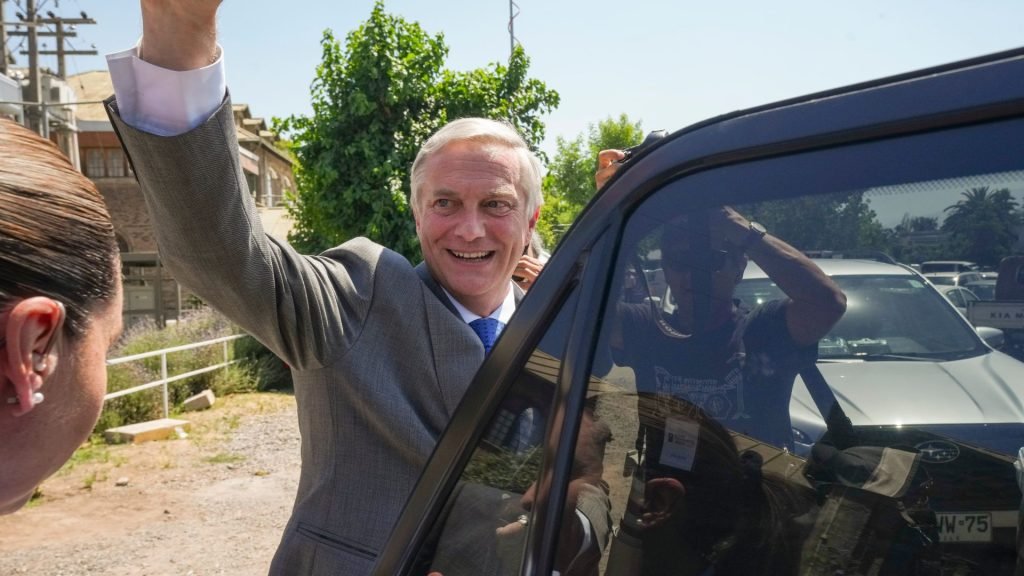
Rising Fear Despite Low Crime Rates
Gap Between Perception and Reality
The fear of crime among Chileans has grown sharply in recent years. Government data from July 2025 indicates that nearly 88 percent of residents believe crime has worsened over the past year. Yet official statistics show Chile maintains relatively low crime rates compared to its neighbours. The homicide rate in 2024 was approximately 6 per 100,000 people, far below Ecuador’s 46 per 100,000 in 2023.
Daniel Johnson notes a common local saying: “They used to rob me. Now they kill me.” While it captures the intensity of public concern, the statistics do not support widespread lethal crime. The gap between perception and reality has significant implications, shaping how voters view candidates and their proposed security measures.
Post-Pandemic Spike in Violence
The COVID-19 pandemic coincided with a temporary increase in violent crime. Homicides rose from 4.5 per 100,000 in 2018 to 6.7 per 100,000 in 2022. Kidnappings and other violent incidents also saw a spike. Prosecutors have attributed this rise to the growth of “complex criminal networks” operating across Latin America.
Although the overall levels remain low compared to other countries, the increase has fueled public perception of insecurity. Citizens perceive the streets as more dangerous, even in areas traditionally considered safe.
The Role of Media Coverage
Media coverage has amplified fears further. Constant reporting of violent incidents, particularly high-profile crimes, can exaggerate the sense of danger. Repeated broadcasts create a feedback loop, influencing how residents interact with public spaces. People are less likely to attend cultural events, dine out, or participate in nightlife, affecting both social life and local economies.
Gang Activity in the Spotlight
Tren de Aragua in Chile
The Venezuelan gang Tren de Aragua has emerged as a major source of public concern. Analysts at Insight Crime suggest that Chile’s historically low crime rates may have made the country an attractive target for criminal networks. The gang has established a foothold in northern border cities, such as Arica, targeting Venezuelan migrants and asylum seekers.
High-Profile Cases
One of the most infamous incidents involved the 2024 kidnapping and murder of Ronald Ojeda Moreno, a former Venezuelan military officer seeking asylum in Chile. Authorities later arrested Alfredo “Gordo Alex” Henríquez Pineda, a Tren de Aragua leader, on murder charges. Cases like these heighten public fear, reinforcing the perception that violent crime is spreading rapidly.
Rapid Change in the Criminal Landscape
Daniel Johnson emphasizes that the surge in gang-related violence has occurred over a very short period. Even though Chile remains relatively safe overall, the sudden emergence of organized criminal networks has left the public feeling vulnerable and anxious.
Crime as a Central Campaign Issue
Kast’s Hardline Platform
José Antonio Kast has made public safety the cornerstone of his campaign. His proposals include:
- Increasing police and military presence in high-crime areas
- Implementing mandatory minimum sentences for organized crime offenders
- Incarcerating cartel leaders in maximum-security facilities
- Expanding the legal definition of self-defence to protect citizens
Kast portrays Chile as “working backwards,” suggesting that criminals roam freely while law-abiding citizens live “as if in a prison.” His platform appeals to voters seeking immediate and visible action to restore public safety.
Jara’s Preventative Approach
Jeannette Jara also prioritizes public safety but emphasizes long-term, preventative measures. Her proposals include:
- Addressing the high cost of living and social welfare reforms
- Targeting financial networks that sustain organized crime
- Strengthening financial transparency to cut illicit funding
Jara argues that simply building more jails or increasing police presence is insufficient. She emphasizes that criminals are motivated by money, not ideology, and policies must address the economic incentives behind crime.
Divergent Strategies and Public Debate
The contrast between Kast’s punitive approach and Jara’s structural reforms has become a defining feature of the election. Voters are weighing immediate security concerns against long-term strategies for crime prevention, shaping campaign narratives and public discourse.

Public Perception and Voter Behaviour
Mandatory Voting and Election Dynamics
Chile has approximately 15.8 million registered voters, all required to vote in 2025. Kast is widely seen as the front-runner in the run-off, expected to consolidate support from right-leaning candidates eliminated in the first round. Public concern over crime is a significant factor influencing voter intentions.
Skepticism Among Voters
Some voters remain skeptical of the heightened focus on crime. Daniela Ocaranza, a Santiago resident and housing advocate, sees the narrative as politically motivated. “Crime has increased,” she says, “but this happens in all countries.” She criticizes the media for amplifying fear and emphasizes education, healthcare, and pensions as higher priorities, aligning her vote with Jara.
Consequences of Fear
Daniel Johnson warns that excessive fear can have tangible consequences. Citizens are less likely to attend restaurants, theatres, or cultural events, reducing social participation and impacting economic development. He notes, “Fear might even cause more damage than the actual crime,” underlining the social and economic cost of perceived insecurity.
Read More: What’s going on with the assisted dying bill right now?
Economic and Social Implications of Crime Anxiety
Impact on Daily Life
Fear changes daily routines. People avoid nightlife, entertainment, and public spaces, which reduces economic activity. Small businesses, restaurants, and theatres face lower patronage, affecting revenue and employment.
Urban Planning and Public Policy
Local governments must balance security measures with urban accessibility and community engagement. Increased policing, surveillance, and restricted areas can inadvertently heighten perceptions of danger, even when overall crime remains low.
Investment and Tourism
Public anxiety affects tourism and investment. International visitors may perceive Chile as unsafe, reducing revenue from tourism. Domestic businesses face uncertainty, which can limit long-term economic growth. Policymakers need to address fear alongside actual security improvements.
Future of Public Safety and Policy
Short-Term Measures
Immediate interventions focus on visible actions, including increased policing, stricter sentencing, and targeted operations against gangs. Kast’s platform emphasizes rapid-impact solutions to reassure the public.
Long-Term Strategies
Jara promotes structural reforms:
- Financial transparency to curb criminal funding
- Social and economic development to reduce crime incentives
- Strengthening community programs and social support
These strategies aim to address root causes and ensure sustainable safety improvements.
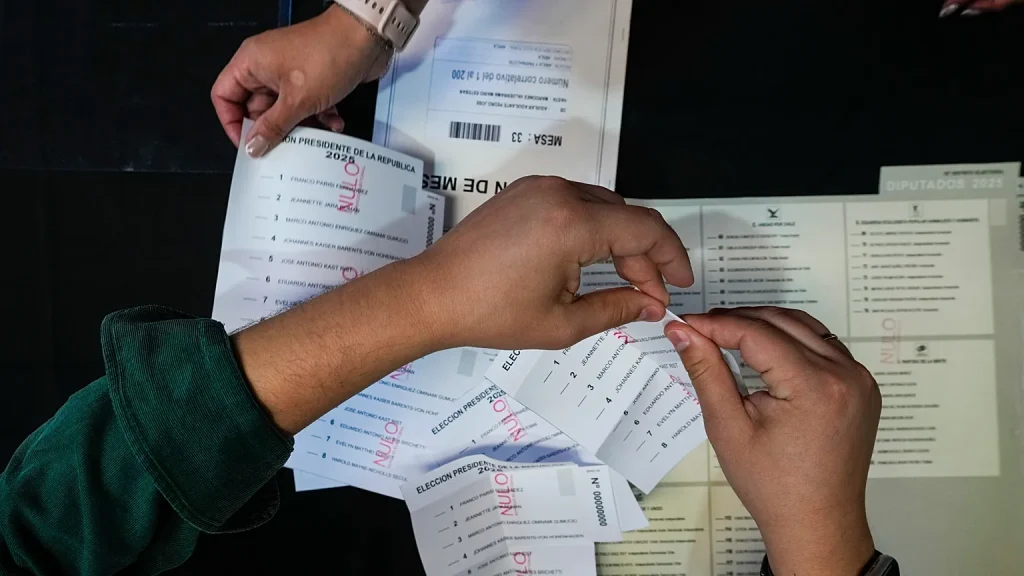
Balancing Perception and Reality
Policymakers face the challenge of addressing public fear while relying on factual data. Effective communication, transparent reporting, and community engagement are crucial to bridging the perception gap and ensuring citizens feel secure without overstating risks.
FAQs
Why is crime a major issue in Chile’s election?
Crime influences voter behaviour despite relatively low overall crime rates.
Who are the main presidential candidates?
José Antonio Kast represents the far-right, while Jeannette Jara leads the centre-left coalition.
How does public fear compare to actual crime rates?
Fear is significantly higher than reality, with Chile remaining one of Latin America’s safest countries.
Which gang is causing concern in Chile?
Tren de Aragua, a Venezuelan criminal gang, has been linked to high-profile violent incidents.
How are candidates addressing crime differently?
Kast favors stricter enforcement; Jara emphasizes prevention and economic reforms.
Does media coverage affect fear levels?
Yes, repeated reporting amplifies anxiety beyond actual risk levels.
What are the economic impacts of fear?
Reduced participation in entertainment, tourism, and business activity affects growth.
What long-term strategies exist to improve safety?
Financial transparency, social support, and community programs help prevent crime.
Has crime actually increased in Chile recently?
Violent crime spiked after COVID-19 but overall rates remain low.
How does public fear affect daily life in Chile?
Fear limits social activities, reduces outings, and impacts quality of life and economic development.
Conclusion
Chile’s presidential election reveals more than a political contest; it highlights deep societal anxieties about crime, security, and public safety. While statistics show Chile is among the safest nations in Latin America, public perception dominates discourse, shaping voter priorities, policy proposals, and media narratives. Balancing immediate security measures with preventative strategies will define Chile’s approach to public safety, influencing its social, economic, and political landscape for years.
