


Furniture is no longer just about function it has become a reflection of lifestyle, identity, and values. As homes evolve into hybrid spaces for work, relaxation, and socializing, furniture trends are adapting to meet new demands. From sustainable materials and modular designs to bold statement pieces and smart technology integration, today’s furniture trends combine practicality with personality.
In 2026, the focus is clear: comfort, flexibility, and conscious consumption are shaping the way we design and furnish our spaces.
Sustainable and Eco-Friendly Materials
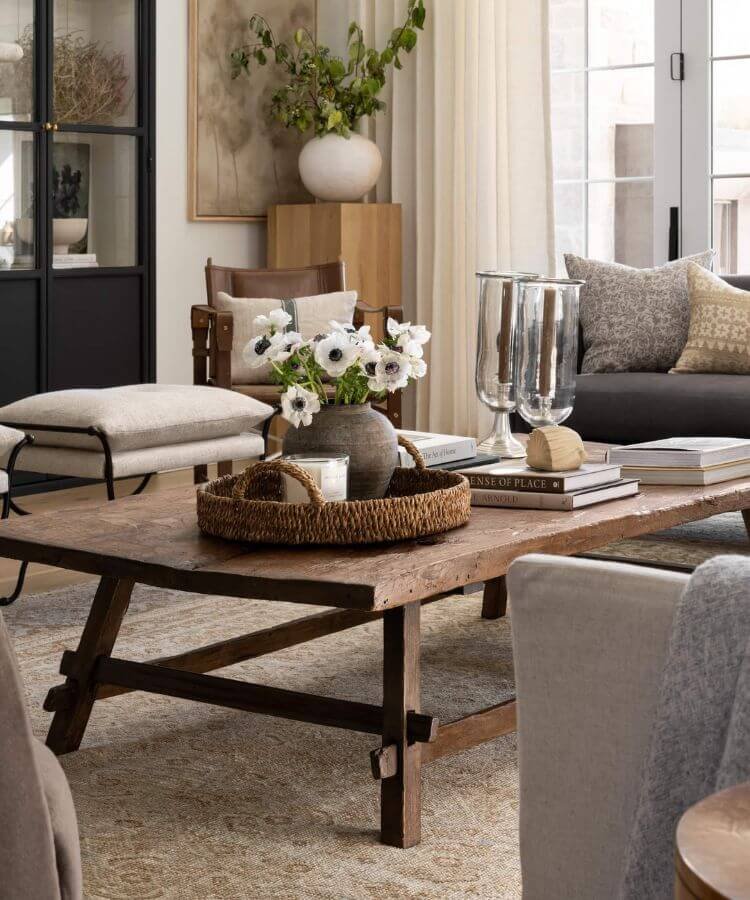
Sustainability is no longer a niche preference; it’s a mainstream expectation. Consumers are increasingly choosing furniture made from responsibly sourced wood, recycled materials, bamboo, rattan, and reclaimed timber.
Manufacturers are also shifting toward low-VOC finishes, natural fabrics, and biodegradable packaging. Vintage and upcycled furniture have gained popularity as buyers seek unique pieces with lower environmental impact.
Key elements include:
- FSC-certified wood
- Recycled metal frames
- Organic cotton and linen upholstery
- Cane and woven natural fibers
The emphasis is on longevity and craftsmanship rather than disposable design.
Multifunctional and Modular Designs
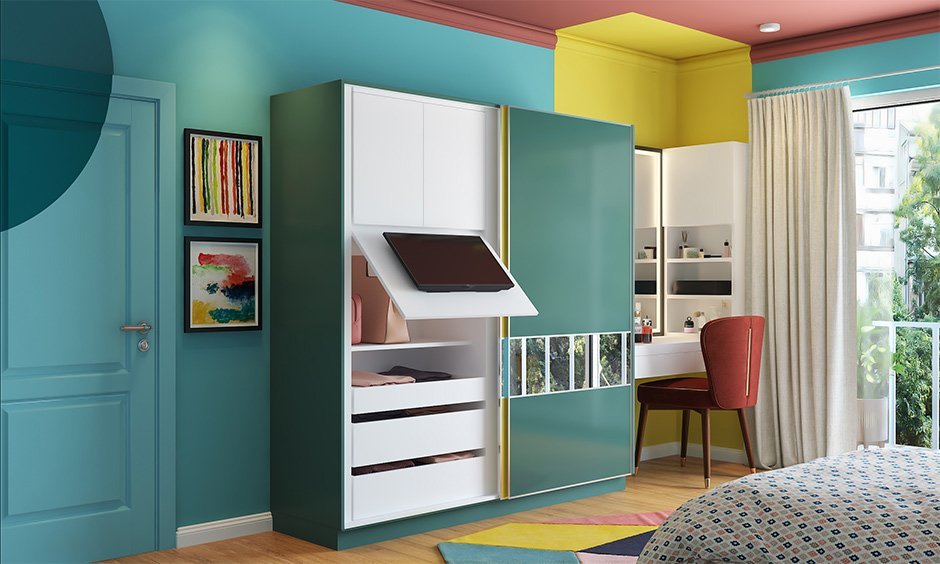
As living spaces become more compact, especially in urban areas, furniture that serves multiple purposes is in high demand. Sofas that convert into beds, extendable dining tables, and storage-integrated coffee tables are becoming essentials.
Modular furniture allows homeowners to rearrange layouts according to changing needs. Sectional sofas with movable components, stackable chairs, and foldable desks support flexible living.
This trend is particularly strong among young professionals and apartment dwellers who prioritize adaptability.
Curved and Organic Shapes
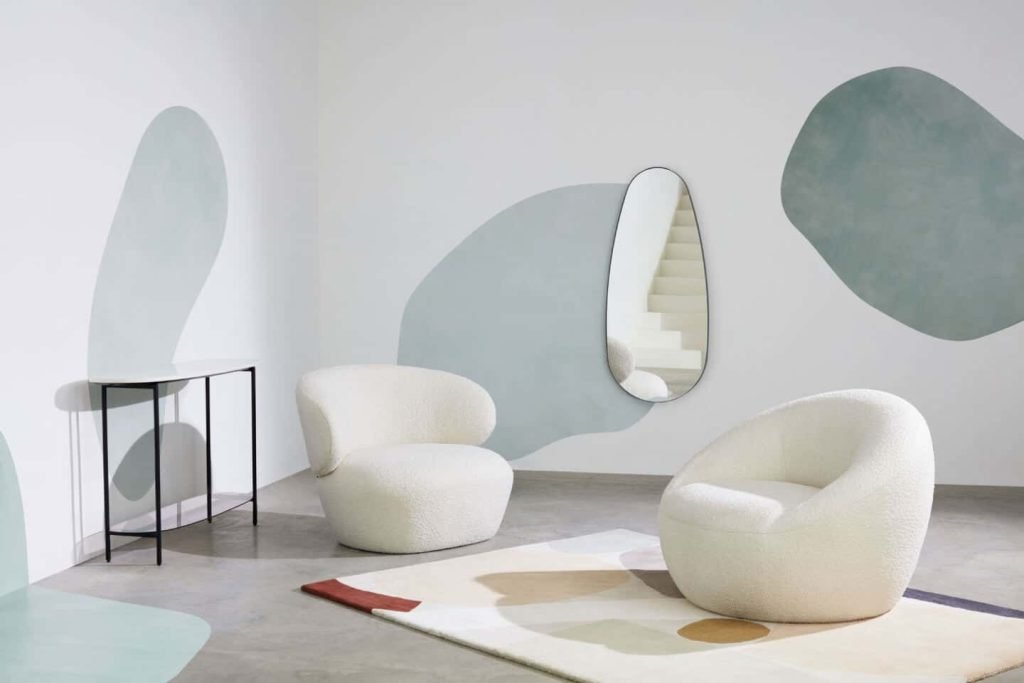
Sharp edges are giving way to softer silhouettes. Rounded sofas, oval dining tables, and curved headboards create a welcoming and calming atmosphere.
Organic shapes inspired by nature add warmth and fluidity to interiors. These designs promote a sense of comfort and balance, moving away from rigid minimalism.
Popular examples include:
- Crescent-shaped couches
- Arched cabinets
- Sculptural coffee tables
The goal is to create spaces that feel relaxed and inviting.
Bold Statement Pieces
While minimalism remains influential, many homeowners are incorporating bold statement furniture to add character. Vibrant upholstery, artistic chairs, and oversized lighting fixtures serve as focal points in neutral spaces.
Trending colors include:
- Deep emerald green
- Burnt orange
- Navy blue
- Warm terracotta
Statement furniture allows individuals to express personality without overwhelming the entire room.
Natural Textures and Earthy Tones
Nature-inspired interiors continue to dominate. Earthy tones such as beige, sand, clay, olive, and taupe create grounding environments.
Furniture featuring raw wood finishes, textured fabrics, woven cane, and stone surfaces reinforces the organic aesthetic. These materials bring warmth and tactile richness to interiors.
Layering textures—such as pairing linen sofas with wooden tables and jute rugs—adds depth without clutter.
Smart Furniture and Technology Integration
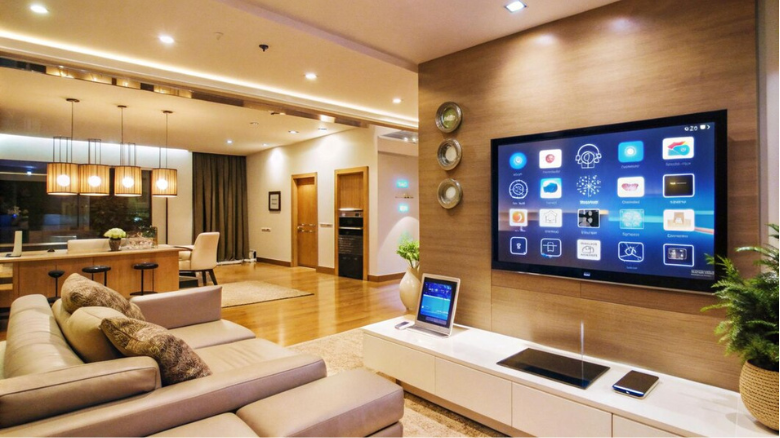
Technology is subtly integrating into furniture design. Smart desks with built-in charging ports, wireless charging coffee tables, and adjustable ergonomic chairs are becoming more common.
In home offices, height-adjustable desks and supportive chairs reflect a growing awareness of wellness and productivity.
Smart storage solutions, hidden compartments, and cable-management systems keep spaces organized and visually clean.
Vintage Revival and Retro Influences
Mid-century modern remains a strong influence, characterized by tapered legs, walnut finishes, and clean lines. However, there is also renewed interest in 1970s and 1980s aesthetics—velvet fabrics, curved sofas, and playful shapes.
Vintage pieces add uniqueness and authenticity. Mixing contemporary furniture with retro accents creates a layered, curated look.
Comfort-Centered Design
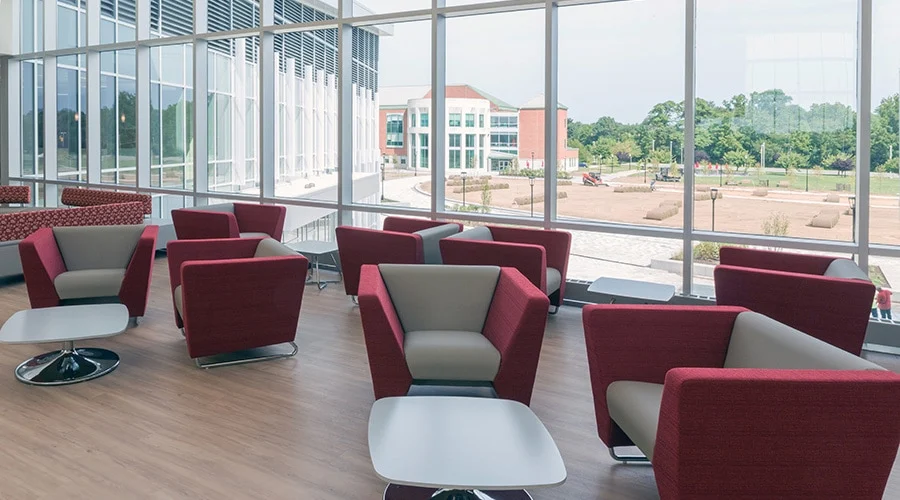
Comfort is a priority more than ever. Deep-seated sofas, plush armchairs, padded headboards, and oversized cushions dominate living rooms and bedrooms.
People are investing in furniture that enhances relaxation, reflecting a broader focus on mental well-being and home-centered lifestyles.
Soft upholstery, breathable fabrics, and ergonomic design elements ensure functionality without sacrificing style.
Minimalist Yet Warm Interiors
Minimalism is evolving from stark white spaces to warmer, more personalized environments. The “warm minimalism” trend blends simplicity with cozy materials.
Neutral palettes are paired with wood accents, soft lighting, and subtle decorative elements. Furniture remains streamlined but feels inviting rather than cold.
This balanced approach appeals to those seeking clutter-free spaces without sacrificing comfort.
Artisanal and Handcrafted Pieces
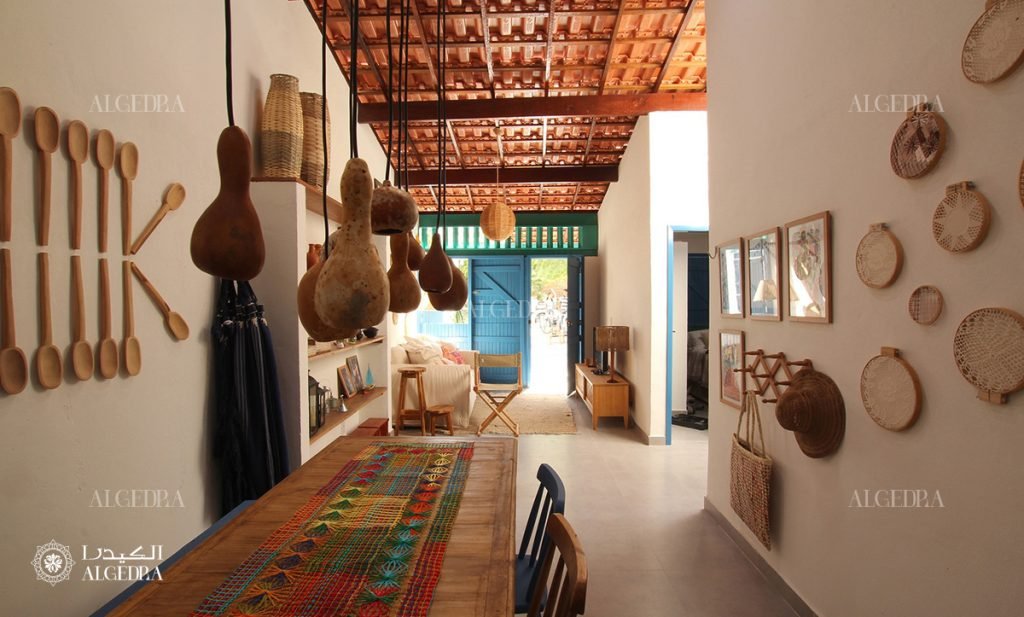
Handcrafted furniture is gaining value as consumers appreciate authenticity and storytelling. Locally made items, hand-carved details, and bespoke designs reflect individuality.
This trend supports small businesses and traditional craftsmanship while offering distinctive pieces that stand out from mass-produced options.
Read More: Window Trends Redefining Light, Efficiency, and Architectural Expression
The Future of Furniture Design
Furniture trends in 2026 reflect broader cultural shifts. Sustainability signals environmental responsibility. Multifunctional design addresses urban living challenges. Curved shapes and soft textures respond to the human desire for comfort and calm.
Rather than following one dominant style, modern interiors embrace a mix of influences, minimalist foundations enhanced by bold accents, technology integrated seamlessly into natural materials, and vintage charm blended with contemporary innovation.
Ultimately, furniture today is about more than filling a room. It shapes how we live, work, and relax. As lifestyles continue to evolve, so too will furniture, adapting to new technologies, environmental priorities, and personal expressions of style.
Whether redesigning a single room or furnishing an entire home, the key trend remains clear: choose pieces that combine functionality, sustainability, and personality.
