


Windows have always played a vital role in architecture. They frame views, invite natural light, provide ventilation, and connect indoor spaces with the outside world. Today, however, windows are doing far more than simply filling wall openings. Modern window trends reflect advances in technology, sustainability, and design aesthetics, transforming them into central features of both residential and commercial spaces.
As homeowners and designers increasingly prioritize energy efficiency, wellness, and architectural character, windows have become key elements in shaping how a space looks and feels. From expansive floor-to-ceiling glass panels to smart glazing systems and bold frame finishes, contemporary window design balances beauty with performance.
This article explores the most significant window trends shaping modern architecture and interior design, highlighting how innovation and style are redefining the way we experience light and space.
Floor-to-Ceiling and Oversized Windows
One of the most striking trends in modern architecture is the use of large-scale windows. Floor-to-ceiling glass panels create a dramatic visual impact while maximizing natural light.
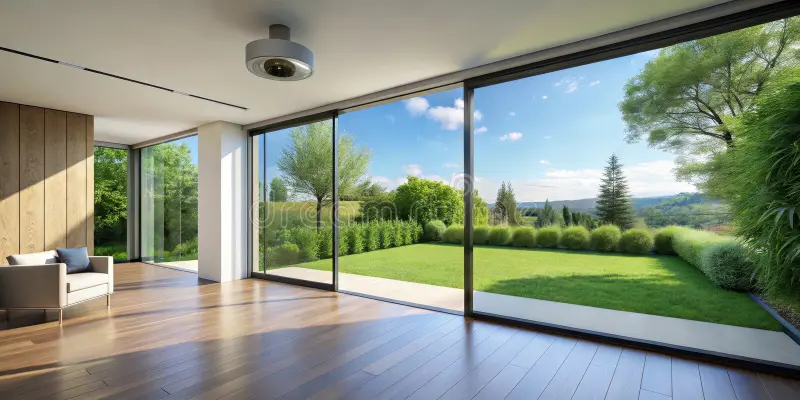
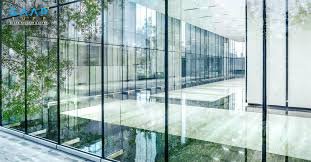
Expansive Glass Walls
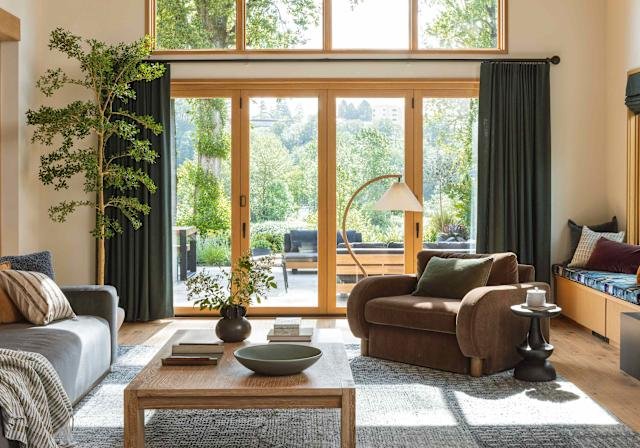
Glass walls blur the boundary between indoor and outdoor living. They are particularly popular in homes with scenic surroundings, such as gardens, forests, or waterfront views. By reducing visual barriers, these windows create a sense of openness and connection to nature.
Sliding and Folding Systems
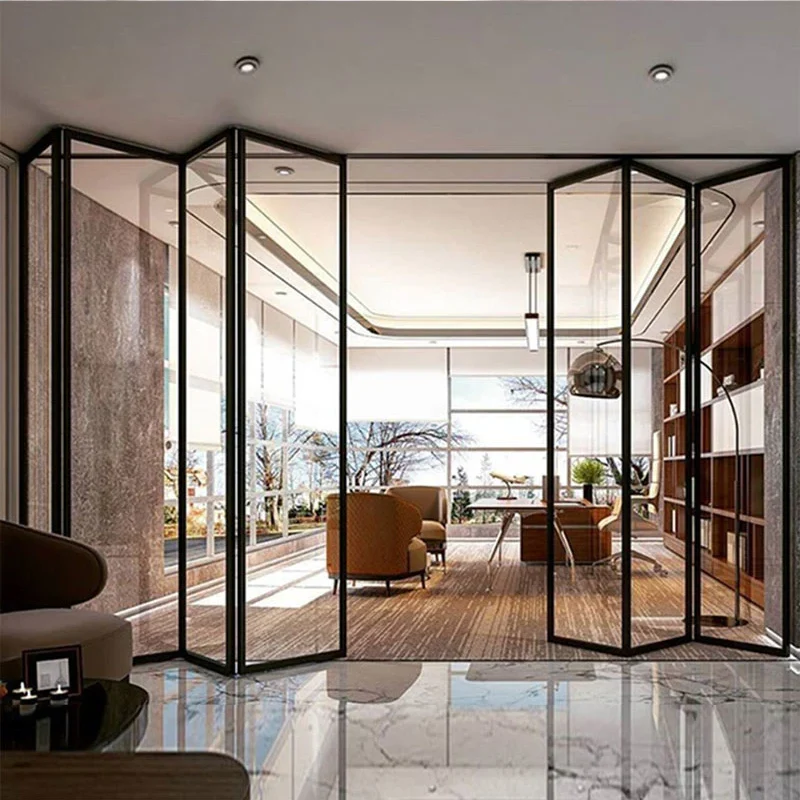
Sliding glass doors and bi-fold window systems allow entire walls to open, transforming living spaces into seamless indoor-outdoor environments. This trend is especially common in contemporary homes and warm climates.
Benefits of Larger Windows
Beyond aesthetics, larger windows enhance daylight penetration, reducing the need for artificial lighting. Natural light improves mood, productivity, and overall well-being, making oversized windows both a design and lifestyle choice.
Energy-Efficient and Sustainable Designs
Sustainability continues to shape window innovation. Modern consumers are increasingly conscious of energy consumption and environmental impact.
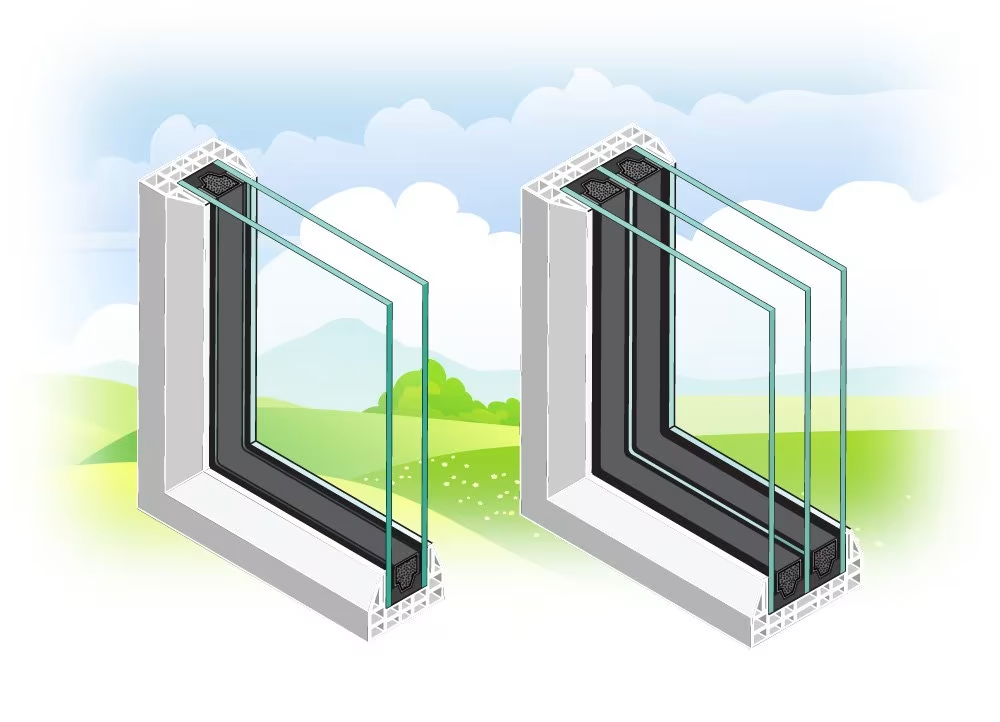
Double and Triple Glazing
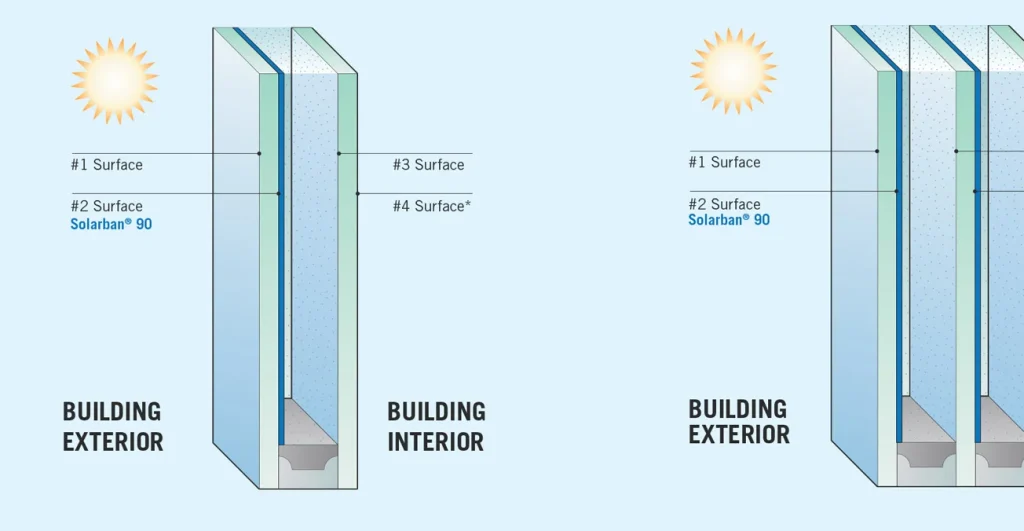
Multi-pane windows provide superior insulation by trapping air or gas between layers of glass. Triple glazing, in particular, offers enhanced thermal performance, reducing heat loss in colder climates.
Low-E Glass Coatings
Low-emissivity (Low-E) coatings reflect heat while allowing light to pass through. This technology helps maintain comfortable indoor temperatures and lowers energy costs.
Sustainable Frames
Window frames made from responsibly sourced wood, recycled aluminum, and composite materials contribute to eco-friendly construction practices. Many manufacturers now prioritize durability and recyclability.
Energy-efficient windows not only reduce environmental impact but also add long-term value to properties.
Black Frames and Bold Finishes
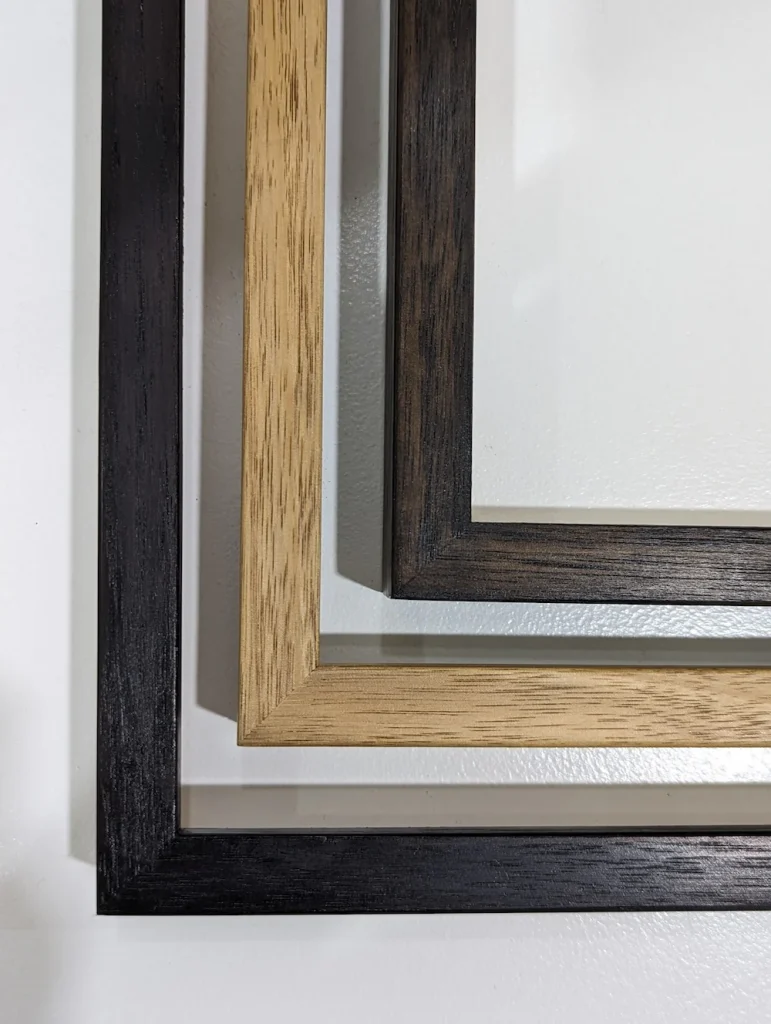
While traditional white window frames remain popular, darker and more dramatic finishes are gaining attention.
Matte Black Frames
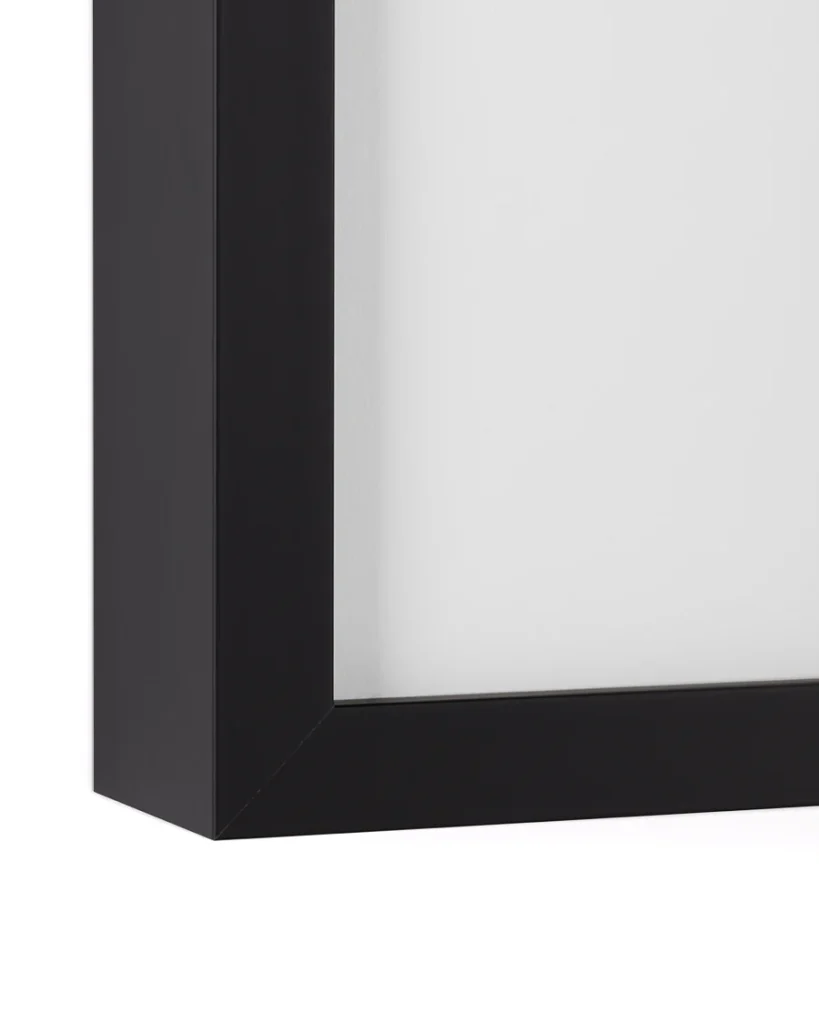
Matte black window frames have become a hallmark of modern and industrial design. They create strong contrast against light-colored walls and emphasize architectural lines.
Bronze and Metallic Tones
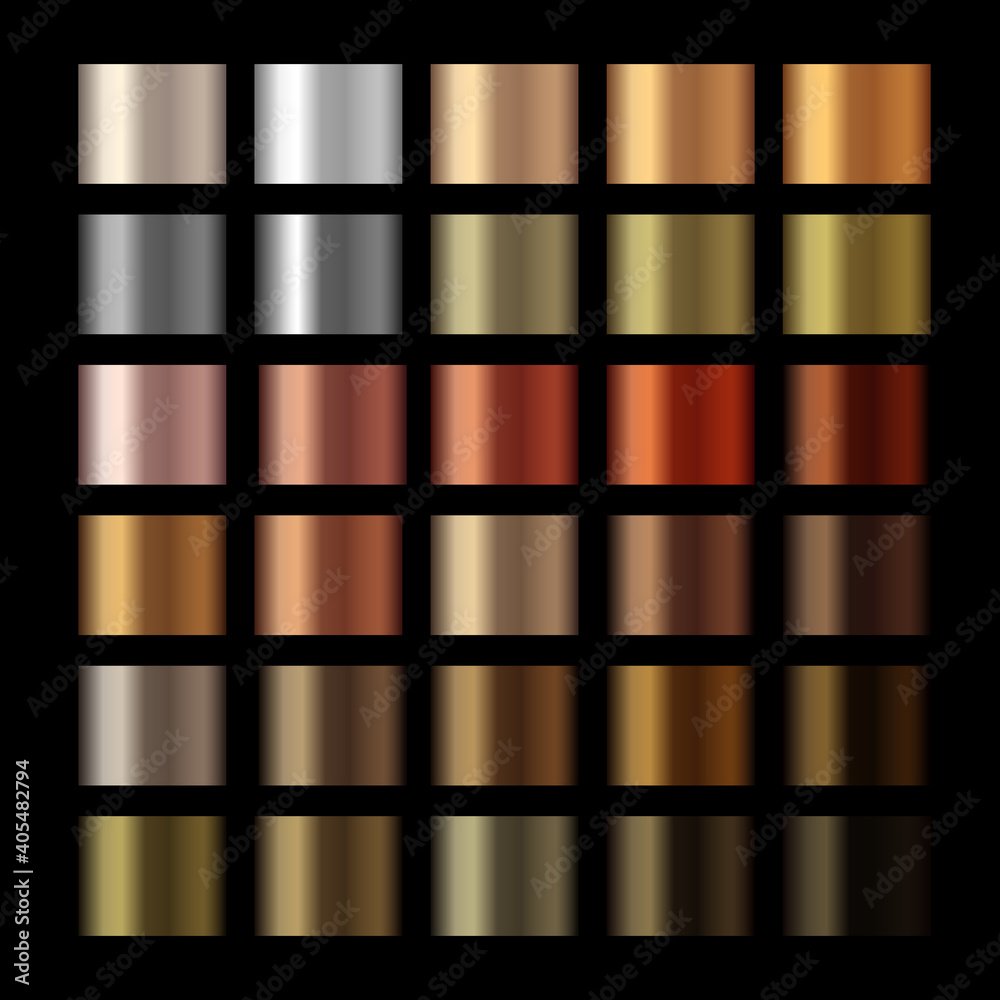
Warm metallic finishes such as bronze and brushed gold are emerging as sophisticated alternatives. These tones add subtle elegance without overpowering the space.
Custom Colors
Homeowners are increasingly choosing custom frame colors to complement exterior façades and interior décor. This personalization enhances curb appeal and design cohesion.
Minimalist and Slim Profiles
Contemporary architecture favors clean lines and simplicity, and window design is no exception.
Slim Frames
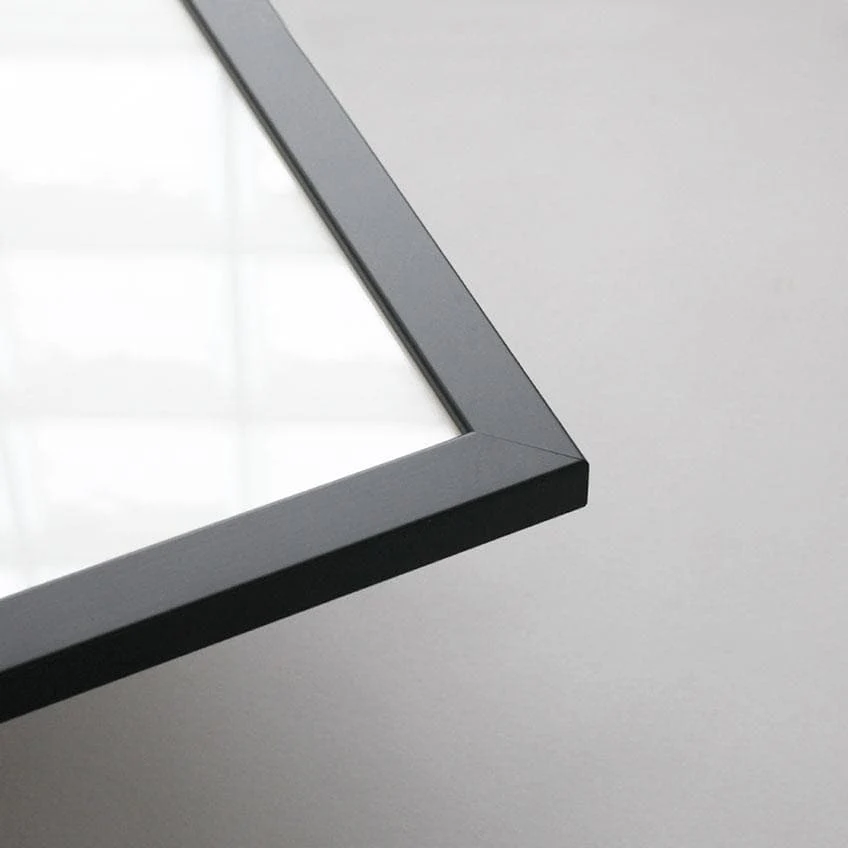
Narrow window frames maximize glass surface area, enhancing views and allowing more light into the room. Slim profiles also contribute to a sleek, modern aesthetic.
Hidden Hardware
Concealed hinges and minimal visible hardware maintain a streamlined appearance. This subtle detailing supports minimalist design principles.
Minimalist windows prioritize clarity, proportion, and balance, creating a refined architectural look.
Smart Windows and Technological Integration
Technology is revolutionizing window functionality.
Smart Glass
Electrochromic or “smart” glass can change opacity at the touch of a button or via automated systems. This feature enhances privacy, controls glare, and reduces heat gain.
Automated Blinds and Shades
Integrated motorized blinds can be programmed to adjust based on sunlight levels or time of day. These systems improve energy efficiency and convenience.
Sensor-Activated Ventilation
Some modern windows include sensors that open or close automatically to regulate indoor air quality. This innovation supports healthier living environments.
As smart homes become more common, window technology continues to evolve to meet modern expectations.
Architectural Shapes and Statement Designs
Windows are increasingly being used as architectural focal points rather than purely functional elements.
Arched Windows
Arched designs introduce softness and classic elegance. They work well in both traditional and contemporary homes, adding character and charm.
Geometric and Asymmetrical Shapes
Unconventional window shapes, such as circular, triangular, or custom geometric designs, create striking visual interest. These statement windows often serve as artistic features within a façade.
Corner Windows
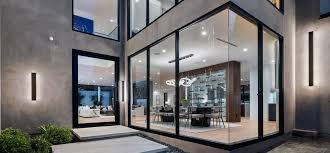
Corner windows eliminate structural barriers at building edges, providing panoramic views and a modern architectural feel.
Such creative designs reflect a growing desire to personalize architecture and break away from standard layouts.
Indoor-Outdoor Connection
Modern living emphasizes harmony between interior and exterior spaces.
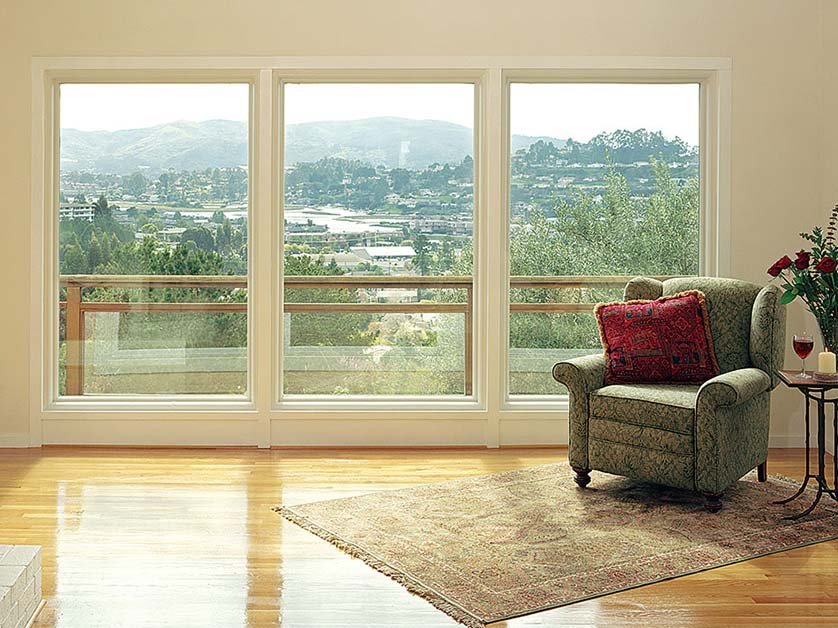
Picture Windows
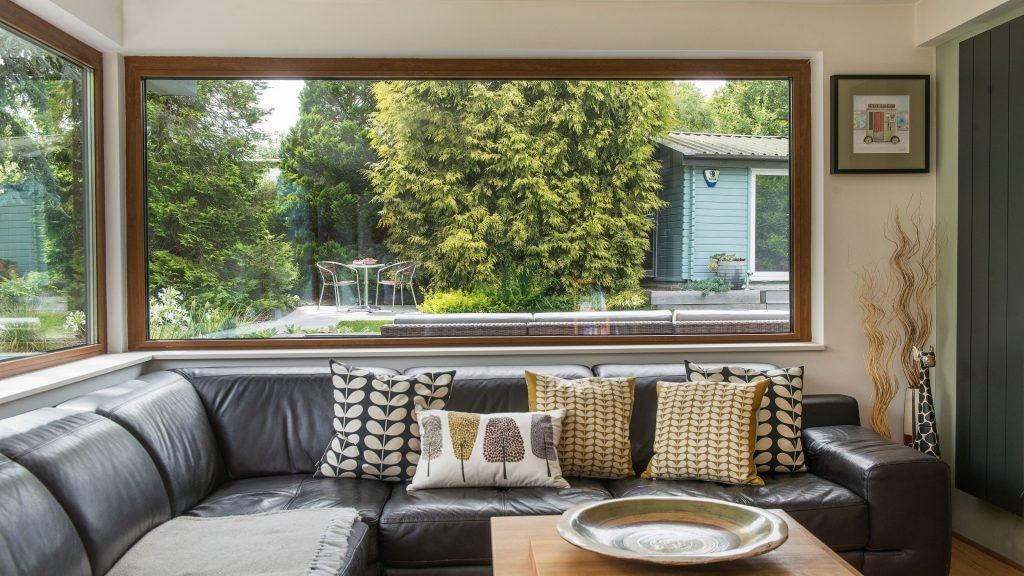
Large picture windows frame outdoor scenery like living artwork. They are fixed and do not open, focusing entirely on capturing the view.
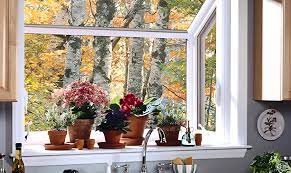
Garden and Bay Windows
Bay and garden windows extend outward, adding depth and extra interior space. They allow more sunlight and can serve as cozy reading nooks or plant displays.
Connecting with nature through window placement and design enhances both aesthetics and mental well-being.
Noise Reduction and Urban Living
In densely populated urban areas, sound insulation has become a priority.
Acoustic Glazing
Specialized acoustic glass reduces external noise, creating quieter and more peaceful interiors.
Sealed Frame Systems
Improved sealing technologies prevent air leaks and sound infiltration, enhancing comfort in busy environments.
These innovations make city living more enjoyable without sacrificing access to natural light.
Decorative and Textured Glass
While clear glass dominates modern design, decorative options are gaining popularity.
Frosted and Etched Glass
Frosted or etched glass provides privacy while allowing light to filter through. It is commonly used in bathrooms and entryways.
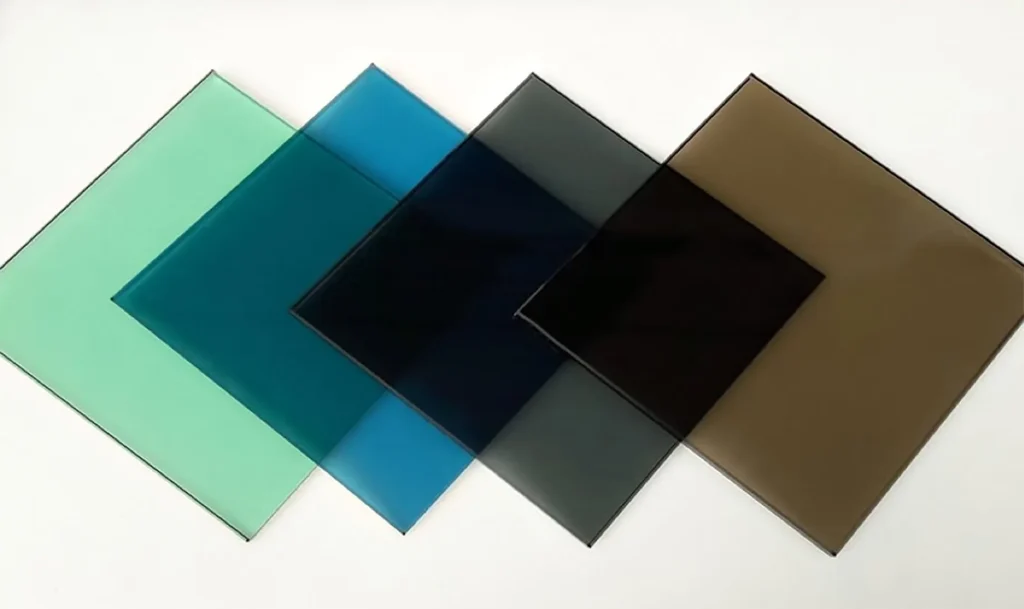
Tinted Glass
Tinted windows reduce glare and add a contemporary touch to building exteriors.
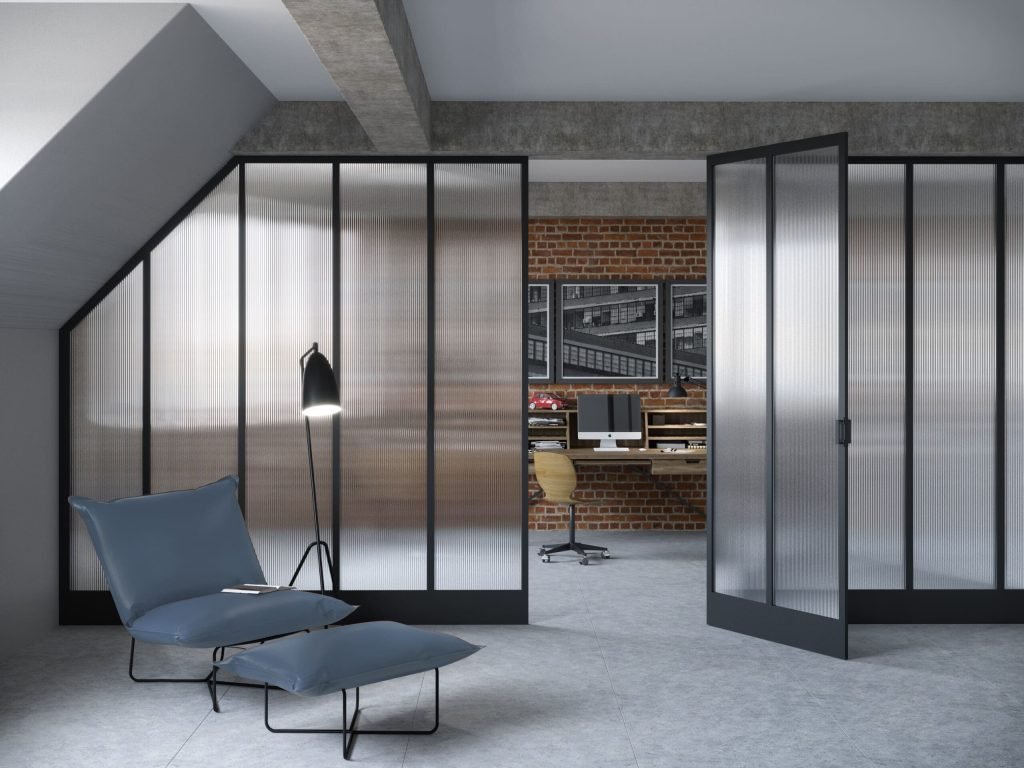
Patterned Glass
Subtle patterns introduce texture and visual interest, offering an alternative to plain glass surfaces.
Decorative glass options allow homeowners to balance privacy, style, and functionality.
Window Treatments and Layered Styling
Window trends extend beyond frames and glass to include treatments that enhance both form and function.
Sheer Curtains
Light, airy fabrics soften natural light while maintaining openness. Sheer curtains complement minimalist interiors.
Layered Drapery
Combining sheer and blackout curtains allows flexibility in controlling light and privacy.
Minimal Blinds
Slim roller shades and panel tracks align with modern aesthetics and provide clean, understated coverage.
Thoughtful styling enhances the overall impact of contemporary window design.
Wellness-Focused Design
Wellness-centered architecture is influencing window trends in meaningful ways.
Increased Daylight Exposure
Designers prioritize window placement to maximize daylight exposure, which supports circadian rhythms and improves mental health.
Improved Ventilation
Operable windows promote natural airflow, reducing reliance on mechanical systems and enhancing indoor air quality.
Biophilic Design
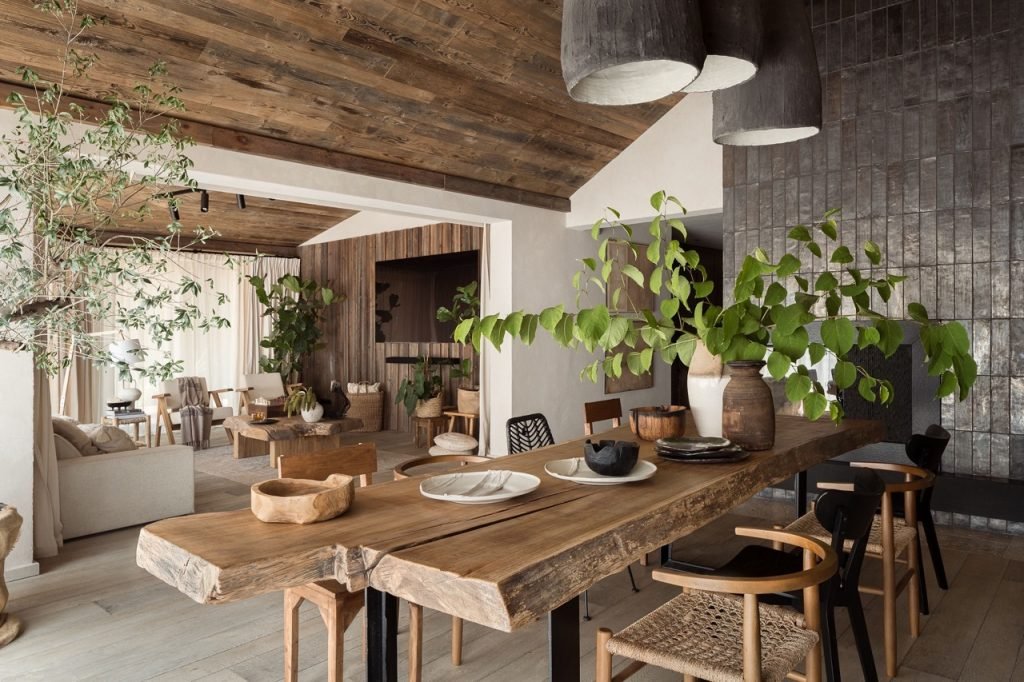
Windows that frame greenery or incorporate indoor plants reinforce biophilic design principles, fostering a deeper connection to nature.
By supporting physical and emotional well-being, windows play a crucial role in holistic home design.
Security and Safety Innovations
Safety remains a key consideration in window design.
Impact-Resistant Glass
In regions prone to extreme weather, impact-resistant windows provide added protection against storms.
Advanced Locking Systems
Modern locking mechanisms enhance security while maintaining sleek design.
Laminated Glass
Laminated glass improves safety by holding shards together if broken, reducing injury risk.
These features offer peace of mind without compromising style.
Customization and Personal Expression
Customization has become a defining trend across all aspects of home design, including windows.
Homeowners can choose frame materials, colors, grid patterns, and glass types to suit their architectural vision. From classic divided panes to contemporary frameless designs, customization ensures each window complements the overall aesthetic.
This flexibility allows windows to serve as both practical features and personal statements.
Read More: Shower Design Trends Redefining Comfort, Luxury, and Everyday Wellness
Conclusion
Window trends are redefining how we experience light, space, and architecture. From expansive glass walls and energy-efficient glazing to smart technology and bold frame finishes, modern windows combine innovation with artistry.As homes evolve to meet changing lifestyles and environmental priorities, windows remain central to creating bright, comfortable, and sustainable spaces. They enhance views, improve energy performance, and contribute to overall well-being.
