


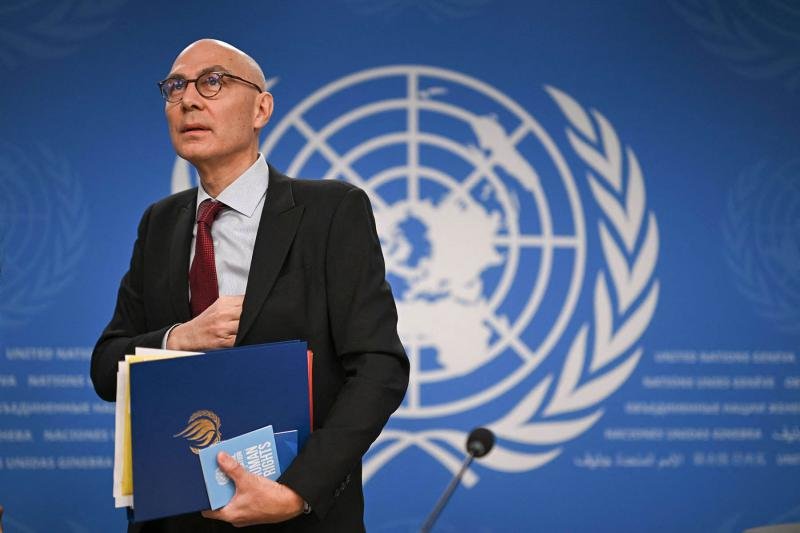
The chief crisis in Venezuela, compounded by political upheaval and international intervention, has intensified global attention on the rights and well-being of its citizens. In response to the seizure of Venezuelan President Nicolás Maduro by U.S. forces, the United Nations human rights chief, Volker Türk, has called for the voices of the Venezuelan people to be at the center of any political solution.
Nearly eight million Venezuelans have fled the country in recent years due to economic collapse, insecurity, and widespread human rights violations. Families undertake long journeys, such as the one from the southern border of Peru to Lima, highlighting the scale of displacement and the challenges of humanitarian assistance.
UN Concerns Over U.S. Military Intervention
In a press briefing in Geneva, UN High Commissioner for Human Rights spokesperson Ravina Shamdasani reiterated deep concerns over the U.S. military operation in Caracas, stating it undermined the fundamental protections of sovereign nations worldwide.
“Accountability for human rights violations cannot be achieved by unilateral military intervention in violation of international law,” Shamdasani said.
She emphasized that while the U.S. cited Venezuela’s “longstanding and appalling” human rights record as justification, such an intervention contravenes the UN Charter, weakening international security structures rather than strengthening human rights protections.
Shamdasani highlighted that the military action violates the territorial integrity and political independence of a sovereign state, a principle enshrined in international law. The UN Secretary-General has echoed these concerns, noting that unilateral actions of this nature risk creating instability far beyond Venezuela’s borders.
Ongoing Human Rights Abuses and the UN’s Expulsion
The Office of the UN High Commissioner for Human Rights (OHCHR) was expelled from Venezuela in February 2024 following persistent reporting on violations and the deterioration of civil liberties. Independent probes by the Human Rights Council have documented serious abuses against political opponents and critics of the ruling party.
Shamdasani emphasized that Venezuelans deserve accountability through a fair, victim-centered process, underscoring that rights violations have persisted for decades. She warned that the recent militarization following the U.S. intervention could exacerbate instability and further jeopardize fundamental freedoms, including freedom of speech, assembly, and protest.
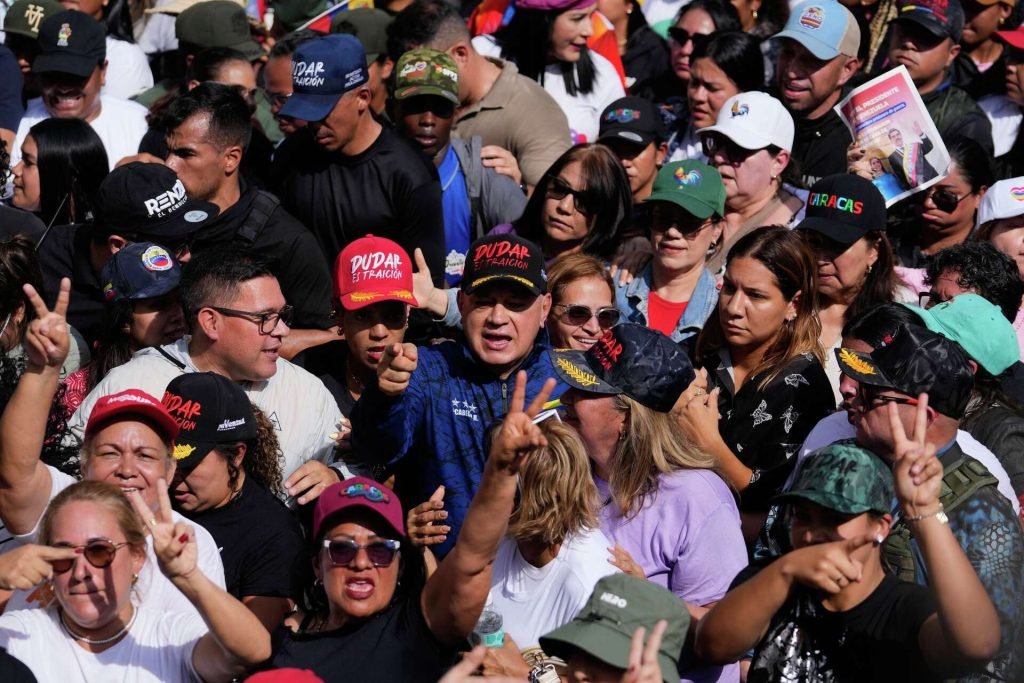
The declaration of a state of emergency in Venezuela has restricted the free movement of people, allowed the seizure of property for national defense, and suspended the right to assembly, all under the pretext of security. These measures disproportionately affect citizens already vulnerable due to decades of repression.
Humanitarian Situation in Venezuela
Beyond the political crisis, Venezuela faces a severe humanitarian emergency. Approximately one in four Venezuelans, or nearly eight million people, require humanitarian assistance after years of economic decline, mismanagement, and political instability.
The UN Office for the Coordination of Humanitarian Affairs (OCHA) estimates that $600 million is needed for an effective response in 2026. Jens Laerke, an OCHA spokesperson, noted that while the political situation has changed dramatically, the day-to-day humanitarian reality for most Venezuelans has not improved.
Among those in urgent need, 900,000 have extremely high multisectoral needs, including food, health services, education, and nutrition. The Venezuelan government has been largely unable to provide these essentials, and the UN has faced chronic underfunding in its aid operations. Despite this, two million people received assistance in 2025, a testament to ongoing international efforts.
Venezuelan Refugees and Regional Impact
The refugee situation remains a pressing concern. Nearly 7.9 million Venezuelans have fled their homeland, with over 6.9 million finding refuge in Latin America and the Caribbean. These displaced populations face ongoing challenges, including integration, protection, and access to basic services.
The UN Refugee Agency (UNHCR) works with host countries to support inclusion and ensure refugees have access to essential services. This includes fostering educational opportunities, health care, and economic participation to promote stability and development in host communities.
UNHCR spokesperson Eujin Byun emphasized that the agency closely monitors border crossings and cross-border movements, particularly in light of the U.S. military intervention. While no major displacement linked directly to the operation has occurred yet, the risk remains significant.
Political and Legal Implications
The U.S. military operation has generated significant debate regarding legality and international norms. By seizing a sitting president, critics argue the intervention violates the principle of non-intervention, a cornerstone of the UN Charter.
Shamdasani stressed that future governance in Venezuela must reflect the will of its citizens, respecting sovereignty and human rights. Any solution imposed externally risks undermining long-term stability and could entrench further abuses rather than resolve them.
International Response
The international community has responded with a mix of condemnation and concern. Countries across Latin America have expressed apprehension over U.S. intervention, citing threats to regional stability. Meanwhile, global powers like China and Russia have criticized the move as illegal interference in Venezuelan affairs, with potential repercussions for trade and diplomatic relations.
The UN has called for dialogue between Venezuelan authorities, the United States, and international partners to ensure adherence to international law while protecting human rights and humanitarian access.
Challenges of Recovery and Reconstruction
Rebuilding Venezuela requires a multi-pronged approach. Decades of economic mismanagement, hyperinflation, and weakened institutions have left the country dependent on international support. Restoring public trust, infrastructure, and economic viability will require coordinated efforts between the Venezuelan people, international organizations, and neighboring states.
The humanitarian crisis, compounded by political instability, highlights the need for long-term planning. Immediate aid must be paired with strategies to restore governance, accountability, and social services, ensuring sustainable recovery rather than temporary relief.
Read More: Trump says Venezuela to hand over up to 50 million barrels of oil to US
FAQs
Why is the UN concerned about the U.S. intervention in Venezuela?
The UN fears that unilateral military actions undermine sovereignty, violate international law, and destabilize global security structures.
How many Venezuelans currently need humanitarian assistance?
Approximately eight million people, or one in four Venezuelans, require support due to food shortages, health crises, and lack of basic services.
What role does UNHCR play for Venezuelan refugees?
UNHCR supports displaced Venezuelans by providing protection, shelter, and access to services in host countries while promoting long-term integration and development.
What are the legal implications of the U.S. operation?
Critics argue that seizing a sitting president violates international law and the UN Charter, which protects territorial integrity and political independence.
How can the international community help?
Through funding humanitarian aid, supporting refugee integration, monitoring human rights violations, and facilitating dialogue between Venezuelan authorities and global actors.
Conclusion
The Venezuelan crisis remains a complex and multi-dimensional challenge, combining political instability, humanitarian need, and international legal questions. The UN emphasizes that the voices of Venezuelans must guide any resolution, highlighting the importance of sovereignty, human rights, and long-term planning.
