


50 million barrels of oil to highly controversial announcement on January 6, 2026, U.S. President Donald Trump stated that Venezuela would transfer between 30 and 50 million barrels of sanctioned oil to the United States. The oil, which had been held in storage due to Washington’s embargo on Venezuelan exports, is slated to be sold at market prices, with Trump claiming he will control the resulting revenues to ensure they benefit both Venezuelans and Americans.
Trump’s announcement follows a series of geopolitical moves, including the U.S.-led abduction of Venezuelan President Nicolás Maduro and the installation of an interim government. According to Trump, the goal is to “take back” Venezuela’s oil reserves, revive its energy industry, and allow American energy firms to invest in rebuilding the country’s deteriorating oil infrastructure.
Background: Venezuela’s Oil Sector Decline
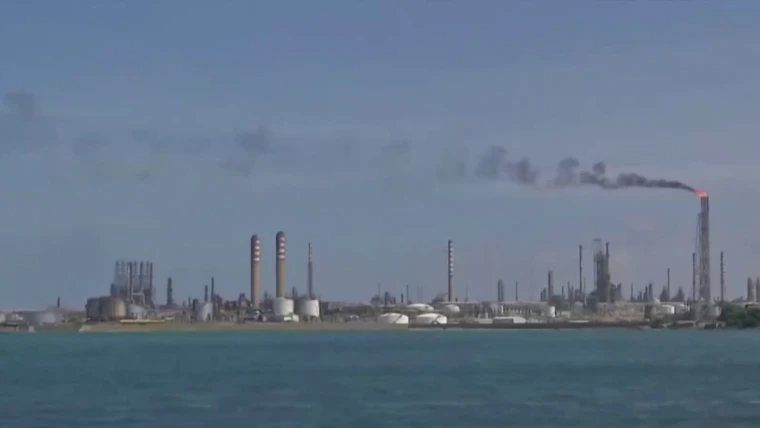
Venezuela has historically been one of the world’s most oil-rich nations, boasting the largest proven oil reserves globally. During the 1990s, Venezuela produced more than three million barrels per day (bpd), making it a significant player in international energy markets. However, decades of political instability, mismanagement, sanctions, and underinvestment drastically reduced production. Today, Venezuela produces less than one percent of global oil supply.
The Venezuelan oil sector was further weakened by nationalization under Hugo Chávez, which saw the seizure of private oil assets, including American-owned companies like ExxonMobil, ConocoPhillips, and Chevron. While international arbitration awarded billions in compensation to these firms, Venezuela largely failed to pay. U.S. sanctions and years of economic mismanagement under Nicolás Maduro have compounded the decline, leaving the country’s once-thriving oil industry in a state of near-collapse.
Trump’s Announcement and Plan
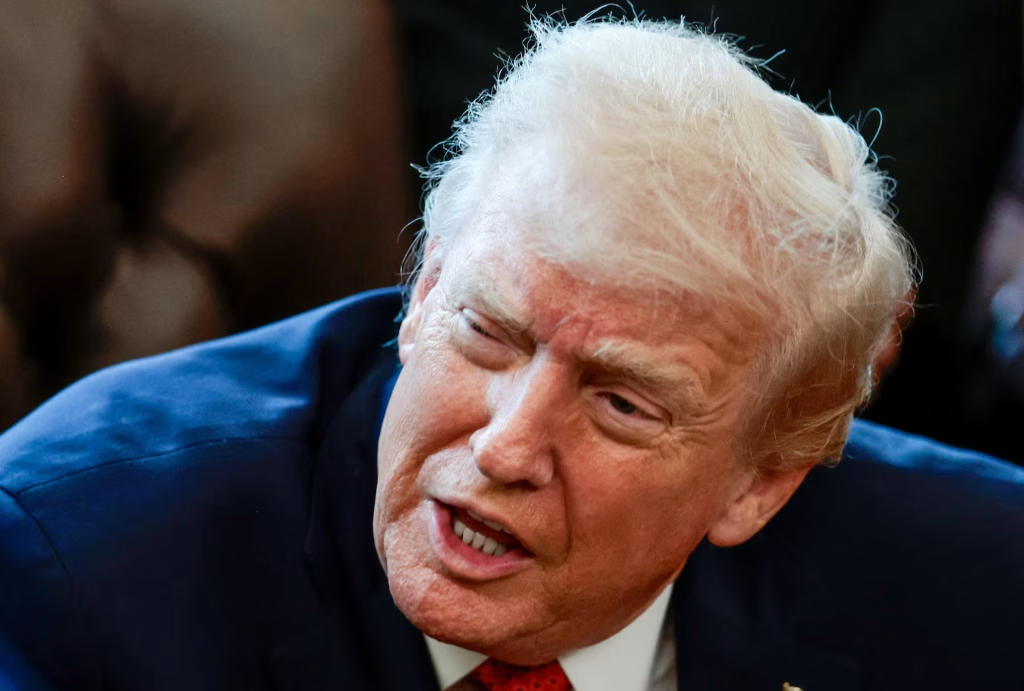
During his announcement, Trump emphasized that the oil would be taken by storage ships and delivered directly to U.S. unloading docks. He directed Energy Secretary Chris Wright to implement the plan immediately. According to Trump, U.S. oil companies are prepared to invest billions of dollars in Venezuelan oil infrastructure to rebuild its decrepit facilities and exploit the country’s extensive oil reserves.
Trump has repeatedly claimed inaccurately under international law that Venezuela’s oil reserves were “stolen” from the United States. Despite this, the U.S. has no legal ownership of Venezuelan oil. Major U.S. oil companies like Chevron, ExxonMobil, and ConocoPhillips have not officially commented on the plan but are scheduled to meet with Trump to discuss investment opportunities. Chevron is the only company currently operating in Venezuela, producing roughly 150,000 bpd.
Economic and Market Implications
While 50 million barrels of oil may sound significant, its impact on global oil markets is relatively modest. Global consumption exceeds 100 million bpd, with the U.S. alone producing approximately 14 million bpd. Experts, such as Mark Finley of the Baker Institute in Houston, emphasize that the significance of the transfer depends on the time frame over which the oil is delivered. “In a month, that’s essentially all Venezuelan output. In a year, it’s pretty small,” Finley explained.
The announcement caused immediate ripples in global oil markets, with traders weighing the potential increase in supply against logistical challenges. Scott Montgomery, an energy expert at the University of Washington, expressed uncertainty about how Trump might distribute revenues from the oil sales, noting there is little precedent for such an arrangement.
Geopolitical Context
The oil transfer announcement comes against a backdrop of intense geopolitical activity. The U.S. abduction of Maduro and the installation of an interim government have been widely condemned internationally as violations of Venezuelan sovereignty. Countries like China and Russia criticized the move as a form of imperial overreach. Latin American nations have been divided, with some supporting U.S. efforts to stabilize Venezuela and others viewing it as coercive.
Trump’s plan to control the proceeds from oil sales has raised concerns among global analysts about transparency and legality. Critics argue that seizing revenues from a foreign nation’s natural resources following military intervention undermines international law and sets a dangerous precedent.
Challenges to Restoring Venezuela’s Oil Production
Analysts say returning Venezuela to even a fraction of its former oil output would require massive investment and years of work. Rystad Energy estimates that about $110 billion in capital investment would be needed to restore production to two million bpd. Experts emphasize that extensive engineering studies must first assess the condition of reservoirs, which have changed over time due to neglect and mismanagement.
Market watchers are skeptical that U.S. companies will commit to large-scale investment, given past experiences with asset seizures under Chávez. ExxonMobil and ConocoPhillips were awarded $1.6 billion and $8.7 billion, respectively, in international arbitration for lost assets but have not been paid by Venezuela. Chevron remains operational but on a relatively small scale.
Read More: Captured Maduro Arrives at Detention Centre in US After Strike on Venezuela
FAQs
How much oil will Venezuela transfer to the U.S.?
Venezuela will transfer between 30 and 50 million barrels of oil, though the time frame of delivery remains unspecified.
Who controls the revenues from the oil sales?
President Trump stated that he will control the revenues to ensure the money benefits both Venezuelans and Americans.
What is the international response?
China, Russia, and other nations have criticized the move as a violation of sovereignty. Some Latin American countries have expressed concern, while others support U.S. intervention.
How significant is the transfer for global markets?
The transfer is modest compared to global consumption of over 100 million bpd, but it could relieve pressure on U.S. refineries and influence oil prices in the short term.
Can Venezuela realistically increase oil production?
Restoring output requires massive investment and years of engineering work. Production is constrained by underinvestment, mismanagement, and deteriorating infrastructure.
Legal and Ethical Considerations
The transfer raises significant legal and ethical questions. International law does not recognize U.S. ownership of Venezuelan oil, and critics argue the plan constitutes coercion. However, supporters contend that interim authorities are acting in Venezuela’s economic interest. Transparency in how revenues are allocated will be critical to avoid allegations of exploitation.
Conclusion
Trump’s announcement of the transfer of up to 50 million barrels of oil from Venezuela to the U.S. highlights the intersection of energy policy, geopolitics, and international law. While economically modest, the plan has major implications for U.S. energy security, investment in Latin America, and global diplomatic relations. Restoring Venezuela’s oil sector to its former glory will require decades of work, billions in investment, and careful navigation of political challenges. The coming months will reveal how feasible and impactful this initiative truly is.
