


As winter conditions intensify, further snow and ice weather warnings have been issued, putting millions on alert for hazardous travel, power disruptions, and heightened health risks. Meteorological authorities have cautioned that a prolonged spell of cold weather is expected to bring heavy snowfall, freezing rain, and widespread icy conditions across multiple regions. The renewed warnings follow earlier bouts of wintry weather that have already caused disruption to transport networks, schools, and essential services.
This article provides a comprehensive overview of the latest snow and ice warnings, explains why conditions are worsening, examines the potential impacts on daily life and the economy, and offers guidance on how individuals, businesses, and authorities can prepare. A detailed FAQ section and conclusion help readers understand what to expect and how to stay safe during this challenging period.
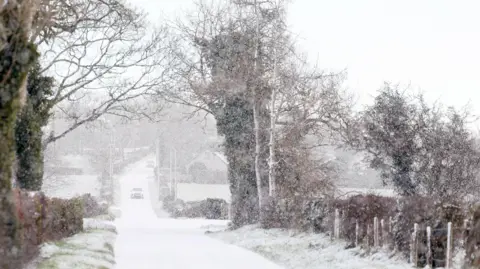
Why Further Snow and Ice Warnings Have Been Issued
Persistent Cold Air Systems
Meteorologists report that a large mass of cold Arctic air has settled over the region, creating ideal conditions for snow and ice. This cold air has remained stubbornly in place due to slow-moving weather systems, preventing milder air from pushing in.
As a result, temperatures are staying well below seasonal averages, particularly overnight, when freezing conditions are most severe. Even light precipitation under these conditions can quickly turn roads, pavements, and runways into dangerous ice sheets.
Clashing Weather Fronts
Another key factor is the interaction between cold air near the surface and slightly warmer, moisture-laden air above it. When these systems collide, they often produce:
- Heavy snowfall
- Freezing rain
- Sleet and ice pellets
Freezing rain is particularly dangerous, as it coats surfaces with a transparent layer of ice that is difficult to see but extremely slippery.
Areas Most Affected by the Warnings
Urban Centers
Major cities are among the areas affected by the latest warnings. While urban environments often retain heat, prolonged cold spells can overwhelm these effects, leading to icy roads, frozen pavements, and public transport delays.
Dense populations mean that even moderate snowfall can have outsized impacts, including traffic congestion, increased accident rates, and pressure on emergency services.
Rural and Mountainous Regions
Rural and high-altitude areas are expected to bear the brunt of the worst conditions. Snow accumulation is forecast to be deeper and longer-lasting in these regions, increasing the risk of:
- Isolated communities
- Blocked roads
- Delays in emergency response
Farmers and rural residents are being advised to prepare for potential power outages and limited access to supplies.
Coastal and Low-Lying Areas
Some coastal regions may experience a mix of snow, sleet, and freezing rain. Strong winds combined with icy conditions could worsen travel hazards and increase the risk of fallen trees and power lines.
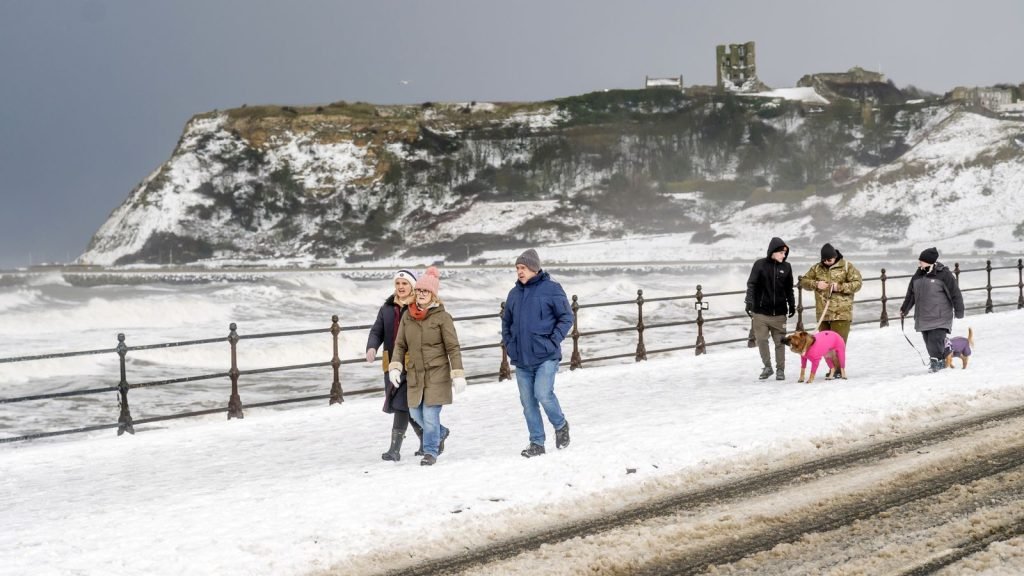
Impact on Transportation and Travel
Road Travel Disruptions
One of the most immediate impacts of snow and ice warnings is on road travel. Authorities warn that driving conditions may deteriorate rapidly, particularly during early mornings and evenings when temperatures drop further.
Key risks include:
- Black ice on untreated roads
- Reduced visibility during snowfall
- Increased stopping distances
Motorists are urged to avoid unnecessary journeys and to carry emergency supplies if travel cannot be postponed.
Rail Services and Public Transport
Rail networks are also vulnerable to winter weather. Ice on tracks, frozen points, and overhead line issues can lead to delays or cancellations. Bus services may be suspended in areas where roads become impassable.
Commuters are advised to check travel updates regularly and allow extra time for journeys.
Air Travel Disruptions
Airports may face delays due to runway icing, aircraft de-icing procedures, and reduced visibility. While airports are generally well-equipped to handle winter conditions, prolonged snow events can still cause significant disruption.
School Closures and Education Disruption
Snow and ice warnings often lead to school closures, particularly in areas where travel becomes unsafe. Local authorities must balance the need for education continuity with the safety of students and staff.
Remote learning options may be activated in some regions, though access to reliable internet and electricity can be a challenge during severe weather.
Parents are encouraged to monitor announcements from schools and local councils and to make childcare arrangements where possible.
Health Risks Associated With Snow and Ice
Increased Risk of Injuries
Slips and falls are among the most common injuries during icy conditions. Hospitals often see a rise in fractures, sprains, and head injuries during snow and ice events.
Older adults are particularly vulnerable, and health officials advise taking extra care when walking outdoors.
Cold-Related Illnesses
Prolonged exposure to cold temperatures can lead to conditions such as:
- Hypothermia
- Frostbite
- Exacerbation of heart and respiratory conditions
Those with chronic illnesses are urged to stay warm and seek medical advice if symptoms worsen.
Mental Health Impact
Extended periods of severe weather can also affect mental wellbeing. Isolation, reduced mobility, and anxiety about safety or finances can contribute to stress and low mood, particularly among vulnerable individuals.
Impact on Utilities and Infrastructure
Power Outages
Heavy snow and ice can damage power lines and substations, leading to outages. Ice accumulation on cables increases their weight, raising the risk of lines snapping or poles collapsing.
Utility companies have placed repair teams on standby, but restoration efforts may be delayed in hard-to-reach areas.
Water Supply Issues
Freezing tem peratures can cause pipes to burst, disrupting water supplies and causing property damage. Homeowners are advised to insulate exposed pipes and check on vacant properties.
Telecommunications Disruption
Mobile and internet services may also be affected if infrastructure is damaged or power is lost, complicating communication during emergencies.
Economic Consequences of Severe Winter Weather
Business Disruption
Snow and ice warnings can significantly affect businesses, particularly those reliant on foot traffic or logistics. Retailers, hospitality venues, and construction sites may be forced to close temporarily.
Supply chain disruptions can lead to delays in deliveries, impacting both businesses and consumers.
Cost to Local Authorities
- Local governments face increased costs due to:
- Road gritting and snow clearance
- Emergency response services
- Support for vulnerable populations
Budget pressures may intensify if severe weather persists for an extended period.
Government and Emergency Response Measures
Weather Warning Systems
Meteorological agencies use color-coded warning systems to communicate the severity of weather risks. These warnings are designed to help the public and authorities prepare and respond appropriately.
Emergency Services on High Alert
Police, ambulance, and fire services have increased staffing levels to respond to accidents and emergencies. Community support networks are also being mobilized to check on vulnerable residents.
Public Safety Advice
Authorities continue to issue guidance urging people to:
- Stay informed through official weather updates
- Avoid unnecessary travel
- Look out for neighbors, especially the elderly
How to Prepare for Snow and Ice
At Home
- Keep heating systems well-maintained
- Stock up on essentials such as food and medication
- Insulate pipes and seal drafts
For Travel
- Carry warm clothing, blankets, and a charged phone
- Keep vehicles fueled and winter-ready
- Inform someone of your travel plans
For Businesses
- Review continuity plans
- Allow flexible working arrangements where possible
- Ensure premises are safe for staff and customers
Climate Change and Extreme Winter Weather
While winters have become milder on average in many regions, scientists note that climate change can also contribute to more extreme and unpredictable weather events. Disruptions to atmospheric patterns may increase the likelihood of prolonged cold spells and heavy snowfall in certain areas.
Understanding these trends is crucial for long-term planning and resilience.
Read More: Snow storm blankets New York City, disrupting holiday travel
FAQs
Why are snow and ice warnings issued repeatedly?
Warnings are updated as weather conditions evolve. New data may indicate worsening conditions or extended duration, prompting further alerts.
What is the most dangerous winter weather condition?
Freezing rain is often considered the most dangerous, as it creates invisible ice that can lead to severe accidents.
Should I travel during a snow and ice warning?
Travel should be avoided unless essential. If travel is necessary, take precautions and check official advice.
How long will the cold weather last?
The duration depends on weather patterns. Some cold spells last days, while others persist for weeks.
How can I help vulnerable people during severe weather?
Check on elderly neighbors, offer assistance with supplies, and ensure they have adequate heating.
Conclusion
The issuance of further snow and ice weather warnings highlights the seriousness of the current winter conditions. While snow can be picturesque, the associated risks to safety, health, and infrastructure are significant. From travel disruption and power outages to health concerns and economic costs, severe winter weather affects every aspect of daily life.
