


On December 29, 2025, China’s Ministry of Foreign Affairs issued a strong statement opposing any moves to recognize the self-declared Republic of Somaliland as an independent state, firmly reaffirming Beijing’s commitment to Somalia’s sovereignty, unity, and territorial integrity.
This declaration came just days after Israel became the first United Nations member state to formally recognize Somaliland on December 26, 2025, marking a historic shift in the diplomatic landscape of the Horn of Africa.
Foreign Ministry spokesperson Lin Jian, during a regular press briefing in Beijing, expressed grave concern over Israel’s decision, stating that China “firmly opposes” any attempts to split Somali territory. He emphasized that Somaliland remains “an inalienable part” of Somalia and urged Somaliland authorities to “recognize the situation and immediately cease separatist activities and collusion with external forces.” Lin further cautioned that no country should “incite or support separatist forces within another nation for its own selfish interests,” aligning China’s stance with principles enshrined in the United Nations Charter and international law.
This position underscores China’s longstanding policy of non-interference in internal affairs while prioritizing territorial integrity—a principle central to Beijing’s own domestic concerns, such as Taiwan. The statement also highlighted broad international condemnation of Israel’s move, noting protests from Somalia’s federal government, the African Union (AU), Arab League, Gulf Cooperation Council (GCC), Organization of Islamic Cooperation (OIC), and Intergovernmental Authority on Development (IGAD).
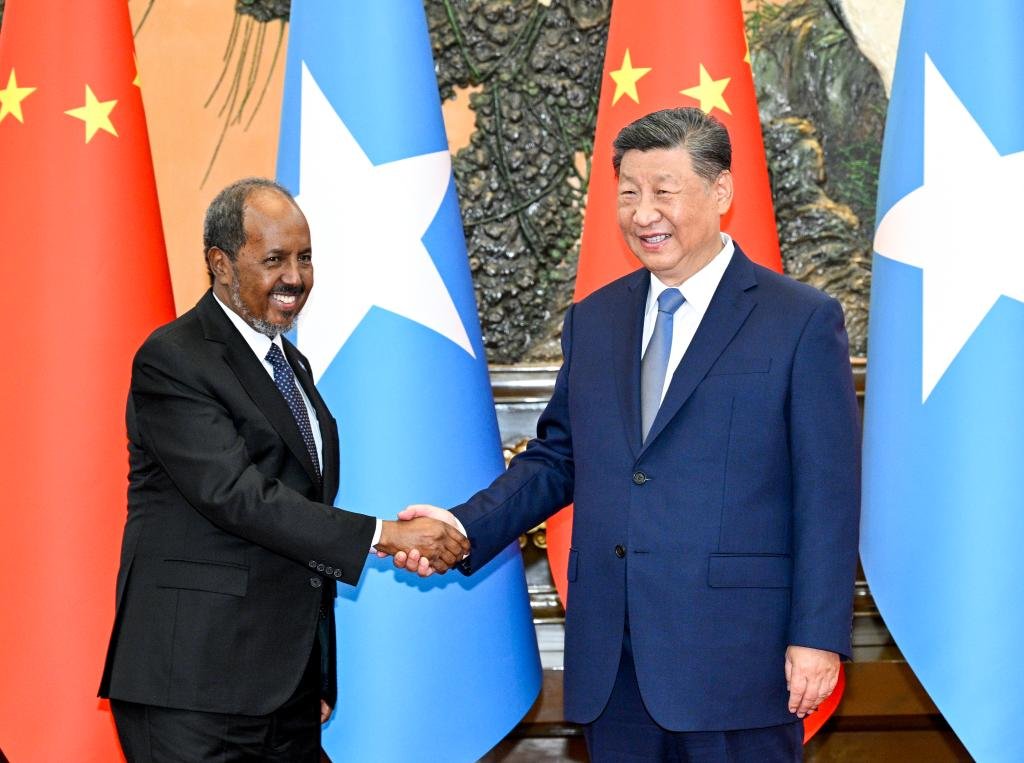
Historical Context: Somaliland’s Quest for Independence
Somaliland, located in the northwestern Horn of Africa, declared unilateral independence from Somalia on May 18, 1991, reclaiming the sovereignty it briefly held as the State of Somaliland after gaining independence from Britain in 1960 before uniting with Italian Somaliland to form the Somali Republic.
The declaration followed the collapse of Somalia’s central government under Siad Barre amid civil war, clan conflicts, and widespread devastation.
Unlike the rest of Somalia, which descended into decades of chaos, piracy, and the rise of al-Shabaab, Somaliland has maintained relative peace, stability, and democratic governance. It has held multiple peaceful elections, including presidential votes in 2003, 2010, 2017, and most recently in November 2024, which saw opposition leader Abdirahman Mohamed Abdillahi (Cirro) defeat incumbent Muse Bihi Abdi. Somaliland boasts its own currency, military, parliament, and institutions, functioning as a de facto state with a population of approximately 5.7 million.
Despite these achievements, Somaliland has struggled for international recognition. The African Union has adhered to post-colonial borders, viewing recognition as opening a Pandora’s box for other separatist movements. Mogadishu continues to claim Somaliland as its northern territory, refusing direct engagement that implies sovereignty. Prior to Israel’s announcement, no UN member state had formally recognized Somaliland, though countries like Ethiopia, Taiwan, and several Western nations maintain informal ties or representative offices in Hargeisa.
Israel’s recognition—announced by Prime Minister Benjamin Netanyahu, who praised Somaliland’s leadership and invoked the spirit of the Abraham Accords—includes plans for immediate cooperation in agriculture, health, technology, and economy. This move has sparked celebrations in Hargeisa but widespread backlash elsewhere.
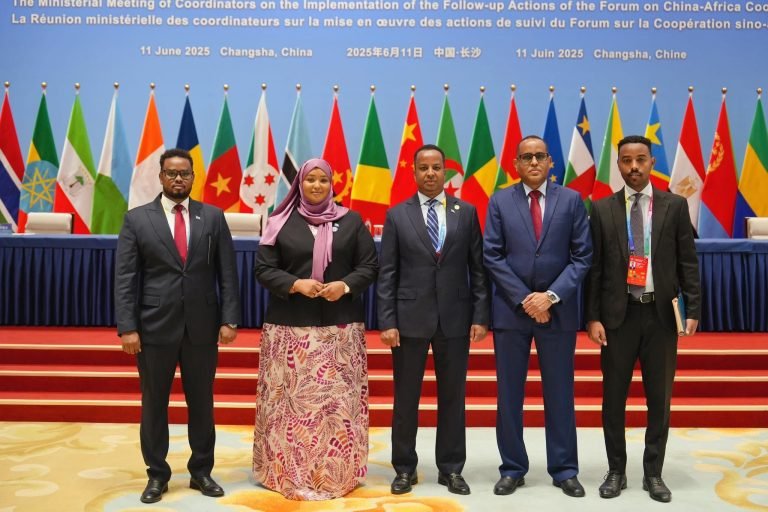
Israel’s Recognition: Motivations and Regional Reactions
Israel’s decision to become the first country to recognize Somaliland represents a bold diplomatic gambit with multifaceted motivations. Strategically, Somaliland’s location on the Gulf of Aden offers access to the Red Sea and Bab el-Mandeb Strait, critical maritime chokepoints. Cooperation could enhance Israeli interests in countering regional threats, including Houthi attacks from Yemen.
Politically, the move aligns with Israel’s efforts to expand ties in Africa and the Muslim world post-Abraham Accords. Netanyahu congratulated Somaliland’s president and extended an invitation to visit Israel, signaling intent for full diplomatic relations. Some analysts speculate links to broader geopolitical plays, including potential maritime security enhancements or even unconfirmed rumors of demographic strategies amid ongoing conflicts.
The reaction was swift and overwhelmingly negative. Somalia’s government condemned it as an “unlawful step” and “deliberate attack” on sovereignty. Regional bodies echoed this, warning of destabilization in the Horn—a region already fraught with tensions involving Ethiopia’s sea access deal with Somaliland (signed in 2024), al-Shabaab insurgency, and climate-induced crises.
Eritrea called on China to leverage its UN Security Council veto to block recognition. Over 21 countries and organizations rejected the move, citing violations of international law.
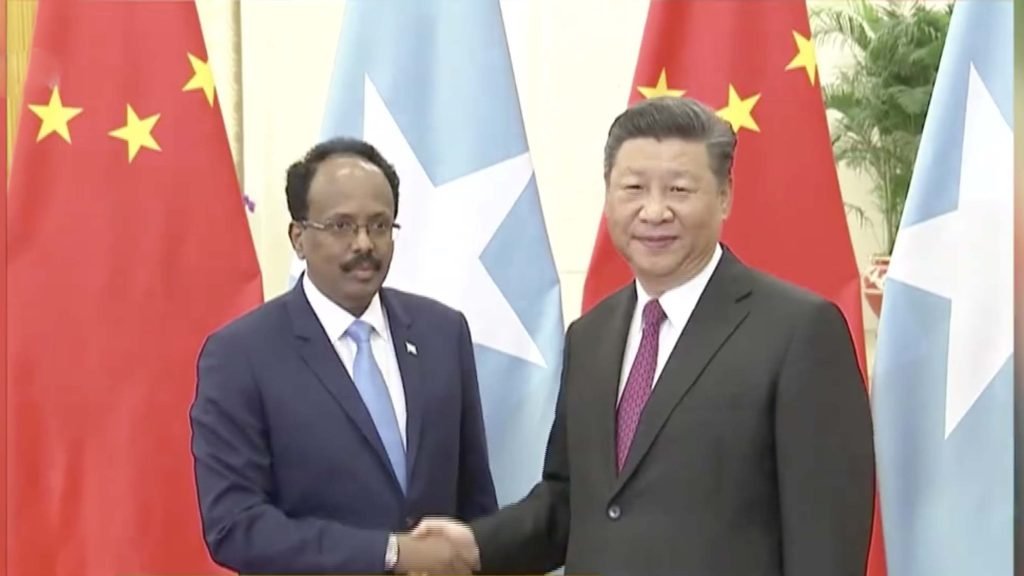
China’s Position: Consistency with One-China Principle and African Policy
China’s opposition is rooted in its core foreign policy tenets. Beijing strictly adheres to the “One China” principle regarding Taiwan and extends similar logic to territorial disputes elsewhere, opposing separatism to safeguard its own unity.
Somaliland’s ties with Taiwan—established in 2020 with mutual representative offices and expanded through maritime, health, and educational cooperation—have long irked Beijing. China views these as violations of the One-China policy, pressuring Somalia to counter them. In 2025, Taiwan attended Somaliland’s presidential inauguration, prompting Chinese envoys to visit Mogadishu.
Broader African engagement amplifies China’s stance. Through the Belt and Road Initiative (BRI) and Forum on China-Africa Cooperation (FOCAC), Beijing has invested heavily in Somalia, including infrastructure, grants, and military aid. Somalia elevated ties to a “strategic partnership” in 2024. China supports AU positions on borders and has a special envoy for the Horn, mediating crises while advancing interests like its Djibouti base.
By backing Mogadishu, China counters perceived Western (and now Israeli) encroachment, positioning itself as a defender of developing nations’ sovereignty against external interference.
Geopolitical Implications in the Horn of Africa
The Horn remains a theater of great-power competition. Israel’s entry complicates dynamics, potentially emboldening Somaliland’s recognition bids while straining relations with Arab and Muslim states.
For China, this reinforces its narrative against “selfish” external meddling. US policy—supporting “One Somalia” while engaging Somaliland informally—faces scrutiny, with some viewing it as ceding ground to Beijing.
Taiwan-Somaliland relations highlight proxy rivalries: Hargeisa’s democratic alignment with Taipei contrasts Mogadishu’s China tilt.
Economically, Berbera Port—developed with DP World and eyed by multiple powers—symbolizes stakes in Red Sea trade routes.
Long-term, Israel’s precedent could cascade if others follow, destabilizing the region or forcing dialogue between Hargeisa and Mogadishu.
International Responses and Future Outlook
Beyond China, condemnations poured in. The AU reiterated commitment to Somalia’s unity. Arab League and OIC decried the move as precedent-setting.
Taiwan welcomed Israel’s decision, the first to do so publicly. Western responses were muted, balancing counterterrorism ties with Somalia and broader alliances.
Analysts predict limited follow-on recognitions due to backlash, but Israel’s action may encourage informal upgrades.
Read More:YouTuber Rajab Butt physically assaulted at sessions court in Karachi
Frequently Asked Questions
What is Somaliland?
Somaliland is a self-declared independent republic in northern Somalia, functioning autonomously since 1991 with its own government, elections, and institutions, but unrecognized by any UN member until Israel’s 2025 decision.
Why did Israel recognize Somaliland?
Motivations include strategic maritime access, economic cooperation in key sectors, and expanding African ties post-Abraham Accords.
What is China’s official position?
China firmly opposes recognition, supports Somalia’s territorial integrity, and views Somaliland as an internal Somali issue, urging cessation of separatist activities.
How does this relate to Taiwan?
Somaliland has close ties with Taiwan since 2020, including representative offices, which China opposes as violating the One-China principle.
Who else opposes Israel’s recognition?
Somalia, AU, Arab League, OIC, IGAD, Eritrea, and over 20 countries/organizations.
Has any other country recognized Somaliland?
Prior to Israel, none formally; some maintain informal relations.
What are the geopolitical stakes in the Horn?
Control over Red Sea routes, counterterrorism, great-power rivalry (US, China, Israel), and regional stability amid conflicts.
Could more countries follow Israel?
Unlikely soon due to backlash, but it sets a precedent.
How has Somalia responded?
Strong condemnation, viewing it as a sovereignty violation.
What role does China play in the region?
Major investor via BRI, supporter of Somalia, with a military base in Djibouti and a Horn envoy.
Conclusion
China’s resolute opposition to Somaliland’s recognition by Israel reaffirms Beijing’s commitment to territorial integrity and non-interference—principles that resonate globally among nations wary of separatist precedents. In backing Somalia amid widespread condemnation, China positions itself as a steadfast partner to developing countries, countering perceived external agendas in the strategically vital Horn of Africa.While Israel’s bold move opens new avenues for Somaliland and highlights its stability, it risks escalating tensions in an already volatile region. The episode underscores enduring challenges: balancing de facto realities with de jure norms, navigating great-power rivalries, and fostering dialogue for lasting peace.Ultimately, resolution lies in Somali-led processes respecting national conditions. As geopolitical currents shift, principled diplomacy—prioritizing unity without ignoring aspirations—offers the path to stability, development, and prosperity for all in the Horn.
