


A retired Tennessee law enforcement officer has filed a federal civil rights lawsuit after spending more than a month in jail for sharing a political meme on Facebook, an incident that has sparked renewed debate over free speech, political expression, and the boundaries of law enforcement in a deeply polarized America.
Arrest Over a Facebook Post
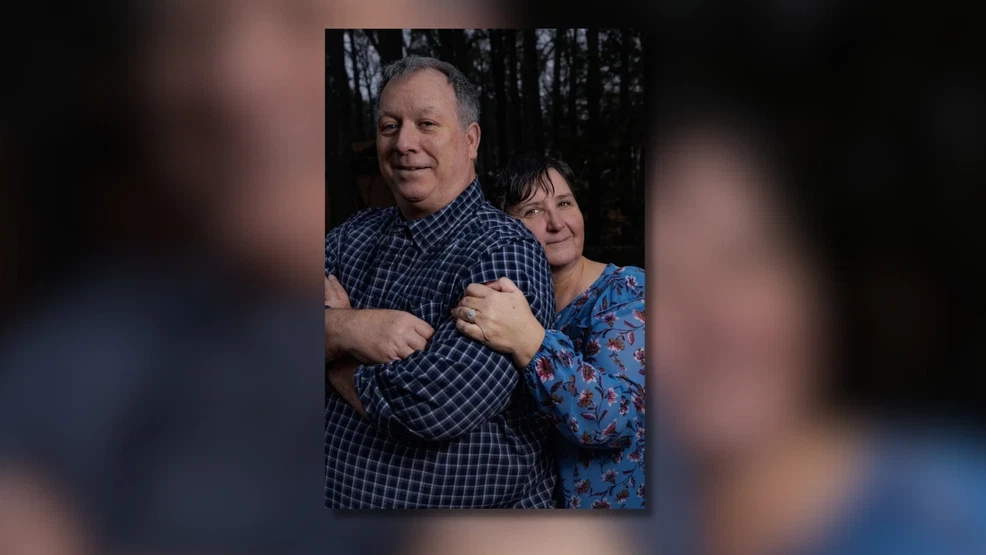
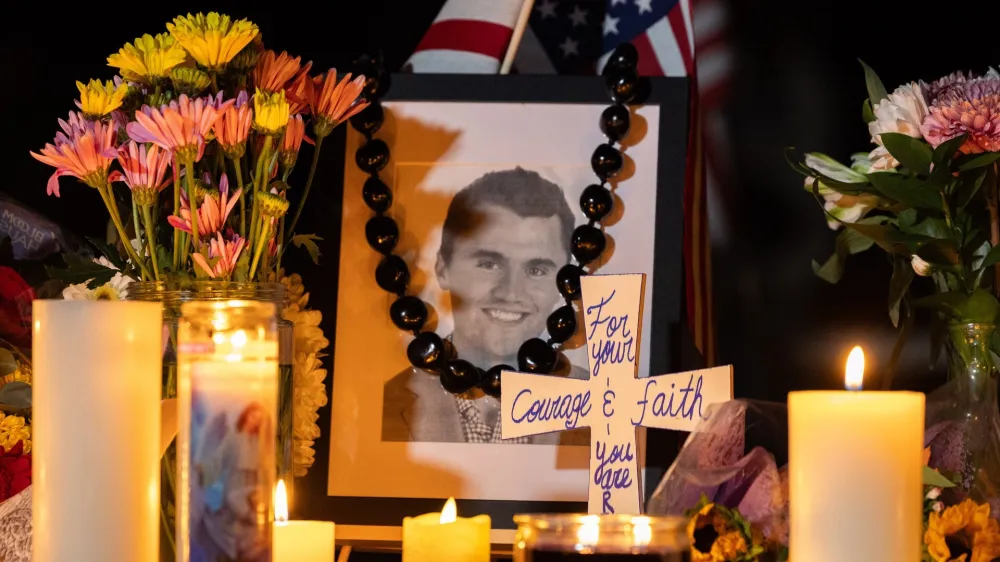
Larry Bushart, a former Tennessee police officer with more than three decades of experience in law enforcement, was arrested this fall after posting a meme connected to the assassination of conservative activist Charlie Kirk. Kirk, a prominent right-wing figure and vocal supporter of former President Donald Trump, was fatally shot during an outdoor event at Utah Valley University on September 10.
Ten days after the shooting, Bushart shared a meme referencing a vigil being held in Tennessee in Kirk’s honor. The image included a photograph of Donald Trump and a quote attributed to him following a 2024 school shooting in Des Moines, Iowa: “We have to get over it.” Bushart later stated that the meme was intended as political commentary and criticism of public rhetoric surrounding gun violence not as a threat.
Swift Police Action and Serious Charges
Despite the absence of any explicit threat in the post, local authorities reacted quickly. According to court documents, four officers arrived at Bushart’s home the day after the meme was posted, arrested him, and transported him to jail. He was charged with “threatening mass violence at a school,” a serious felony offense.
Law enforcement officials later claimed that the meme was interpreted locally as a threat against a nearby school with a name similar to the institution referenced in the image. However, Bushart’s legal team argues that this interpretation was speculative and unsupported by evidence.
Held for 37 Days on $2 Million Bond
Following his arrest, a judge set Bushart’s bond at an astonishing $2 million, an amount his attorneys say was grossly disproportionate to the alleged offense. Unable to pay, Bushart remained incarcerated for 37 days, spending over a month in jail despite his clean criminal record and long career in law enforcement.
During his detention, prosecutors continued to investigate the matter. Ultimately, in late October, the district attorney’s office moved to dismiss the sole criminal charge, citing insufficient evidence. Bushart was released shortly thereafter.
Lawsuit Alleges Unlawful Prosecution
Bushart has now filed a 30-page federal lawsuit in Tennessee, arguing that his arrest and incarceration were unconstitutional and represented a blatant violation of his First Amendment rights. The complaint states that government officials punished him for engaging in protected political speech.
“It is clearly established law that the First Amendment prohibits government officials from arresting individuals for protected political expression,” the lawsuit reads.
Bushart is being represented by the Foundation for Individual Rights and Expression (FIRE), a civil liberties organization that frequently litigates free speech cases.
Officials Knew the Meme Was Political, Suit Claims
The lawsuit names Perry County, Tennessee, along with Sheriff Nick Weems and county investigator Jason Morrow, as defendants. According to the filing, both Weems and Morrow allegedly understood that the meme was political commentary related to debates over gun violence and public rhetoric but ordered Bushart’s arrest anyway.
The complaint further states that no evidence exists showing anyone viewed the meme as a real threat. The Perry County School District reportedly has no records, reports, or communications referencing Bushart or the Facebook post.
CNN has contacted Perry County officials for comment, though no response has been received as of publication. Weems and Morrow could not be immediately reached.
Read More: Vonn, 41, becomes oldest downhill World Cup winner
Personal and Professional Fallout
Bushart’s attorneys say the consequences of his incarceration extend far beyond the time he spent in jail. As the primary income earner for his household, Bushart reportedly lost his post-retirement job due to his prolonged detention.
The lawsuit also claims that the incident has had a chilling effect on Bushart’s willingness to engage in political discourse online. According to court filings, he now avoids expressing political opinions out of fear that doing so could once again lead to arrest and imprisonment.
Bushart Speaks Out
In a statement released Wednesday, Bushart expressed disappointment over what he described as government overreach.
“I spent more than three decades serving in law enforcement and have the utmost respect for the rule of law,” he said. “But I also know my constitutional rights. I was arrested for nothing more than refusing to be bullied into censorship.”
Bushart is requesting a jury trial and seeking compensatory and punitive damages for the alleged violations of his civil liberties.
Frequently Asked Questions
What was Larry Bushart arrested for?
Bushart was arrested for allegedly threatening mass violence after sharing a Facebook meme related to Charlie Kirk’s assassination.
Did prosecutors find evidence of a real threat?
No. Prosecutors eventually dropped the charge, and school officials reported no complaints or records related to the meme.
Why was Bushart held for over a month?
His bond was set at $2 million, which he could not afford, resulting in 37 days of incarceration.
Who is representing Bushart in the lawsuit?
He is represented by the Foundation for Individual Rights and Expression (FIRE).
What is Bushart seeking in his lawsuit?
Bushart is seeking monetary damages, punitive damages, and a jury trial for alleged First Amendment violations.
Conclusion
The arrest and detention of Larry Bushart underscore the growing tension between public safety concerns and constitutional protections for free speech. While authorities initially framed the Facebook meme as a potential threat, the lack of evidence and the dismissal of charges raise serious questions about government overreach. As Bushart’s lawsuit proceeds through federal court, the case could have lasting implications for how political speech is policed in the digital age, especially during moments of national tragedy and political division.
